Photo credit: The Avid Outdoorsman
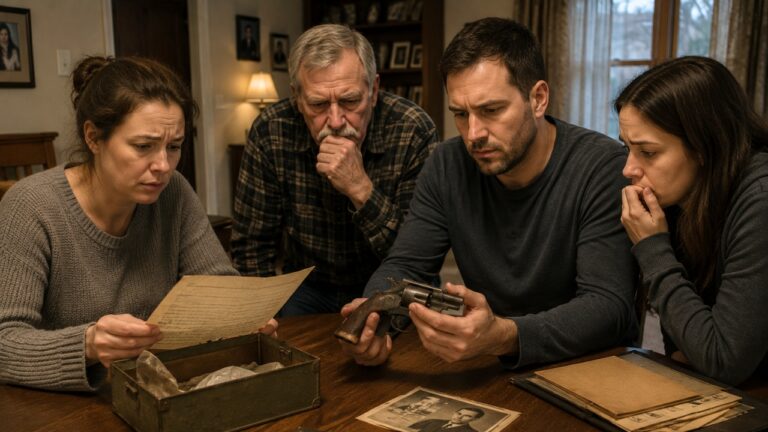
The tenant said the whole thing started with a favor for a friend. A Navy friend was visiting from out of state and needed a place to sleep, so the tenant let him stay on the couch. It sounded ordinary enough. A short visit, a temporary guest, and then everyone would go back to their normal lives.
On the friend’s last day in town, the tenant left for work and told him to lock up when he headed out. Later, the friend called with the kind of message that makes your stomach drop. His gun had gone off inside the apartment, and the tenant needed to come home to talk to police.
Nobody was hurt. That was the first and most important detail. According to the post, the bullet went into the floor and stopped before it passed through into the downstairs neighbor’s ceiling. Police took the friend’s statement, gave them a case number for an accidental discharge, and left.
The original Reddit post can be found here: https://www.reddit.com/r/legaladvice/comments/buge5c/fl_guests_gun_went_off_roommate_and_i_were_not/
The tenant did what most people would probably do next. They went to the leasing office to explain what happened and ask about the consequences. Management already knew. Police had been there, and so had the downstairs neighbor.
At first, the response sounded bad but manageable. The leasing office said the guest was never allowed back on the property. The tenant did not argue with that. He said the friend would not be back down that way anyway. Management also said a legal notice would be served, but at that point, the tenant did not seem to understand how serious the notice would be.
Then the roommate came home. She had been out of town when the gun went off, so the tenant told her what happened. According to the post, she understood that it was an accident. Neither tenant had been home when it happened. Neither one had fired the gun. The person responsible was a guest who had already been banned from returning.
That did not stop the apartment complex from taking a much harder line.
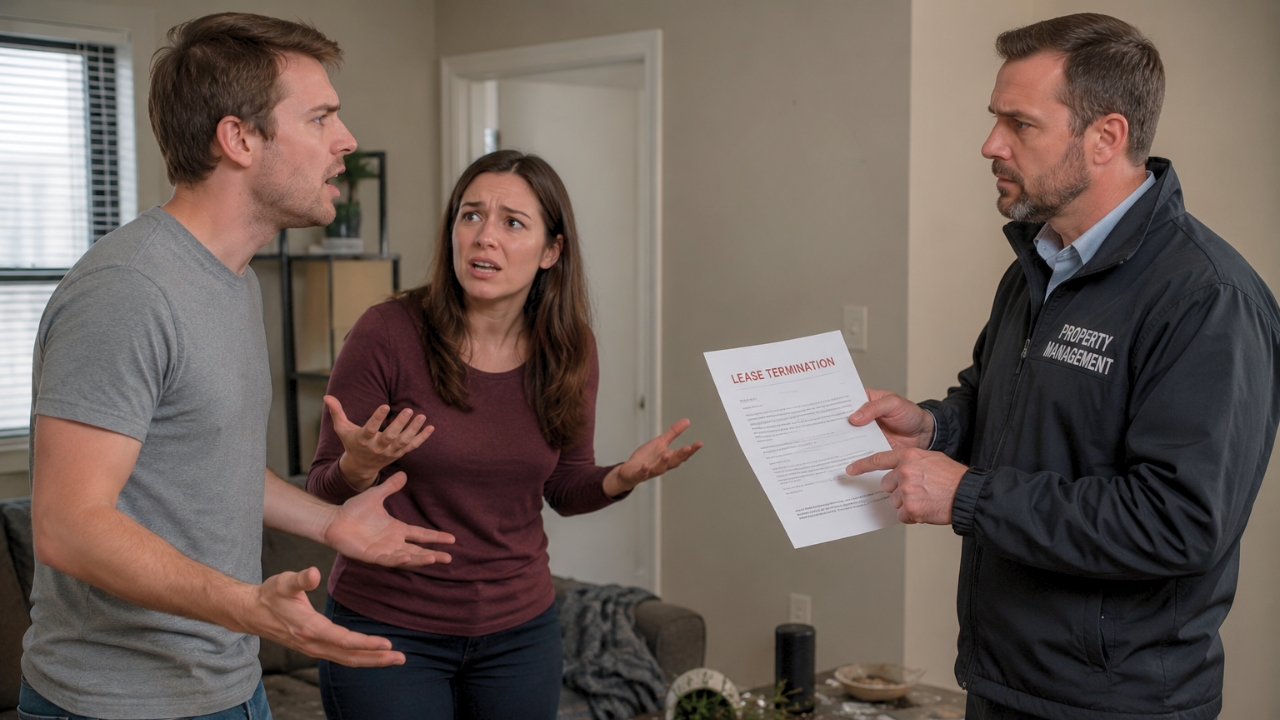
The tenants were called back into the leasing office and told their lease was being terminated. They said they were given seven business days to move out. On top of that, they were told they would not get their deposit back and would still have to pay two months’ rent.
That was where the situation became more than a frightening gun incident. It became a housing emergency. The tenant and roommate suddenly had to find a new place to live, deal with the possibility of a broken lease in their rental history, and figure out whether they could recover money from the friend whose gun caused the mess.
The tenant did not seem to expect the apartment complex to ignore the incident. A firearm had discharged indoors. A neighbor had been put at risk. Damage had been done to the building. But the speed and severity of the response left them scrambling.
They wanted to know if there was any way to extend the move-out period or get financial compensation from the friend. The friend, according to the post, had not been responding to calls or texts. That added another layer of frustration. The person who caused the problem was gone, while the people left behind were the ones dealing with the apartment complex, possible eviction consequences, and moving costs.
The tenant tried to frame the post around solving the problem instead of sitting in anger. But it was obvious they were in a bad spot. A friend’s gun had gone off while they were at work, and now they were being told to pack up their lives in a week.
Commenters were divided on what the apartment complex could legally do, but most agreed the tenant needed local landlord-tenant advice fast. Some pointed to Florida’s rules around seven-day notices and said the apartment complex might be trying to treat the gun discharge as an “unreasonable disturbance.”
Others questioned whether that fit the facts. The discharge was serious, but it was a single incident by a temporary guest who had already been banned from the property. Several commenters thought the tenants might have an argument that the issue had been cured because the responsible person would not be allowed back.
A few commenters focused on the money. They said the apartment complex likely could not simply keep the entire security deposit unless there were actual damages or unpaid rent. Others questioned whether the tenants could be charged a lease-break fee if management was the one terminating the lease.
There was also plenty of anger aimed at the friend. Commenters said the tenant may have a claim against him for costs caused by the discharge, including moving expenses, damaged rental history, or other losses. Some also pointed out that because the friend was in the Navy, a negligent firearm discharge could create problems beyond the apartment dispute if his command found out.
Still, the immediate advice was practical: talk to a landlord-tenant attorney, do not rely only on what the leasing office says verbally, get everything in writing, and prepare a backup housing plan. Even commenters who thought the tenants might have a decent argument warned that the apartment was probably not going to feel stable after this.
The post ended with the tenant caught between two problems at once. The gun discharge was over in a second. The housing fallout was going to last much longer.
Like The Avid Outdoorsman’s content? Subscribe to our newsletter so you never miss an article.
Here’s more from us: