
This is where charts mess people up. Ballistics tables and energy numbers can make a cartridge look like a perfect answer, but game animals don’t react to spreadsheets. They react to a bullet that expands correctly, penetrates the right amount, and reaches the vitals from the angle you actually had in the moment. A cartridge can have impressive velocity, impressive BC, or impressive “energy,” and still disappoint if bullet construction doesn’t match the speed, if impact velocity falls below the expansion threshold, or if hunters stretch ranges because the chart made them feel confident. These rounds can work, but they’re also common sources of frustration when the expectations don’t match what happens on a real animal.
.17 HMR

On paper, .17 HMR looks fast, flat, and precise, and it is for small game. The disappointment shows up when people try to treat it like a serious hunting round for anything bigger than it was designed for. Bullet weight is light, penetration is limited, and terminal performance falls apart quickly once you’re outside its intended role. You might see dramatic results on varmints, and that can trick people into believing it’ll “work” on larger animals with perfect shots. That’s not a responsible bet, and when results are inconsistent, the cartridge gets blamed instead of the bad idea. For what it’s built for, it’s excellent; for big game, it’s the wrong tool.
.22-250 Remington (with the wrong bullets)

.22-250 looks like a deer slayer on paper because it’s fast and flat, but it disappoints on game when people run varmint bullets or fragile designs that explode on impact. High velocity can be a problem if the bullet isn’t built for penetration, especially on shoulder shots or less-than-perfect angles. Guys see the speed numbers, assume it’s automatically more lethal, and then get shallow wounds or messy surface damage with poor internal penetration. If you use a true deer bullet and keep shot angles conservative, it can work, but the disappointment trend comes from people pairing a predator cartridge mindset with deer hunting realities.
.224 Valkyrie

The Valkyrie looked like a long-range .22 dream on paper, and it can be accurate, but real-world hunting disappointment often comes from inconsistent factory ammo performance, varying rifle setups, and the basic limitation of small-diameter bullets on game when conditions aren’t perfect. It’s easy to get sucked into BC and drop charts and then ignore how small bullets behave when impact velocity changes. Wind, shot angle, and bullet construction matter a lot more than the chart makes it feel. For steel and targets, it can be fun, but as a hunting “solution,” it often disappoints the guys who expected it to perform like a bigger cartridge just because the numbers looked pretty.
6.5 Grendel

Grendel is a strong cartridge inside its intended distances, and on paper it looks like it carries well for an AR-friendly round. The disappointment shows up when hunters stretch it too far and impact velocity drops below what their bullet needs to expand reliably. At that point, you can get penciling, limited expansion, or performance that feels inconsistent between deer. The cartridge didn’t change; the conditions did. People read charts, see it “still has energy,” and assume that equals clean kills at long range. Terminal performance is more complicated than that. Keep it within a realistic hunting range, pick a proper bullet, and it works well; push it like a Creedmoor replacement, and it frustrates people.
.300 Blackout

.300 Blackout is a perfect example of a cartridge that gets oversold by misunderstanding. On paper, it can look efficient and powerful, and it’s fantastic for suppressed use at closer ranges, but it disappoints on game when people treat it like a .308. Velocity is low, trajectory drops fast, and bullet performance depends heavily on bullet design and impact speed. If you shoot it inside the range where the bullet is meant to expand, it can be very effective. If you stretch it, you can get inconsistent expansion and longer tracking jobs. The disappointment is usually not the cartridge itself, it’s the expectation that it should behave like a full-power rifle cartridge because it’s in a rifle.
.350 Legend

Straight-wall cartridges get a lot of hype because they’re legal in certain states, and on paper .350 Legend can look like an easy deer answer. It can be, but disappointment shows up when people assume it’s flat enough to ignore range estimation or wind, or when they expect it to perform like a bottleneck rifle cartridge at longer distances. Past its comfort zone, drop becomes significant and impact velocity can fall off enough that bullet performance becomes less consistent. It’s deadly inside a sensible range with the right bullet, but charts make people stretch it. When a deer runs farther than expected, they blame the cartridge instead of the distance choice.
6.8 SPC

6.8 SPC can be very effective, and on paper it looks like a great AR hunting round. The disappointment trend often comes from ammo inconsistency and limited shelf variety in some areas. If you can’t get the load you’ve verified in your rifle, you start swapping ammo based on whatever you found, and that’s how accuracy and terminal performance get inconsistent. Bullet selection matters, and not every 6.8 load is built the same. Guys also sometimes stretch it beyond what it’s best at because they want it to do everything. Inside the intended range window with a proven hunting load, it works; the disappointment comes from the logistics and the temptation to make it do more than it should.
.243 Winchester

.243 gets blamed for disappointing performance more than it deserves, and the root cause is often bullet choice. On paper, the cartridge looks great—flat trajectory, light recoil, good velocity—but if you run a cheap, thin-jacket bullet at high speed and hit shoulder, you can get fragmentation that limits penetration. That’s not a cartridge problem, that’s a construction problem. Hunters also sometimes stretch .243 too far with bullets that need a certain impact speed to expand well, and then they see pencil-through wounds. With a premium deer bullet and sane range discipline, it performs very well; the disappointment comes from treating any .243 load as equally appropriate for deer.
6mm Creedmoor

6mm Creedmoor looks fantastic on paper because it’s accurate and handles wind well for its size. Hunting disappointment often comes when people run match bullets or bullets not designed for consistent terminal performance on game, then wonder why results vary. Match bullets can work in certain contexts, but they’re not built with the same priorities as hunting bullets, especially when impact speeds and angles vary. The cartridge itself is consistent; the bullet behavior is what changes. If you select a true hunting bullet that expands reliably and penetrates adequately, 6mm Creedmoor can be excellent on deer. The disappointment trend comes from guys copying their range setup into the woods without making the bullet choice change.
.25-06 Remington

.25-06 looks like a cheat code on paper because it’s fast and flat. It disappoints when people run bullets that are too fragile for the impact speeds they’re generating, especially on close shots. That can lead to violent expansion with shallow penetration, particularly if the shot hits heavy bone. When hunters see that, they assume the cartridge is “too fast” or “doesn’t penetrate,” but it’s usually the bullet choice and impact conditions. Run a controlled-expansion hunting bullet, and it’s a strong deer cartridge. The paper numbers encourage some hunters to take longer shots or ignore bullet construction, and that’s when performance starts feeling unpredictable.
7mm-08 Remington
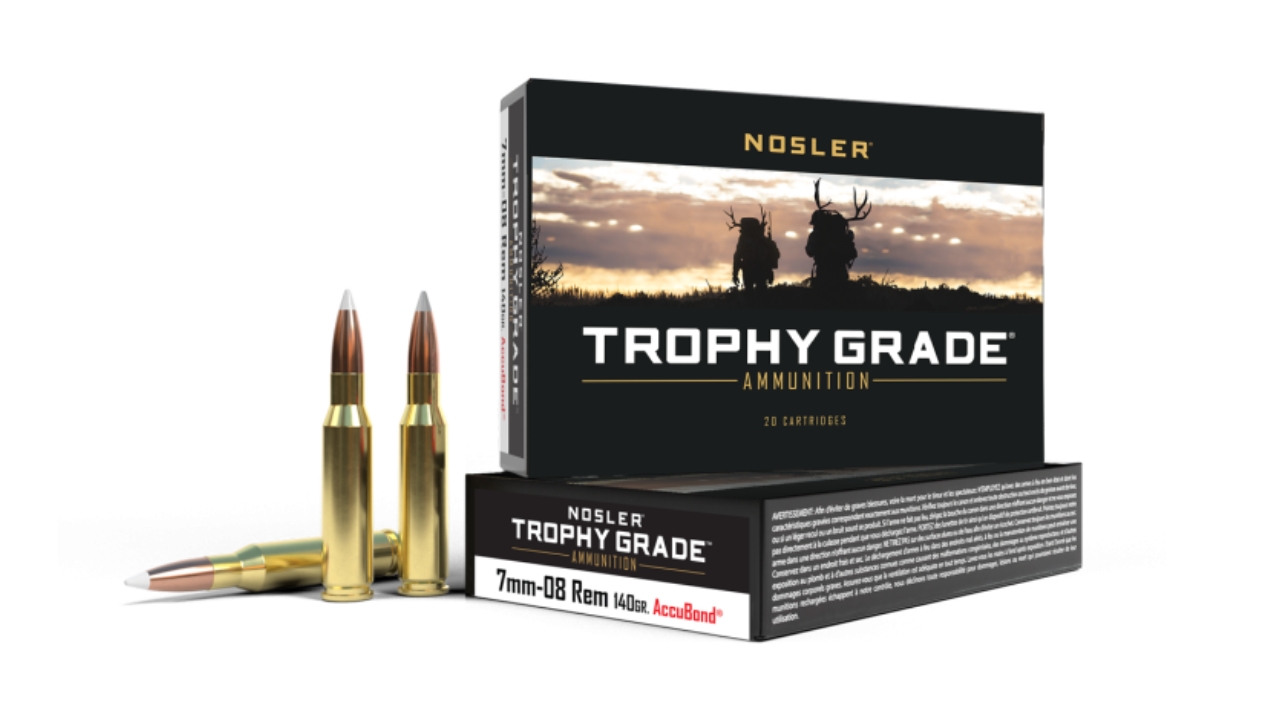
7mm-08 is a great deer cartridge, but it can disappoint when hunters push it into longer ranges they’re not truly prepared for. On paper, it can look like it “still carries plenty,” and it can, but wind drift, shot angle, and impact velocity all start mattering more than a chart suggests. If a hunter uses a bullet that’s tough and needs higher impact speed to expand, then takes a long shot, expansion can be less dramatic and tracking can get longer. Again, not a cartridge flaw, but an expectations flaw. Inside normal hunting distances with a bullet that matches your likely impact speeds, it’s extremely reliable.
.270 WSM

On paper, .270 WSM can look like the perfect upgrade—faster than .270 Win, flatter, more “modern.” The disappointment can come from the practical side: fewer ammo choices locally, higher prices, and sometimes more variability between loads because you can’t always stick with one proven box year after year. If you can’t get the same load you zeroed with, you end up chasing point of impact shifts and wondering why performance feels inconsistent. The cartridge can perform very well, but the “paper great, field frustrating” issue shows up for hunters who don’t have stable access to the ammo their rifle actually likes.
.45-70 Government

.45-70 can look impressive on paper if you focus on bullet weight and energy, but it disappoints when people treat it like a flat-shooting rifle cartridge. Trajectory is the real story, and trajectory doesn’t care how heavy your bullet is. At longer distances, drop is big, range estimation must be accurate, and wind starts moving that big bullet more than people expect. It can be devastating at appropriate ranges with appropriate sights and practice, but “great on paper” often translates into “I didn’t realize how much it drops” when a hunter tries to stretch it. The disappointment isn’t because it won’t kill; it’s because the user’s expectations weren’t built on honest trajectory practice.
12-gauge slugs

Slugs can show big energy numbers on paper, and that makes people assume they’re a rifle substitute. The disappointment comes from accuracy variability, recoil fatigue, and trajectory. Many shotgun and slug combinations shoot “good enough” at closer ranges and then open up fast at distance. Recoil also discourages practice, which makes real-world performance less consistent. On game, slugs can be extremely effective inside their practical accuracy window, but paper energy numbers can trick hunters into taking shots they can’t place as precisely as they think. When a deer runs or a hit is marginal, the slug gets blamed, but the real issue was stretching a setup beyond its consistent accuracy.
Like The Avid Outdoorsman’s content? Be sure to follow us.
Here’s more from us:


