Photo credit: Reloading Weatherby/YouTube
“Power” sells rifles and it sells ammo, but it also sells a lot of regret. The pattern is almost always the same: a guy buys a cartridge because it looks tough on paper, then he realizes the recoil is worse than he expected, the muzzle blast is miserable, the ammo costs real money every time he pulls the trigger, and he doesn’t practice because shooting it isn’t fun. Then deer season shows up, and the rifle he bought for confidence becomes the rifle he’s hoping he doesn’t need to shoot more than once. None of these cartridges are “bad,” but they’re easy to buy for the wrong reasons, and that’s what gets people.
.300 Remington Ultra Magnum

This cartridge gets picked because it sounds like maximum capability, and it can absolutely deliver that, but most hunters don’t need it and don’t train with it. Recoil is heavy, muzzle blast is harsh, and rifles that handle it well usually aren’t light. If you don’t shoot it often, you start anticipating recoil, and that turns into misses or poor hits at the exact moment you wanted “power” to save you. Ammo cost and availability can also be frustrating, which pushes people into shooting a random box they found instead of a load they trust. If you truly need it, you already know it, but a lot of regret comes from buying it for ego instead of a real need.
7mm Remington Ultra Magnum

7mm RUM looks like a long-range dream until you live with it. It can run fast and it can shoot flat, but the recoil and blast can turn practice into a chore, especially for hunters who don’t run brakes or don’t want the noise that comes with them. It’s also a cartridge where small inconsistencies in shooting form can show up as big inconsistencies downrange, because most people don’t shoot it as calmly as they shoot a milder cartridge. The regret usually isn’t that it won’t kill—it’s that the owner doesn’t shoot it enough to actually benefit from what he paid for, and “power” doesn’t matter if you’re flinching.
.28 Nosler

.28 Nosler has real performance, but it’s often bought by people who want magnum results in a light rifle, and that combination is where the regret comes from. A light rifle in a fast cartridge tends to punish the shooter, and punishment shows up as bad habits. Barrel life can be shorter than the classics, ammo cost is high, and availability can be inconsistent depending on your area. The cartridge also encourages longer shots, and longer shots demand more practice and more discipline, not just more speed. Guys regret it when they realize they could have shot a 7mm-08 or 7mm PRC better and gotten more consistent results on real hunts.
.30-378 Weatherby Magnum

This is a true specialty cartridge that gets purchased like it’s an everyday hunting tool. Recoil and blast are intense, ammo is expensive, and rifles chambered for it are typically set up for long-range work, not casual deer hunting. The regret comes when the owner realizes that a cartridge built to push high velocity at distance doesn’t automatically translate into better real-world kills, especially if he doesn’t practice enough to run it confidently. It’s also an overbore cartridge that can be hard on barrels, which matters if you actually shoot it. For most hunters, it’s more cartridge than they can use, and more cartridge than they want to live with.
.338 Lapua Magnum

.338 Lapua is a purpose-built long-range cartridge that gets bought by hunters who want a “do everything” rifle, and it’s not that. It’s heavy, loud, expensive to feed, and often paired with rifles that weigh a lot because they have to. If you want a dedicated long-range steel rifle, fine, but hunting regret comes from realizing you’re carrying a cannon for deer, or you’re trying to make it work in places where it’s simply unnecessary. Recoil management becomes a whole setup problem, and a lot of guys end up shooting it less than they should. That’s how you end up with a “powerful” rifle that you don’t trust because you don’t run it often.
.340 Weatherby Magnum
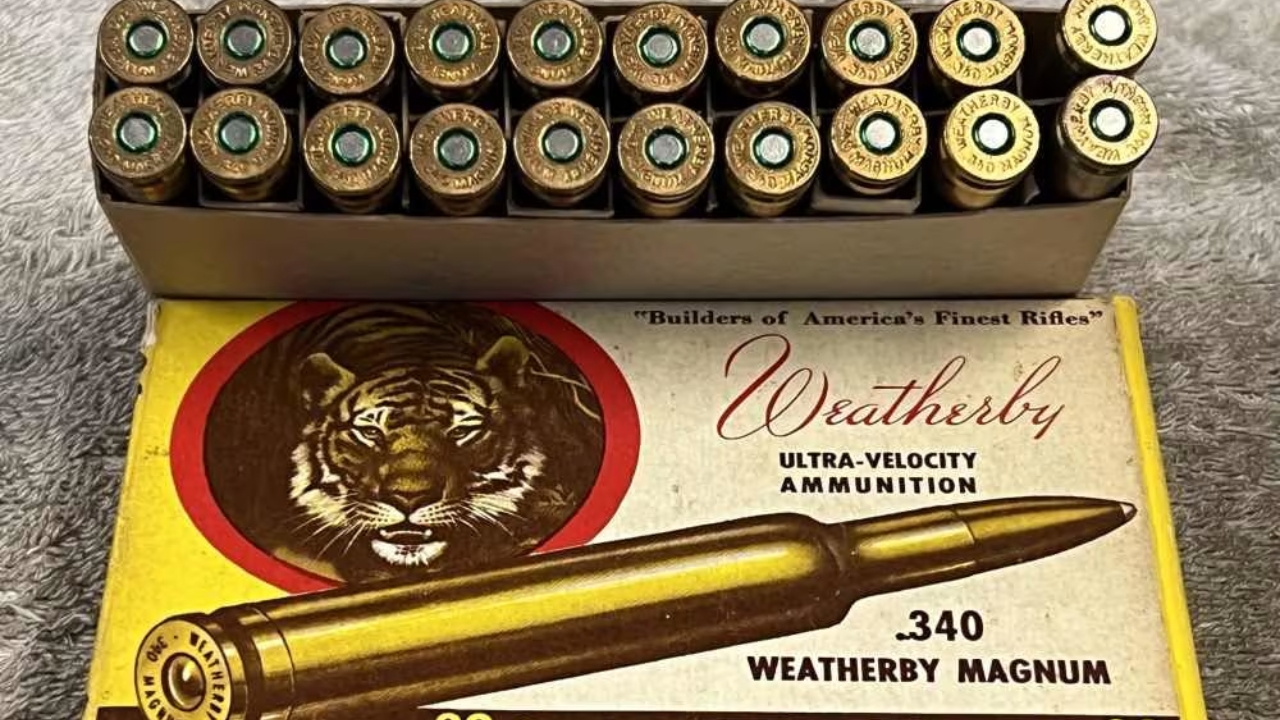
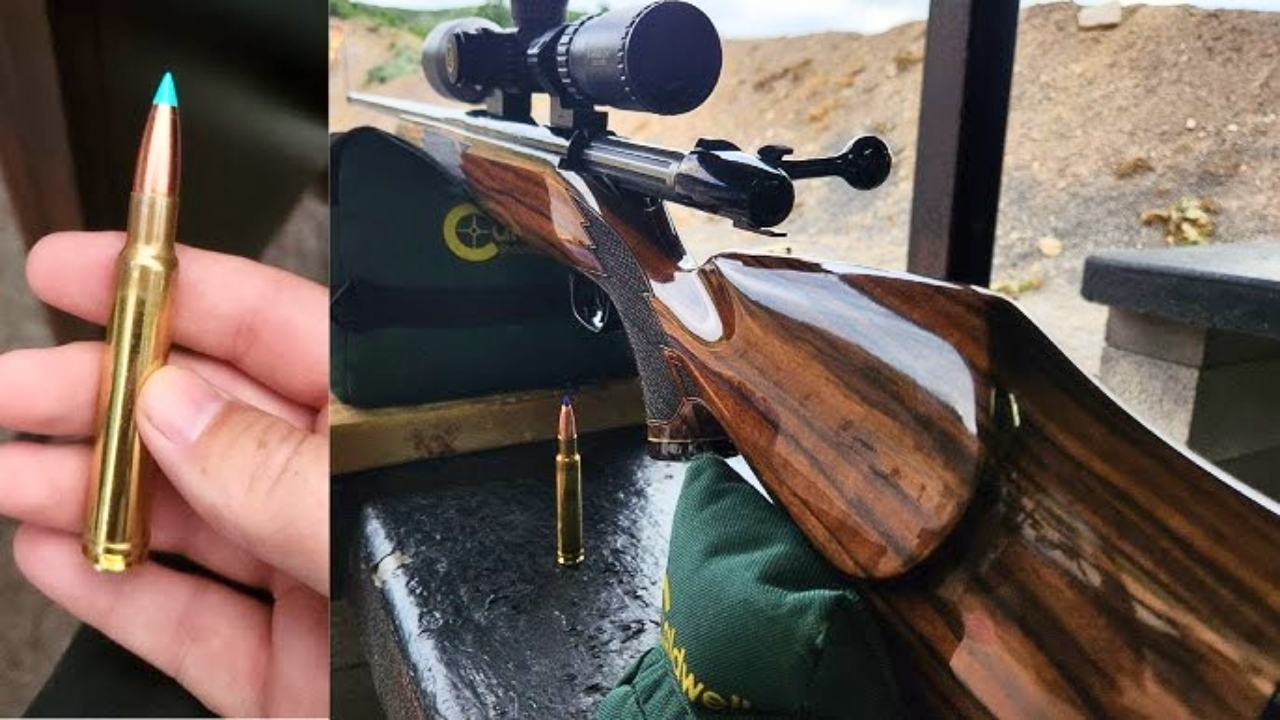
This is another cartridge that can do serious work, but it’s easy to buy without understanding what you’re signing up for. Recoil is stout, ammo costs are high, and it’s a cartridge that rewards a shooter who actually trains with it. Many hunters buy it for “elk power” and then find out the hard way that “elk power” doesn’t mean much if you’re flinching or rushing shots. It’s also not as common on shelves as mainstream options, which pushes regret when you can’t easily replace your chosen load. If you hunt big game every year and you shoot well, it can be great, but casual buyers often end up hating their own rifle.
.338 Winchester Magnum
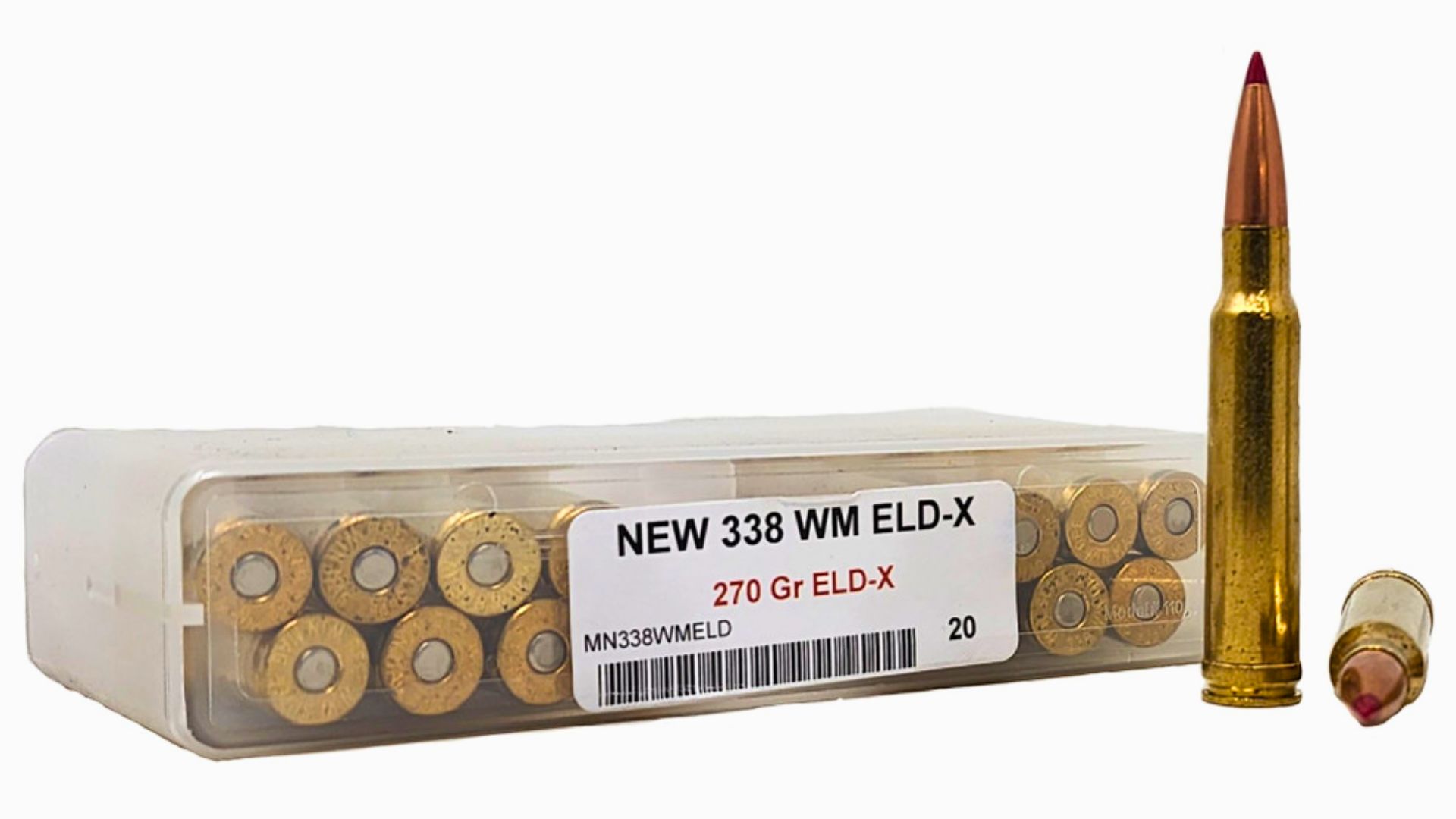
.338 Win Mag is a proven big-game cartridge, but regret shows up when people buy it for deer or buy it because they think they need it “just in case.” In many rifles, recoil is enough to change how you shoot unless you commit to practicing, and most people don’t. If your main hunting is whitetails at normal distances, you’re paying recoil and cost for no real advantage. Some guys also buy lightweight .338 rifles thinking they’ll carry easier, and then they realize they built a recoil machine that they don’t enjoy. The cartridge isn’t the problem; the mismatch between cartridge and actual hunting needs is what creates regret.
.300 Winchester Magnum

This one is common, and that’s why it’s also a common regret buy. It has real capability, but it’s often purchased by newer shooters who think “magnum” equals better results. Recoil isn’t insane, but it’s enough that it exposes bad form fast, and the muzzle blast can make practice unpleasant without ear protection habits that are non-negotiable. People regret it when they realize they shoot a .308 or 6.5 Creedmoor more accurately and more confidently. The cartridge will absolutely kill, but confidence comes from hitting well, and many shooters simply don’t train enough with .300 Win Mag to benefit from what it can do.
.375 H&H Magnum

It’s legendary, and it’s also a classic example of a cartridge that gets bought because it feels like owning a piece of history. For the average deer hunter, it’s unnecessary, and it comes with recoil and rifle choices that don’t fit normal whitetail hunting. Regret shows up when the owner realizes he doesn’t want to practice with it much, and he doesn’t want to carry it all day, and ammo isn’t something he grabs casually on the way to camp. If you hunt big animals in big places, fine, but for most people it becomes an expensive safe queen that they don’t really use.
.416 Rigby
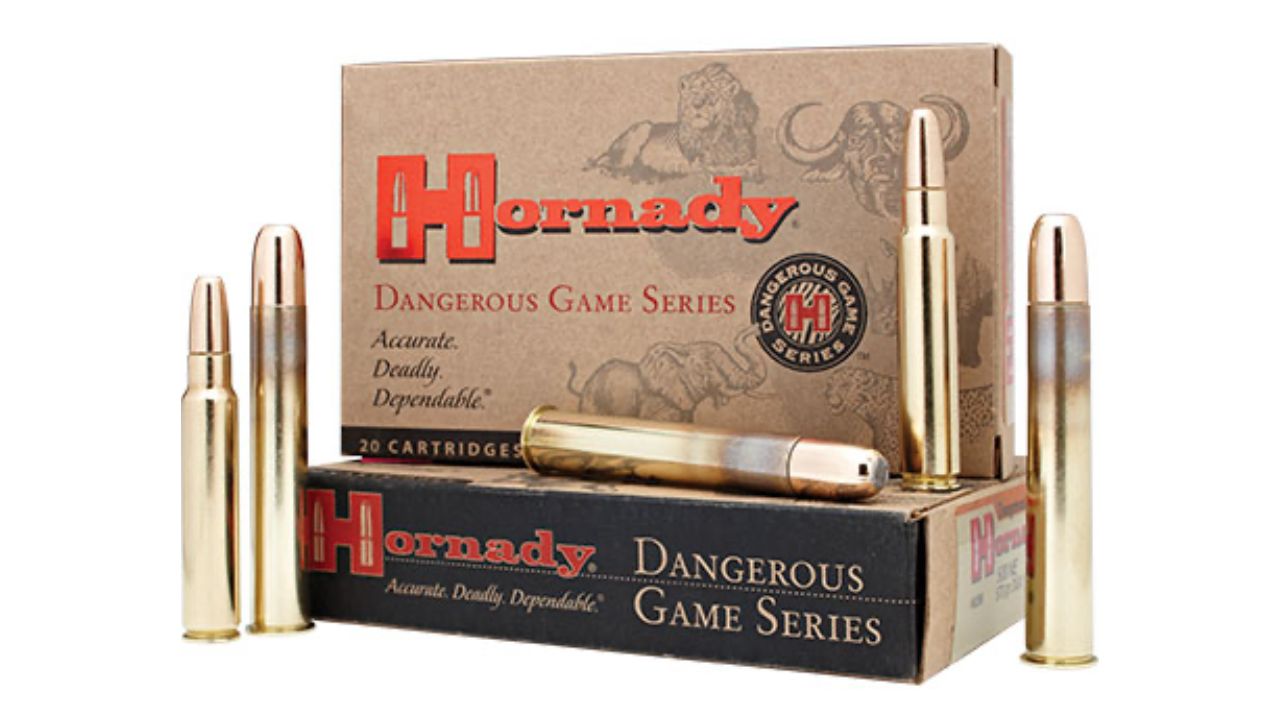
This is a true dangerous-game cartridge that some guys buy because they want the biggest thing they can own. The regret is immediate for most people, because it’s heavy recoil, heavy rifles, expensive ammo, and absolutely no practical advantage for typical hunting. Even if you can handle the recoil, you’re still dealing with a platform that’s not built for walking around the woods for deer. It becomes a novelty, and novelty wears off once you realize you could have put that money into a rifle you actually shoot often and shoot well. “Power” is only useful if you can apply it consistently and responsibly.
.458 SOCOM
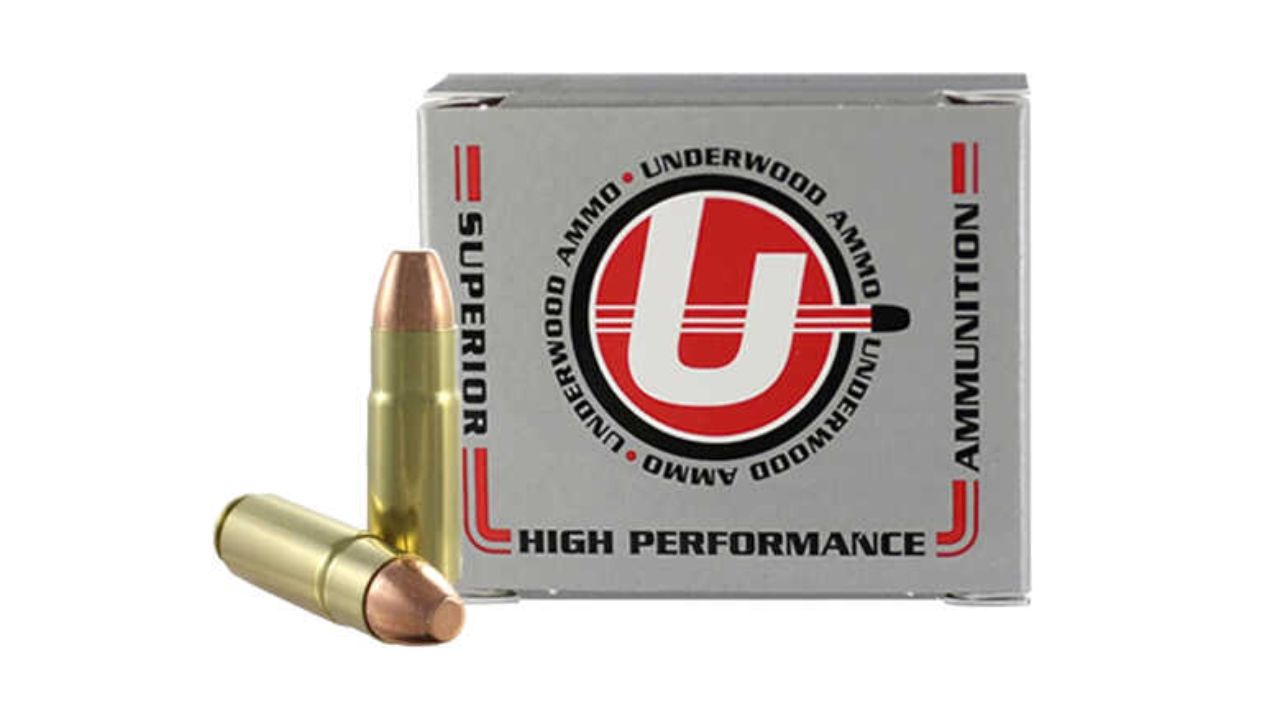
.458 SOCOM is fun, and it also creates regret when people buy it thinking it’s a long-range sledgehammer. It’s not. It’s a heavy-bullet, moderate-velocity cartridge that shines inside its intended distances, and outside that window it drops fast and demands serious dope and discipline. Ammo can be expensive, and availability can be spotty depending on where you live. The recoil impulse in an AR can also surprise people. If you buy it for the right reasons—close-range hunting, brush, specialized use—it can be great, but people regret it when they expected it to behave like a flat-shooting rifle cartridge.
.50 Beowulf

Same story as other big-bore AR cartridges: it’s easy to buy because it sounds like raw power, and then reality hits. Trajectory is not forgiving, ammo is expensive, and the practical hunting range is limited compared to what many buyers imagine. The recoil and blast can make it less pleasant to practice with, and limited practice turns into limited confidence. A lot of regret buyers are really looking for a deer cartridge that’s legal in straight-wall states, and they end up with a specialty round that costs more and complicates more than it solves. If you want a fun niche setup, fine, but it’s not an all-purpose answer.
.45-70 Government

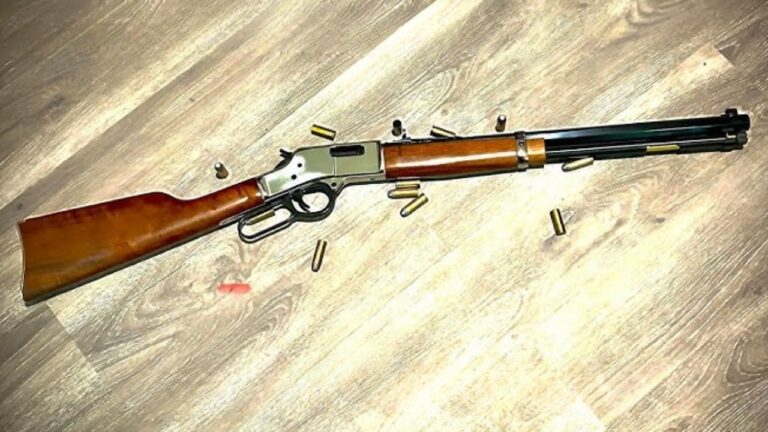
.45-70 is an excellent cartridge inside its lane, but regret comes when people buy it expecting long-range performance because the bullets are heavy and the cartridge has a tough reputation. Heavy doesn’t automatically mean long range, and drop becomes very real very fast as distance stretches. If you run it in a light lever gun with hot loads, recoil can also get unpleasant, which leads to less practice. When it’s used the way it’s meant to be used—woods hunting, moderate distances, correct sights—it’s outstanding. When it’s bought as a “reach out and touch it” deer rifle, the disappointment shows up quickly.
12-gauge slugs

Slugs absolutely kill deer, but regret comes when people convince themselves slugs are a simple substitute for a rifle at longer distances. Recoil is heavy, follow-up shots are slower, accuracy can vary wildly between guns and slug types, and trajectory drops hard compared to a rifle cartridge. Some shotguns shoot slugs very well, especially with rifled barrels and the right ammo, but many setups never get properly tested because slug practice isn’t fun and it isn’t cheap. That leads to a lot of “I hope this works” shooting during deer season. Slugs are effective, but they demand honest range limits and actual range time, and that’s where regret buyers fall short.
10mm Auto (as “rifle power” in a sidearm)
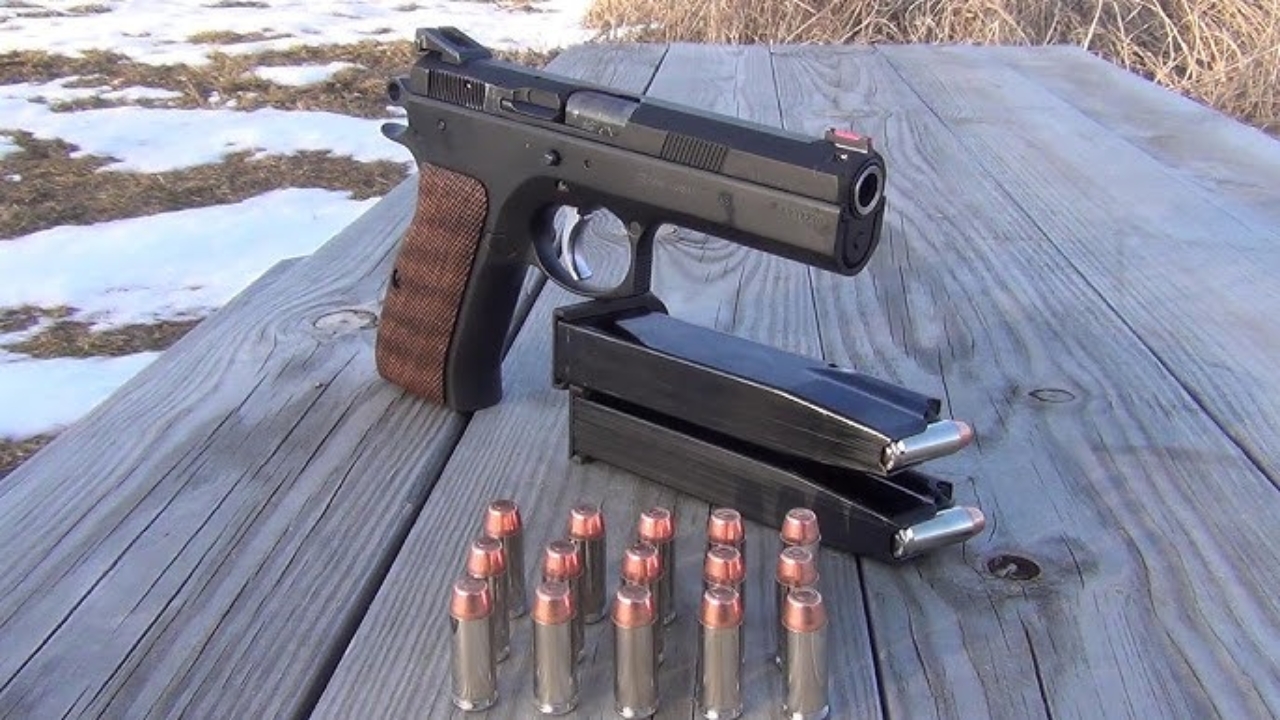
10mm has become the answer to everything for some people, and that’s where regret creeps in. It’s a solid cartridge, but it’s still a handgun cartridge, and its effectiveness depends heavily on bullet choice, barrel length, and realistic expectations. People buy it thinking it turns a pistol into a hunting rifle or a guaranteed bear-stopper, then they realize recoil slows their follow-up shots, ammo costs add up, and they don’t shoot it as well as they shoot a 9mm. The regret isn’t that 10mm is useless, it’s that some buyers are trying to use it as a substitute for skill, practice, or the right tool for the job.
Like The Avid Outdoorsman’s content? Subscribe to our newsletter so you never miss an article.
Here’s more from us: