Photo credit: WHO_TEE_WHO/YouTube
Cartridge marketing is built to make you feel like you’re missing out. Flatter. Faster. “Hits harder.” “More efficient.” The truth is, a lot of rounds look amazing on a chart and then feel underwhelming in real hunting—because the average hunter isn’t shooting the distances, targets, or conditions the ads are built around.
.224 Valkyrie
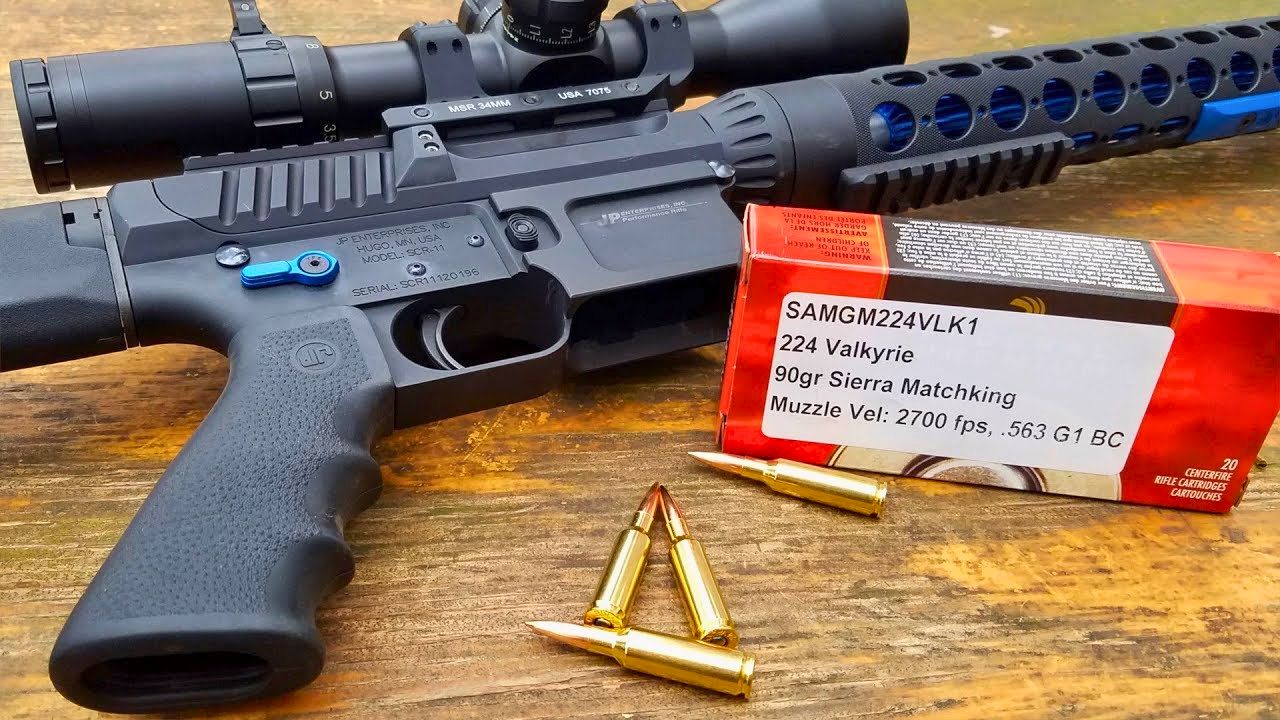
The Valkyrie got pitched as the answer to long-range AR shooting, but a lot of shooters found the real-world payoff didn’t match the hype. It can shoot well, but consistency depends heavily on barrel quality and ammo, and it never became the no-brainer “easy button” people expected.
It also got squeezed by reality: if you want true long-range performance, many shooters end up moving to an AR-10 cartridge. If you want practical use, a standard 5.56 still does a lot for less money and less hassle.
.17 WSM

On paper, the .17 WSM looks like a rimfire laser. In the field, it can be finicky about ammo, loud for what it is, and surprisingly picky about what your rifle likes. Some rifles shoot it great. Some don’t, and that inconsistency kills the “marketing magic” fast.
It’s also not the all-purpose small-game solution some people imagine. Wind plays games with light bullets, and when the conditions aren’t perfect, you learn quickly why centerfire .17s and .22s still exist.
.204 Ruger

The .204 is fast and flat, and it absolutely smokes varmints in ideal conditions. But the marketing often skips the part where wind becomes your constant enemy, and bullet selection isn’t as forgiving as more common .22 caliber options.
A lot of hunters end up feeling like it’s a specialist that got sold like a do-it-all predator round. For many shooters, .223 Remington delivers more practical results with better ammo availability and less “perfect conditions” dependency.
.350 Legend

The .350 Legend gets marketed like it’s a straight-wall cheat code. It works well inside its lane, but the hype often makes people think it’s a 200–250 yard hammer that hits like a traditional deer cartridge. In real life, it drops quicker than folks expect and bullet performance can vary a lot.
It’s a good tool for the right states and the right ranges. The disappointment shows up when people treat it like a .308 replacement and then wonder why the results don’t match the story.
.450 Bushmaster
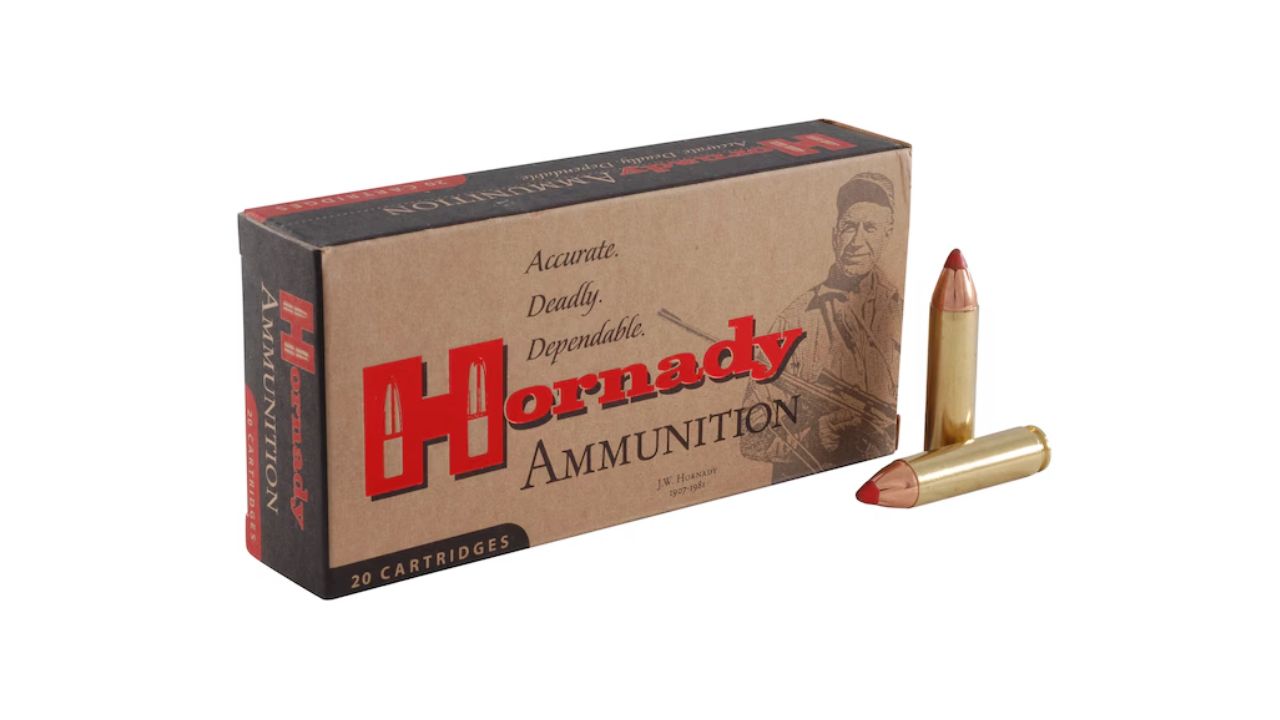
The marketing makes it sound like a freight train that solves everything. It is a hard hitter—up close. Past its comfort zone, trajectory gets ugly fast, recoil is real, and a lot of hunters realize they’re not gaining much compared to other options unless they truly need a straight-wall round.
If you don’t practice, it’ll humble you. Many “bad experiences” with .450 come from range optimism and lack of reps, not from the cartridge being weak.
.300 AAC Blackout

Blackout advertising loves the “do everything” vibe. In real life, it’s a short-to-mid range tool that shines in specific setups. Once you push it beyond that, velocity drops, expansion becomes less predictable, and it starts feeling like you’re forcing it to do a job it wasn’t built for.
It can be fantastic with discipline and the right ammo. But if you bought it expecting “like a .308 but quieter,” you learned the hard way that marketing loves oversimplifying.
6.8 SPC II

The 6.8 has real strengths, but it got sold as the AR cartridge that would replace everything. It didn’t. Ammo availability and cost have always been part of the story, and many shooters found the performance gain over 5.56 wasn’t enough to justify living in a less-supported ecosystem.
It’s a solid round in the right role. The “doesn’t deliver” feeling usually comes when people expect it to be a universal upgrade instead of a niche improvement.
6.5 Grendel

Grendel got pushed as “long range from an AR-15,” and it can absolutely do that—again, with the right barrel and the right ammo. The real-world letdown is that it’s not cheap to feed, and many rifles don’t run it as smoothly as a standard 5.56 setup without tuning.
A lot of shooters end up realizing they bought a cool concept that costs more, requires more attention, and doesn’t match the simplicity they wanted from an AR-15.
.30 Super Carry

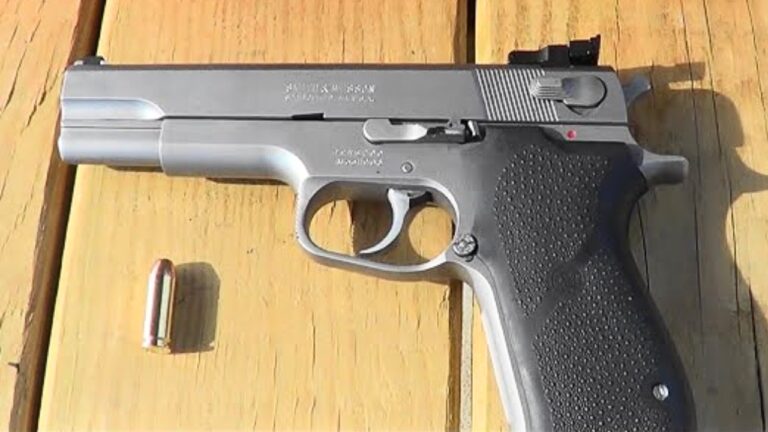
The .30 Super Carry got pitched like a capacity revolution. In real life, most people didn’t feel a big enough difference to abandon the ocean of 9mm ammo, parts, and support. And the “more capacity” story often depends on the exact pistol and magazine design.
It isn’t useless. It’s just one of those rounds where the marketing sounded bigger than the real-world benefit for most everyday shooters.
.327 Federal Magnum

The .327 is impressive and it has a legit place. The marketing sometimes makes it sound like the perfect “small revolver do-all,” but the real-world compromise is blast, noise, and ammo availability. It can feel spicy in lightweight revolvers, and it’s not always easy to find or afford.
A lot of people end up back at .357 or .38 because they want easier logistics, not a cartridge that needs a scavenger hunt.
.28 Nosler

This one gets sold as a long-range hunting rocket, and yes—it’s fast. The letdown is that it’s expensive to feed, hard on barrels, and for most hunters it’s more cartridge than they’ll ever use. If you’re not actually shooting long range with real practice, you’re paying for performance you’re not accessing.
The “marketing miss” is when it gets presented like a smart default option. It’s not a default. It’s a specialty tool.
6.5 PRC

The 6.5 PRC is a strong cartridge, but it’s often marketed like it’s an automatic upgrade over 6.5 Creedmoor for the average hunter. In reality, many hunters don’t see a practical difference at normal distances that justifies higher recoil, higher ammo cost, and sometimes more finicky rifle behavior.
If you’re truly shooting farther and you’ve got the rifle setup for it, PRC makes sense. If you’re not, it can feel like paying more for bragging rights.
6.8 Western
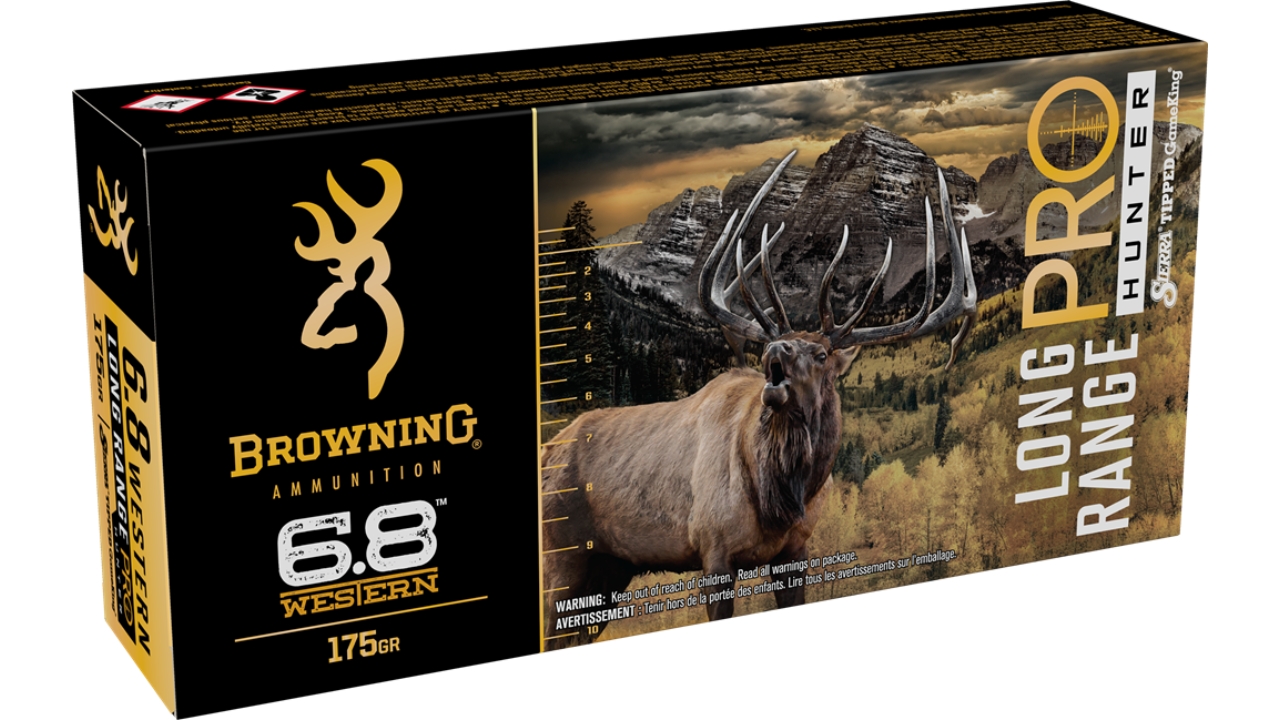
The Western got launched with big talk about modern efficiency and heavy-for-caliber performance. Then reality showed up: limited rifle options, limited ammo options, and a hunting world that already had plenty of cartridges doing the same job well.
It may age into something bigger, but early adopters often feel like they bought into a promise before the ecosystem caught up.
7mm PRC

This one has legit design strengths, but marketing has a way of making it sound like it instantly makes you a long-range hunter. Most people still need the same things: a rifle that shoots, a scope that tracks, a load that’s consistent, and a shooter who practices.
The cartridge can deliver. The disappointment usually comes when people expect the chambering to do the work they avoided doing at the range.
.458 SOCOM

The SOCOM is cool and it hits hard—but it’s often sold like it turns an AR into a do-everything thumper. Real life includes expensive ammo, a limited range window, and a setup that most people don’t train with enough to run well under pressure.
It’s a specialty cartridge for people who actually need that specialty. For everyone else, it becomes a loud, expensive novelty.
Like The Avid Outdoorsman’s content? Be sure to follow us.
Here’s more from us: