Photo credit: Gun Fanatics/YouTube
Some calibers need a whole speech. You have to explain the niche, the platform, the recoil tradeoff, the ammo situation, the barrel life, or why it only really shines if you handload, suppress, hunt one specific animal, or build the rifle around it just right. Then there are the other calibers. The ones that still make sense the second you say the name.
That is what this list is built around. These are rounds that keep solving real-world problems without needing a long defense first. They are useful, familiar, practical, and still easy to understand whether you are talking about hunting, carry, range time, training, or field use. Here are 15 calibers that still do the job without asking for an explanation.
12 gauge
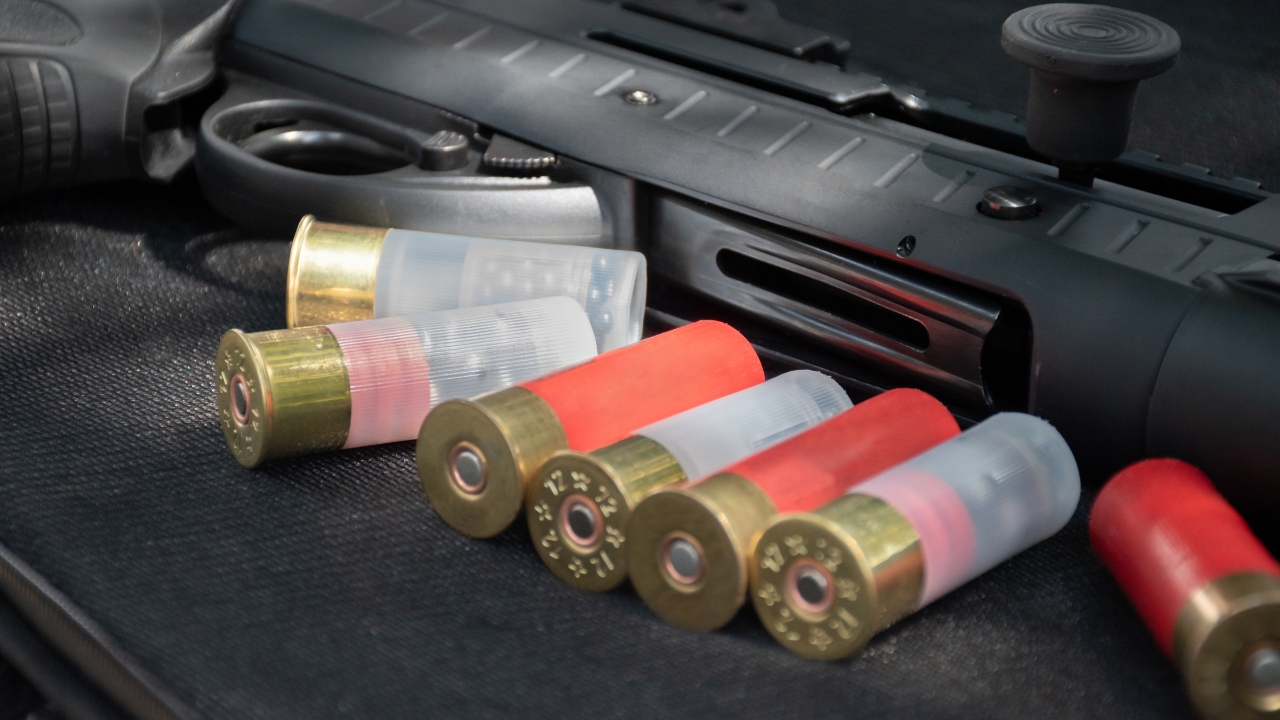
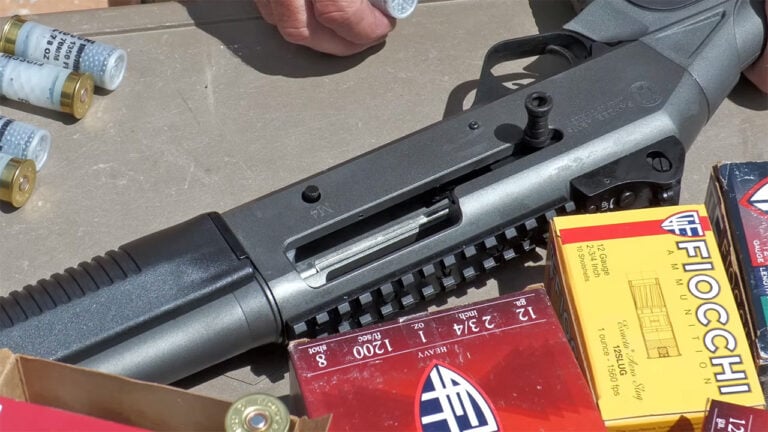
The 12 gauge still solves problems because it covers more real-world shotgun jobs than almost anything else. Birds, buckshot, slugs, clays, home defense, and general-purpose field use all still live comfortably inside its lane. Nobody has to hear a big theory first. People already know what it does.
That is the strength of a caliber like this. It is not trendy. It is simply broad enough and proven enough that it keeps making sense no matter what kind of shotgun conversation you are having. There is a reason people keep coming back to it whenever they want one shotgun that can really do the work.
.22 Long Rifle

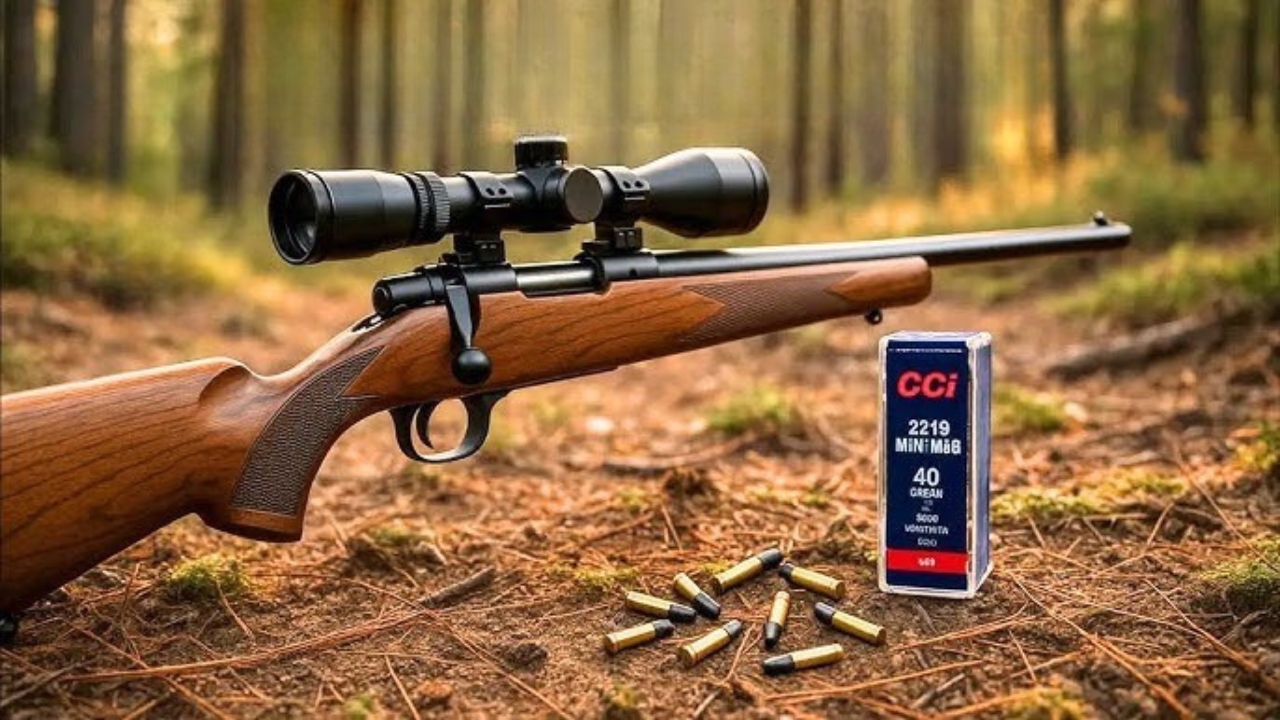
The .22 LR still solves problems because cheap shooting, skill-building, small-game use, and low-recoil practice never stopped mattering. You do not have to justify it. If somebody wants to shoot more, spend less, or teach a new shooter without turning the whole day into a chore, the answer is still sitting right there.
That is why it remains one of the smartest rounds on earth. It is useful in ways that never age out. A lot of fancy cartridges do one thing very well. The .22 keeps handling a whole list of ordinary shooting needs without needing hype or drama behind it.
9mm Luger

The 9mm still solves problems because it stays balanced. It is easy enough to shoot well, easy enough to carry in practical pistols, and widely available enough that people can actually train with it instead of just talk about it. That combination is hard to beat.
That is also why nobody really needs the long explanation anymore. The round works for carry, home defense, range use, and duty-type roles with very little fuss. People can argue online all they want, but in the real world 9mm still keeps solving the exact problems most handgun owners actually have.
.38 Special

The .38 Special still solves problems because manageable recoil, straightforward revolver use, and plain dependable shooting are still worth something. It remains one of the easiest centerfire handgun rounds to live with, especially for people who want simplicity without feeling undergunned.
That kind of usefulness does not need a sales pitch. A round that works in practical revolvers, stays comfortable enough for real practice, and still covers defensive and range roles with honesty will always make sense to a lot of shooters.
.357 Magnum

The .357 Magnum still solves problems because it gives shooters real flexibility. In a revolver, it offers serious authority. In a lever gun, it becomes an extremely practical short-to-medium-range field round. And the ability to shoot .38 Special alongside it only makes the whole package smarter.
That is exactly why this caliber never needs much explaining. It is powerful enough to matter, common enough to be practical, and versatile enough to keep showing up in useful guns. People understand it because it keeps proving itself in more than one role.
.45 ACP

The .45 ACP still solves problems because full-size fighting pistols are still a thing, suppressor use still matters to some shooters, and plenty of people still shoot a .45 very well. The round has enough real-world credibility that nobody needs to stand there and invent a complicated reason for why it exists.
That is the key. It remains useful without needing to be fashionable. The .45 ACP still handles serious handgun work in a very direct, very familiar way, and that kind of plain usefulness tends to outlive arguments.
.380 ACP

The .380 still solves problems because easy carry and low-profile pistols are not theoretical needs. They are everyday needs. A cartridge that helps keep handguns small enough to actually carry, while remaining shootable enough for many owners to trust, is going to stay relevant.
That is why the round still makes sense without a long debate attached. It fits the kind of role people either need or they do not. If they do, the explanation is already over. The caliber solved the problem the moment the pistol slipped into a pocket or disappeared on a belt.
.223 Remington / 5.56 NATO
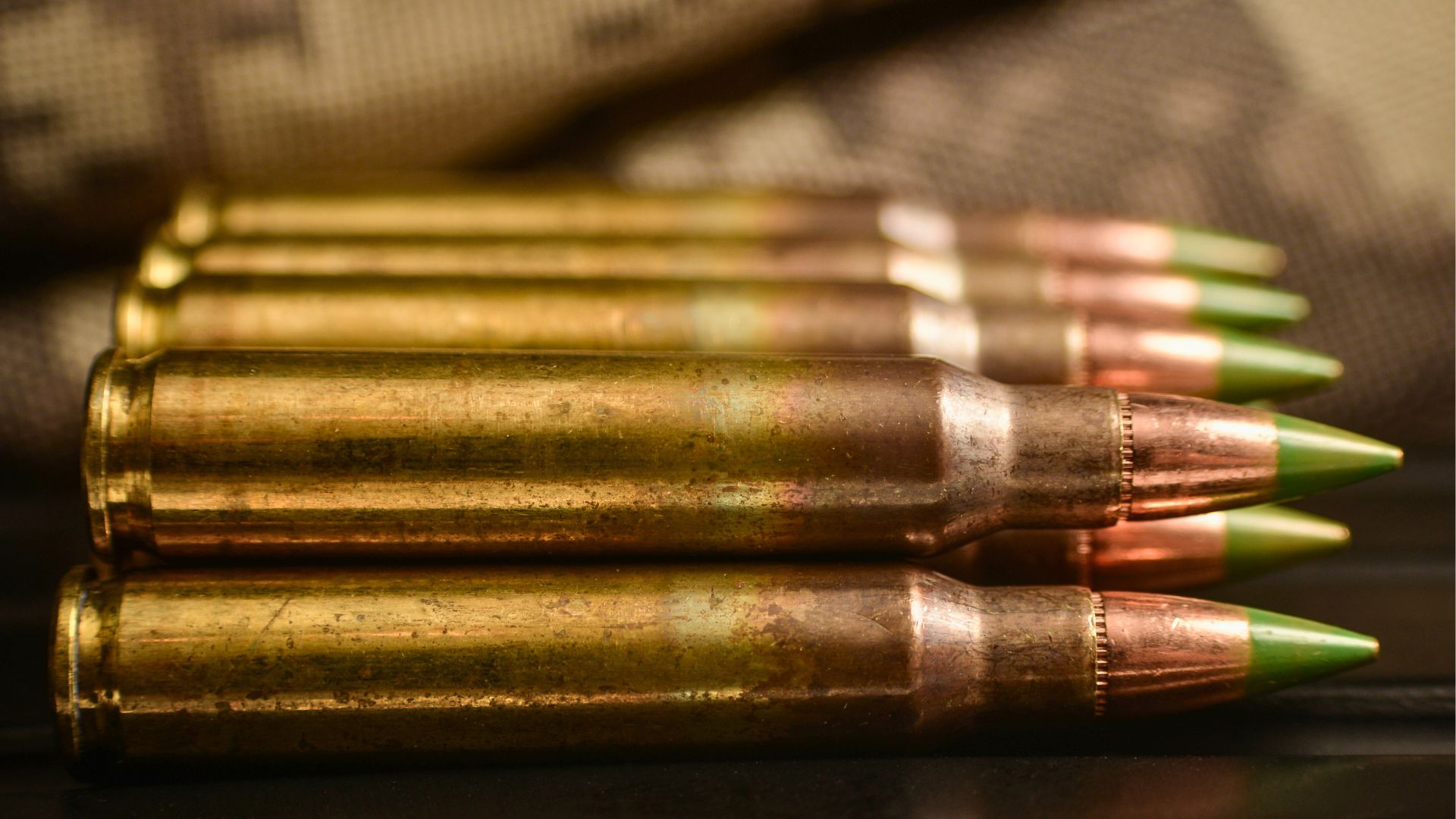
This family still solves problems because light recoil, broad rifle support, affordable training potential, and practical utility all still matter. It works for range use, general-purpose carbines, varmints, predators, and skill-building in a way very few rifle rounds match this cleanly.
That is why it keeps surviving every “replacement” conversation. Most shooters do not need a cartridge with a five-minute explanation attached. They need one they can buy, shoot, trust, and build around easily. .223 and 5.56 still cover that ground better than most.
.243 Winchester

The .243 still solves problems because too many shooters do better with less recoil, not more. That remains true whether people want to admit it or not. It still gives hunters a practical deer-and-varmint crossover round that does not punish them for practice.
That is why it stays so useful. If a cartridge helps people shoot accurately, stays easy enough to live with, and still brings enough field performance for real game inside its lane, it does not need much explanation. The results explain it just fine.
.270 Winchester

The .270 still solves problems because it remains one of the cleanest deer-and-antelope hunting answers ever built. It shoots flat enough, hits hard enough, and stays familiar enough that people do not need to overthink it. You zero it, hunt with it, and trust it.
That kind of clarity is rare. A lot of hunting rounds come wrapped in niche arguments now. The .270 still mostly avoids that. It keeps doing a very real job with very little fuss, which is why it continues making immediate sense to so many hunters.
.30-30 Winchester
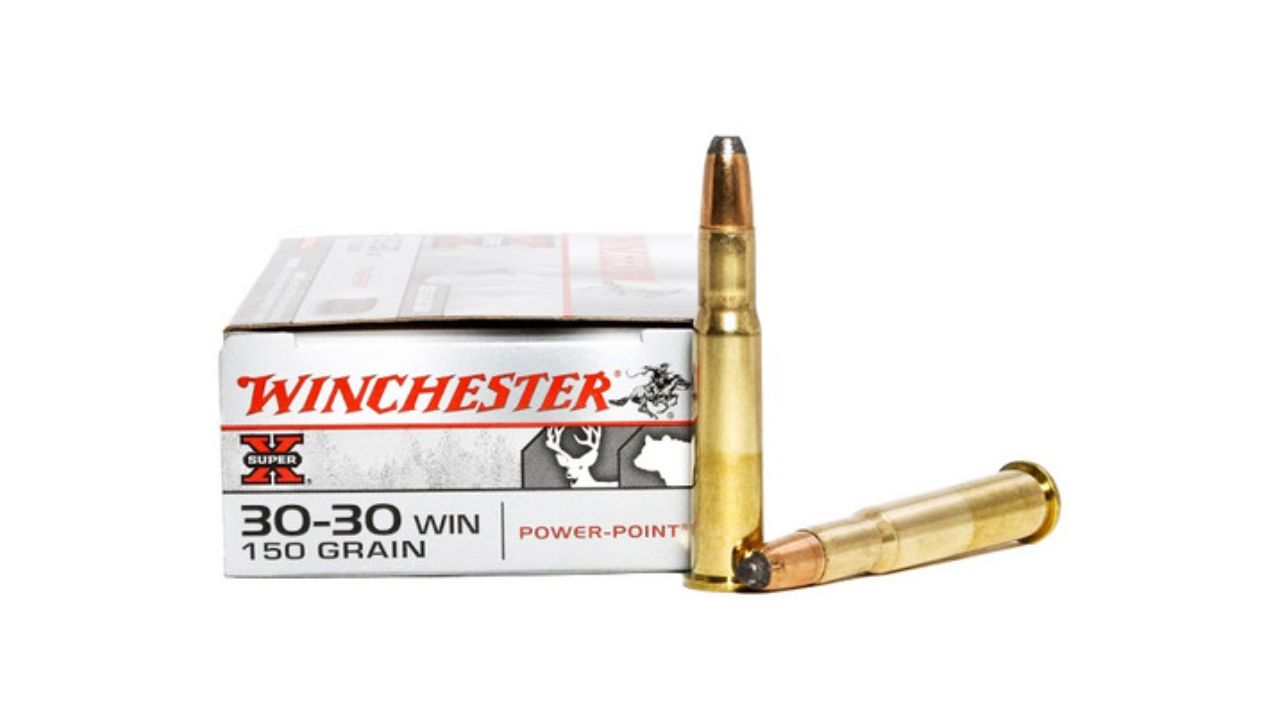
The .30-30 still solves problems because woods hunting never disappeared. Quick handling, short-to-moderate-range effectiveness, and practical lever-gun use still matter every fall whether the internet notices or not. It is still one of the easiest answers for deer in the sort of country where many deer actually get hunted.
That is why people do not need a long explanation for it. The second you picture brush, timber, or a fast-handling rifle in real hunting country, the .30-30 already makes its case. It is old, yes. It is also still very practical.
.308 Winchester

The .308 still solves problems because it remains one of the simplest centerfire rifle answers a person can give. Hunting, target shooting, semiauto use, bolt-action use, practical range work, and broad ammo availability all still sit comfortably in its lane. It is one of the easiest cartridges to build a rifle life around.
That is what makes it so durable. It does not need a niche story or a precision-marketing speech. It is accurate, capable, and practical in too many useful places to fade out of relevance. People trust it because it keeps making their choices easier.
.30-06 Springfield
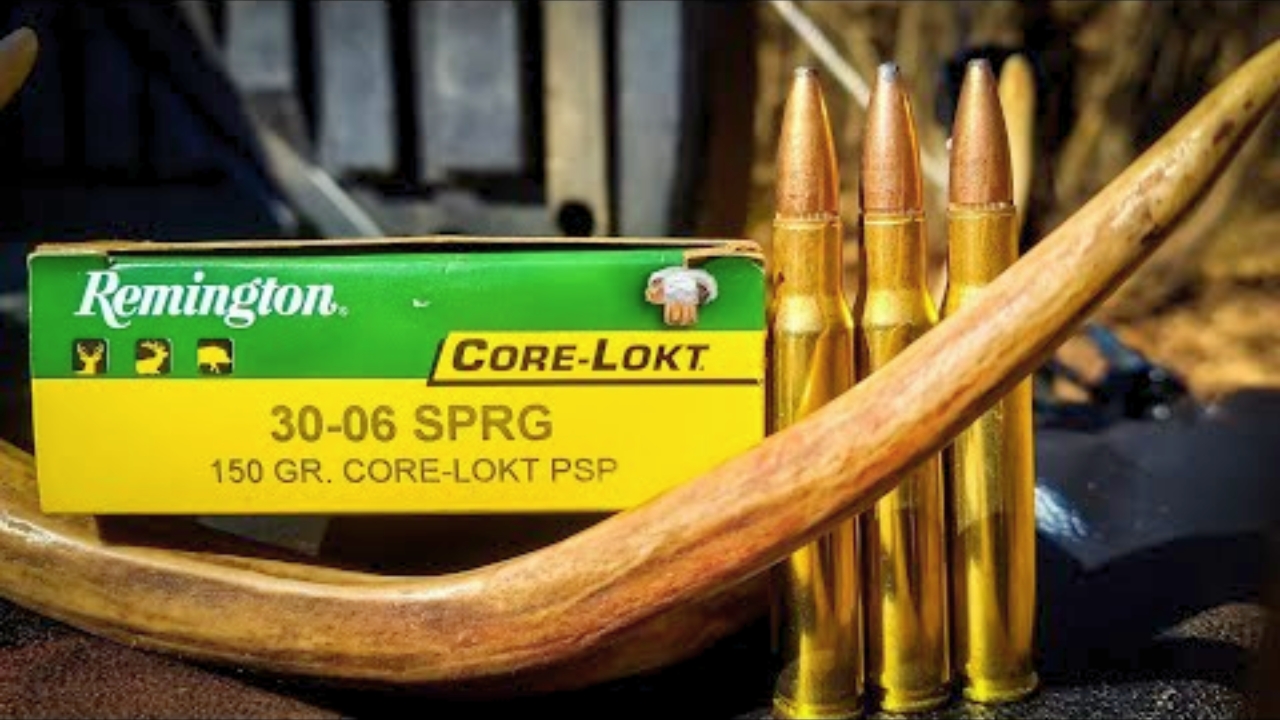
The .30-06 still solves problems because one-rifle hunting logic never fully went away. A cartridge that can handle a wide spread of bullet weights and game types without forcing a shooter into some narrow specialization is always going to stay useful.
That is why it still makes immediate sense. Somebody wants one serious hunting rifle and does not want to keep second-guessing the choice? The .30-06 still answers that with very little ceremony. It has been doing that for a long time, and the basic logic has not changed.
.45-70 Government

The .45-70 still solves problems because some jobs still call for a hard-hitting rifle at sane distances. Big-bodied game, thick cover, strong impact, and lever-gun practicality all keep this round alive in a very straightforward way. It is not subtle, and that is part of the point.
You do not really need to explain it to people who understand where it fits. It still gives owners a blunt, proven answer for certain field roles, and it does so in rifles many shooters already like carrying. That is enough.
7.62x39mm

The 7.62×39 still solves problems because moderate-range centerfire performance in compact, practical rifles remains a very real need. It is easy to understand, easy to use, and still gives shooters enough punch for a lot of ordinary rifle work without dragging them into something bigger or fussier.
That is why it keeps hanging around. Not because it is fashionable, but because it remains a believable answer for people who want a practical rifle cartridge that does not need a speech before it starts making sense.
Like The Avid Outdoorsman’s content? Subscribe to our newsletter so you never miss an article.
Here’s more from us: