
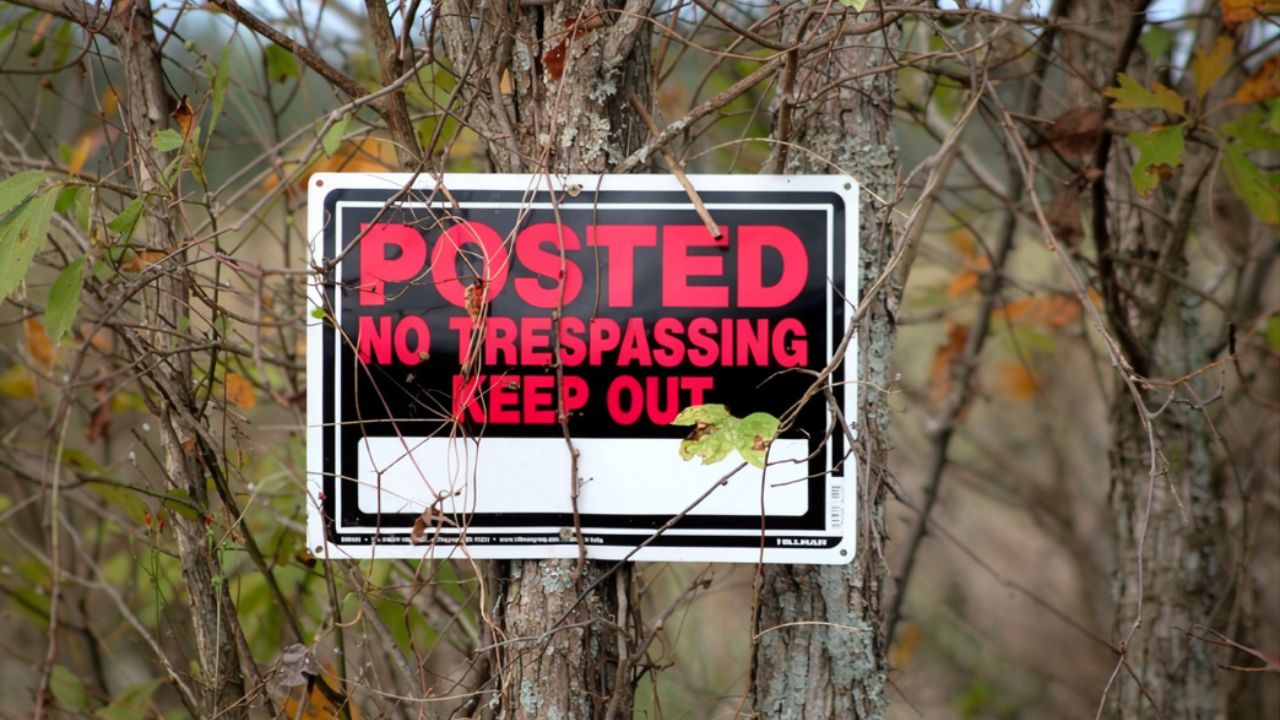
Photo credit: Valuemike/Shutterstock.com
Most hunters are pretty easygoing until someone crosses a line—literally. Then things get heated fast. And I get it. If someone’s on your land without permission, setting up where they shouldn’t be, or messing with your hunt, it feels personal. But the way you handle that moment matters more than most people realize. A bad reaction can turn a simple trespass into a bigger problem than it needed to be.
The hunters who deal with this best aren’t the loudest ones. They’re the ones who stay in control and handle it in a way that actually fixes something.
Getting confrontational too fast
The biggest mistake is rushing into a confrontation. Walking up angry, especially when the other person is armed, is not a smart move. You don’t know who you’re dealing with or how they’ll respond. What feels like standing your ground can turn into a situation that gets out of hand quickly.
Experienced hunters slow down first. They assess what’s actually happening, keep their distance, and think through their next step. That alone prevents a lot of situations from escalating.
Not paying attention to safety first
When someone’s trespassing, it’s easy to focus on the fact that they shouldn’t be there. But the bigger issue in the moment is safety. Where are they positioned? What direction are they facing? Are they aware you’re nearby?
If you don’t know those answers, you’re already in a risky setup. Good hunters make sure they’re seen and understood as a person, not mistaken for game. Everything else comes after that.
Trying to handle everything yourself
A lot of people think they need to solve the problem right then and there. That usually leads to more trouble. If it’s a serious situation—repeat trespassing, unsafe behavior, or clear violation—there’s a reason game wardens and local officers exist.
Letting the right person handle it gives you a cleaner outcome. It also creates a record if it keeps happening, which matters more than people think.
Not documenting what actually happened
Another mistake is reacting without gathering anything useful. No photos, no notes, no details—just frustration. Then later, when it needs to be reported or addressed, there’s nothing solid to back it up.
Even simple things help. Vehicle, direction of travel, where they entered, what they were doing. That turns a vague complaint into something actionable.
Letting ego take over the situation
This one shows up a lot, especially on public land. Someone crowds your spot or crosses where they shouldn’t, and now it turns into a battle of who’s right. The problem is, that mindset usually ruins the hunt for both sides and doesn’t fix anything.
Good hunters don’t waste time trying to “win” those moments. They stay practical. If the situation is unsafe or blown, they move on and keep control of the day.
Ignoring how the person got in
If someone is on your land, there’s a reason they got in easily. Maybe it’s a weak fence line, an open gate, or a spot that isn’t clearly marked. A lot of hunters deal with the person but ignore the access point.
That’s why the same problems show up again. If you don’t fix how they got in, someone else—or the same person—is going to use it again.
Making it bigger than it needs to be
Not every trespass situation needs to turn into a full-blown conflict. Some are honest mistakes. Some are bad judgment. Some are repeat problems that do need to be handled firmly.
The mistake is treating all of them the same way. The better approach is reading the situation, staying levelheaded, and choosing the response that actually makes sense for what’s happening.
The hunters who handle it best stay in control
At the end of the day, dealing with trespassers is part of hunting long enough, especially on shared or pressured land. The hunters who handle it best don’t let one bad situation take over the whole day.
They stay aware, stay calm, and make decisions that protect themselves and their hunt moving forward. That’s what actually keeps things from turning into something worse than it started.
Like The Avid Outdoorsman’s content? Subscribe to our newsletter so you never miss an article.
Here’s more from us:


