“Collector” pricing has a funny way of sliding from history into fantasy. Some guns are expensive because they’re rare, tied to a real moment in time, or built to a level you don’t see anymore. That part makes sense. Where it goes sideways is when the price starts reflecting internet mythology more than what the gun actually gives you in hand.
If you’re buying to shoot, carry, hunt, or train, a lot of famous collector pieces are overpriced for what they do. You’re paying for the story, the rollmark, the vibe, and the bragging rights. None of that is wrong—if that’s what you want. The issue is expecting collector prices to translate into better performance, better reliability, or better results downrange.
These are “collector” guns that often bring big money, even though a modern alternative will usually shoot easier, run longer, and cost a lot less.
Colt Python

The Python is gorgeous, and the name alone makes wallets open. The problem is that most people paying top dollar aren’t getting a better working revolver than other quality .357s. You’re buying the look, the legacy, and the crowd reaction, not a magical advantage on target.
A Python also isn’t the carefree range beater many people imagine. Timing and lockwork matter on any revolver, and a high-dollar collectible makes you baby it. If you want a shooter, you can get a current-production .357 that you won’t stress over, then spend the difference on ammo and practice. The Python earns its place in gun history, but the price often outruns the reality.
Colt Single Action Army

The Single Action Army is a piece of American mythology you can hold. That’s also why it gets priced like a museum artifact, even when you’re looking at a modern production gun with modern compromises. For most shooters, it’s not giving you anything you can’t get elsewhere for far less.
On the range, it’s fun, but it’s also slow to load and slow to run, and the sights can be tough for practical accuracy. If your goal is field carry, trail use, or range time, plenty of single-actions will scratch the itch without the “Colt tax.” The SAA is collectible because it represents something bigger than itself, not because it outperforms.
Luger P08

A Luger looks like it belongs in a glass case, and that’s how many owners treat it. Collector pricing often ignores the reality that the toggle-lock system can be ammo-sensitive, maintenance-sensitive, and far less forgiving than modern pistols. You’re paying for history, not an easy shooter.
When you do shoot it, you may find it points differently than you expect, and the ergonomics don’t feel natural for everyone. Magazines, parts, and originality concerns also push people into “don’t touch it” mode. If you want a 9mm range pistol that runs clean and shoots well all day, modern options are better tools. The Luger is an artifact first, firearm second.
Mauser C96 “Broomhandle”

The C96 has style for days, and the silhouette alone draws collectors. What it rarely delivers is comfort or practicality for the money. The grip is awkward, the controls are old-school, and the whole experience can feel more like operating a mechanism than shooting a pistol you’d choose today.
Collector value also turns every decision into stress. Original parts, matching numbers, and period-correct accessories drive the price, and that encourages safe-queen behavior. As a shooter, you’re often dealing with odd ergonomics and limited support compared to modern handguns. The C96 is fascinating and historically important, but when the price climbs into serious pistol territory, you’re paying for conversation value more than performance.
Walther PPK (pre-ban and vintage examples)
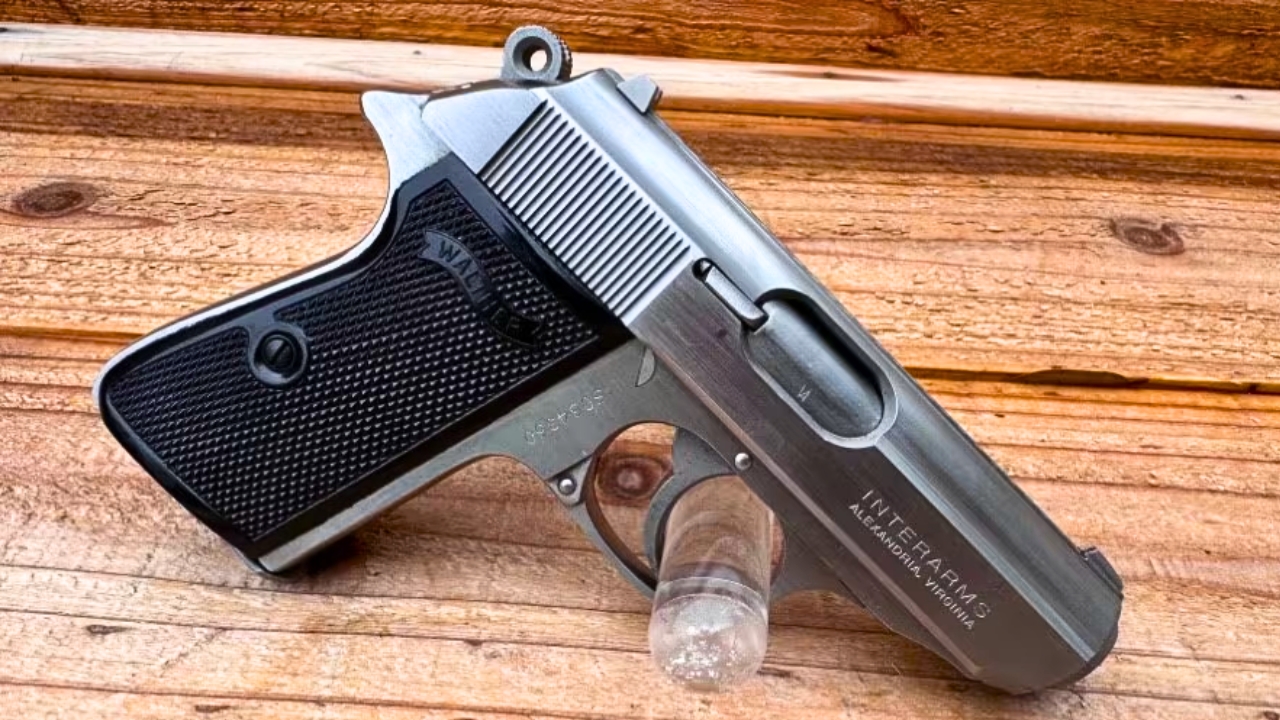
The PPK has movie-star fame, and that fame inflates prices well beyond what the gun offers as a shooter. Many vintage examples have sharp recoil for their size, a bitey feel in the hand, and sights that aren’t doing you any favors. Collector pricing rarely reflects how dated the shooting experience can be.
As a carry gun, it’s also outclassed by modern micro-compacts that hold more, shoot softer, and offer better sights and triggers. The PPK still has charm, and there’s nothing wrong with buying one for that reason. The disappointment comes when you expect the price tag to mean “great carry pistol.” Most of the time, you’re paying for the name and the nostalgia.
Browning Hi-Power (Belgian and early production)

A Hi-Power is a classic, and it feels great in the hand for many shooters. The collector market, though, often prices certain variants like they’re on another planet. You can easily end up paying modern premium-pistol money for a gun that still carries older design tradeoffs.
The factory sights and trigger on many examples won’t wow you, and some guns benefit from work that collectors don’t want you to do. You also have to think about wear parts and magazines if you intend to shoot it regularly. If your goal is a high-capacity 9mm you can run hard, plenty of current pistols do that better for less money. The Hi-Power is worth owning for what it represents, not because it’s the best value.
HK P7

The P7 is clever, weird, and undeniably cool. It’s also priced like a unicorn, and the collector premium often has more to do with scarcity and obsession than practical performance. You’re paying for the squeeze-cocker novelty and the HK mystique, not because it’s the easiest pistol to live with.
Shoot one for a while and you notice the heat. They can get uncomfortably warm during extended strings, and the manual of arms is something you either love or never fully trust under stress. Maintenance and parts availability can be another concern at today’s prices. The P7 is a fantastic collectible and a fun shooter in controlled doses, but the price often exceeds what most people get back in real use.
SIG Sauer P210 (classic variants)

The P210 has legitimate accuracy chops, and it’s built with care. Collector pricing, though, can reach levels that make you wonder what problem you’re solving. For most shooters, a modern quality 9mm can shoot tight groups without costing anywhere near P210 money.
The original-style P210 also isn’t designed around modern carry or hard training. Capacity is limited, controls are old-school, and you’ll hesitate to run it rough because every scratch feels expensive. If you want a target pistol experience, there are plenty of accurate guns that you won’t be afraid to use. The P210 earns respect, but when the price climbs into “two or three excellent pistols” territory, it’s a collector purchase more than a value purchase.
Colt 1911A1 (U.S. military examples)

Real U.S. military 1911A1s carry history, and that history drives serious prices. The issue is that people often confuse “historic” with “better.” Many service pistols were built for wartime needs, saw hard use, and won’t feel like a modern tuned 1911 on the range.
Originality is everything, which means you’re discouraged from changing anything that might improve function or shootability. You’re also dealing with collector concerns like finish wear, mismatched parts, and provenance. If you want a 1911 to carry or train with, modern production guns give you better sights, better consistency, and far less anxiety. A real USGI 1911A1 can be a cornerstone of a collection, but as a shooter-per-dollar, it often disappoints.
Winchester Model 70 (pre-64)

The pre-64 Model 70 has a loyal following, and it’s a great rifle in many ways. Collector pricing, though, can climb to the point where you’re paying more for the year than for how the rifle actually shoots. Plenty of them are accurate, but plenty are average, and you won’t know which you’ve got until you test it.
You also start making choices like a curator instead of a hunter. You hesitate to rebarrel, bed, or mount optics in a way that suits you, because originality drives value. If your goal is a dependable hunting rifle, there are modern bolt guns that will shoot tighter groups with less fuss. The pre-64 is a wonderful piece of rifle history, but the premium often buys pride of ownership more than field advantage.
Winchester Model 94 (pre-64 and desirable variants)

A clean pre-64 Model 94 can bring money that surprises people who remember them as working rifles. The collector premium often has little to do with how well a lever gun shoots at practical distances. You’re still dealing with iron sights, a hunting accuracy envelope, and a cartridge choice that limits range.
The bigger issue is that high prices can make owners treat them like fragile antiques, even though they were meant to be carried. You’ll see rifles that never get hunted because the finish is too pretty and the value feels too high. If you want a lever gun to shoot often, there are modern lever-actions and plenty of honest used 94s that won’t cost collector money. The fancy prices often reflect nostalgia more than capability.
Marlin 1895 (JM-marked examples)

JM-marked Marlins have become a currency of their own. Some are excellent rifles, but the market often prices the stamp more than the individual gun. You can end up paying a premium for a rifle that still might need a little tuning, a sight upgrade, or a smoother action to feel right.
As a hunting tool, a .45-70 lever gun is supposed to be used. Collector pricing pushes people toward safe-queen behavior, which is backwards for a rifle built for woods work. Modern production lever guns can run very well, and used non-hyped examples can be better deals than the internet would have you believe. The JM mark can mean quality, but it’s not a guarantee of perfection. Paying top dollar for a rollmark is often where the value breaks down.
Ruger Mini-14 (early and “collectible” variants)

The Mini-14 has charm and a loyal fan base, and certain older variants bring surprising prices. The problem is that “collectible” money can show up on rifles that still don’t shoot as well as many modern budget ARs. For a lot of buyers, the price is driven by nostalgia and looks, not performance.
Some Minis run great and some shoot “fine,” but the platform has never been the cheapest way to get accuracy and modularity. When collector pricing climbs, you’re paying for the idea of the Mini more than what it delivers on paper. If you want a ranch rifle that rides in a truck and handles rough use, a Mini can make sense. If you’re paying top-dollar collector prices expecting top-tier shooting results, it can disappoint.
Colt AR-15 SP1

The SP1 has real collector appeal because it looks like early American rifle history. That history also inflates prices far past what the rifle offers as a shooter compared to modern ARs. You’re often paying premium money for older features, older ergonomics, and less flexibility.
Collectors want originality, which means you’re discouraged from changing parts that would make the gun fit you better. You also end up babying a rifle that was meant to be used. If you want an AR to train with, modern rifles give you better rails, better barrels, and better parts support for less money. The SP1 makes sense as a period-correct collectible. It makes less sense as a “value” rifle when the price climbs into territory where you could buy a serious modern setup.
Remington 700 (early and “classic” variants)

Certain older Remington 700s are treated like holy relics, and prices can reflect that. The reality is that the 700 is a platform with a long history and wide variation. Some older rifles shoot great, some are average, and collector pricing often ignores that spread.
The other issue is that many people want to buy an old 700 and then build it into something else. Collector pricing punishes that plan, because the rifles that bring the most money are the ones you least want to modify. If you want a dependable hunting rifle that shoots well, plenty of modern bolt guns can do it with fewer compromises. A classic 700 can be a great rifle, but when it’s priced like a trophy, you’re paying for reputation more than measurable advantage.
SPAS-12

The SPAS-12 is famous, heavy, and priced like a pop-culture artifact. Collector pricing has little to do with how well it functions as a shotgun you’d choose for real work. It’s bulky, awkward compared to modern semi-autos, and the weight doesn’t automatically translate into a better shooting experience.
Parts, maintenance, and originality concerns also push owners into “don’t touch it” mode. You end up with a shotgun that costs a fortune and rarely leaves the safe, which tells you what the market is really buying. If you want a shotgun that runs hard and lives a long life, modern designs are lighter, smoother, and easier to support. The SPAS-12 is a collectible because it’s iconic, not because it’s a smart buy as a shotgun.
Like The Avid Outdoorsman’s content? Be sure to follow us.
Here’s more from us: