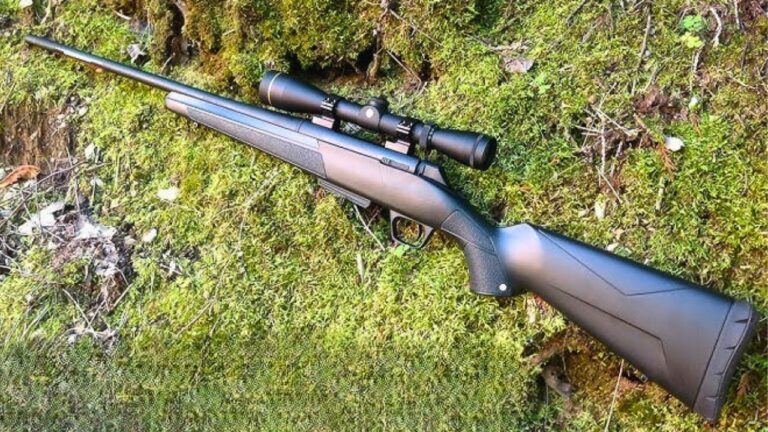
Photo credit: Leverguns 50/YouTube
Some guns stay expensive because they truly earn it. They offer real performance, real durability, or real collector value that holds up once the excitement wears off. Others get pushed way past reasonable pricing by hype, nostalgia, scarcity panic, or the simple fact that buyers keep convincing each other a certain name must still be worth whatever the tag says. That is where regret usually starts creeping in.
The worst part is that a lot of these guns are not terrible. Some are actually good. But good and overpriced are not the same thing, and plenty of buyers learn that too late. They pay for the legend, the trend, or the online chatter, then realize they could have gotten more gun, more usefulness, or more satisfaction for a lot less money. These are the guns that keep getting bought at inflated prices and then quietly moved along once reality sets in.
Colt Python

The Colt Python still pulls buyers in with one of the biggest names in the revolver world. People hear “Python” and immediately start thinking elite trigger, premium finish, and old-school prestige. That reputation is strong enough to make a lot of buyers stop asking the more important question, which is whether this particular revolver is actually worth what the seller wants.
That is where regret creeps in. Plenty of buyers pay a serious premium for the name and then realize they are handling a revolver they are almost afraid to shoot much, carry, or really enjoy. If the goal was to own an icon, fine. But if the goal was pure shooting value, a lot of people end up admitting they bought the legend first and figured out the math later.
Desert Eagle
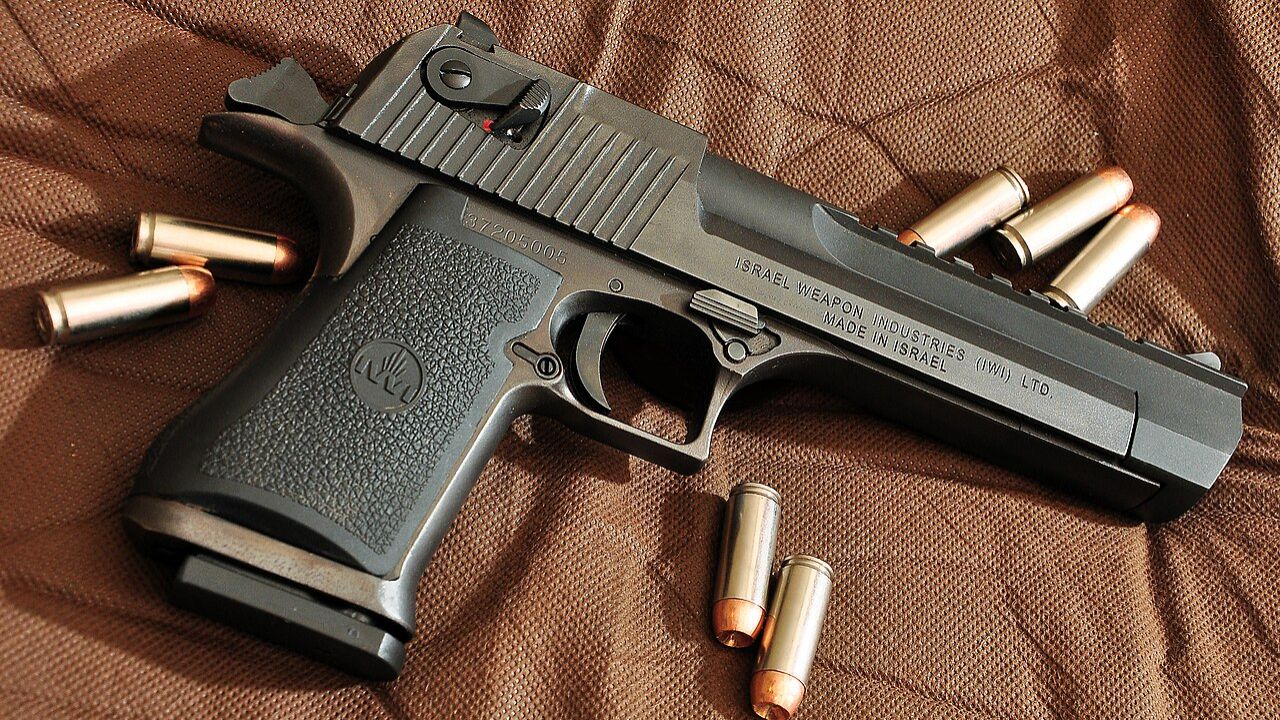
The Desert Eagle gets bought because it is famous, ridiculous, and instantly recognizable. That alone keeps prices strong. Buyers convince themselves they need one because it is the handgun everybody has seen, everybody talks about, and everybody imagines would be amazing to own. For a few range trips, that can even feel true.
Then the practical side shows up. It is huge, heavy, expensive to feed, and useful in almost no ordinary handgun role. That is when a lot of owners start realizing they paid a premium for novelty and bragging rights, not lasting value. It can still be fun, but fun becomes expensive fast, and a lot of buyers end up regretting just how much they spent to learn that lesson.
Springfield Armory M1A
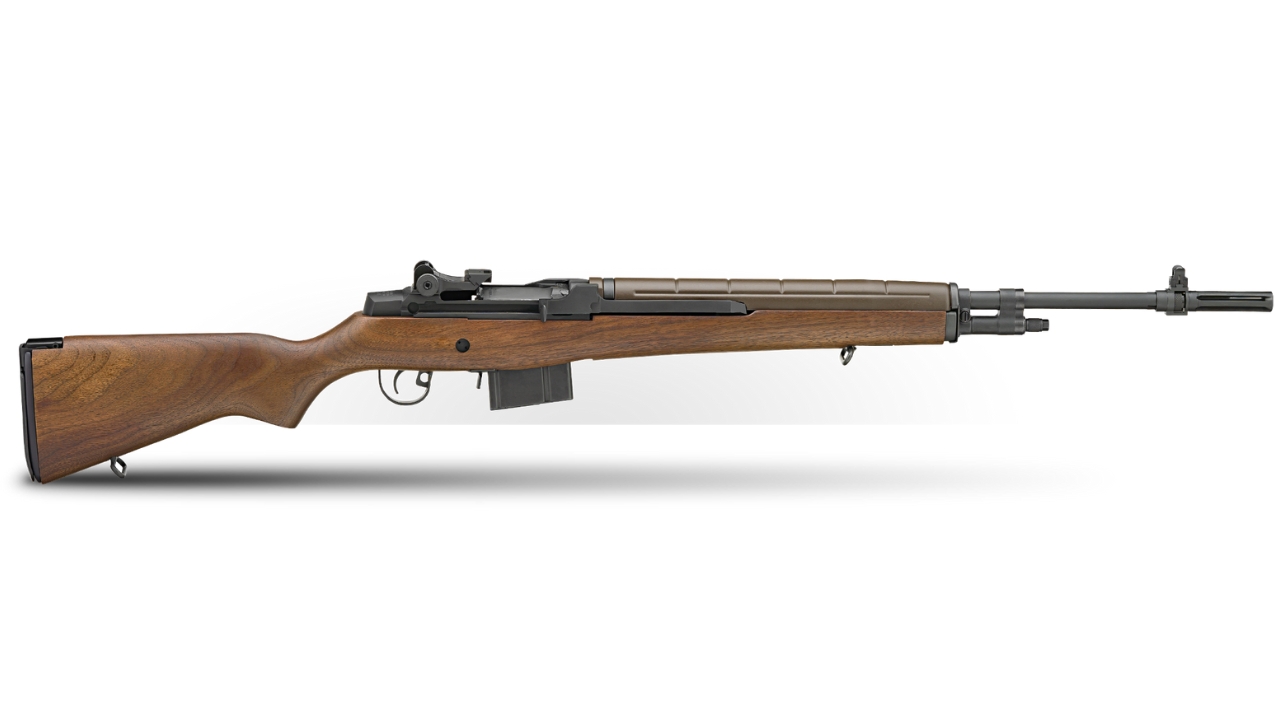
The Springfield Armory M1A keeps selling because it taps into military nostalgia and looks like a serious rifle should look. Buyers see walnut, steel, and old-school .308 authority and start imagining a rifle with timeless appeal. That image is powerful enough that many people stretch their budgets without really thinking through how the rifle fits into modern shooting reality.
Later, the weight, setup cost, optics headaches, and overall bulk start wearing on them. The rifle still has appeal, but a lot of owners end up feeling like they paid a premium for history and image more than convenience or performance. That is where regret shows up. The M1A often sells a dream that sounds better at the counter than it feels after months of ownership.
Winchester Model 94

The Winchester Model 94 is one of the easiest rifles in the country to overpay for because nostalgia keeps doing the selling. A buyer sees one and starts thinking about deer camps, old family rifles, and a version of hunting that feels simpler and more honest. That emotional reaction makes it easy to ignore the fact that a lot of Model 94s on the market are simply ordinary old rifles wearing inflated price tags.
That is why regret hits later. Buyers realize they paid collector-style money for a common rifle with average condition and no real special features. The gun may still be charming and useful, but charm does not always justify the premium. A lot of owners end up liking the rifle itself while still regretting how much nostalgia cost them.
HK P7

The HK P7 gets bought by people who want something clever, unusual, and admired by serious gun people. It has a strong reputation for engineering, accuracy, and uniqueness, which makes it easy to talk yourself into the price. Buyers tell themselves they are getting one of the most special handguns ever made, and that feeling can overwhelm a lot of practical concerns.
Then ownership gets real. The price is steep, magazines are not cheap, heat buildup is a real thing, and parts support is not something you ignore lightly. Many owners still admire the P7, but admiration and value are not identical. Plenty of buyers end up regretting the amount they paid once they realize they enjoy talking about the pistol more than actually living with it.
Marlin 1895 Guide Gun
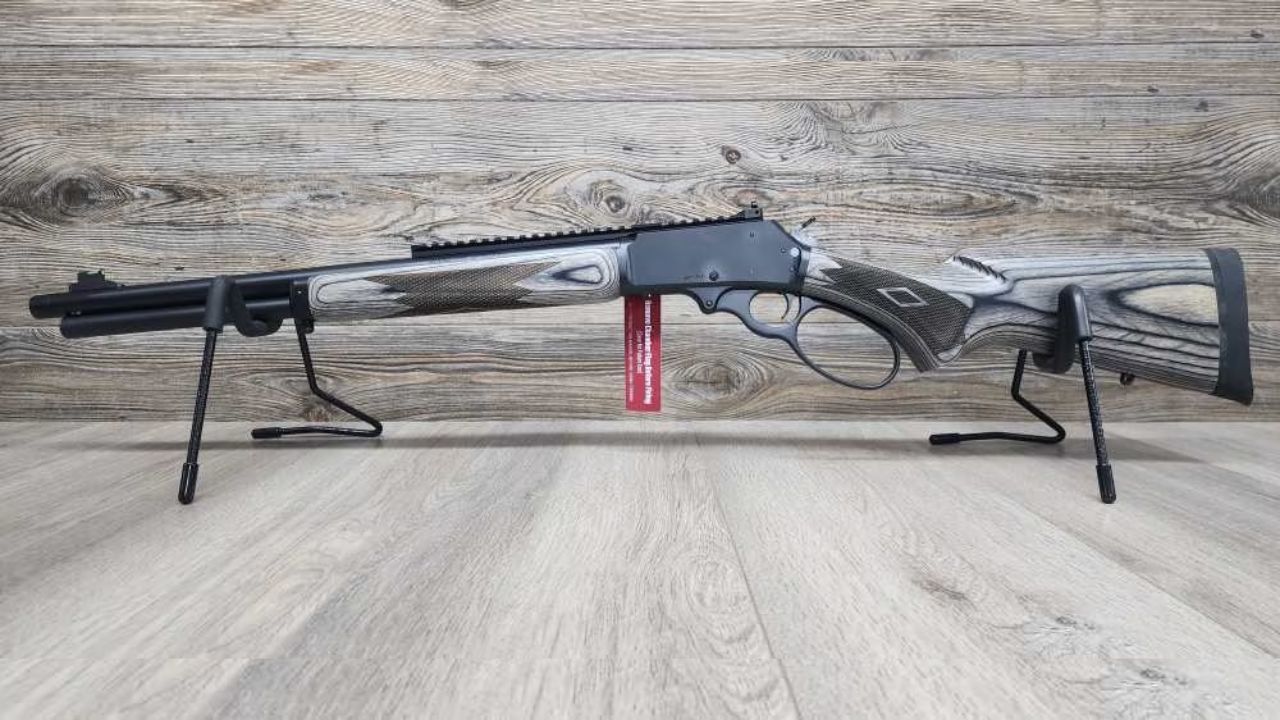
The Marlin 1895 Guide Gun is one of those rifles that benefits from lever-gun fever and hard-use fantasy at the same time. Buyers picture Alaska, bear defense, deep woods hunting, and the kind of rifle that looks ready for serious work. That image has pushed prices hard, especially on older examples and rifles with the right production-era reputation.
The regret comes when buyers realize they paid a heavy premium for a use case they do not actually have. Many of these rifles end up being shot occasionally, admired often, and carried far less than their owners imagined. The gun itself can still be great, but when you pay too much for the idea of a rifle instead of your real needs, buyer’s remorse usually shows up sooner or later.
Browning Hi-Power

The Browning Hi-Power has history, style, and the kind of name that makes people feel like they should own one at least once. That idea alone keeps prices elevated. Buyers fall for the Belgian heritage, the military pedigree, and the clean lines, and before long they are paying more than they would for a lot of more practical pistols that are easier to live with.
Afterward, some start wondering what exactly they paid for. The pistol may be handsome and historically important, but it is still an older design with limitations that show up quickly once you compare it to newer handguns. That does not make it bad. It does make it easy to overpay for. A lot of regret around the Hi-Power comes from confusing historical appeal with present-day value.
Colt Single Action Army

The Colt Single Action Army gets bought because it feels like owning a legend. The name is huge, the history is undeniable, and the whole revolver carries more myth than almost anything else in the firearm world. That is exactly why buyers keep paying enormous money for examples that may not be especially rare, especially original, or especially sensible to own outside collector circles.
Then the emotion cools off and reality settles in. Unless a buyer truly understands the collector side, a lot of what they paid was for the name and the feeling that comes with saying they own one. That is fine if they know that going in. But many do not. They realize later that they spent premium money mostly to satisfy an emotional urge, not because the deal truly made sense.
SIG Sauer P226 West German

West German SIG pistols have reached the point where buyers often pay for the phrase almost as much as the gun. The reputation is strong, the nostalgia is building, and the idea of owning one of the “good old SIGs” has become powerful enough to push prices well past what many practical buyers would normally accept.
That regret usually takes a little time to surface. Owners start realizing they paid a collector-leaning premium for a service pistol that, while excellent, may not actually do much more for them than a much cheaper alternative. The pistol is still good, but the price often reflects mood and mythology as much as function. That gap between quality and cost is where a lot of buyers start second-guessing themselves.
Ruger No. 1

The Ruger No. 1 is a beautiful rifle, and that beauty gets expensive fast. Buyers see the lines, the wood, and the single-shot elegance and convince themselves they are buying taste, refinement, and timeless style. In some sense they are. But a lot of them are also paying much more than they would for a rifle that is easier to scope, easier to use, and often more practical in the field.
Regret shows up when the emotional high fades. The owner still has a handsome rifle, but he may also have a chambering he did not really need, a setup that is less convenient than expected, and a price tag that now feels more about romance than utility. The No. 1 can absolutely be worth owning. It just becomes overpriced very quickly when buyers stop thinking and start admiring.
Beretta 92FS Inox
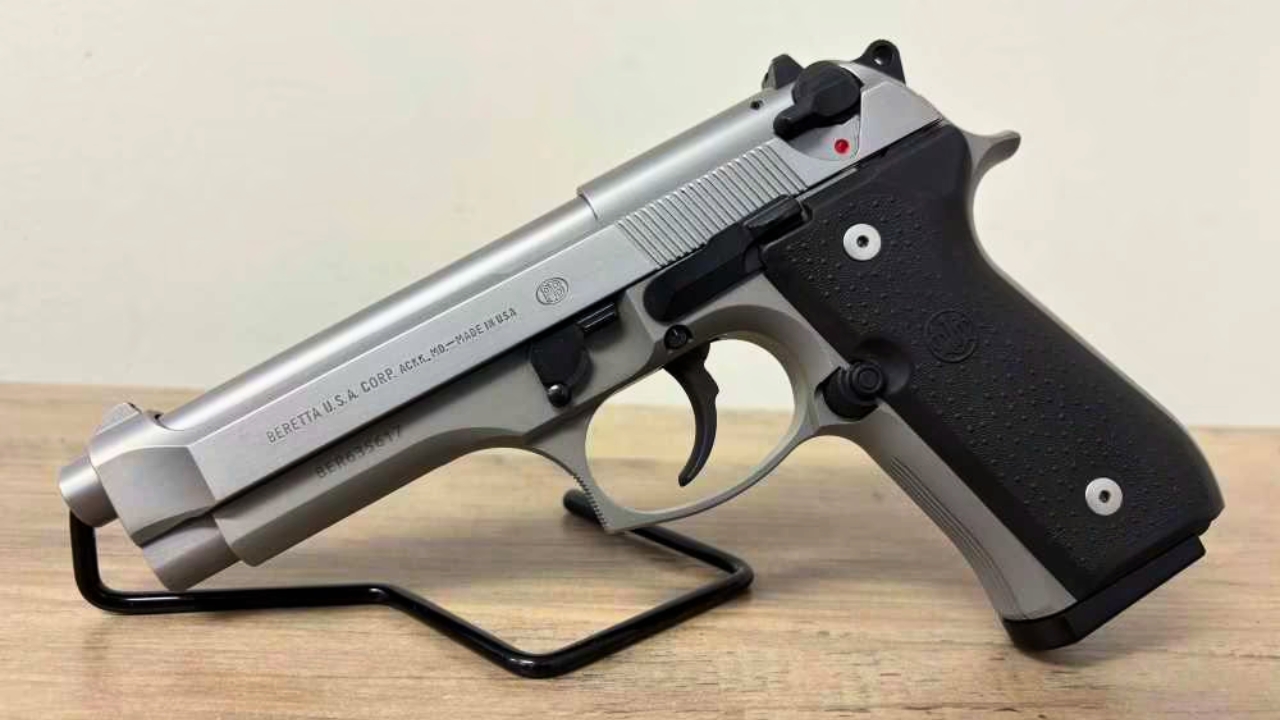
The Beretta 92FS Inox is one of those pistols that sells hard on appearance. The stainless look makes people feel like they are getting the ideal version of an already respected service pistol, and that visual appeal can push them into paying more than they normally would for a gun that is, at the end of the day, still a large, metal-framed 9mm.
Later, some owners realize the premium they paid was driven mostly by aesthetics and mood. The gun may shoot well, but it is still big, not especially convenient compared to modern compact options, and often priced like the finish alone transformed it into something much more special. That is where regret creeps in. A lot of buyers love the Inox until they remember how much extra they paid for that feeling.
Savage 99

The Savage 99 gets buyers because it feels like the smart, tasteful collector rifle that only knowledgeable people fully appreciate. That makes it especially dangerous, because buyers often tell themselves they are being discerning while still overpaying badly. The rifle has real history and real charm, but charm can only carry a price so far before the numbers stop making sense.
A lot of owners regret paying top dollar for average examples in common chamberings simply because the overall reputation of the model got into their heads. They still like the rifle, but liking something and having bought it well are two different things. The Savage 99 is a great example of a gun that can be both genuinely cool and genuinely overpriced at the same time.
Browning Auto-5
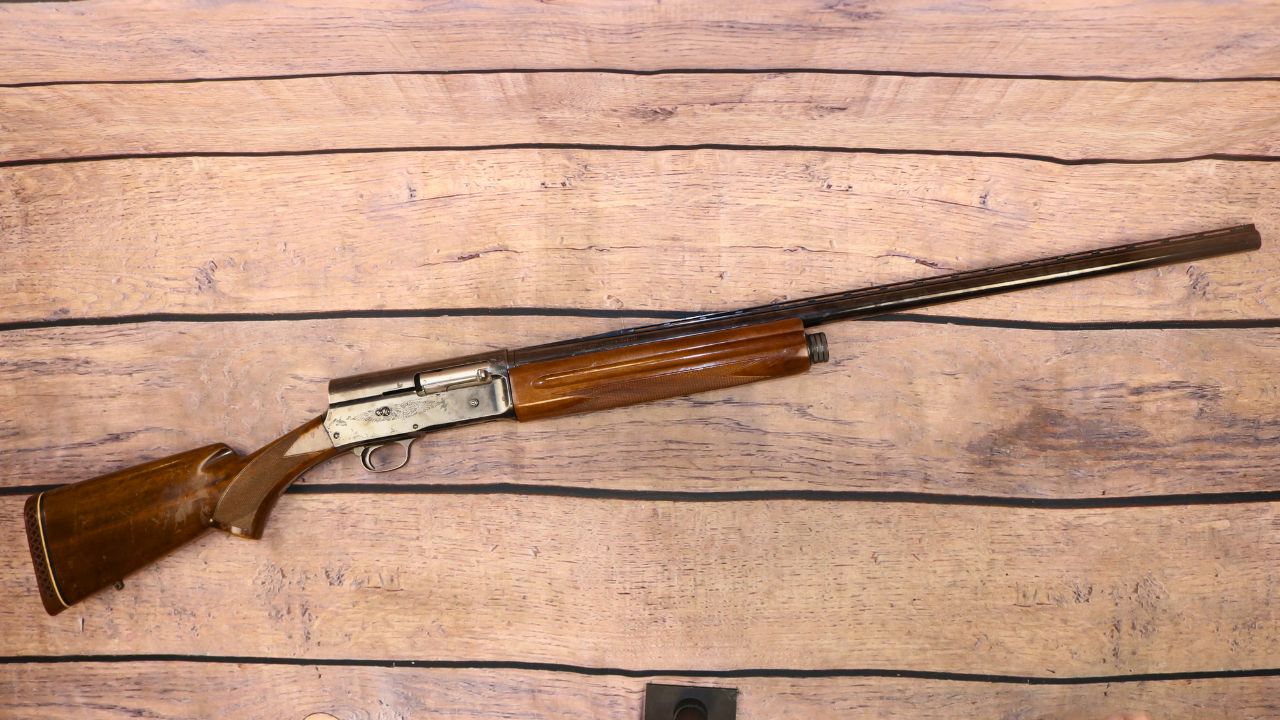
The Browning Auto-5 keeps selling strong because its shape is iconic and its history is easy to romanticize. Buyers see the humpback profile and start imagining old field photos, classic upland hunts, and a kind of firearm quality that seems harder to find now. That emotional pull is very real, and it has pushed a lot of ordinary Auto-5s into price territory they would not have reached on function alone.
The regret usually comes later, when owners realize they paid a premium for nostalgia and silhouette more than for pure utility. The shotgun may still be good, but there are plenty of examples that carry more emotion than actual market justification. That does not stop people from buying them. It just means many end up loving the Auto-5 as an idea more than they love what they paid for theirs.
Walther PPK
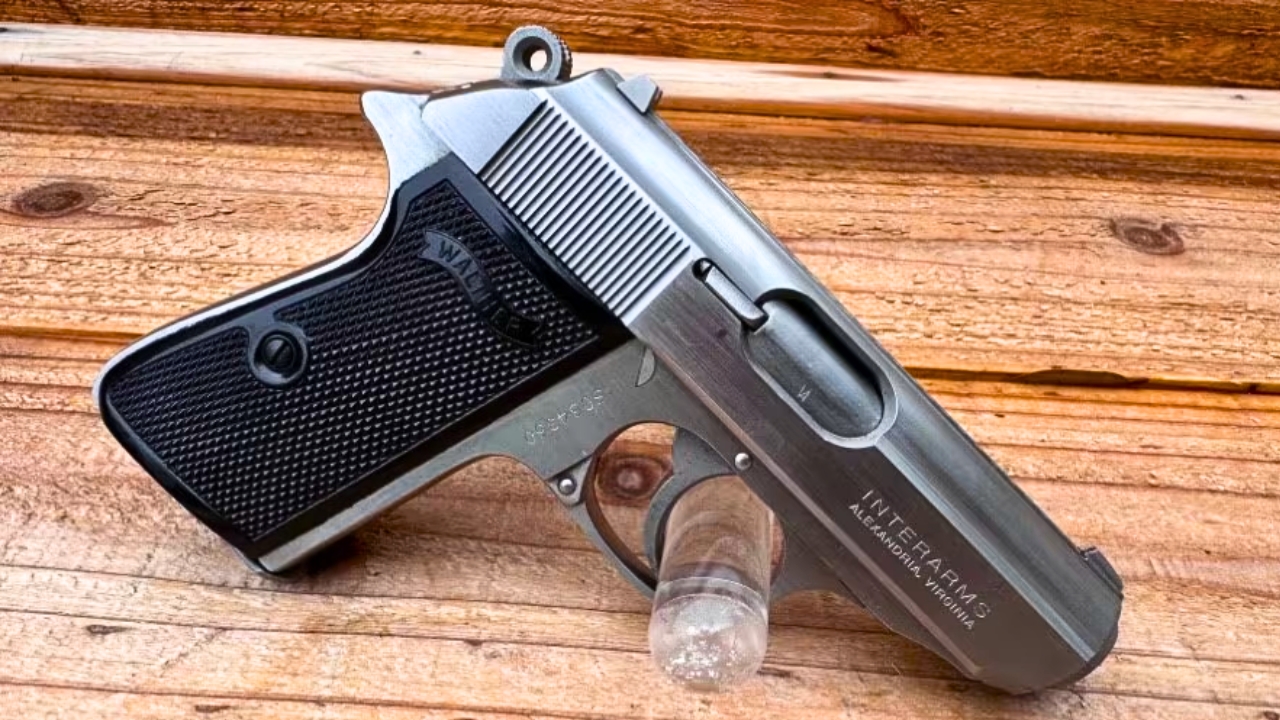
The Walther PPK keeps pulling buyers in because it looks like the answer to a question most people are not really asking anymore. It is stylish, famous, and slim in a way that still feels elegant. Buyers pay for that old-school cool and tell themselves they are getting a classic carry pistol with timeless appeal.
Then they shoot it enough to get honest. The recoil can be less pleasant than expected, the size-to-comfort tradeoff is not nearly as impressive as it once seemed, and the price often reflects image more than actual usefulness. That is why so many buyers end up regretting the deal, not necessarily the gun. The PPK still has charm, but charm gets expensive when you pay collector emotion for ordinary performance.
Pre-64 Winchester Model 70
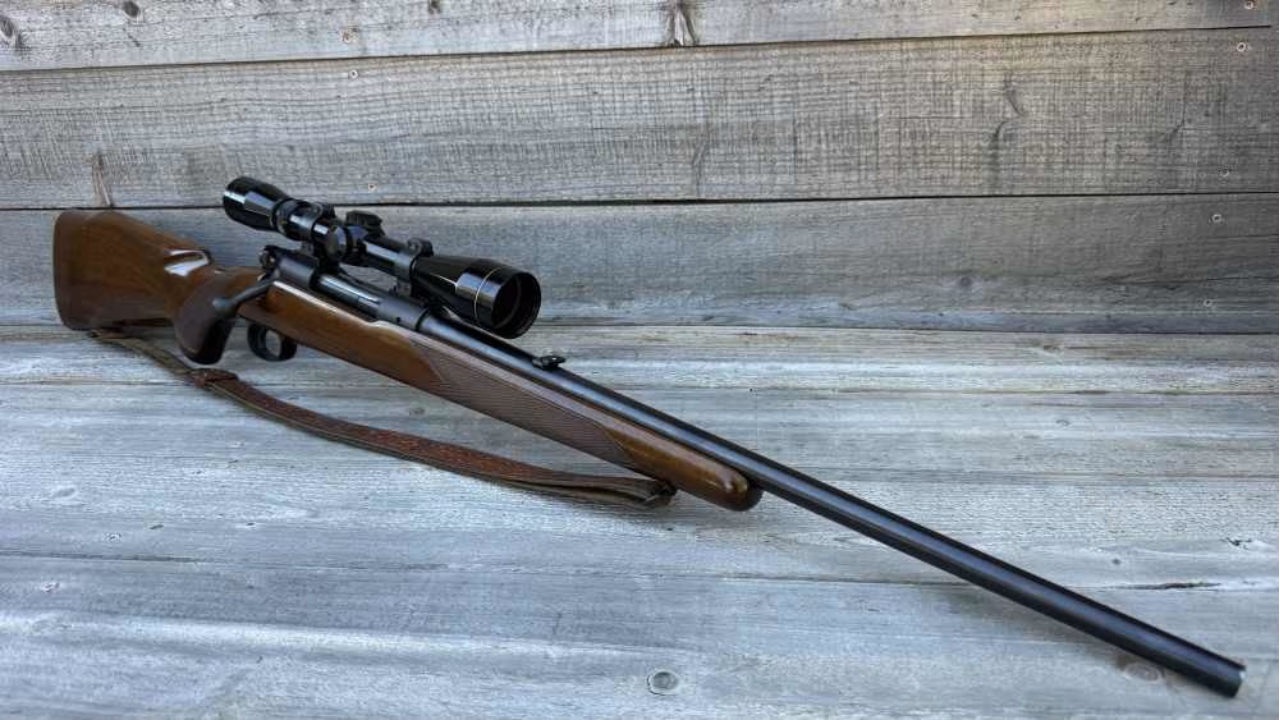
The pre-64 Winchester Model 70 can make buyers throw all discipline out the window. The label has become so powerful that people often pay huge money before they have really thought through whether the rifle in front of them is especially desirable or simply benefiting from one of the strongest names in the collector market.
That is where regret lives. Some buyers absolutely do get a great rifle with real collector appeal. Others get an ordinary example in a common chambering and pay like they just landed a holy relic. The rifle may still be excellent, but overpaying is overpaying, and the pre-64 name has separated a lot of buyers from a lot of money simply because they did not want to be the one who walked away.
Colt Detective Special

The Colt Detective Special gets overpriced because it feels cool in a very believable way. It is not just collectible. It feels like a classic you could still enjoy, carry, and appreciate on more than one level. That mix of style, history, and practical size makes buyers more willing to stretch than they would for a lot of other revolvers.
Later, some realize they paid a hefty premium mostly for the Colt name and the mood attached to the gun. It is still a neat revolver, but many examples are priced like every Detective Special is a special event. That simply is not true. A lot of buyers end up appreciating the gun while regretting the emotional premium they handed over to get one.
Winchester 9422
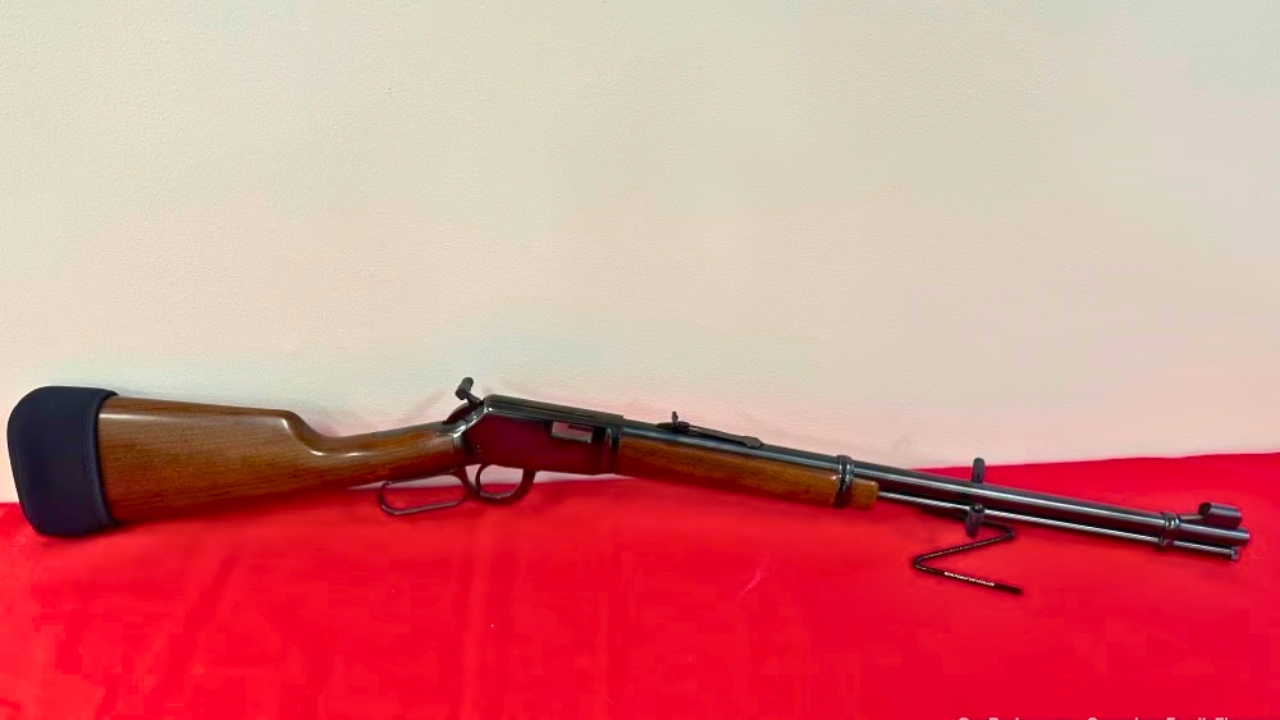
The Winchester 9422 is one of the easiest rimfires in America to overpay for. It looks great, feels better than a lot of modern .22s, and carries the Winchester name in a format people love. That combination is strong enough to make buyers act like every clean 9422 is a rare gem, even when the rifle is simply a very nice rimfire lever gun.
The regret tends to hit once they step back and realize how much they spent on a .22. Yes, it is a good one. Yes, it is desirable. But buyers often get caught up in scarcity and nostalgia and end up paying more than the rifle’s real-world usefulness can justify for them. The 9422 can be wonderful. It just keeps becoming expensive enough that buyers sometimes regret how badly they wanted one.
Like The Avid Outdoorsman’s content? Subscribe to our newsletter so you never miss an article.
Here’s more from us: