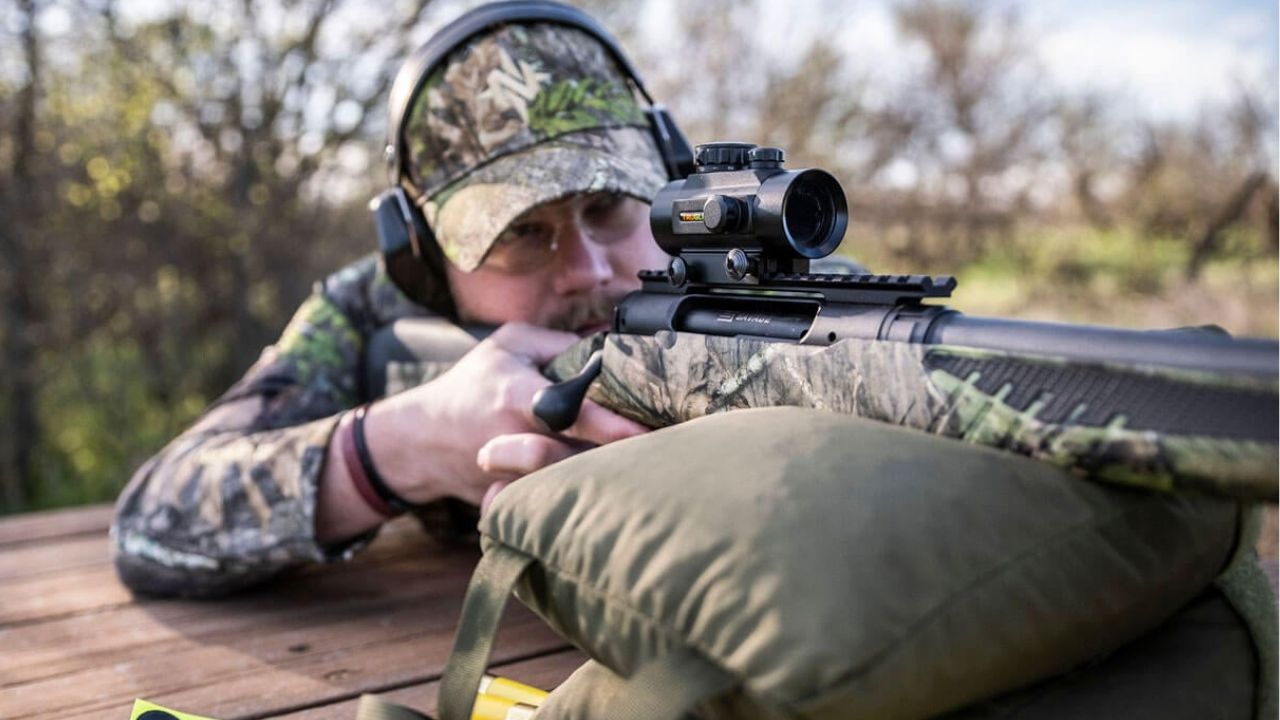
Photo credit: Savage Arms
The all-in-one rifle setup has a whole lot of appeal when you are standing at the counter or trying to simplify the safe. One rifle. One optic. One sling. One caliber. One setup that can handle deer season, coyotes, range work, maybe hogs, maybe a little target shooting, and maybe even fill in as the rifle you grab for anything else that comes up. On paper, that sounds smart. It sounds efficient. A lot of shooters love the idea of getting truly good with one rifle instead of bouncing between a bunch of different setups that all do something a little better but also cost more, weigh more, or demand more thought. The problem is that “does everything” usually turns into “does a lot of things only okay.” That is why more shooters have started second-guessing the all-in-one rifle idea. It is not because versatile rifles are useless. It is because a rifle built to split the difference on everything has a habit of exposing those compromises the minute you actually start leaning on it in different roles. What looks like smart simplicity at first can turn into a setup that is never exactly what you want when the job gets specific.
The weight problem shows up first
A true do-it-all rifle has to live in two different worlds at the same time. It needs to be light enough to carry comfortably in the field, but steady enough to shoot well from a bench, prone, or any position where you want the rifle to settle and stay calm. That is where things start getting messy. A rifle that feels perfect for walking ridges or slipping through thick timber may start feeling jumpy once you try to shoot it for long strings at the range. A rifle that feels planted and forgiving during practice may turn into a real chore after miles of walking, climbing, and dragging gear through rough country. Most all-in-one setups try to land somewhere in the middle, but the middle is not always where a shooter stays happy. It is often where the tradeoffs just become impossible to ignore.
That gets even worse once the accessories start piling up. A guy buys a rifle he thinks will cover all the bases, then adds a bigger scope because he wants more magnification for the range. Then he adds sturdier rings, maybe a bipod, maybe a suppressor, maybe a heavier sling, maybe a fuller magazine setup. Before long, the light hunting rifle he thought would still be comfortable in the field has turned into something that feels a lot less handy than he pictured. Or he goes the other direction and keeps the setup trim for carry, only to feel under-equipped once he starts stretching distance or trying to get more from it at the bench. That is a common pattern. The all-in-one rifle almost always starts with good intentions and ends with one job quietly taking over the whole build.
Optics are where the “do-it-all” idea usually starts falling apart
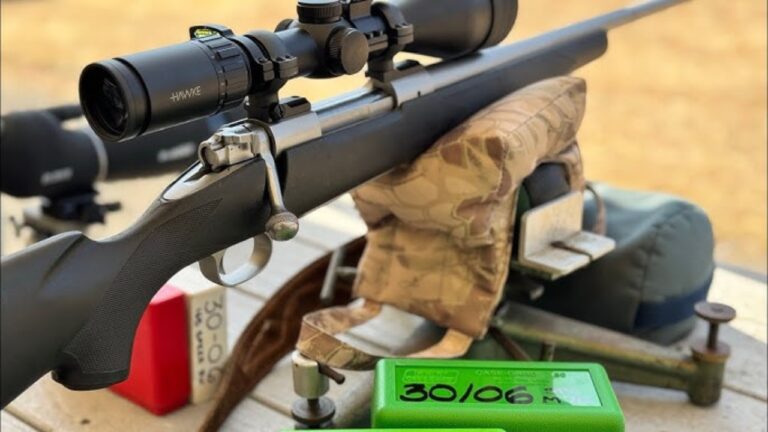
If there is one place the all-in-one setup really starts showing cracks, it is on top of the receiver. Optic choice forces the issue fast. A low-power scope or lightweight hunting optic carries well, stays trim, and makes sense for practical field shots, but it can leave a shooter wishing for more at the range or when trying to wring precision out of the rifle. A heavier scope with more magnification solves some of that, but it changes the balance, adds weight, and often makes the whole rig feel less natural for quick field use. That is why so many shooters get stuck in the loop of thinking they just have not found the right glass yet. They keep chasing the perfect compromise because the rifle itself is trying to be too many things at once.
Reticle choice, turret style, objective size, and mounting height all make the same point. A scope that feels great for dialing and shooting paper may be more than you want on a rifle you carry through brush. A simple duplex that is perfect for clean hunting use may feel limiting when you want to shoot at distance or spend time working holds. Even red dot and magnifier combinations or LPVO-style builds run into the same truth. They can be incredibly flexible, but flexibility is not the same thing as being ideal. A lot of shooters start second-guessing the all-in-one rifle once they realize the optic that makes one role better almost always makes another role a little worse. That does not mean the setup is bad. It means compromise has become impossible to ignore.
Caliber choice ends up being another argument nobody really wins
Shooters love talking themselves into a caliber that can “pretty much do it all.” That phrase alone has sold a lot of rifles. It usually means the cartridge is good enough for deer, flat enough for coyotes, manageable enough for practice, and available enough to justify keeping it as the one round you build around. In theory, that makes sense. In practice, caliber choice often becomes one more place where the all-in-one idea starts wearing thin. A round that feels great for target work may be more than a shooter wants for high-volume range sessions once recoil and ammo cost start adding up. A softer-shooting cartridge that is pleasant to train with might still leave a hunter wanting more confidence for larger game or longer shots. Something that hits the sweet spot for deer season may feel like overkill for lighter work and still fall short of what a shooter really wants at the bench.
This is not just about ballistics charts. It is about how a rifle actually gets used. A person may love the idea of one chambering covering every need, then slowly realize that real-world use is uneven. Maybe the rifle spends far more time at the range than in the deer woods. Maybe the “do-it-all” hunting round starts feeling expensive or unnecessary for the practice volume needed to really stay sharp. Maybe the shooter keeps telling himself the rifle is perfect for predators too, even though he never quite loves how it handles that role. That is where second thoughts start creeping in. The rifle may still be capable, but capable is not always satisfying once experience shows you exactly where the compromise lives.
Practice exposes weaknesses that theory can hide
A lot of all-in-one rifles sound better in conversation than they do after real use. That is because theory is kind to compromise, but practice is not. The more time a shooter spends actually carrying, shooting, zeroing, and living with one “do-it-all” rifle, the more honest the setup forces him to become. Maybe the barrel profile heats up too fast for the kind of range work he enjoys. Maybe the stock feels fine offhand in the woods but starts feeling less stable once he wants better consistency on paper. Maybe the trigger is perfectly acceptable for hunting but never feels quite crisp enough once precision starts mattering. Or maybe the opposite happens and the rifle becomes so tuned toward range comfort that it loses the handy feel that made it attractive for hunting in the first place.
This is why some shooters eventually stop talking about one-rifle simplicity like it is some ideal everybody should chase. They have already tried it. They know the rifle can be good in several lanes and still leave something on the table in all of them. That does not always matter to casual shooters, and it should not be turned into some snobby argument where every role needs its own expensive toy. But the more somebody shoots, the more likely he is to notice the little things that a one-rifle compromise keeps asking him to tolerate. Practice has a way of stripping the romance off gear. What looked smart because it covered everything starts looking less impressive once you realize it never truly shines anywhere.
A lot of shooters are not rejecting simplicity — they are redefining it
The interesting part is that many shooters second-guessing the all-in-one setup are not doing it because they suddenly want a safe full of specialty rifles. A lot of them still want simplicity. They just want honest simplicity. Instead of trying to make one rifle handle every task, they would rather divide roles more realistically. Maybe that means one lighter hunting rifle and one heavier range rifle. Maybe it means one general-purpose deer gun and a separate predator or target setup that does not have to be carried all day. Sometimes it is not even about adding more rifles right away. Sometimes it is just about quitting the fantasy that one setup has to solve every problem. That alone can make a shooter a lot happier with the gear he already owns.
There is also a confidence piece here. When a rifle has a clear purpose, it gets easier to build it well and trust it for that purpose. You stop asking it to wear mismatched shoes. You pick the optic that really fits. You choose weight, stock style, and accessories based on the job instead of some broad hope that everything will average out nicely. A rifle with a clear lane often ends up feeling simpler in use than an all-in-one rifle ever did, even if owning two rifles looks less simple on paper. That is one of the reasons more shooters are rethinking the whole concept. They are learning that a clean role usually beats a clever compromise.
The all-in-one rifle setup is not dead, and it is not a bad idea for everybody. For plenty of shooters, one well-chosen rifle still makes sense, especially if their needs are straightforward and they are realistic about what the setup can and cannot do. But more people are second-guessing the idea because experience has a way of exposing what the sales pitch leaves out. A rifle that tries to be everything often asks you to ignore a lot of little frustrations, and those frustrations get louder the more you shoot. That is the real shift. Shooters are not giving up on versatile rifles because versatility stopped mattering. They are giving up on the fantasy that versatility comes without tradeoffs. Once you spend enough time behind one rifle that is supposed to do it all, you usually find out exactly what it does best, exactly what it only does okay, and exactly how much compromise you are willing to live with.
Like The Avid Outdoorsman’s content? Subscribe to our newsletter so you never miss an article.
Here’s more from us: