Photo credit: WHO_TEE_WHO/YouTube
Trends come and go in the gun world, but practical calibers don’t care what’s popular on social media this year. The stuff that sticks around does it for predictable reasons: it’s widely available, it works across multiple jobs, it has enough proven bullet choices, and it’s supported by a mountain of rifles and handguns that normal people can actually buy and maintain. When you’re shopping ammo during a shortage, or grabbing a box the night before a hunt, “common and useful” starts to matter more than whatever the internet is excited about.
The calibers below keep earning their spot because they solve real problems. They’re not perfect, and they’re not magic, but they keep showing up in range bags, deer camps, duty holsters, and nightstands for the same reason year after year: they work, and you can find them.
9mm Luger

9mm stays useful because it’s the practical center of the handgun world. You can find it almost anywhere, and the variety of loads is huge—practice ammo, defensive ammo, and everything in between. That matters when you’re trying to keep skills sharp without spending a fortune every range trip.
It also works across a wide range of handguns. You can carry a compact, shoot a full-size, or run a pistol-caliber carbine and keep the same caliber on hand. Recoil is manageable for most shooters, and modern defensive loads have proven performance when you pick quality ammo. When trends shift, 9mm stays put because it’s the default that keeps making sense.
.223 Remington / 5.56 NATO

.223/5.56 remains the do-everything rifle round for training, defense, and varmints. Ammo is common, rifle options are endless, and you can build a setup for almost any role without leaving the caliber. That kind of flexibility is hard to replace.
It’s also a round that rewards practice. Recoil is light, rifles are easy to handle, and follow-up shots are fast. For predators and smaller game with the right bullets, it works well, and for general carbine use it’s the standard. Whether the internet is obsessed with the newest intermediate cartridge or not, .223/5.56 keeps getting picked because it’s available, effective, and familiar.
.22 Long Rifle

.22 LR is the caliber you use the most if you actually shoot a lot. It’s affordable compared to centerfire ammo, easy on the hands, and perfect for building skills that transfer to everything else—trigger control, sight tracking, and follow-through. It’s also one of the best tools for introducing new shooters without turning the day into a flinch festival.
It stays relevant because it does real work, too. Small-game hunting, pest control, plinking, and training all live in the .22 world. There are rifles and pistols everywhere, and you can keep a brick of ammo around without feeling like you’re hoarding gold. When people get tired of trends, they usually end up right back here.
.308 Winchester

.308 Winchester sticks because it’s honest. It’s widely available, it works on a huge range of big game with proper bullets, and it’s supported by countless rifles in every price bracket. If you need one rifle cartridge that can handle deer, hogs, and elk within sensible distances, .308 keeps landing on the shortlist.
It’s also practical beyond hunting. Match and training ammo is common, and the cartridge has a long track record in precision rifles. Recoil is noticeable but manageable in most hunting-weight guns, and performance is predictable. New cartridges come out claiming flatter trajectories or less recoil, but .308 stays useful because it’s already everywhere and it already works.
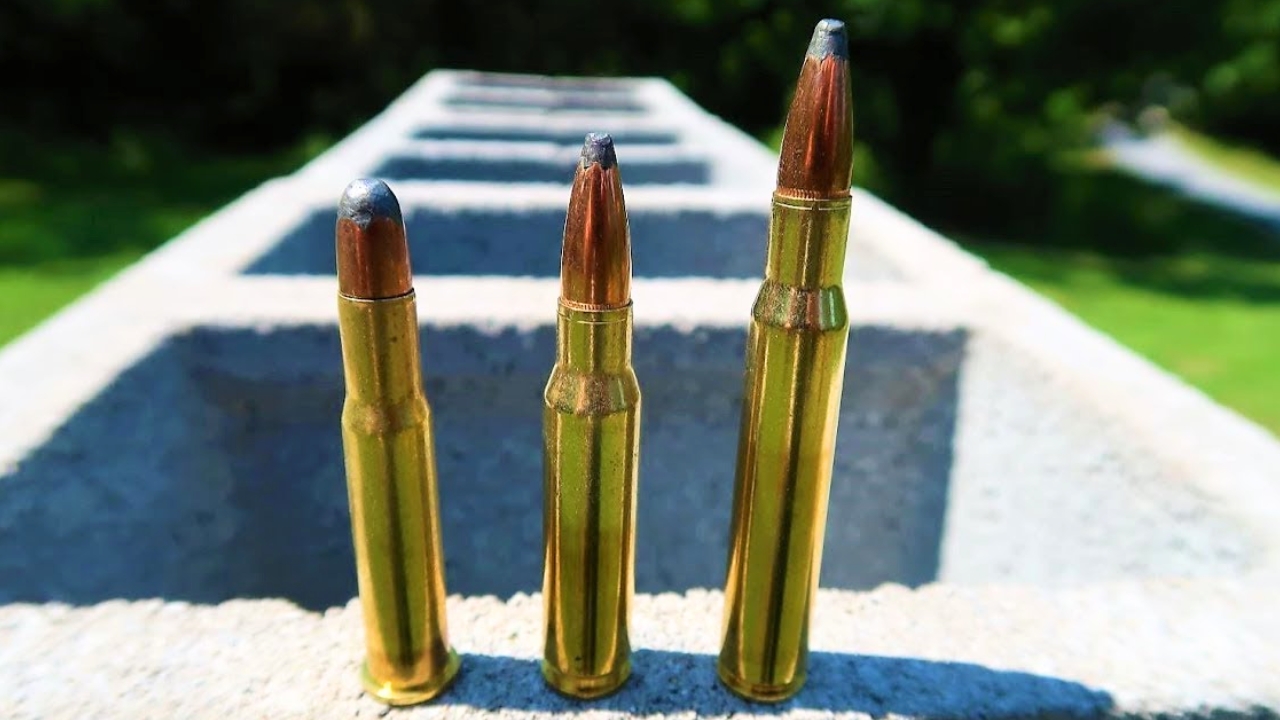
.30-06 Springfield

The .30-06 is still around because it covers more ground than most people admit. You can load it light for deer or step it up for bigger game with heavier bullets, and the cartridge has deep support across the ammo industry. If you walk into a small-town shop during hunting season, you’re likely to see .30-06 on the shelf.
It also has a track record that keeps it from being dismissed as “old.” Hunters have used it successfully for generations, and modern bullet designs keep improving what it can do. Recoil is real, especially in lighter rifles, but the performance is reliable. Trends can call it outdated all they want, but the .30-06 keeps putting meat in freezers.
.45 ACP

.45 ACP refuses to die because it does what it was designed to do and it does it consistently. It’s a common defensive handgun caliber with decades of proven use, and there are still tons of pistols and ammo options built around it. Even people who don’t carry it often keep one around because it’s familiar and straightforward.
It remains useful because it’s easy to shoot well in the right gun. In a full-size pistol, the recoil tends to be more of a push than a snap, and many shooters find it comfortable. Ammo availability stays decent, and defensive loads are widely supported. The caliber isn’t trendy, but it’s reliable, and that’s why it keeps showing up.
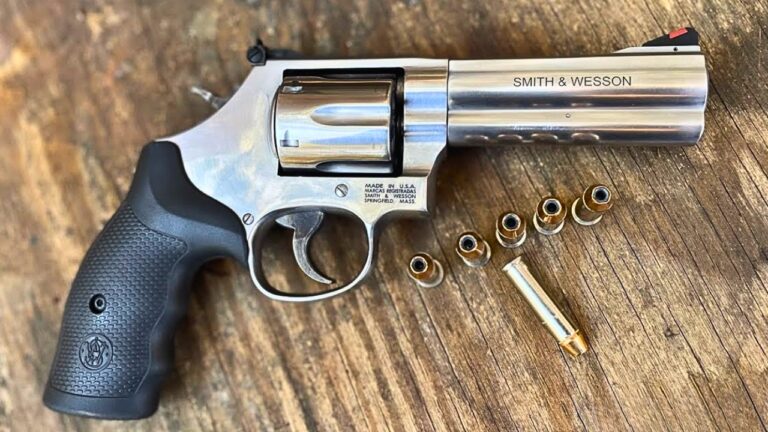
.357 Magnum

.357 Magnum stays relevant because it gives you options. You can run .38 Special for lighter recoil and cheaper practice, then step up to .357 when you want more power. That flexibility keeps it useful for everything from range time to trail carry and home defense.
In real use, .357 has a long reputation for effectiveness with quality loads, especially out of a solid revolver or a lever gun. It’s also one of the best “one wheelgun caliber” choices because it adapts to different shooters and different roles. The recoil can be sharp in small revolvers, but the capability is there. Trends don’t matter much when a caliber keeps doing multiple jobs well.
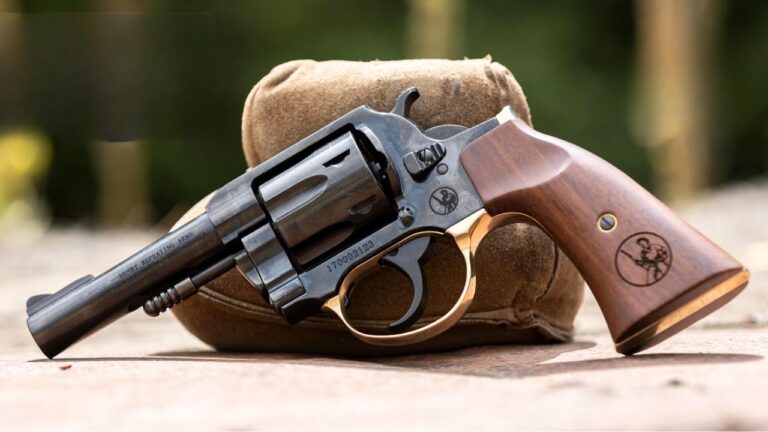
.38 Special

.38 Special is still useful because it’s easy to live with. It’s softer shooting than many defensive handgun calibers in comparable guns, and it’s widely available. For new shooters, experienced revolver fans, and people who want manageable recoil, .38 keeps filling that role without drama.
It also remains practical because there are good loads that work. In the right revolver, you can shoot it accurately, practice longer, and stay consistent. It’s not a hotrod round, but it’s a dependable one, and it’s supported by decades of revolver designs that still make sense. When the trend cycle swings back toward “shootability matters,” .38 Special is already waiting.
12 Gauge

12 gauge isn’t going anywhere because it covers an absurd amount of ground. Birds, deer, home defense, and even some big game in the right context—all with the same shotgun, just different loads. That kind of versatility keeps it useful no matter what’s happening in the rifle and pistol market.
Ammo availability is also a big part of it. Even in lean times, you can usually find some form of 12-gauge shells, and there are options for nearly every job. Recoil can be heavy with certain loads, but you can tailor it with lighter target shells or managed-recoil buckshot. Trends don’t beat a gauge that can do that much with one platform.
20 Gauge

20 gauge stays useful because it hits a sweet spot for many hunters. You get a lighter gun in many cases, less recoil than a 12, and enough performance for upland birds, turkey, and deer with the right loads. For people who actually carry a shotgun all day, that weight difference matters.
It also keeps improving. Modern loads and better shot options have made 20 gauge more capable than it used to be, especially for hunting. It’s a practical choice for smaller-framed shooters, newer hunters, and anyone who wants a shotgun they’ll actually take into the field instead of leaving in the safe. It’s not chasing trends—it’s staying useful because it’s comfortable to live with.
.30-30 Winchester

.30-30 sticks around because it still does what it’s always done well: put venison on the ground at woods ranges. In a lever gun, it carries nicely, handles fast, and feels natural in thick cover. The cartridge is common enough that it shows up in places where trendier rounds don’t.
It remains useful because the rifles and the role haven’t disappeared. There are still plenty of hunters who don’t need a 600-yard solution—they need a rifle that comes to the shoulder quick and works inside typical timber distances. Modern ammo options have also helped, giving you better performance than the old reputation suggests. When the talk gets loud, .30-30 stays quiet and keeps working.
7mm-08 Remington

7mm-08 remains a smart pick because it balances recoil and performance in a way that works for a lot of hunters. It shoots flat enough for practical hunting distances, hits hard enough for deer and similar game, and does it without beating you up like some bigger cartridges can.
It also benefits from being based on the .308 family, which helps with rifle availability and general support. Many shooters find it easy to shoot well, and that matters more than raw numbers when you’re breathing hard on a hillside. Trends can swing toward faster or flashier rounds, but 7mm-08 keeps getting chosen by hunters who care about real accuracy and manageable recoil.
6.5 Creedmoor

6.5 Creedmoor became popular fast, but it’s stayed useful because it actually delivers. It’s accurate, widely available now, and it offers solid downrange performance for hunting and target shooting when you pick the right load. The cartridge also fits well in short-action rifles, which keeps rifle options broad.
It remains relevant because it’s easy to shoot well. Recoil is manageable, and that helps you practice more and spot your shots better. For deer-sized game with proper bullets, it performs reliably, and it’s also a common choice for shooters who want to stretch distance without getting punished. Even if the internet moves on to the next thing, Creedmoor has already cemented itself as a practical standard.
.270 Winchester

.270 Winchester stays useful because it’s a classic deer and elk-capable cartridge that still performs exactly the way hunters need it to. It shoots flat, carries energy well at normal hunting ranges, and it’s supported by a long list of rifles and ammo choices. It’s one of those rounds that shows up in family rifles and keeps getting passed down for a reason.
It also remains easy to find in many areas, especially during hunting season. Recoil is manageable for most shooters in a normal hunting rifle, and accuracy is usually very good with factory ammo. New cartridges come out with better marketing, but the .270 doesn’t need a sales pitch. It’s been doing the job for a long time, and it’s still doing it now.
.44 Magnum

.44 Magnum stays useful because it fills a role that doesn’t go away: a hard-hitting handgun cartridge for hunting, defense in the backcountry, and general “serious revolver” use. It’s supported by plenty of revolvers and lever guns, and ammo remains available because people still buy it for real reasons.
It’s also flexible if you’re willing to shoot it like a grown-up cartridge. You can run lighter loads for practice and step up when you need more punch. In a solid revolver, it’s controllable with training, and in a lever gun it becomes a very capable short-range hunting setup. Trends can argue about what’s modern, but .44 Magnum keeps staying relevant because it does a job that still matters.
Like The Avid Outdoorsman’s content? Subscribe to our newsletter so you never miss an article.
Here’s more from us: