Photo credit: WorldWarSupply/YouTube
Some firearms were never bought as investments. Regular people picked them up because they liked the way they handled, trusted the brand, wanted something for deer season, needed a carry gun, or simply thought the price was fair at the time. Then the market changed. Imports dried up, production ended, older quality got harder to find, and the same gun that once felt like a normal purchase started looking like something a collector would have targeted on purpose. That is where the surprise comes in.
The funny part is that a lot of these buyers were not trying to be clever. They were not hunting down future rarities or studying production charts like speculators. They were buying firearms they liked, used, or thought might be worth keeping around. Years later, those ordinary decisions started looking a whole lot smarter. These are the firearms that made ordinary buyers look like smart collectors.
Smith & Wesson 3913

The 3913 was the kind of pistol practical buyers gravitated toward without much drama. It was slim, dependable, easy enough to carry, and built in a way that made sense to people who wanted a real defensive handgun without chasing trends. At the time, plenty of buyers probably saw it as a sensible metal-frame carry pistol and not much more. That was exactly why so many regular people ended up with one.
Now those same buyers look pretty sharp. The market eventually remembered how useful and well-balanced those older Smith autos really were, especially once the industry moved harder toward thicker double-stacks and then tiny polymer micros. The 3913 suddenly started looking like one of those pistols people should have appreciated more when they were sitting right there. If you bought one because it seemed like a smart carry gun, time made you look like a collector with taste.
Winchester 9422

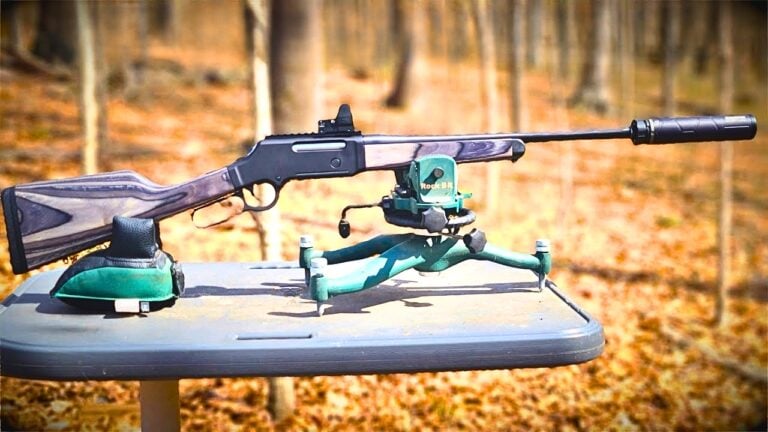
A lot of ordinary buyers picked up Winchester 9422 rifles because they wanted a quality lever-action .22, not because they were trying to secure some future prize. It was the kind of rifle that felt good in the hands, looked right, and made sense for plinking, small game, or simply owning something you enjoyed taking out of the safe. That is usually how these stories start. People buy a good rifle for regular reasons and only later realize they bought better than they knew.
The 9422 aged extremely well in the market. Once buyers started paying more attention to older Winchester rimfires and how few really nice lever-action .22s still had that same feel, prices and appreciation both moved in the same direction. Now the person who bought one because it seemed like a solid little rimfire can look awfully smart. They did not buy hype. They bought a rifle that kept getting harder to replace.
Ruger P89

The Ruger P89 was never the pistol people bragged about as some refined collector piece. Most ordinary buyers picked one up because it was sturdy, affordable, and had a reputation for taking abuse without complaint. It looked chunky, felt overbuilt, and fit the kind of buyer who cared more about a dependable 9mm than about elegance. That kept expectations modest at the time, which is often how sleepers stay sleepers.
Years later, that same practical choice looks a lot wiser. As older service pistols started getting re-evaluated, the P89’s plain durability became part of the appeal instead of a reason to overlook it. Buyers who grabbed one because it was a trustworthy workhorse now own a pistol that represents a very specific era of American semi-autos, and one that is not nearly as easy to dismiss as it once was. It is a perfect example of an ordinary purchase aging into something more interesting.
Marlin 62 Levermatic
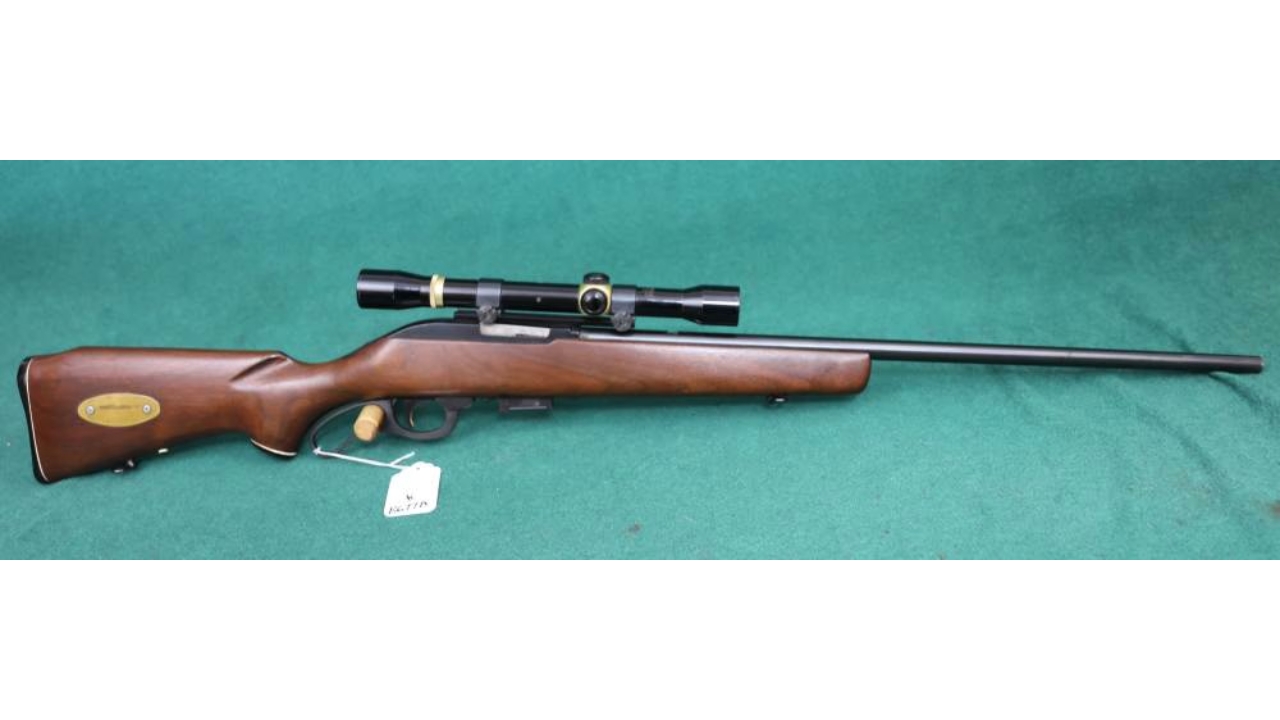
The Levermatic was exactly the sort of rifle an ordinary buyer might have picked up just because it felt different and fun. It was handy, fast, and unusual without being some museum curiosity. A lot of people likely bought them because they liked Marlins, wanted a neat rimfire or light field rifle, or simply thought the short-throw action was too good to pass up. That kind of enthusiasm tends to look casual at first and very smart later.
As time passed, the market started appreciating just how distinct the Levermatic really was. It was not another generic old rifle. It had personality, real handling appeal, and enough scarcity to make clean examples much more interesting than they once seemed. People who bought one because it looked like an enjoyable oddball ended up holding something that feels a lot more collector-aware now. They got there by liking the gun before the broader market caught up.
SIG Sauer P225

The P225 was an easy pistol for ordinary buyers to justify. It was slim, mature, dependable, and had that older SIG quality people noticed as soon as they handled one. Buyers were not necessarily trying to snag a future collectible. Many just wanted a well-made single-stack 9mm that felt serious and useful. At the time, that was a practical decision, not a collector move.
That practicality aged beautifully. Once surplus dried up and more shooters started valuing classic SIGs for their balance and feel, the P225 started standing out much more clearly. The buyers who had one already suddenly looked like they had seen something others missed. Really, they just trusted their instincts and bought a pistol that felt right. Time rewarded that instinct in a way that made ordinary ownership look a lot like smart collecting.
Browning BL-22
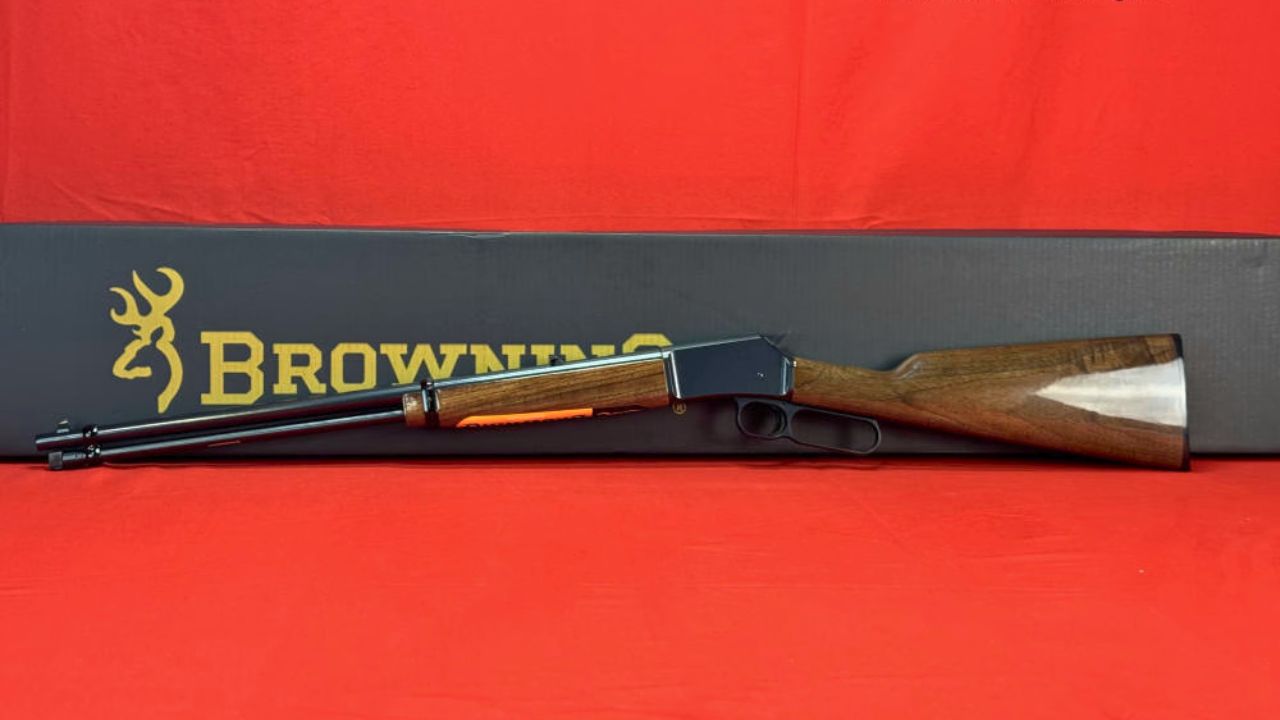
A lot of regular buyers picked up the BL-22 because it was simply a very enjoyable rimfire. It handled well, cycled quickly, and had enough polish to feel like something better than average without demanding collector-level money. It was easy to buy one because it was fun, not because you expected it to become a conversation piece down the road. That is often how the best accidental collector buys happen.
As newer rimfires kept leaning more utilitarian, the BL-22’s smooth action and classic quality started carrying more weight. Buyers who once treated it as a nice little lever gun suddenly found themselves owning something the market respected far more than it used to. The person who bought one for plinking or small-game use ended up looking like they had quietly made a very shrewd long-term choice.
Colt Mustang Pocketlite

The Mustang Pocketlite was the kind of pistol ordinary buyers chose because it made everyday sense. It was small, light, and easy to understand for people who wanted a carry gun before the micro-9 world exploded. Nobody needed an online movement to explain the appeal. If you wanted a handy little Colt that could disappear in a pocket or ride easily on you, it checked the box.
That kind of purchase got smarter with age. Once older Colts started drawing more attention and people began looking back at pre-micro carry guns with fresh eyes, the Pocketlite stopped feeling like just a neat little backup pistol. It started feeling like one of those classic carry guns buyers were lucky to have picked up when they did. If you bought one because it fit your life well, the market later made that choice look much more strategic than it probably felt at the time.
Remington Model 8
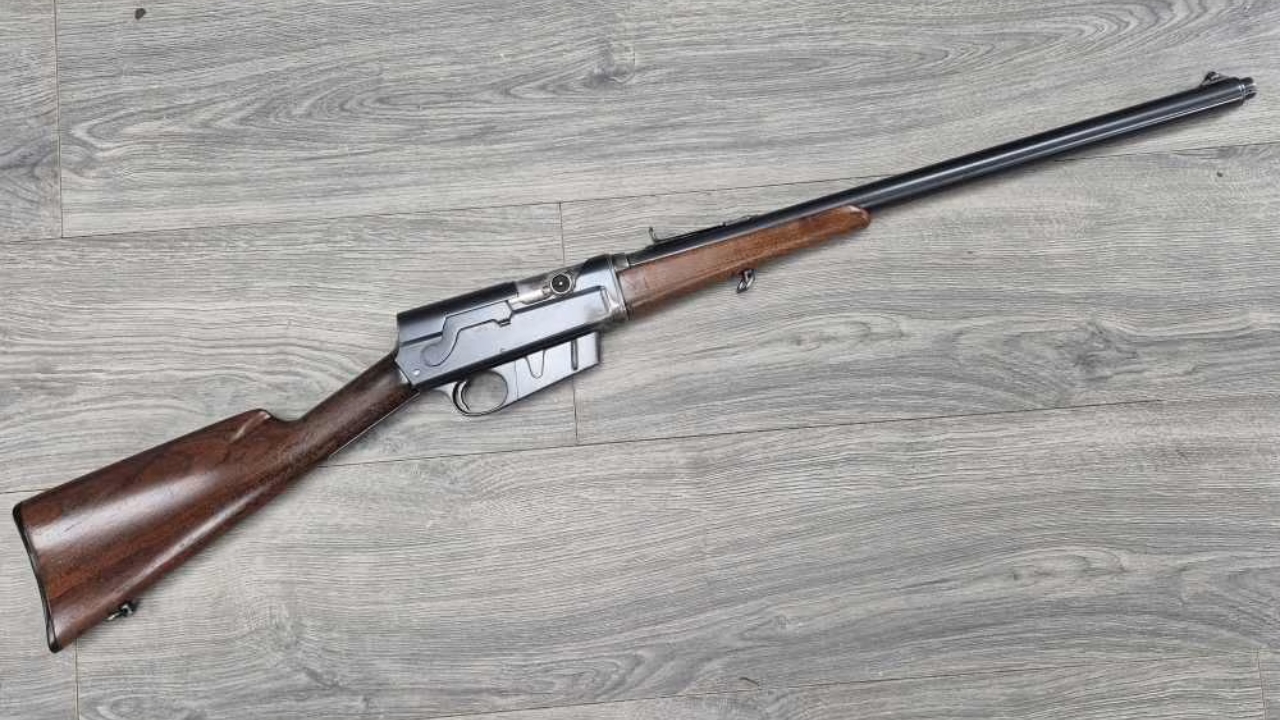
Most ordinary buyers who ended up with a Remington Model 8 probably bought it because it was interesting, useful, or simply too neat to ignore. It was not a mainstream pick in the way common deer rifles were, but it also was not necessarily something only hardcore collectors chased. It fit the kind of buyer who appreciated older sporting rifles and wanted something with character. That is a pretty normal kind of buyer, not some rarefied collector archetype.
The Model 8 has aged into a much stronger position than many people expected. Early semi-auto sporting rifles with real history and real presence do not stay overlooked forever. The people who picked one up because they liked old rifles suddenly look like they had the foresight to secure a design-significant firearm before the market got more serious about it. In truth, they just bought something cool before everybody else got around to realizing it.
Smith & Wesson 5906
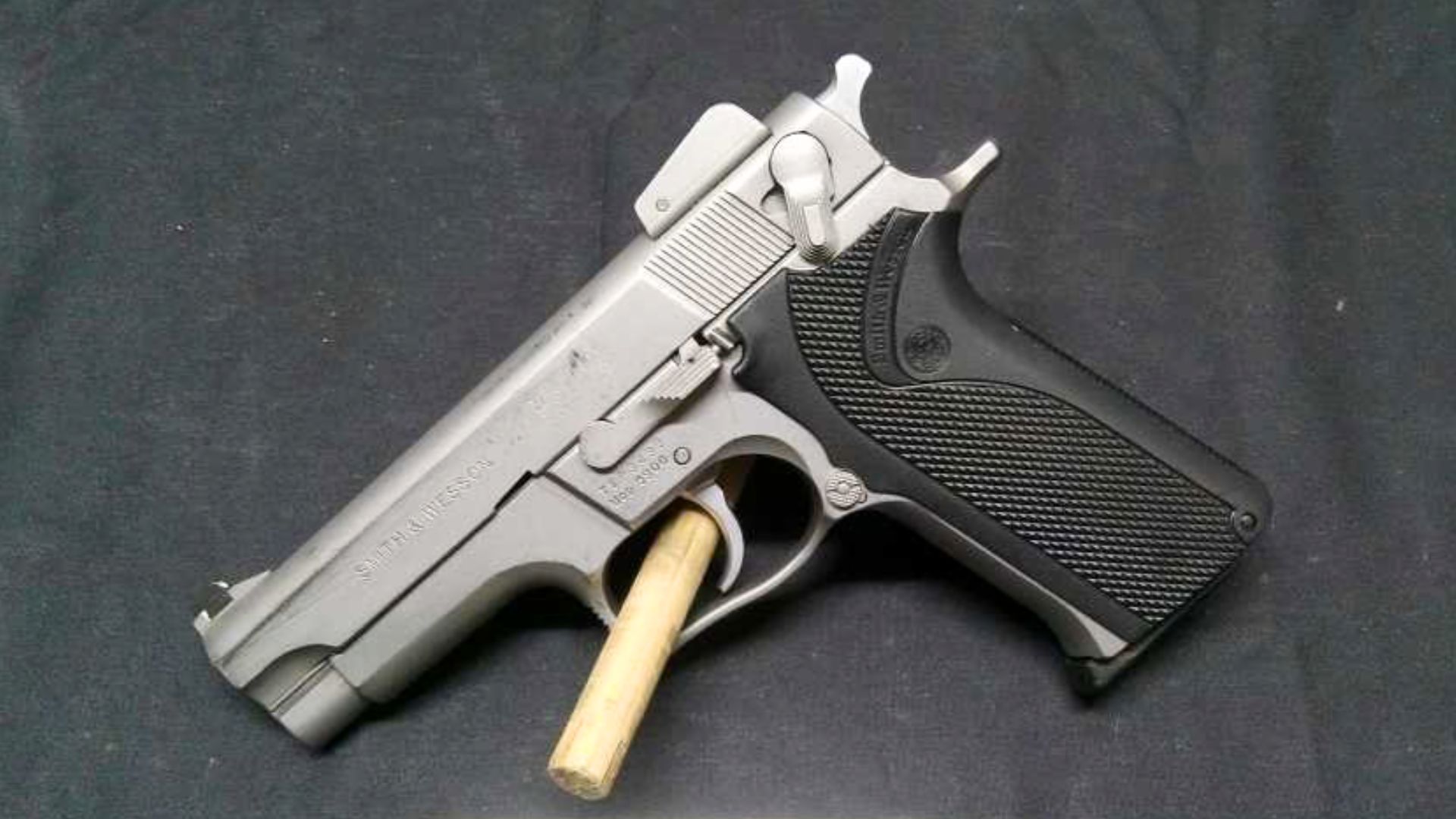
The 5906 was a deeply practical buy for a long time. Plenty of ordinary buyers grabbed one because they wanted a strong, proven 9mm with real duty-gun credibility and little drama. It was not fashionable in the way lighter polymer pistols became fashionable, but that worked in its favor. Buyers who valued sturdiness and shootability over trendiness often found themselves ending up with one.
That decision looks a lot better now than it did back then. Older metal-frame duty pistols have gained a lot of respect as shooters started missing the feel and presence of guns built that way. The 5906 especially benefits from that shift because it always had the durability and reputation to support the renewed interest. Buyers who once thought they were buying a used workhorse now look like they were quietly collecting one of the better representatives of that whole era.
Ruger Deerfield Carbine

The Deerfield Carbine was a classic practical-buyer gun. A lot of people bought one because they liked handy rifles, wanted a semi-auto with a more traditional look, or simply thought it would be useful in the field. It did not need collector hype to move. It needed a buyer who appreciated compact, useful rifles and liked something a little different from the growing black-rifle crowd.
That kind of low-drama purchase aged well. Once the rifle was discontinued and buyers began noticing how few similar options really existed, the Deerfield got more interesting in a hurry. The person who had bought one because it seemed like a smart field rifle suddenly looked like they had picked a future sleeper before the rest of the market noticed. It is one of those guns that rewarded ordinary taste with collector-style results.
Beretta 81 Cheetah
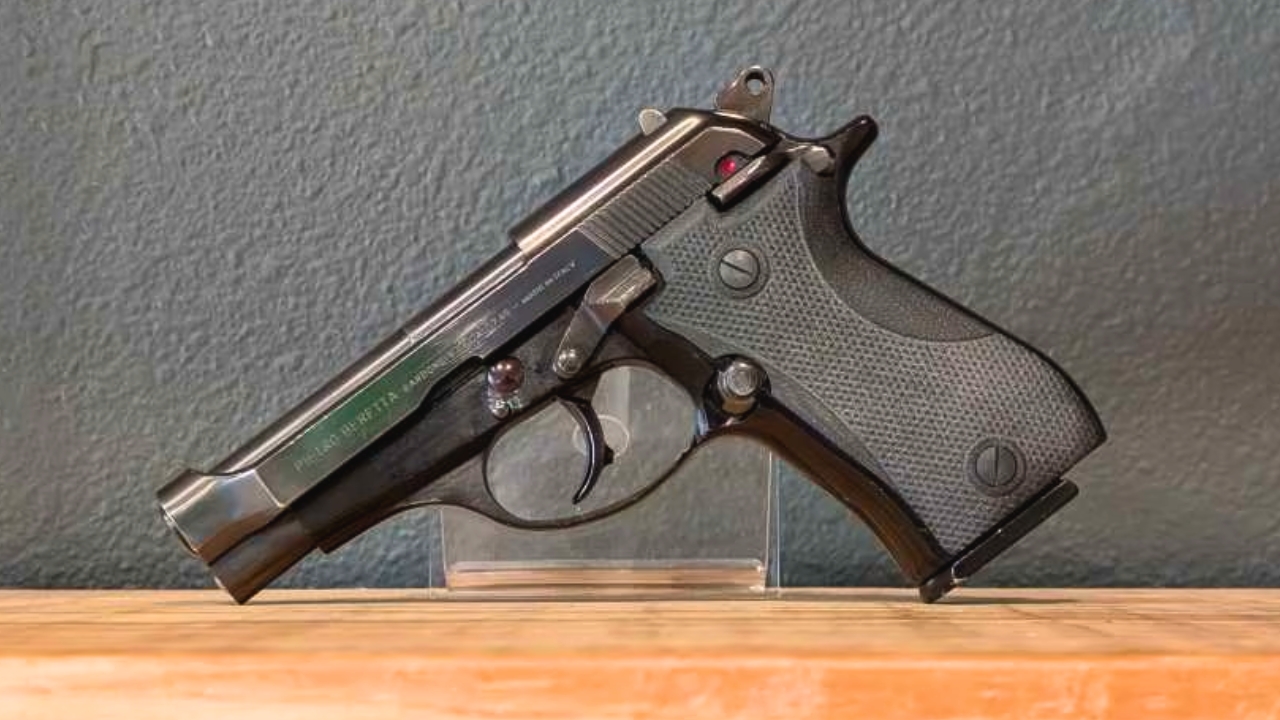
The Beretta 81 was easy for normal buyers to like. It felt good in the hand, shot softly, and had more style than a lot of pistols in its size class. People bought them because they were fun, affordable for what they were, and different enough to be interesting without feeling risky. That is not collector behavior. That is regular gun-buyer behavior at its most honest.
Then the surplus window narrowed and people started realizing these older Berettas offered a lot more charm and quality than many expected. Buyers who had treated the 81 as a neat pickup suddenly found themselves owning something much more appreciated than the original price suggested. They did not buy it because they saw a market wave coming. They bought it because it felt like a good pistol, which turned out to be the smartest possible reason.
Winchester Model 63
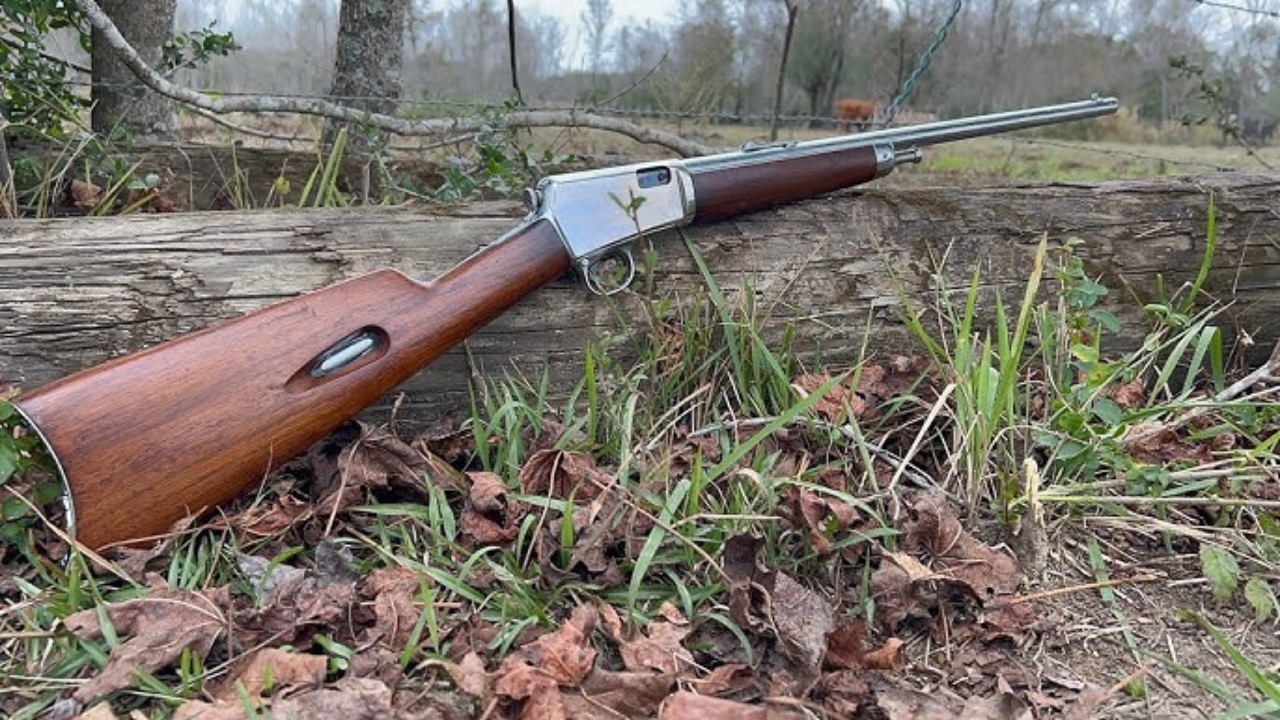
A lot of ordinary buyers picked up a Winchester Model 63 because they liked older rimfires and wanted a quality semi-auto .22, not because they were trying to curate a serious collection. It was the kind of rifle that appealed to shooters who appreciated smooth handling and classic Winchester style. Those buyers were usually just following their preferences, not trying to make a statement.
That preference aged beautifully. Once more people started taking older Winchester rimfires seriously and the supply of appealing examples felt less casual, the Model 63 gained more respect and stronger pricing. Now the person who bought one because it seemed like a nice old .22 looks like they made a collector’s move without even trying. That is usually how real accidental wins happen in this market.
Walther PP older imports

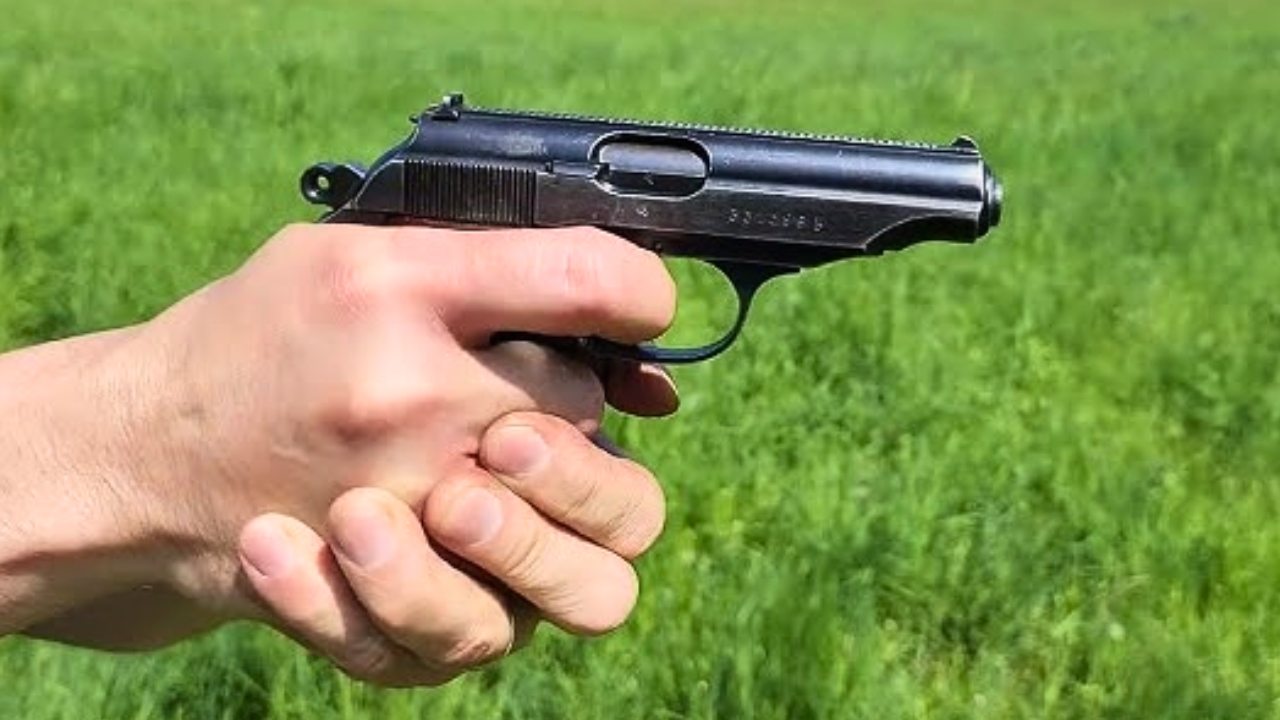
Older imported Walther PP pistols made ordinary buyers look smart because they were easy to justify for simple reasons. They were slim, classy, historically interesting, and practical enough to make sense even if you were not building a collection. Plenty of people bought them because they liked the design, liked the feel, or simply wanted an older European pistol with real identity. That is not speculation. That is taste.
As the market got more selective about older imports, markings, and condition, those same pistols became a lot more interesting in hindsight. The buyer who once grabbed a nice PP because it seemed like a good example of a classic carry pistol now looks like they knew exactly what would age well. More likely, they just picked something good before the rest of the market got more serious about it.
Marlin 1894 older production

A lot of ordinary buyers picked up older Marlin 1894 rifles because they wanted a practical pistol-caliber lever gun and Marlin made a good one. It was a normal choice for somebody who liked lever actions, wanted a woods rifle, or simply enjoyed the format. There did not have to be any grand plan behind it. It was a rifle that made sense on its own terms.
Then older Marlins got more attention, production shifts changed buyer attitudes, and suddenly the person who had bought an 1894 for everyday reasons looked a whole lot smarter. Those rifles had the right combination of usefulness, charm, and limited replaceability to age into something much more desirable. Buyers who trusted the rifle before the market got heated ended up looking like they had quietly built the right kind of collection.
CZ 82

The CZ 82 was one of those pistols practical buyers picked up because it offered a lot for the money. It was sturdy, interesting, accurate enough, and different in a way that still felt useful. Plenty of people bought them because they were a strong surplus value, not because they thought they were capturing some future collectible. That straightforward logic often ends up being exactly what ages best.
As the easy surplus days faded, the CZ 82 started looking more like a smart hold than a cheap curiosity. Buyers realized it represented a high-value period of military surplus buying that does not really exist the same way anymore. The people who bought them because they were sensible ended up looking like they had real foresight. In reality, they just recognized quality when it was still cheap enough to act on.
Ithaca 37 Featherlight older guns
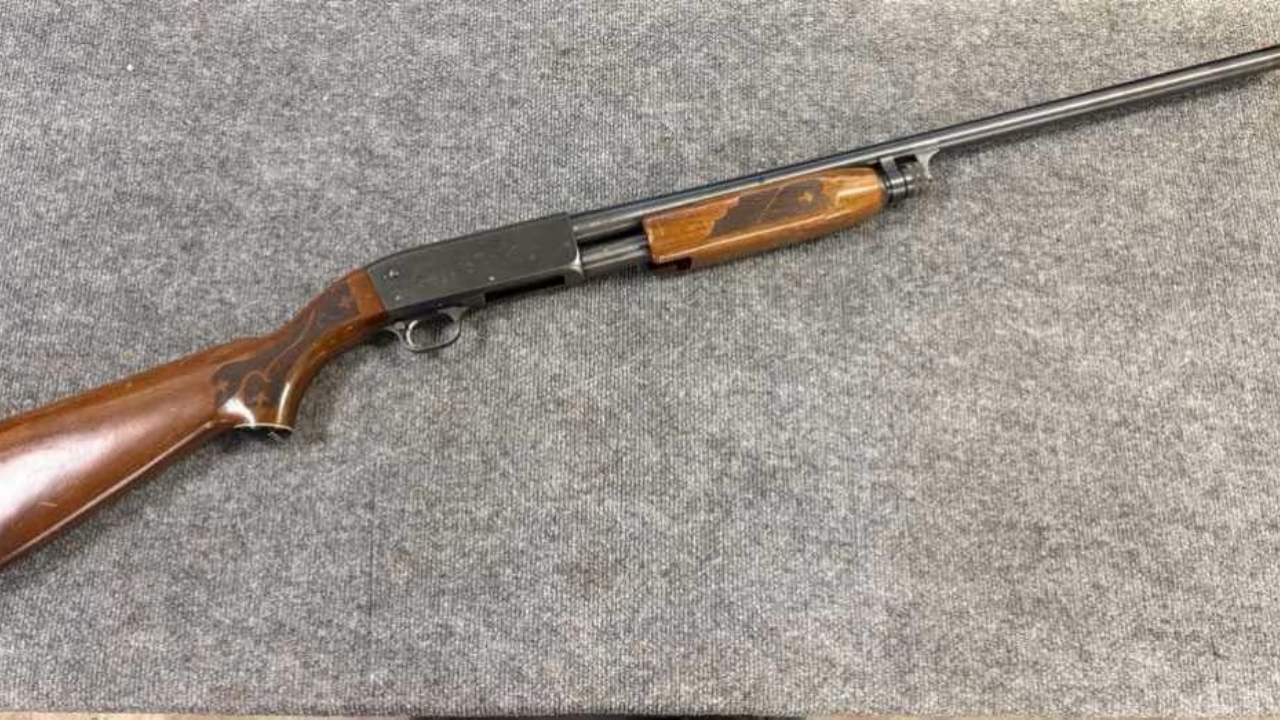
Older Ithaca 37 Featherlight shotguns were bought by ordinary people for ordinary reasons. They were light, smooth, dependable, and great field guns. Nobody had to pretend they were uncovering some secret investment. They were simply buying a shotgun that felt right and worked well. That is exactly the kind of purchase that can age into something much more impressive over time.
Once older American pump guns started drawing stronger appreciation and buyers began noticing how hard it was to replace really nice examples, the Ithaca 37’s quiet strengths became a lot louder. The owner who had one because it was a favorite field shotgun suddenly looked like somebody who understood where real long-term value lived. They were just ahead of the crowd by being honest about what they liked.
Like The Avid Outdoorsman’s content? Subscribe to our newsletter so you never miss an article.
Here’s more from us: