Photo credit: Mt McCoy Auctions/GunBroker
Some guns don’t scare buyers off right away. They look useful, the price seems right, and somebody in the comments always says theirs has been flawless. That kind of thing can keep a gun alive longer than it should, especially when people want the concept to work.
But complaints add up. Reliability issues, rough triggers, weak parts support, awkward handling, recalls, and bad owner experiences eventually start changing the conversation. These are the firearms buyers learned to approach carefully, or avoid altogether, after enough complaints kept showing up.
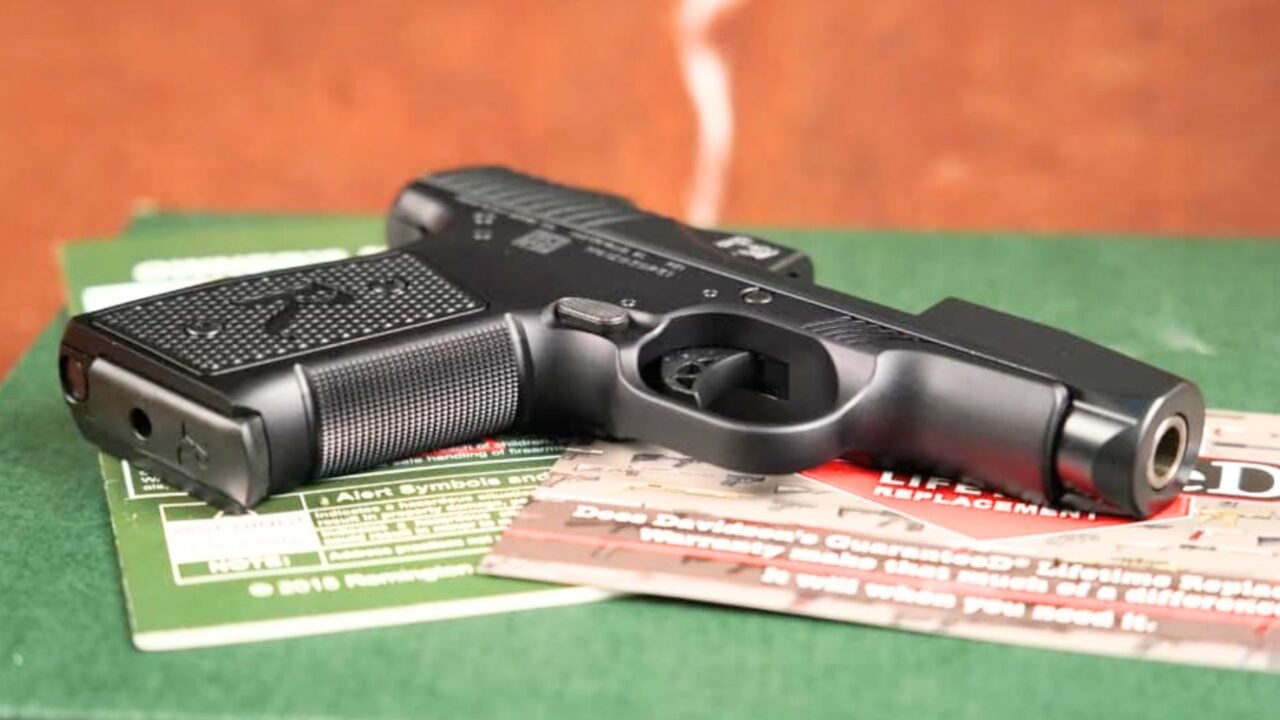
Remington R51
The Remington R51 had a lot of shooters interested because it wasn’t just another compact 9mm. The low bore axis, slim profile, and revived Remington name made it look like a clever carry pistol that could stand apart from the striker-fired crowd. A lot of people wanted it to succeed.
The complaints came fast enough to wreck that hope. Early guns had serious reports of feeding, extraction, cycling, and quality-control problems, followed by a recall and a relaunch that never fully repaired confidence. Some later guns may have worked better, but the damage was done. A carry pistol has to be trusted without a long explanation. The R51 became a gun most buyers learned to leave alone unless they fully understood the risk.
Kimber Solo
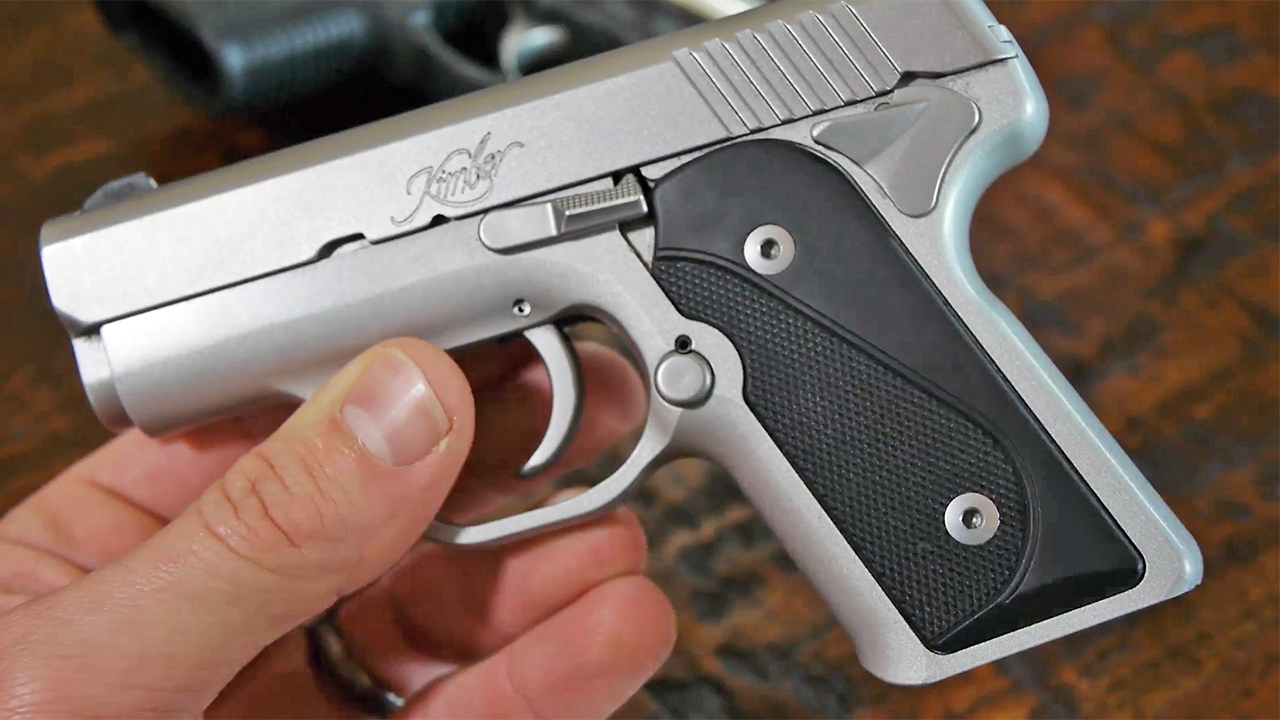
The Kimber Solo looked like a premium micro 9mm when small carry pistols were still finding their footing. It was sleek, metal-framed, and better-looking than a lot of little defensive guns. That made it tempting for buyers who wanted something small but not cheap-feeling.
Then the complaints started following it around. Ammunition sensitivity, grip sensitivity, and reliability concerns made the Solo harder to recommend with confidence. Some owners had good ones, but too many others had to test loads, make excuses, or send guns back. That’s not what most people want from a defensive pistol. Buyers eventually learned that pretty machining and a nice profile do not matter much if trust is shaky.
Remington 770
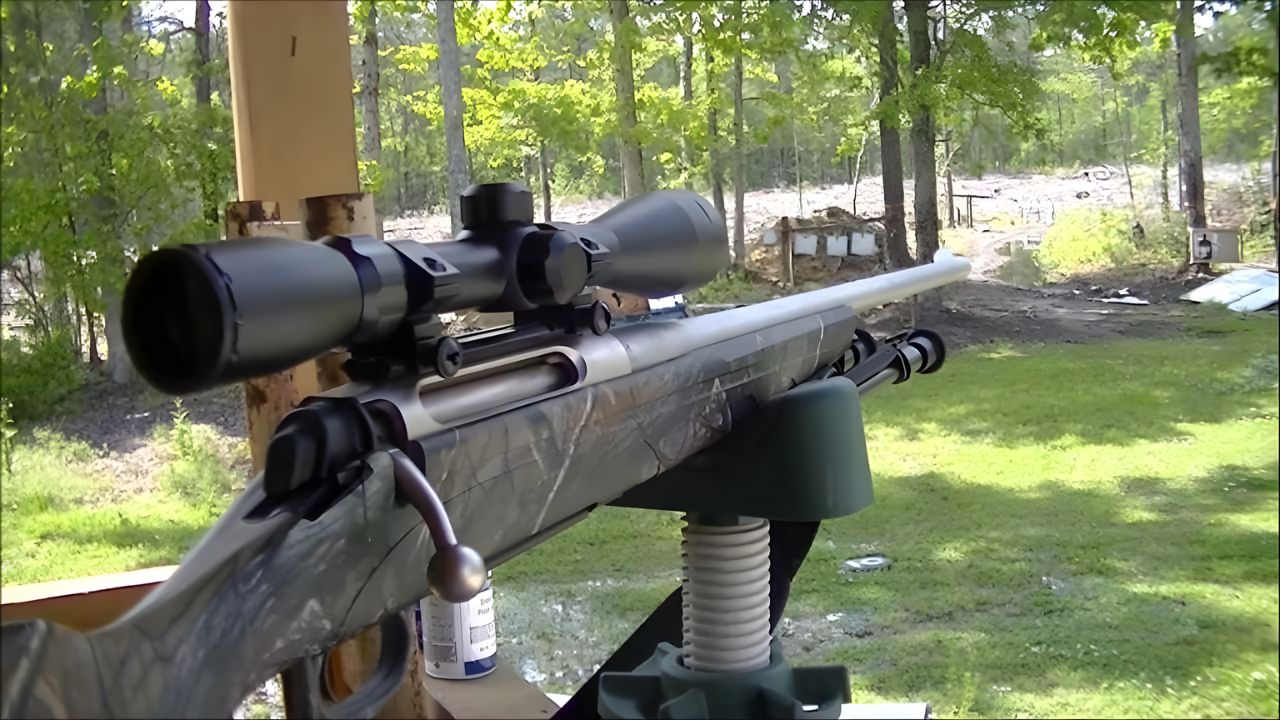
The Remington 770 sold because it looked like a simple answer for budget hunters. A scoped rifle package with the Remington name gave buyers a way into deer season without spending much. For someone starting out or trying to keep costs down, it seemed reasonable.
Over time, complaints about rough bolts, cheap stocks, and poor overall feel piled up. Some rifles shot well enough to hunt, and plenty took deer, but the ownership experience rarely inspired loyalty. The problem was not that every 770 failed. The problem was that too many felt like a major step down from what people expected out of Remington. Buyers learned that a low price can feel expensive when the rifle disappoints every time you run the bolt.
Taurus Curve
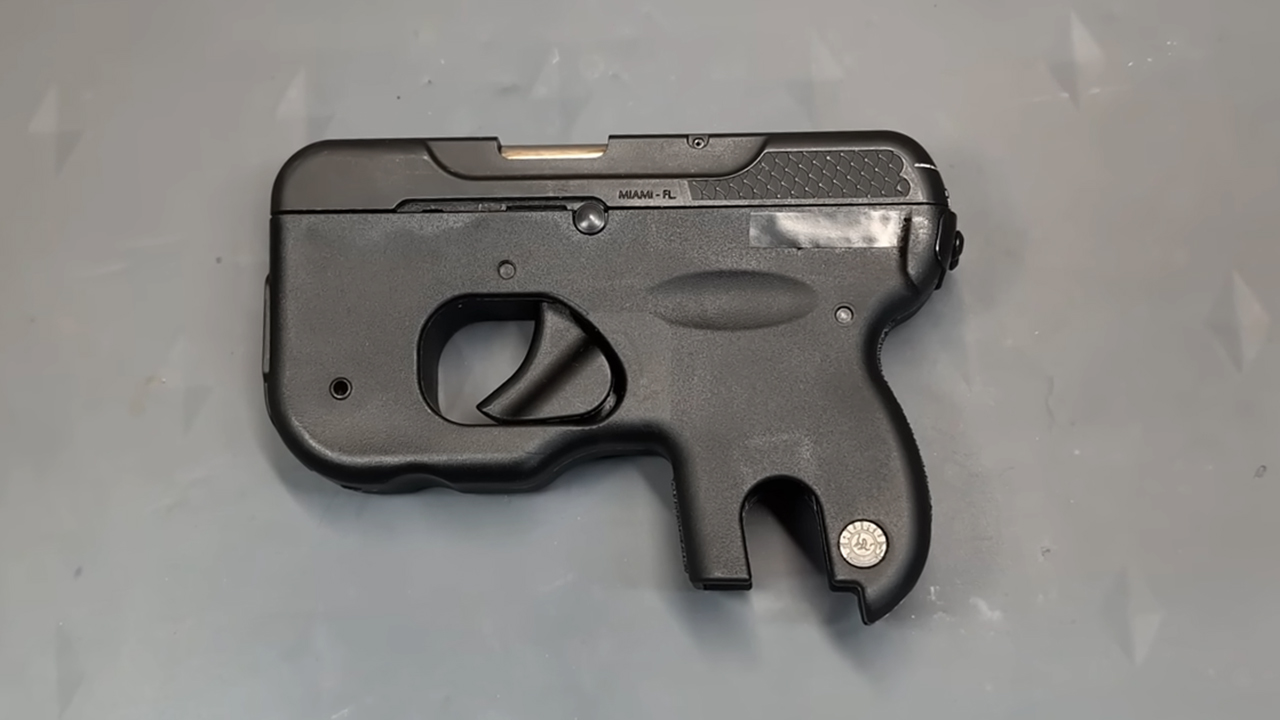
The Taurus Curve attracted attention because it was so different. A curved .380 built for body carry, with built-in light and laser on some versions, was not something shooters saw every day. It looked like Taurus was trying to solve deep concealment in a fresh way.
The complaints were mostly about the concept once people tried living with it. The shape felt awkward, the sights were limited, the handling was strange, and the pistol did not inspire the kind of training confidence buyers need from a carry gun. It may have concealed well for some people, but concealment alone is not enough. Buyers learned that a defensive pistol can be too clever if the shooting experience suffers.
SIG Sauer Mosquito
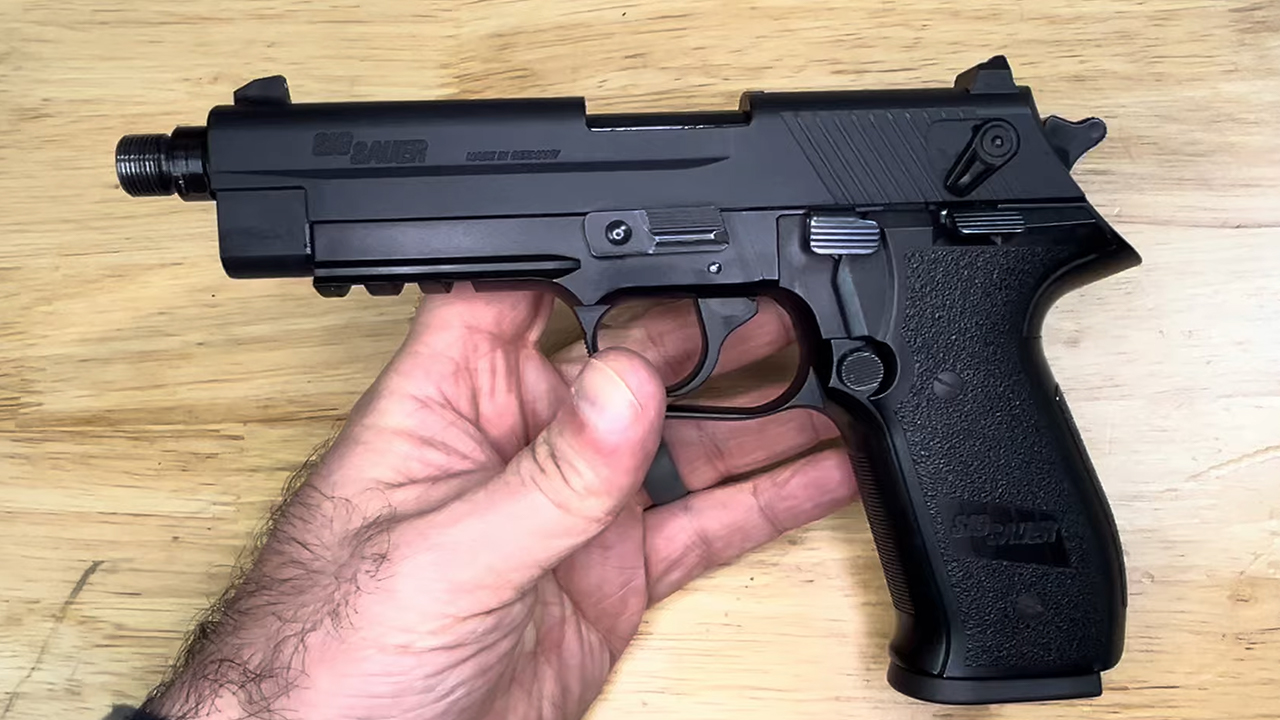
The SIG Mosquito seemed like an easy win before enough shooters owned one. A .22 LR pistol with SIG styling and trainer potential sounded perfect for affordable practice. A lot of buyers expected a fun, lower-cost range gun with a familiar defensive-pistol feel.
Instead, the Mosquito became known for complaints about ammunition sensitivity and reliability. Rimfire semi-autos can be picky, but this one frustrated too many owners who wanted simple practice, not constant troubleshooting. The SIG name probably made the disappointment worse because expectations were higher. A .22 pistol should make range time easier. Buyers learned to be cautious when the gun meant for cheap practice became the one causing the most annoyance.
Remington 887 Nitro Mag
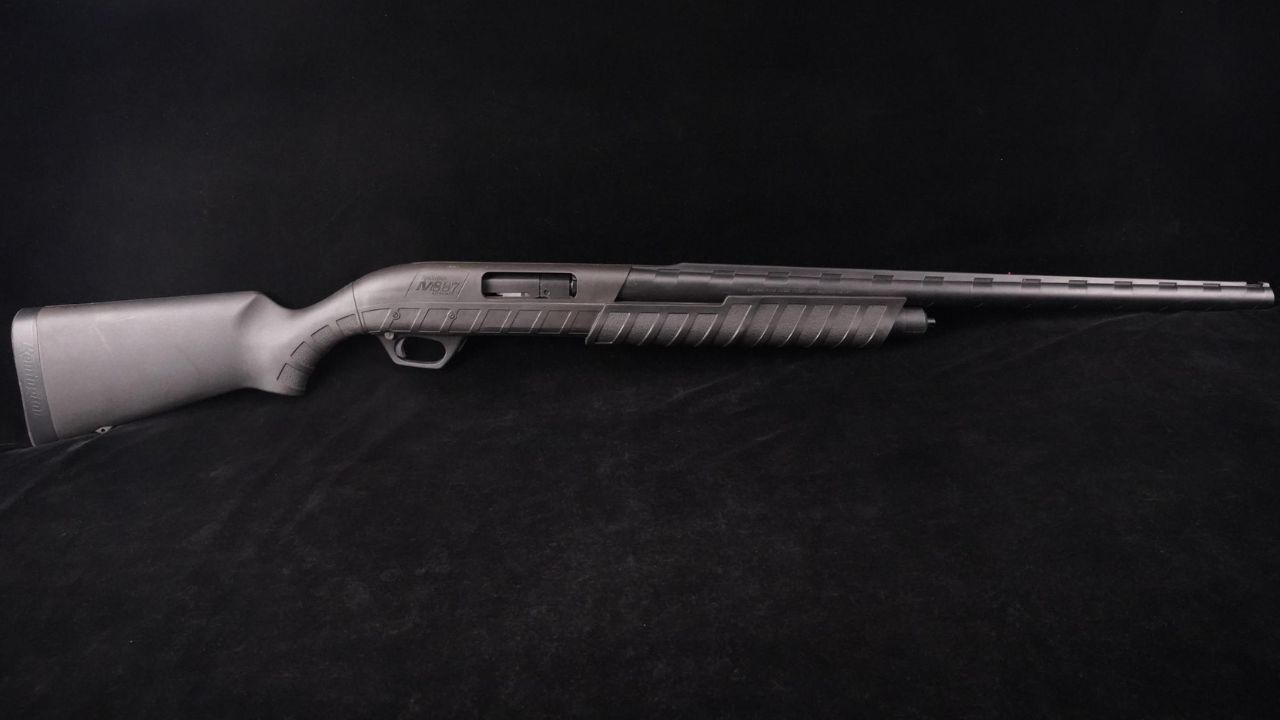
The Remington 887 Nitro Mag looked like it was built for hard waterfowl use. The coating, chunky profile, and 3½-inch chambering gave it a rough-weather image. Hunters could look at it and imagine a shotgun that would shrug off mud, rain, and cold mornings.
The complaints told a different story. Many shooters found it bulky, awkward, and less trustworthy than older pump guns. Reliability complaints and recall history hurt it even more. A waterfowl pump does not have to be pretty, but it does have to feel natural and dependable when conditions are bad. Buyers learned that rugged styling and a tough-sounding finish do not automatically make a shotgun worth trusting.
SCCY CPX-2

The SCCY CPX-2 made sense to buyers who needed an inexpensive carry pistol. It was compact, chambered in 9mm, and backed by a warranty that helped ease concerns. For people on tight budgets, it filled a real spot in the market.
The complaints centered on shootability. The long, heavy trigger made accurate shooting harder for many owners, and the light frame could make recoil feel sharp. Some people carried them successfully, but the pistol became harder to defend as better affordable options appeared. Buyers learned that the cheapest workable carry gun may not be the best value if it discourages practice. A defensive pistol has to be something you can shoot well, not simply afford.
Mossberg 715T
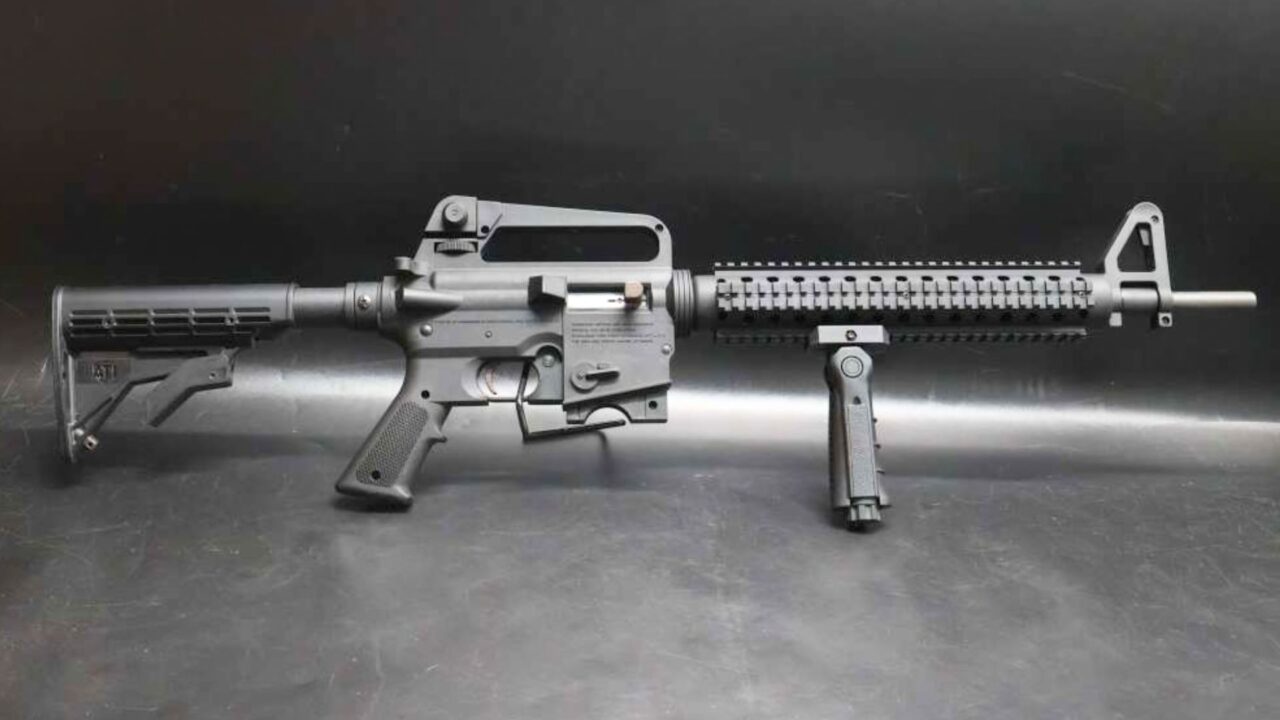
The Mossberg 715T pulled in buyers because it looked like an AR-style rimfire at a friendly price. For newer shooters especially, it seemed like a fun way to get modern rifle looks with cheap .22 LR ammo. On the shelf, it looked more exciting than a plain rimfire.
Enough complaints eventually made people rethink it. The gun often felt plastic-heavy and bulky, and some owners ran into feeding or reliability frustration. Others simply found that the tactical shell did not add much to the actual shooting experience. A basic rimfire should be fun, simple, and confidence-building. Buyers learned that a Ruger 10/22, Marlin Model 60, or other plain .22 often made more sense than a rifle dressed up to look tougher than it felt.
Beretta Nano
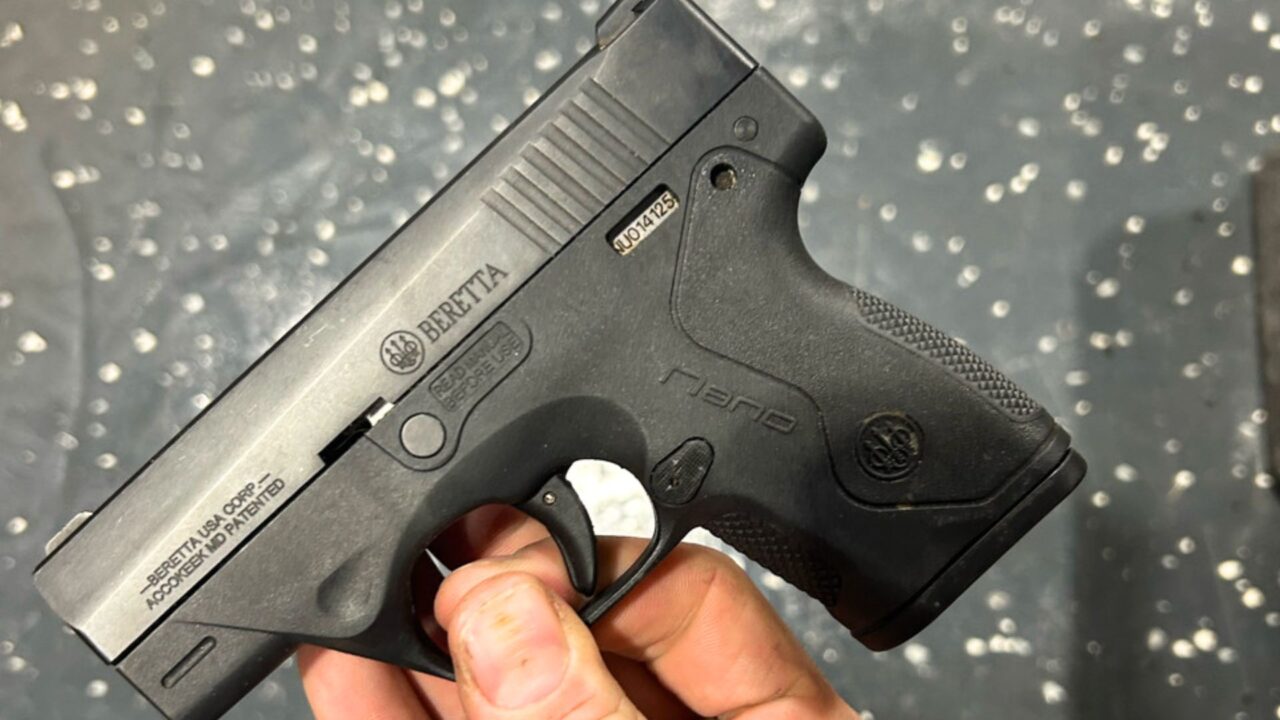
The Beretta Nano had smart ideas, and that’s why some buyers defended it early. It was smooth-sided, snag-free, compact, and built around a modular chassis-style system. For concealed carry, the shape made sense, and the Beretta name carried weight.
The complaints came from shooting and training with it. The trigger felt heavy to many owners, the grip was short, and the lack of an external slide stop lever bothered shooters who practiced reloads and manipulations. The Nano was not a disaster, but the market quickly filled with slim 9mms that shot better and offered more. Buyers learned that a carry pistol can be easy to hide and still not be easy enough to run well.
Taurus PT 24/7
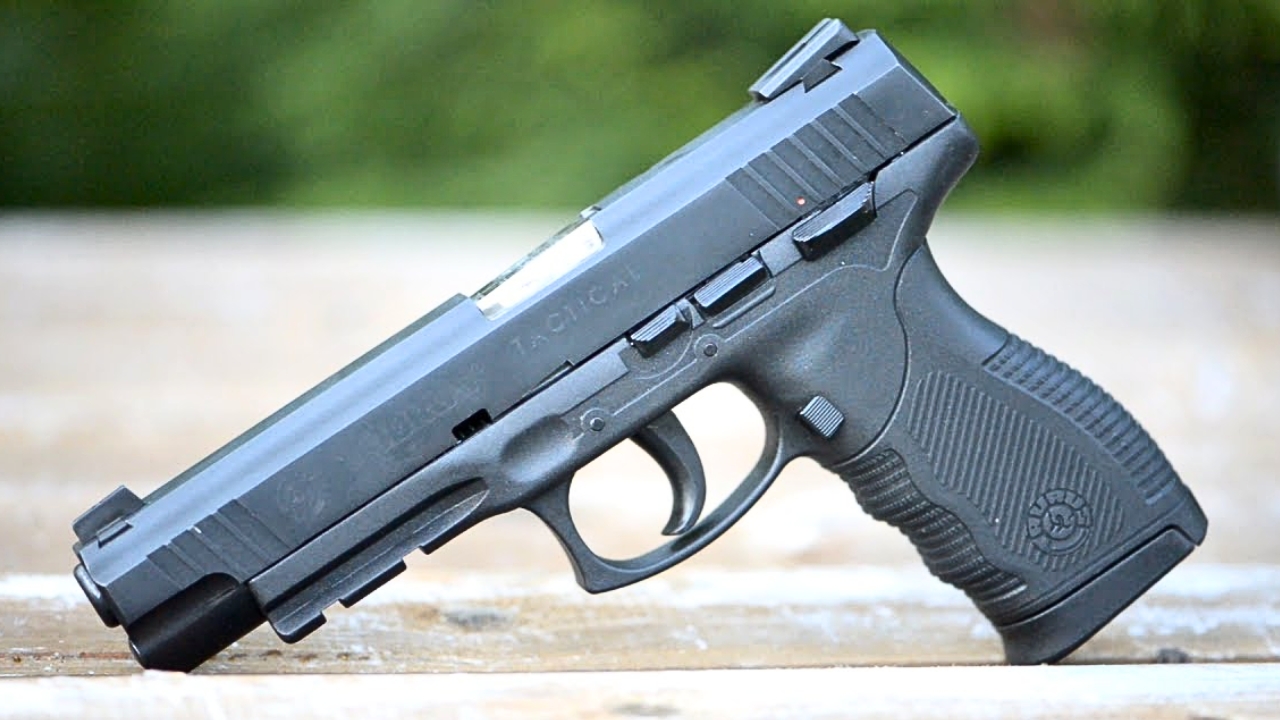
The Taurus PT 24/7 had a period where it looked like a practical budget defensive pistol. It offered capacity, an approachable price, and a grip many shooters found comfortable. For buyers who wanted something affordable for home defense or carry, it had obvious appeal.
Then the safety concerns and recall history became impossible to ignore. A defensive handgun has to inspire trust, and any cloud around drop safety or unintended-discharge allegations is hard to overcome. Individual owners may have had examples that worked fine, but the broader reputation took a serious hit. Buyers learned that when a gun meant for protection comes with that much uncertainty, it is usually better to move on.
Colt All American 2000
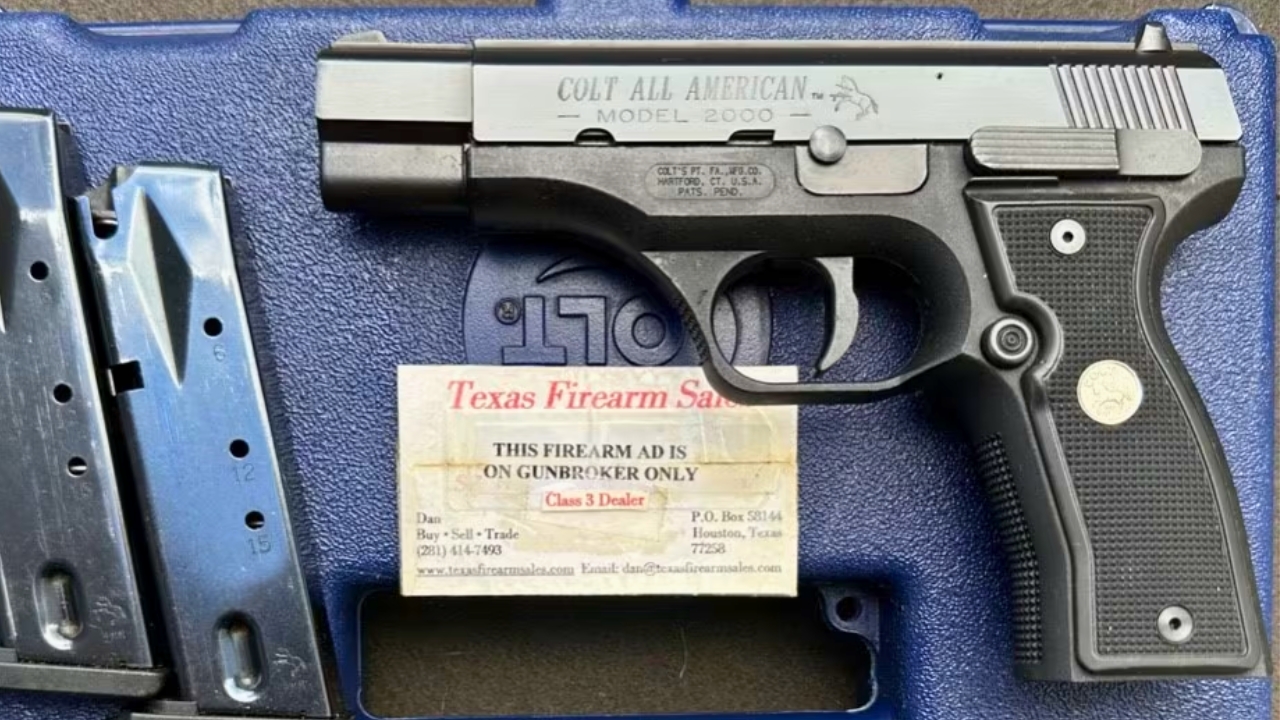
The Colt All American 2000 had the right name at the right time, at least in theory. Colt needed a modern high-capacity 9mm to compete in a changing market, and buyers had every reason to hope the company could deliver something serious.
The complaints made that hope fade quickly. The trigger was awkward, the pistol felt strange to many shooters, and it never built the trust or enthusiasm Colt needed. It became more interesting as a historical oddity than as a handgun people actually wanted to shoot and depend on. Buyers learned that a famous rollmark does not rescue a design that does not feel right in the hand or on the range.
Remington RP9
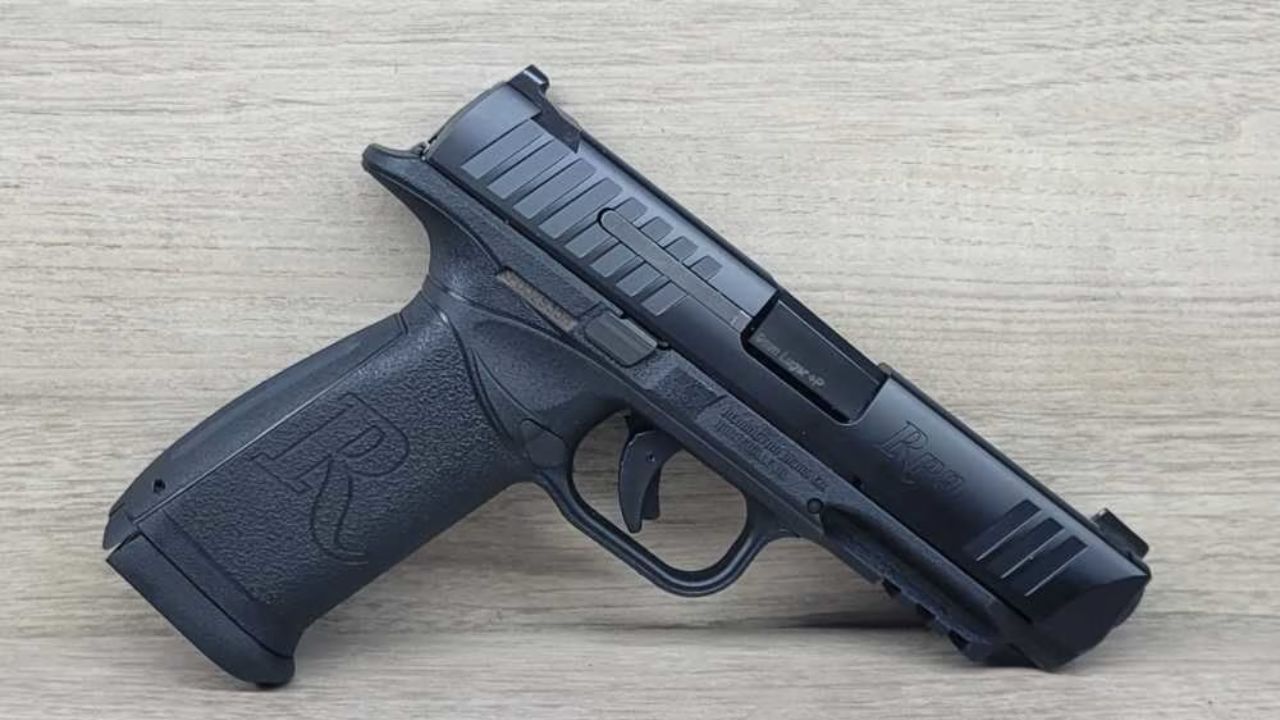
The Remington RP9 looked like a practical full-size 9mm with a reasonable price. It had good capacity, interchangeable backstraps, and a familiar brand name. In a less crowded market, that may have been enough to get more attention.
But the complaints were hard to ignore because the competition was so strong. Many shooters disliked the grip shape, the trigger did not impress, and the pistol lacked the refinement needed to pull buyers away from proven options like Glock, M&P, CZ, Walther, or SIG. A full-size pistol needs to feel confidence-building. The RP9 often felt like a checklist gun that arrived too late and offered too little.
KelTec PMR-30
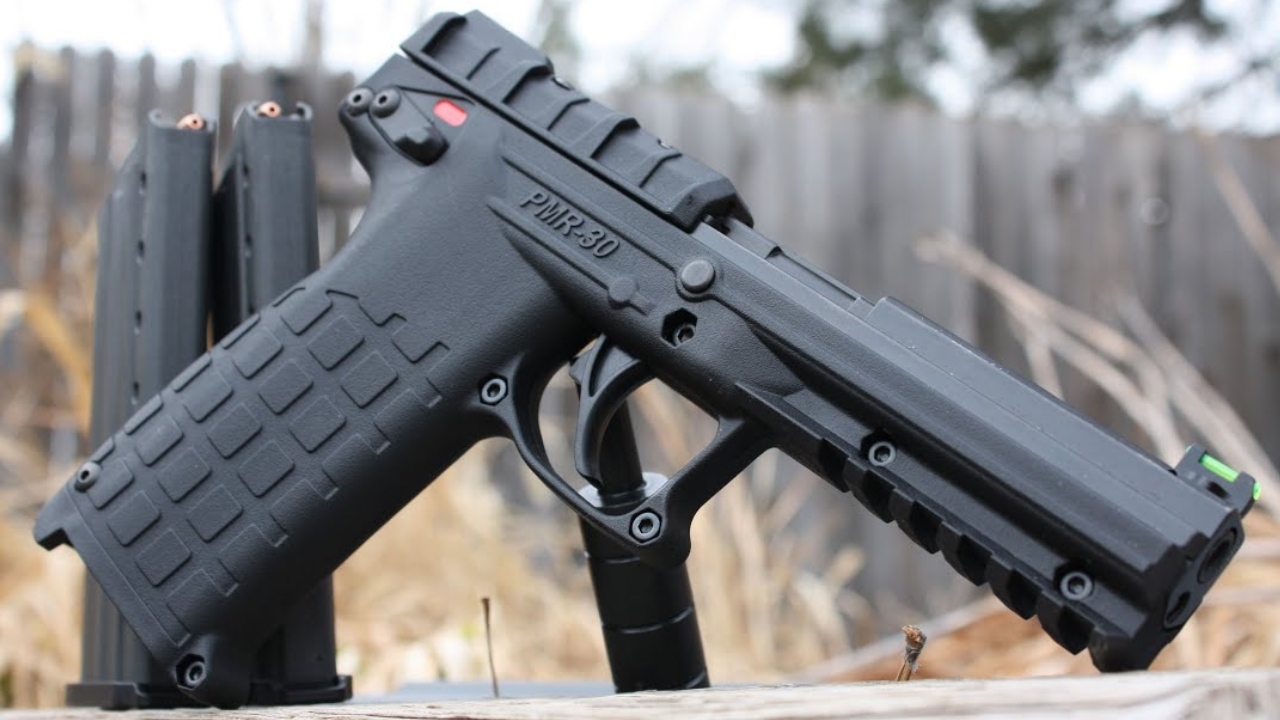
The KelTec PMR-30 is one of those guns buyers want to like because the idea is so fun. Thirty rounds of .22 WMR in a lightweight pistol sounds like a blast, and when everything works, it can be exactly that. The appeal is obvious.
The complaints usually involve the patience required. Ammunition choice matters, magazine loading matters, and reliability can be less carefree than buyers expect. The long grip also does not suit everyone. Some owners love the PMR-30 for range fun or trail use, but others learned that the quirks can outweigh the novelty. Buyers who want effortless reliability often learned to avoid it unless they were willing to work within its limits.
Remington V3 Tac-13
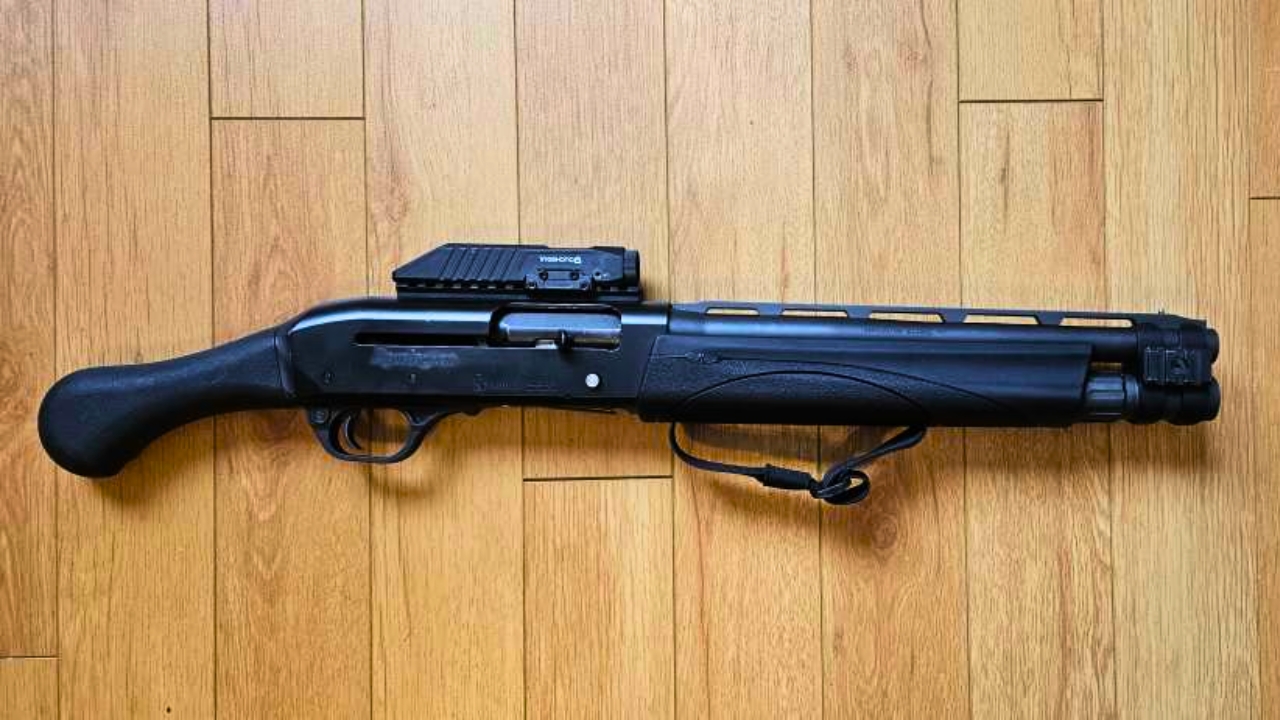
The Remington V3 Tac-13 looked like a compact 12-gauge powerhouse. Semi-auto operation, short overall length, and a serious visual presence made it immediately interesting. It was the kind of firearm people noticed before they asked whether it was actually practical.
The complaints mostly came down to usefulness and control. It is loud, expensive, hard-kicking, and less intuitive than a properly stocked shotgun. It can be fun and collectible, but defending it as a practical tool takes work. Buyers learned that compact does not automatically mean easier to use. For most normal shotgun jobs, a stocked shotgun remains far more trustworthy and effective.
Desert Eagle .50 AE
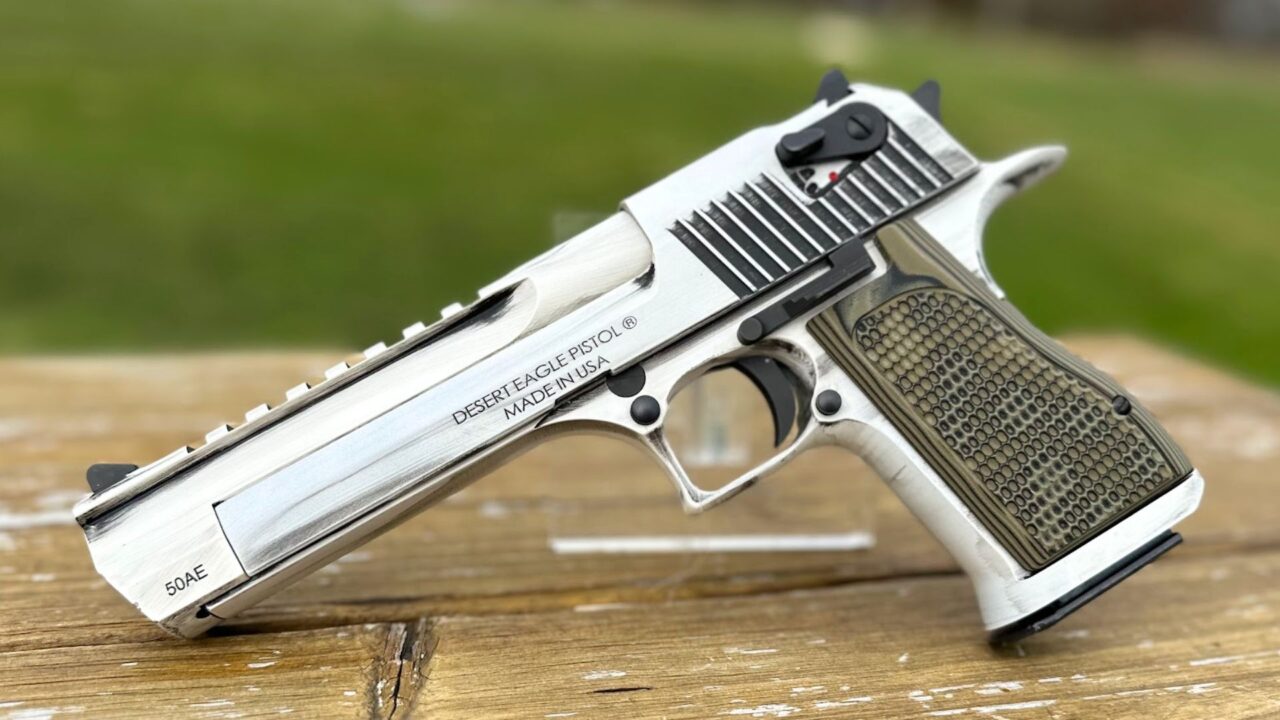
The Desert Eagle .50 AE is not usually avoided because it is poorly made. It is avoided because enough owners have explained what living with one is really like. It is huge, heavy, expensive to feed, and not practical for most handgun roles. That is not a flaw if the buyer knows exactly what they want.
The problem is when people buy the image and expect usefulness to follow. The pistol can be ammunition-sensitive, grip-sensitive, and tiring during longer range sessions. It is iconic, loud, and fun, but it is also a specialized range or collecting piece for most people. Buyers learned that wanting one is understandable. Buying one without accepting the tradeoffs is where regret starts.
Like The Avid Outdoorsman’s content? Subscribe to our newsletter so you never miss an article.
Here’s more from us: