Photo credit: The Avid Outdoorsman
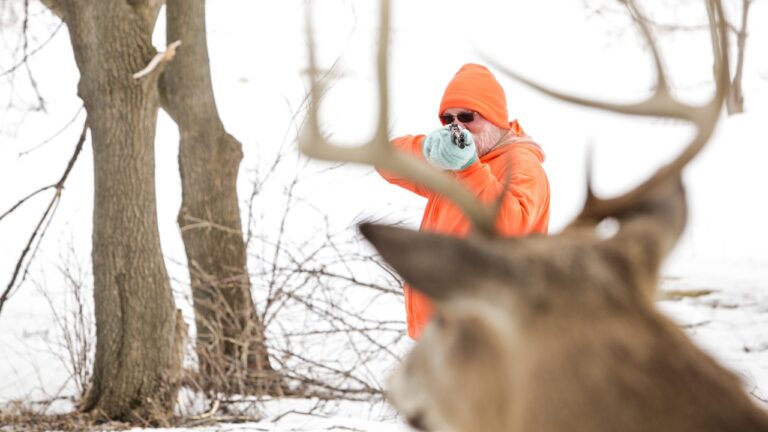
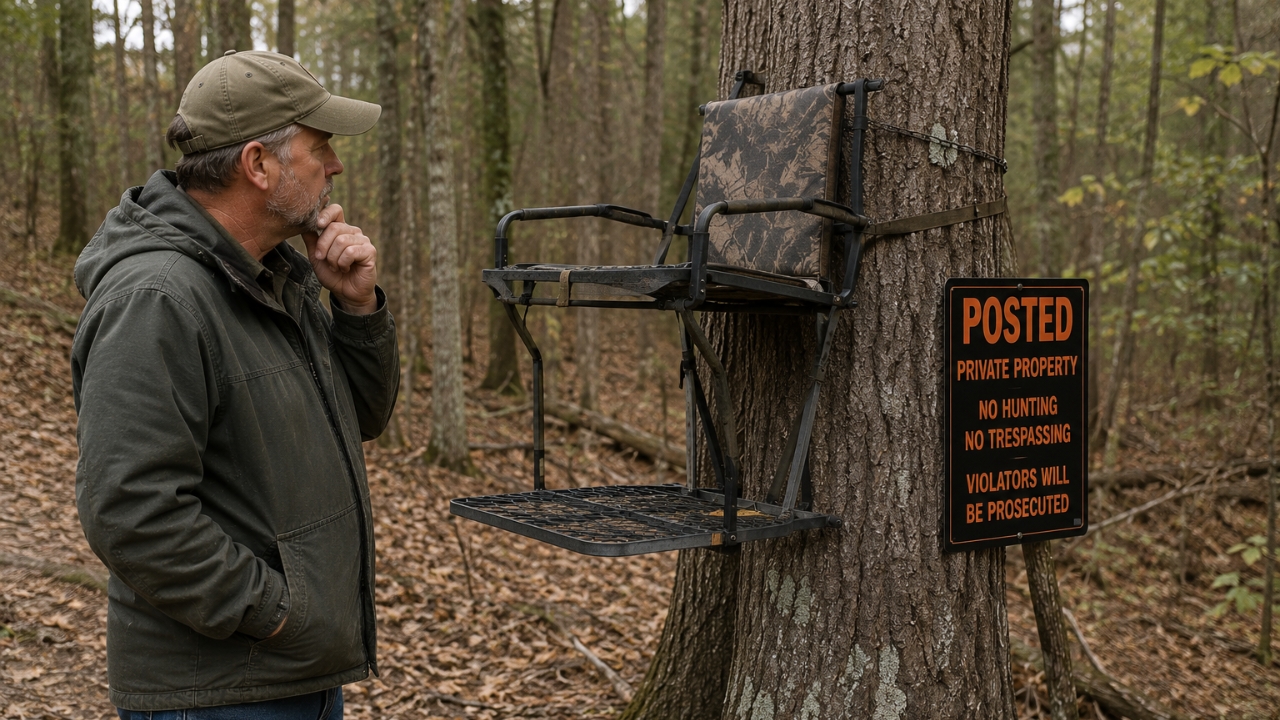
The landowner said he found the tree stand earlier in the year, long before the main pressure of hunting season arrived. According to the Reddit post, the stand was sitting on posted land where nobody had permission to place it.
The original Reddit post can be found here: https://www.reddit.com/r/legaladvice/comments/k0u2jz/earlier_in_the_year_l_found_a_hunting_treestand/
That timing made the situation feel different. Finding a stand during the middle of deer season can feel urgent because the hunter may return any morning. Finding one months earlier gives a landowner a little more time, but it also raises the same basic question: who put it there, and are they planning to come back?
A tree stand is not something that appears by mistake. Someone had to walk onto the property, pick a tree, haul the stand in, set it up, and leave it there for later use. If the land was posted, that made the situation harder to excuse as simple confusion.
For the landowner, the stand was not only a piece of gear. It was evidence that someone had crossed onto private property and treated it like a place they could hunt. That can make a person start checking trails, fence lines, game sign, and access points differently. If someone placed a stand once, they may have been scouting the land more than once.
The landowner wanted to know what they could do before the hunter returned. That is where these cases get frustrating. The stand is on private land without permission, but destroying it or keeping it outright can still create an argument if the owner later claims it was stolen or damaged.
The safest route usually starts with proof. Take pictures. Mark the location. Show the posted signs. Confirm the property line. If there are tracks, trimmed branches, bait, shooting lanes, or other signs of activity, document those too. Then call the game warden or local law enforcement and ask how they want it handled.
A trail camera can also help. If the hunter comes back, the landowner may get a face, vehicle, or timing pattern without needing to confront anyone in the woods. That matters because direct confrontation with an unknown hunter is risky, especially if they come back armed during season.
The stand had been found early enough that the landowner had time to handle it calmly. But ignoring it could send the wrong message. If the person who placed it returned and found it untouched, they might assume nobody cared or nobody noticed.
Commenters told the landowner to document the stand before doing anything with it. Several suggested taking photos from multiple angles, including any no-trespassing signs or boundary markers nearby.
Others recommended calling a game warden. Since the stand suggested hunting activity, wildlife officers could explain whether the landowner could remove it, whether a warning should be left, or whether they wanted to investigate.
Some commenters said the landowner could post an additional notice near the stand making it clear the property was private and hunting was not allowed. Others preferred removing the stand after documentation, depending on local law and guidance from authorities.
Trail cameras came up repeatedly. Commenters said a camera aimed at the stand could identify the trespasser if they returned. That would make any future report stronger than simply saying an unknown person must have been there.
A few people warned the landowner not to wait in the woods to catch the hunter personally. Trespassing hunters may be armed, defensive, or angry if confronted. It is safer to let documentation and official channels handle the problem.
The post ended with the landowner trying to get ahead of the issue before the season brought the hunter back. The stand may have been sitting quietly in the woods, but what it represented was not quiet at all: someone had already crossed the line once and may have been planning to do it again.
Like The Avid Outdoorsman’s content? Subscribe to our newsletter so you never miss an article.
Here’s more from us: