Photo credit: The Avid Outdoorsman
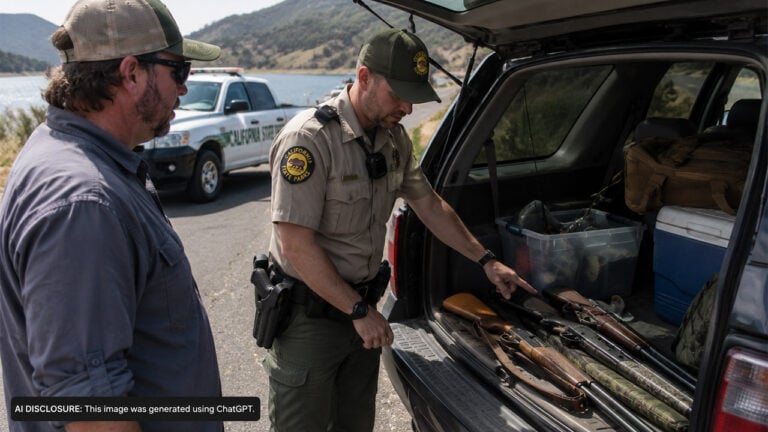
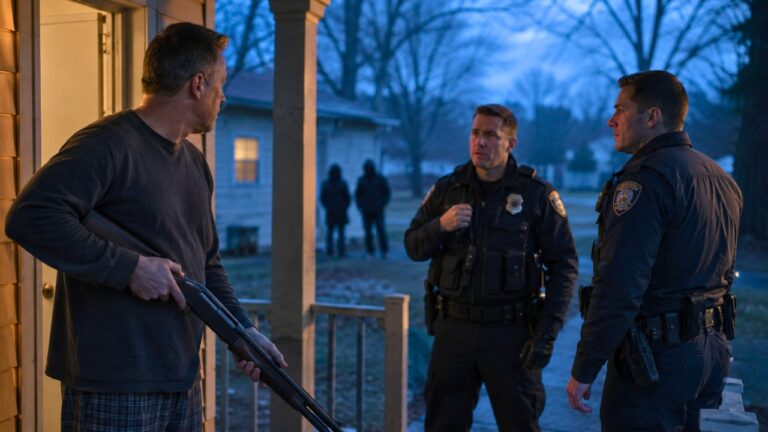
The driver said the firearm was stolen out of his vehicle in Indianapolis, and at first, the recovery sounded like the best possible news. According to the Reddit post, police recovered the handgun within about two weeks.
That should have felt like the end of the problem. The gun was no longer missing. It was no longer floating around somewhere unknown. Police had it, which meant the owner could at least stop worrying that it was still in someone else’s hands.
But getting a stolen firearm recovered is not the same thing as getting it returned.
The original Reddit post can be found here: https://www.reddit.com/r/legaladvice/comments/68mipc/indianapolis_indiana_my_firearm_was_stolen_and/
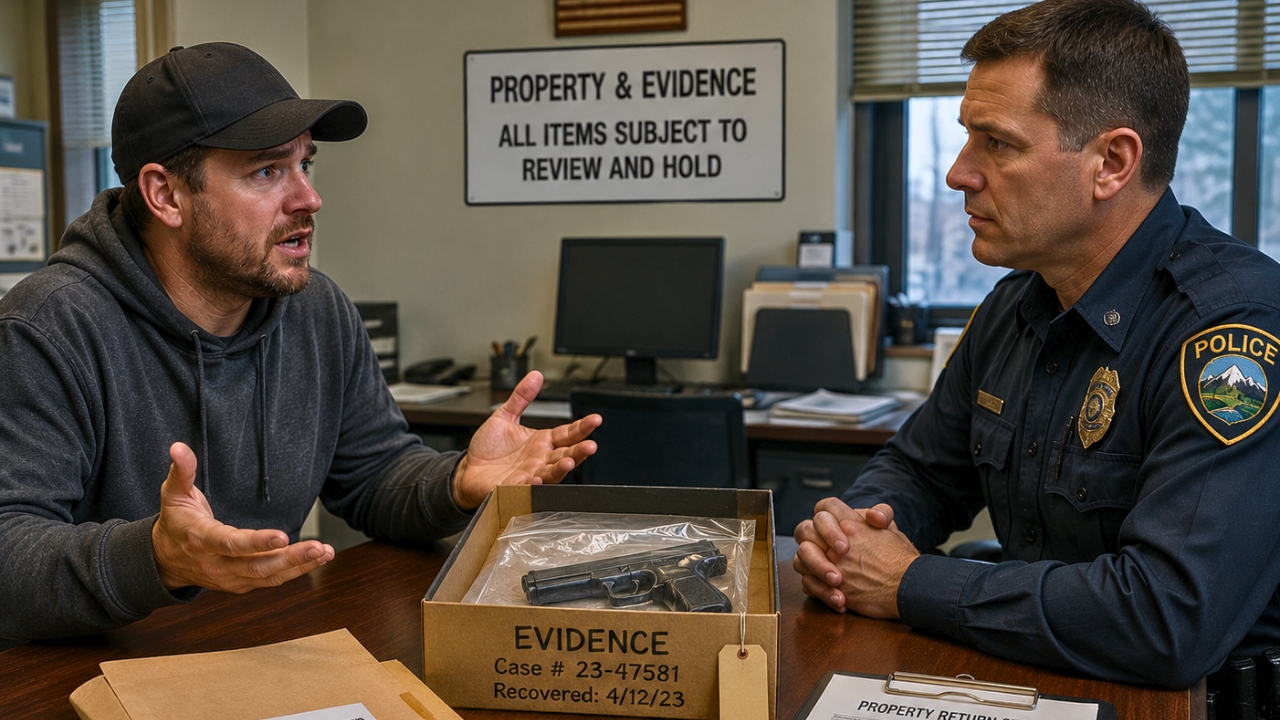
The owner said the firearm had been sitting in evidence for more than a year. That created a different kind of frustration. On one hand, it made sense that police might hold a stolen gun if it was connected to an arrest, an investigation, or a criminal case. On the other hand, the lawful owner was left waiting with no clear idea of when, or whether, the handgun would come back.
That is one of the strange realities of stolen firearms. Recovery is only the first step. If the gun was found on a suspect, used in another crime, altered, tested, or needed as evidence, the owner may not be able to retrieve it until the case is finished. That can take months or even longer, depending on court schedules, charges, appeals, and department procedures.
For the owner, the wait likely felt unfair. The gun was his property. He had reported it stolen. Police had recovered it quickly. Yet he still did not have it back after a year. That gap between “we found it” and “you can pick it up” is where a lot of owners get stuck.
The post was not framed as police doing something wrong. It was more about understanding the process. The owner wanted to know how long a department could keep the firearm, what steps he could take, and who actually had authority to release it. The answer might depend on whether prosecutors still needed it, whether the related case was open, and whether the evidence division had received clearance.
There was also the practical concern of condition. A gun sitting in evidence for a long time may not come back exactly as it left. It could have been handled, tested, stored, or damaged before recovery. The owner would need to inspect it carefully if it was eventually released.
Commenters told him to contact the evidence or property room directly if he had not already. Several said patrol officers or front-desk staff may not know the release status, but the evidence division would be the place that tracks whether the firearm is still on hold.
Others suggested asking whether the prosecutor’s office had placed an evidence hold on the gun. If the firearm was tied to a criminal case, the police department might not be able to release it until prosecutors cleared it.
Some commenters said he should get every answer in writing if possible. A record of who he spoke with, what they said, and whether the case was still pending could help if the firearm sat for months longer without explanation.
A few people recommended contacting an attorney if the department gave no clear process or if the related case had already ended. An attorney could ask more formal questions and help determine whether the owner had any path to compel release.
The post ended with the owner in a frustrating but common position. The handgun had been recovered quickly, but the legal system moved slowly. Until the evidence hold was lifted, the gun was safe from thieves — but still out of reach.
Like The Avid Outdoorsman’s content? Subscribe to our newsletter so you never miss an article.
Here’s more from us: