
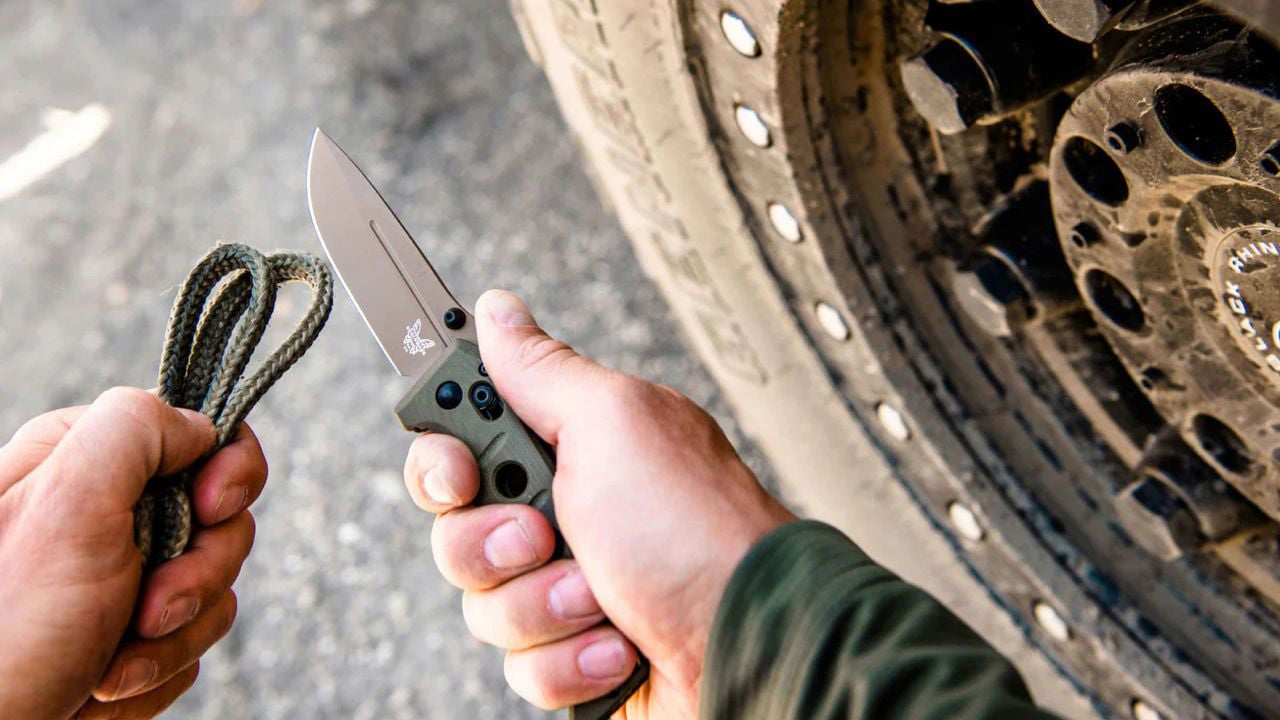
Photo credit: Benchmade
A folder does not have to be a pry bar to earn a place in camp, but it does need to stay tight when the work gets dirty. Hard camp chores mean carving tent stakes, breaking down feed sacks, trimming cordage, shaving kindling, notching wood, slicing hose, cleaning fish, and doing all the little rough jobs that punish weak pivots and sloppy lock geometry. The knives on this list stand out because their makers pair tough blade steels with robust lock designs, full liners or titanium frames, and hard-use reputations that make sense for outdoorsmen who actually use a folder instead of babying it. Features like Tri-Ad locks, Compression locks, Ball Bearing locks, Reeve Integral locks, and stout frame locks are a big part of why these models keep coming up in serious-use conversations.
One thing worth saying up front: any folding knife can develop side-to-side or vertical play if it gets abused, loosened up, packed with grit, or used for jobs it was never built to do. Emerson’s own knife guide flat-out says no folding lock is infallible, which is the honest answer more companies should give. So this is not a list of magic folders. It is a list of folders built with the kind of lock strength, handle construction, and pivot design that give you a better chance of getting through hard camp use without that loose, sloppy feel showing up early.
Benchmade Adamas
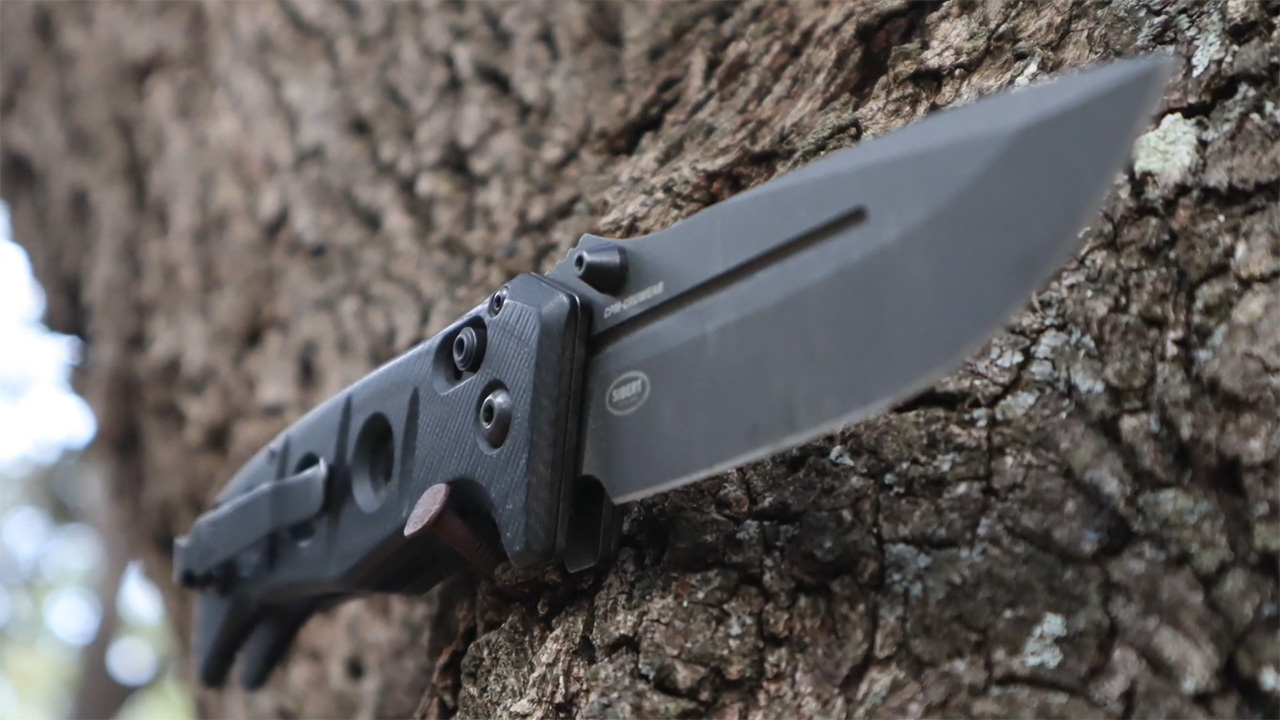
The full-size Benchmade Adamas is one of the easiest picks for this topic because Benchmade is not coy about what it is. The company pitches the Adamas family for duty, survival, and high-stress environments, and the current models pair CPM-CruWear with the AXIS lock and G10 scales. Benchmade also leans hard on CruWear’s toughness and edge stability for sustained hard use, which makes sense for a folder meant to be pushed harder than a lightweight EDC.
What I like about the Adamas for camp work is that it feels like a real working knife instead of a pocket jewelry piece trying to act tough on the internet. It is thick, it is stout, and it has enough handle and blade to get through ugly jobs without feeling underbuilt. If you keep the pivot clean and do not ask it to do fixed-blade nonsense, it is one of the safer bets in the production market for a folder that stays solid through rough use.
Benchmade Mini Adamas
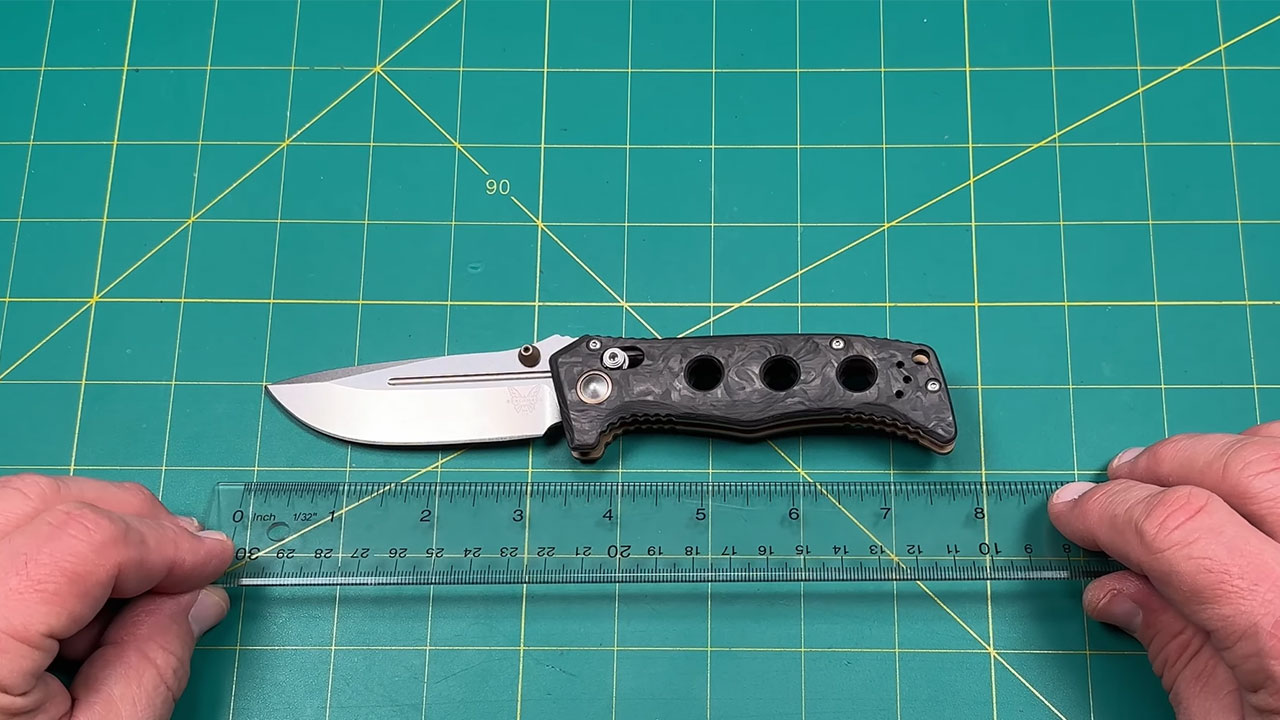
The Mini Adamas deserves its own spot because it keeps the same basic hard-use formula in a carry package that makes more sense for a lot of guys. Benchmade still builds it around CPM-CruWear at 63–65 HRC, G10, and the AXIS lock, and the company calls it a stout tactical folder that carries the same rugged reliability as the bigger model. That is a pretty good summary of why it works.
A lot of people want one knife that can ride in the pocket all day and still handle the kind of camp chores that usually expose weak folders. The Mini Adamas is a good answer to that because it gives up some bulk without turning into a dainty cutter. For a guy who wants a hard-use folder but does not want a brick in his jeans, this is one of the better balances on the market.
Cold Steel AD-10
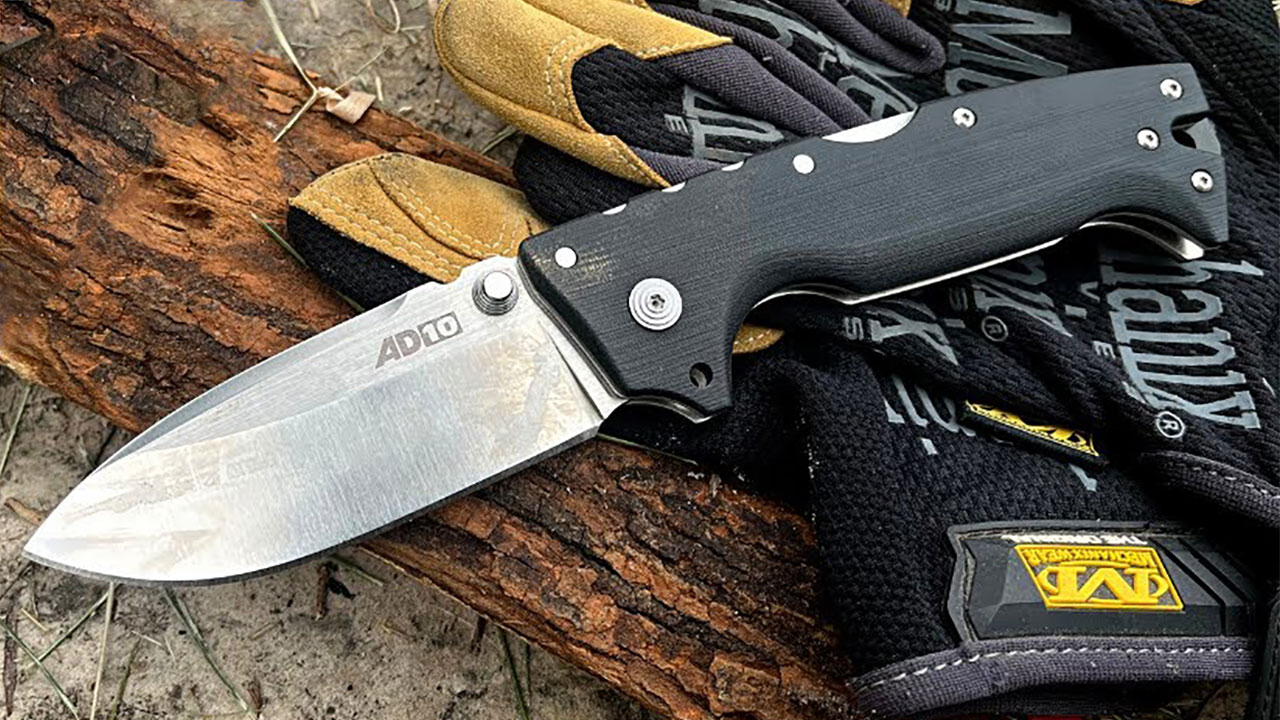
The AD-10 is built around exactly the kind of stuff that helps a folder stay tight under hard use. Cold Steel gives it full-length aluminum liners, oversized hardware, G10 scales, and the Tri-Ad lock, which the company has spent years marketing as one of its signature strength advantages. The AD-10 page also makes it plain that the design is meant to bring some of the feel of Andrew Demko’s larger hard-use folders into a more carryable package.
This is one of those knives that makes immediate sense the second you put it in hand. It is not built to win a light-weight pocket dump contest. It is built to feel planted, secure, and overbuilt in the places that matter. For hard camp chores, that is usually the right answer. A stout lock and a real handle go a long way toward keeping a folder feeling honest after a season of use.
Cold Steel Recon 1
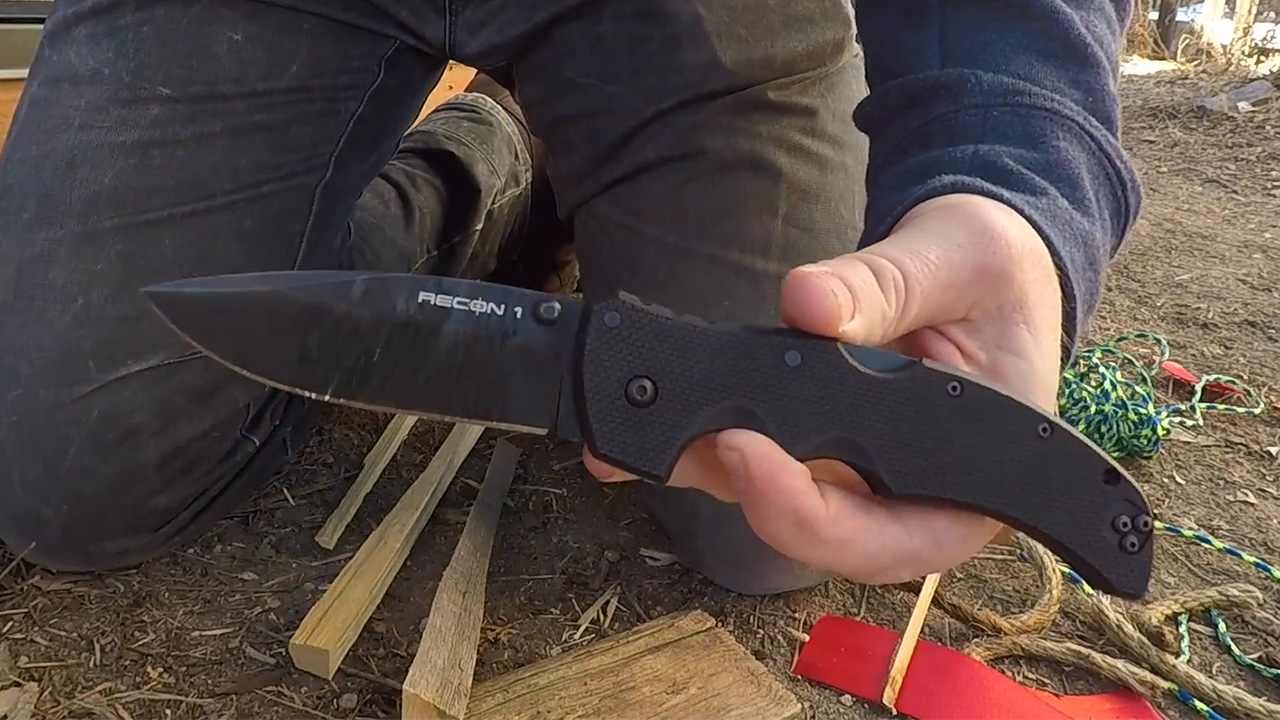
The Recon 1 has been a hard-use standby for a reason. Current versions still use the Tri-Ad lock, and Cold Steel says that system bridges the gap between a folder and a fixed blade better than most production folders can. The Recon 1 pages also call out S35VN or MagnaCut variants depending on the version, which gives it a stronger materials story than a lot of older hard-use designs that never evolved.
For camp chores, the Recon 1 is attractive because it is tough without being clumsy. It has that Cold Steel lockup confidence a lot of guys like, but it still cuts like a knife instead of a folding pry tool. If you want something that can ride daily and still shrug off rough outdoor work, the Recon 1 remains one of the safer production picks.
Spyderco Shaman
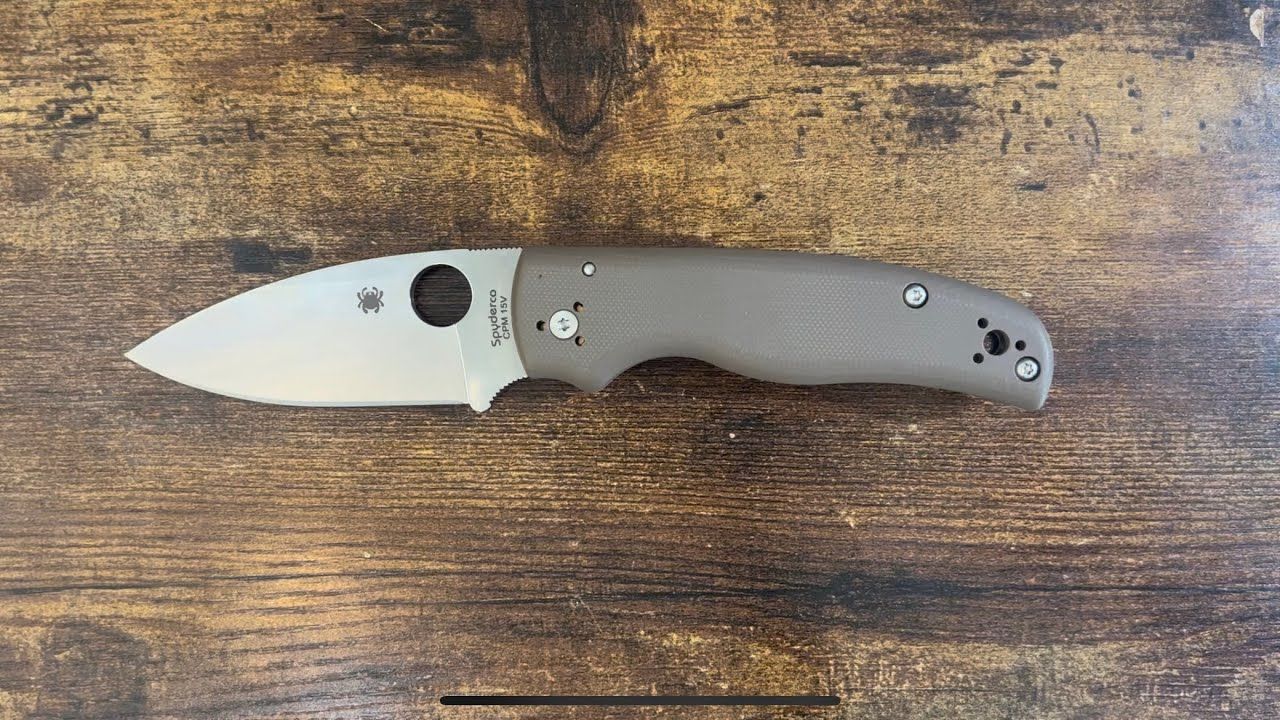
Spyderco’s Shaman is a good example of a knife that blends cutting performance with a build stout enough for real work. Spyderco specs it with a Compression Lock, contoured G10, nested stainless liners, and a full-flat-ground blade. The company’s current versions show steels like CPM S30V, Spy27, and MagnaCut depending on the run, but the important part for this article is the platform itself: large handle, strong lock geometry, and enough blade to actually work.
The Shaman is one of my favorite answers for a guy who wants a folder that still cuts like a Spyderco but does not feel precious. It has real palm-filling ergonomics and a lock that has earned trust over years of hard use by a lot of outdoorsmen. If your camp chores involve more slicing and carving than brute-force nonsense, the Shaman is a very smart pick.
Spyderco Manix 2 XL
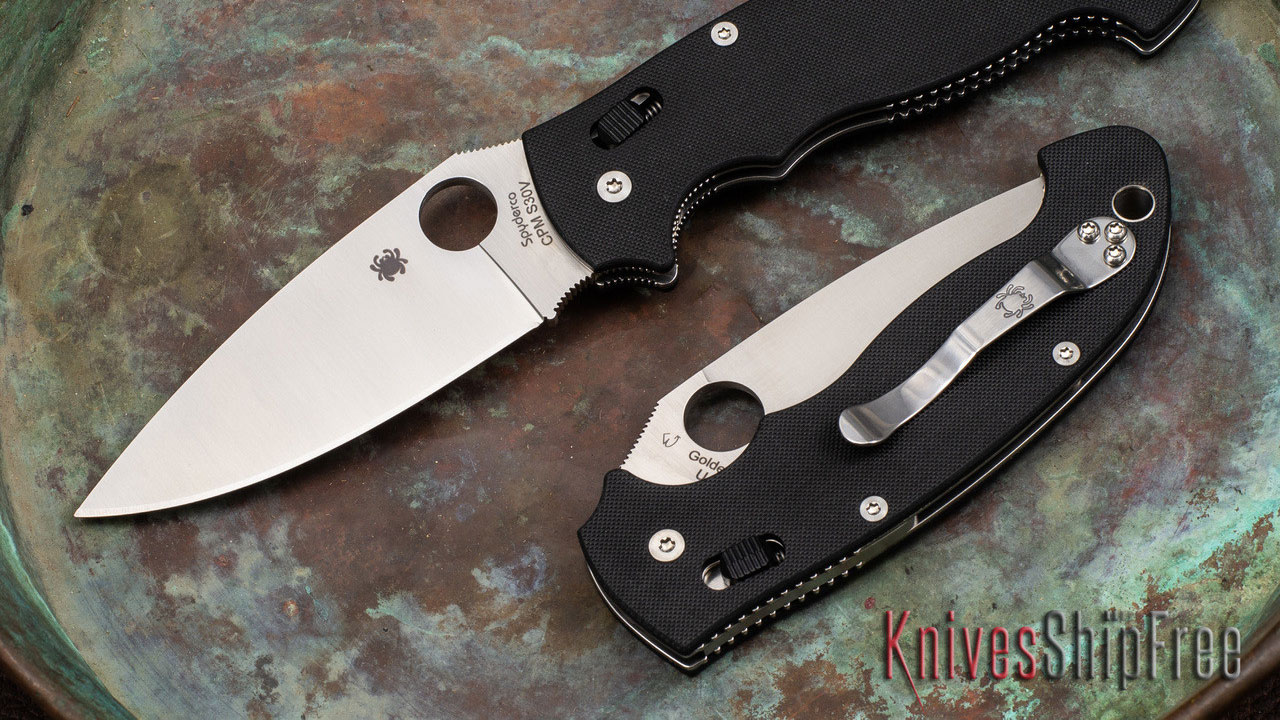
The Manix 2 XL belongs here because Spyderco did not build it like a featherweight office knife. The company gives it a Ball Bearing Lock, full skeletonized stainless liners, G10 or Micarta scales depending on version, and a broad blade platform that has enough size for real outdoor work. Spyderco specifically describes the lock as high strength, and the reinforced liner-and-backspacer setup tells you this knife was built to stay together.
What makes the Manix 2 XL good for camp is that it carries the strength story without getting weird about it. It is big, but it is still practical. It opens clean, locks up solid, and gives you enough handle to keep control when your hands are wet, cold, or dirty. If you like Spyderco ergonomics but want something burlier than the average EDC piece, this is one of the better choices they make.
Zero Tolerance 0562TI
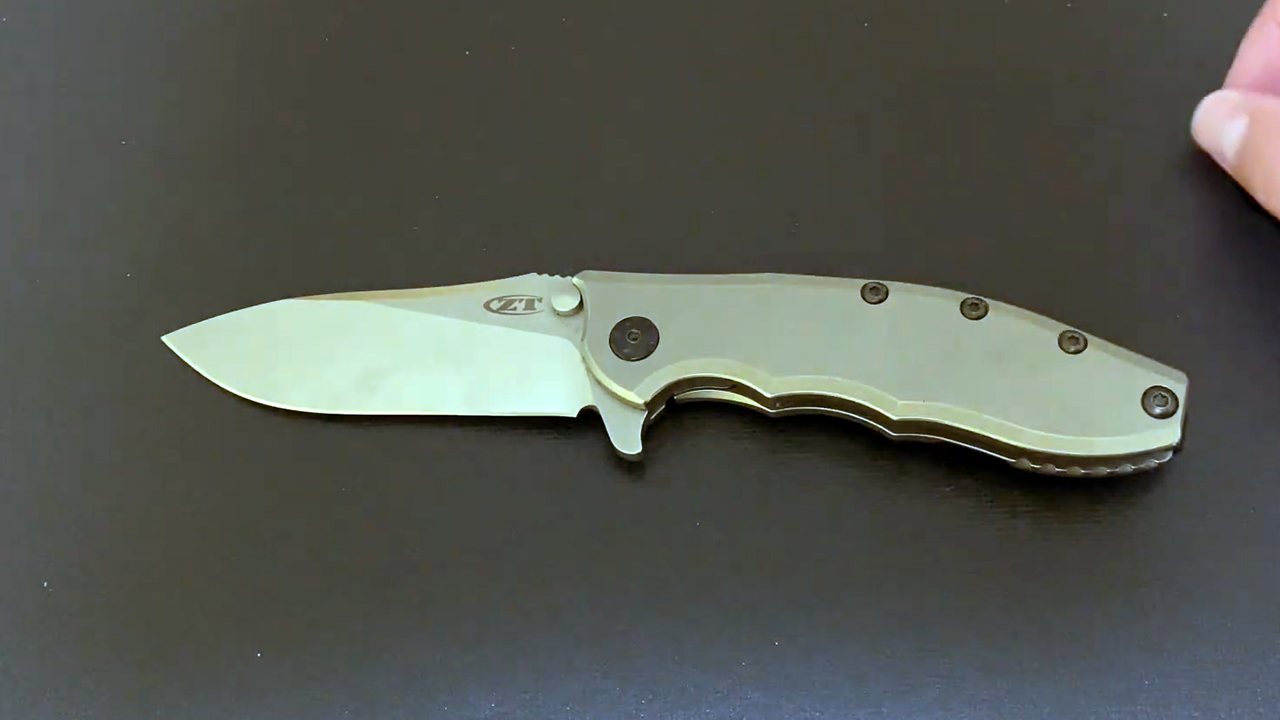
Zero Tolerance built the 0562TI around a titanium frame lock with a lockbar stabilizer, and the company pairs that with MagnaCut on the current version. That is a strong recipe for a folder expected to do more than open packages. ZT also highlights the inside-mounted deep-carry clip and the made-in-USA build, but the real reason it lands here is the robust frame-lock platform and the Hinderer DNA behind the design.
The 0562TI is a good pick for someone who wants a hard-use folder that still feels refined. It is not as tank-like as some of the Cold Steel options, but it is still plenty stout and usually feels more polished in pocket and hand. For camp chores that involve steady cutting, carving, and repeated use over a long weekend, it has the build to stay honest while carrying better than a lot of pure bruisers.
Rick Hinderer XM-18 3.5
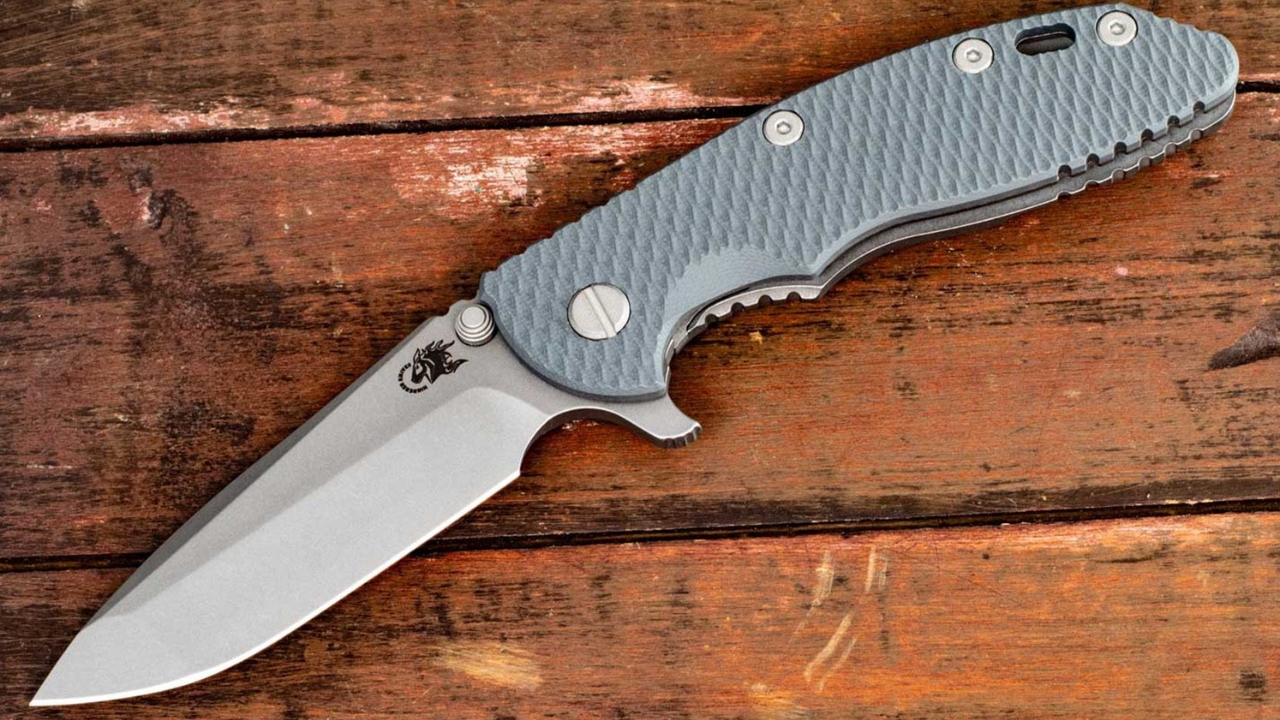
The XM-18 3.5 is almost impossible to leave off a list like this. Hinderer’s current pages show the model in multiple blade shapes and steels, and the platform is famous for its Tri-Way pivot system and thick frame-lock construction. Even the site’s service notes distinguish between Tri-Way and pre-Tri-Way models, which tells you how established that build system has become in the XM line.
There are tougher folders than the XM-18 on paper, and there are slicier ones too, but very few have the same reputation for feeling like a serious work knife you can actually pocket every day. For camp chores, that matters. It gives you a very confidence-inspiring frame lock, thick hardware, and a design that was never meant to be delicate. It is expensive, but it earns its place.
Chris Reeve Inkosi
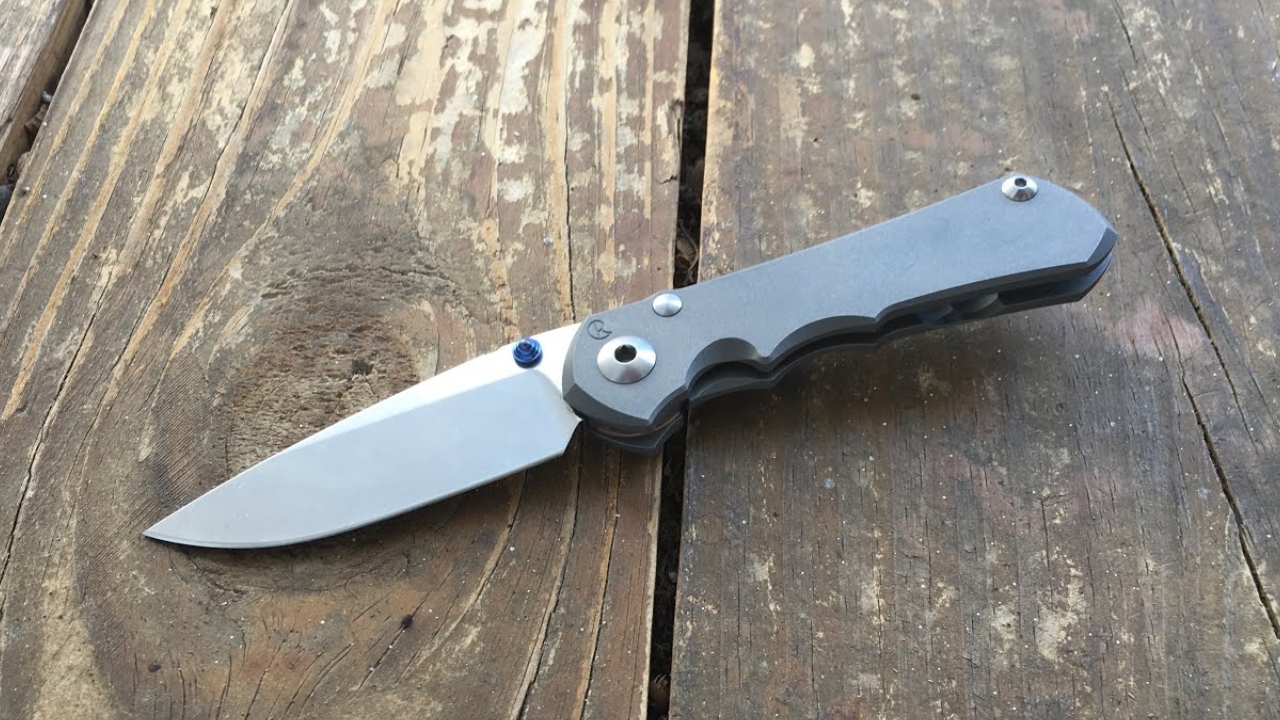
The Inkosi is a different kind of hard-use folder. Chris Reeve does not sell it with the same chest-thumping language some brands use, but the engineering story is strong. The company says the Inkosi pushes blade strength, pivot and lock tolerances, and ergonomics, and it uses the Reeve Integral Lock with a ceramic ball interface to prevent wear and maintain accurate lockup over the knife’s lifetime. That is directly relevant to avoiding the loose, tired feel that ruins a work folder.
What makes the Inkosi so good is that it feels controlled and exact instead of overbuilt for show. It is a knife for someone who values long-term mechanical confidence more than brute-size bragging rights. If your camp chores lean toward serious cutting, repeated use, and wanting the knife to feel the same years from now as it did out of the box, the Inkosi is one of the best premium answers out there.
Chris Reeve Sebenza 31

The Sebenza 31 earns a slot for a lot of the same reasons as the Inkosi. Chris Reeve builds it around the Reeve Integral Lock with ceramic ball interface, titanium handles, and MagnaCut or S45VN depending on availability. The company’s feature list is pretty straightforward, but that is part of why the Sebenza still matters. It is a knife built on lockup consistency, precision, and long service life rather than trend-chasing extras.
I would not call the Sebenza 31 the most aggressive hard-camp folder on this list, but I would absolutely call it one of the most proven long-haul folders here. It is for the guy who wants a knife that stays smooth, stays reliable, and keeps that bank-vault feel if he treats it like a cutting tool and not a demolition bar. That is a different kind of toughness, but it counts.
Spartan Harsey Folder
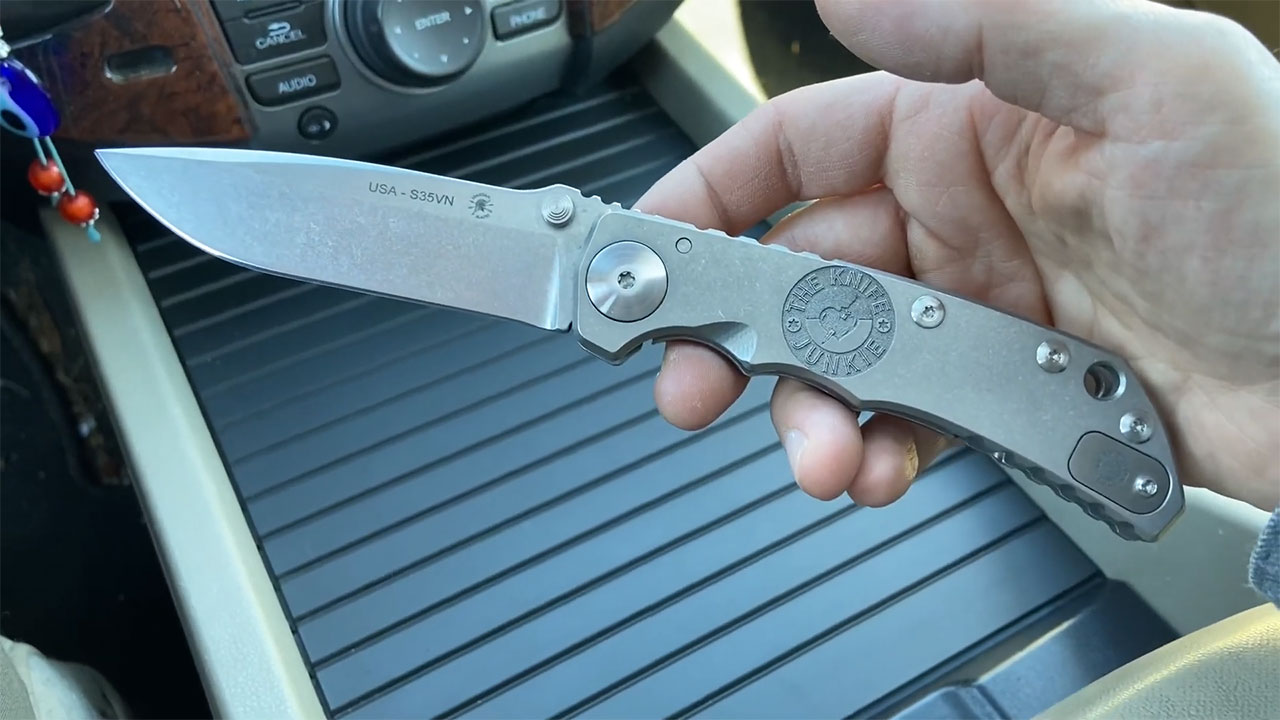
The Spartan Harsey Folder is a beast in the best way. Spartan’s current specs show a 6AL-4V titanium frame, MagnaCut blade steel at roughly 61–63 HRC, and a blade length around 4 inches on the full-size version. That is a lot of knife, and it is clearly aimed at users who want strength, reach, and a very confidence-inspiring frame-lock platform.
This is not a subtle choice, and that is exactly why some outdoorsmen will love it. The Harsey Folder feels like it was made for guys who are hard on gear and do not want their folder feeling like the weak link in camp. It is larger than what many people want for everyday carry, but for camp chores where grip, leverage, and lock confidence matter more than pocket comfort, it is a serious option.
Doug Ritter RSK Mk1-G2
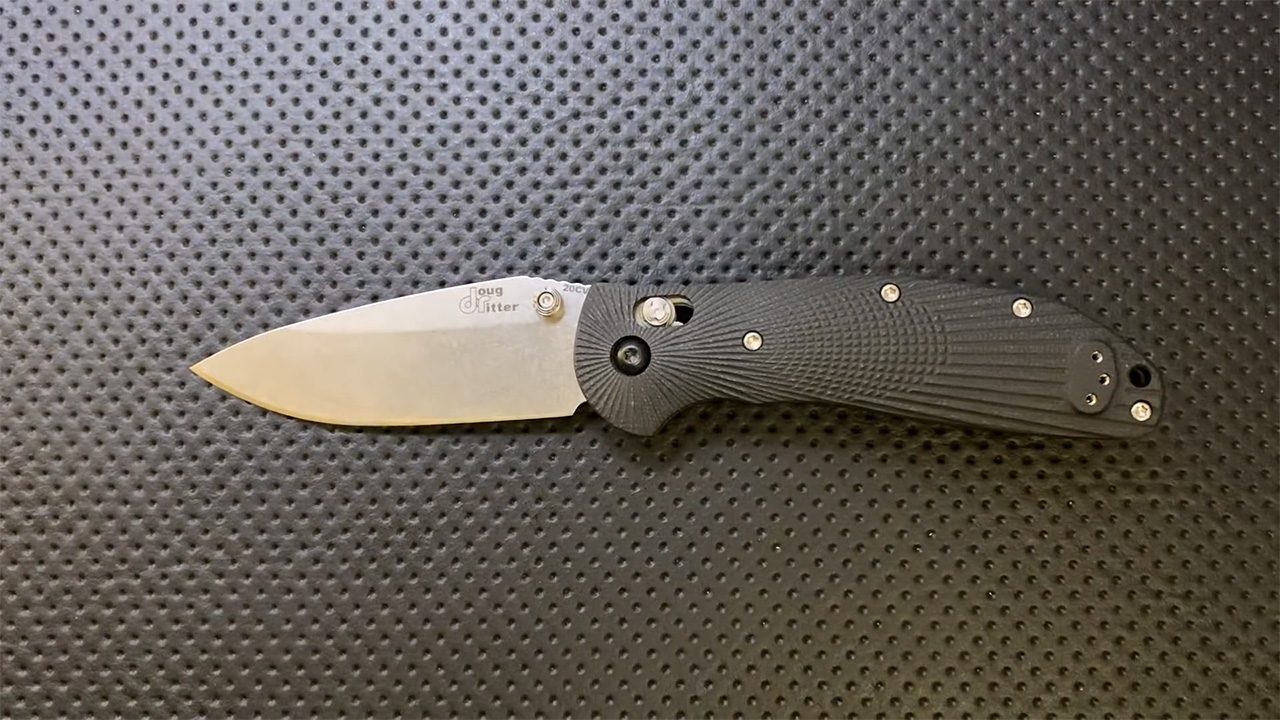
The Ritter RSK Mk1-G2 is one of the smarter hard-use buys for people who want performance without jumping all the way into custom-level pricing. KnifeWorks’ current specs show MagnaCut at 61–63 HRC, stainless liners, phosphor bronze washers, G10, and the ambidextrous ABLE Lock. That is a strong mix of corrosion resistance, toughness, and solid lock architecture in a very usable size.
What I like about the RSK is that it does not look or feel gimmicky. It feels like a practical outdoorsman’s folder. The blade shape is useful, the lock is easy to trust, and the washer-and-liner setup makes sense for a knife that may get dirty and keep working anyway. For guys who want a real field knife in folding form, this one deserves more attention than it gets.
Demko AD20.5
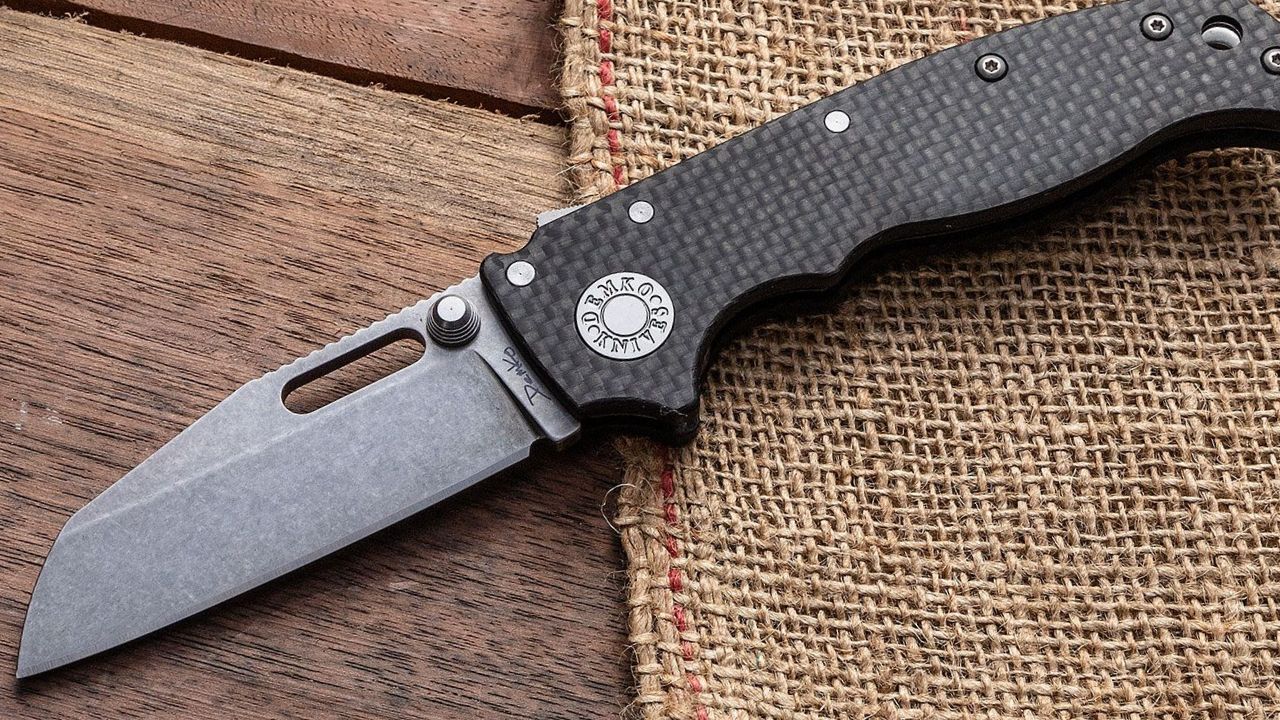
The AD20.5 is smaller and lighter than some of the tanks on this list, but it still earns a place because the Shark-Lock platform has become one of the more interesting modern lock designs for people who care about strength and easy operation. Demko’s current AD20.5 listings show versions in S35VN, 20CV, and even 3V, with steel liners, G10 or titanium depending on variant, and that spine-mounted Shark-Lock mechanism.
For camp use, the AD20.5 is appealing because it gives you a lot of confidence for the size. It does not feel flimsy, and it avoids the mushy, light-duty feel that ruins some mid-size folders. I still think the larger AD20 platform is more of a brute, but the AD20.5 is easier to carry and still stout enough to earn a place in camp if you want a compact hard-use knife.
Buck 110 Folding Hunter
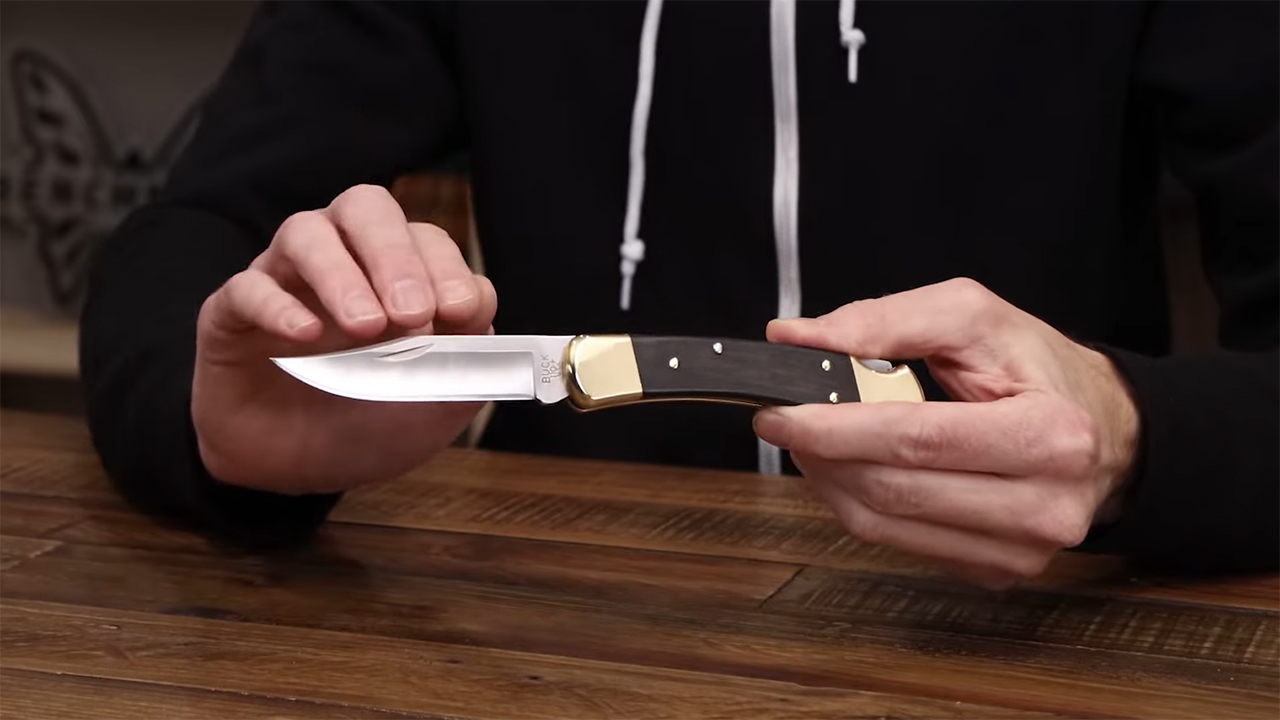
The Buck 110 is the old-school answer, and it still deserves respect. Buck says the 110 Folding Hunter has been an American favorite for more than 50 years, and the company still sells the classic lockback version with ebony handles and brass bolsters. That older lockback layout may not be trendy, but it built its reputation the hard way, through decades of hunting camps and real field use.
No, the Buck 110 is not the fanciest lock on this list, and no, it is not the easiest one-hand camp folder either. But if the question is which knives have actually proven they can survive years of outdoor chores without turning into junk, the 110 has already answered that. It is a classic because it worked, and it still works if you like a traditional folder with real backbone.
Emerson CQC-7
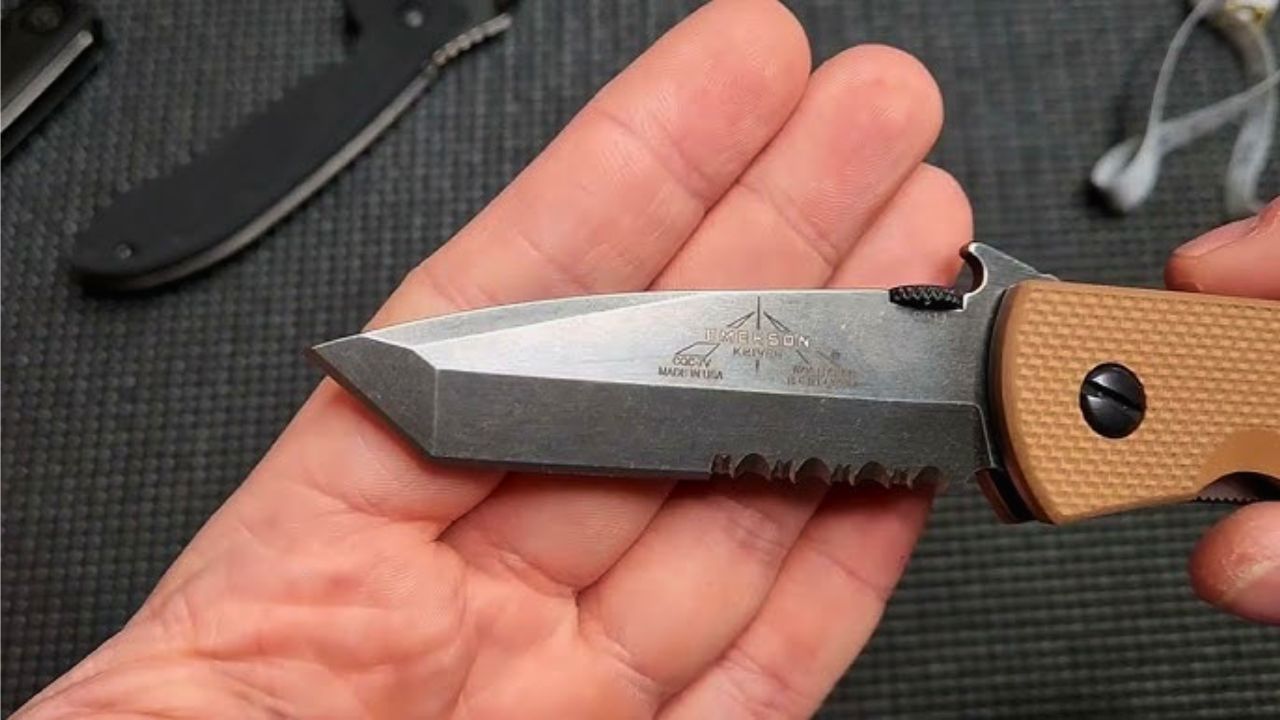
The Emerson CQC-7 gets in here a little differently from the others because Emerson himself is blunt about folder limits. The company’s guidance says no lock is infallible, which I appreciate, but the CQC-7 still earns respect because it is one of the iconic hard-use tactical folder patterns in the U.S. Emerson’s current product pages still lean on that history, the chisel-ground blade, and the knife’s long-running status as a benchmark model.
I would not put the CQC-7 at the very top if pure camp-food slicing is the priority. But for a guy who wants a hard-use folder with real grit, strong deployment options, and a long reputation for taking work, it still makes sense. It is not polished. It is not trying to be. It is the kind of knife people buy because they want an Emerson, use it hard, and keep coming back to that same no-frills formula.
Like The Avid Outdoorsman’s content? Subscribe to our newsletter so you never miss an article.
Here’s more from us:


