Photo credit: Pixabay/Pixabay.com
A lot of dogs can come across sweet, easygoing, or downright harmless right up until the moment their instincts kick in. That does not always mean they are bad dogs. Most of the time, it means they are reading something their owner missed, reacting to pressure, or flipping from relaxed to serious faster than people expected. That shift is what catches folks off guard. A wagging tail, calm eyes, and a friendly greeting can make people think they have the whole dog figured out when really they have only seen one side of it.
Some breeds are especially known for that switch. They can be affectionate with family, polite with guests, and steady in normal situations, but once the environment changes, a stranger acts wrong, or tension enters the picture, the whole dog changes with it. These are the kinds of breeds that make experienced owners pay attention. They are often loyal, intelligent, and deeply tuned in, but they are not the kind of dogs you treat like a stuffed animal with paws.
German Shepherd

German Shepherds can be incredibly warm with their people. A good one often acts playful at home, loves being close to family, and can seem downright gentle in everyday life. That is part of why so many people underestimate them. They see the dog lying by the couch or happily following kids around the yard and forget this breed was built to assess, respond, and hold ground when something feels wrong.
That shift can happen fast. A Shepherd may not bark or posture at first. Sometimes the dog simply locks in, changes posture, and starts watching harder than before. That is the part experienced handlers notice. They know a German Shepherd usually does not get serious for no reason, but once it does, it can go from social to all business in a hurry. They are not unstable dogs when bred and handled right, but they are absolutely not casual dogs either.
Rottweiler

Rottweilers often fool people because they can be affectionate, goofy, and surprisingly laid-back around family. A lot of them love attention, lean into people for affection, and carry themselves with a quiet kind of confidence that can read as harmless. But that calm presence is exactly why they deserve respect. They are not the type to waste energy on constant drama. When something changes, they tend to show it with seriousness instead of noise.
What makes them different is how deliberate they can be. A Rottweiler that senses tension often does not put on a theatrical display. It may just square up, stare harder, and position itself between its people and the problem. That is when folks who do not know the breed can misread the moment. They think the dog is still relaxed because it is not exploding. In reality, the dog may already be fully engaged mentally and just deciding what happens next.
Doberman Pinscher

Dobermans can be downright affectionate with their families. They are often clingy in a way people do not expect from such a sharp-looking breed, and many of them act almost too sweet to match their reputation. They love structure, closeness, and knowing where their people are. Because of that, outsiders sometimes assume the breed’s protective image is overblown or outdated. It usually is not. That instinct is still there, just under better control than people realize.
When something feels off, a Doberman tends to change quickly but cleanly. The body gets tighter. The focus narrows. The dog stops looking social and starts looking purposeful. That is what sets them apart. They often do not need a lot of chaos to show they have clocked a threat. In experienced hands, that makes them impressive. In weak hands, it can become a real problem. A Doberman is often friendly right up until the second it decides friendliness is no longer the job.
Belgian Malinois

A Belgian Malinois can be charming, athletic, and very social when it is getting what it needs. Many of them love interaction, work with intensity, and look eager to please in a way that draws people in fast. The problem is that a lot of folks read that eagerness as softness. It is not softness. It is drive. A Malinois can look bright-eyed and playful one minute and fully locked onto a situation the next without much warning to the untrained eye.
That is part of why this breed ends up in the wrong homes so often. People see a sharp, impressive dog that seems fun and affectionate, but they miss how intense the wiring really is. When something feels wrong, a Malinois does not usually need much time to decide. If it is stable and well-trained, that can be managed well. If not, things can go sideways fast. Friendly is not fake with them, but it is only one layer of a dog built to react hard and fast.
Boxer

Boxers can seem like oversized clowns. They bounce, play, lean on people, and often act like the life of the yard. That goofiness makes them easy to underestimate, especially for people who have only seen them in relaxed settings. A Boxer can be one of the friendliest dogs in the room right up until it senses something it does not like. Then the whole energy changes from playful to forceful in a hurry.
They are not always subtle about that switch either. A Boxer that feels tension may step forward, stiffen up, and show more edge than people expected from the same dog that was making everybody laugh an hour earlier. Their family loyalty runs deep, and when they decide something is wrong, they can get physical fast. That does not make them bad dogs. It just means the silly side is not the whole story. There is a real guardian streak in a good Boxer, and it can show up fast.
Cane Corso
Cane Corsos often carry themselves with a quiet, composed attitude that can look almost easygoing to people who do not know the breed. Around family, many are deeply attached and surprisingly affectionate. They may be calm in the house, steady around familiar people, and not nearly as dramatic as folks expect from a dog that size. That can create a false sense of safety for people who mistake calm for softness.
When a Corso decides something is not right, the change is serious. This is not usually a breed that puts on a lot of useless noise. The dog often just becomes harder, stiller, and much more focused. That is the kind of shift smart owners respect immediately. A good Corso does not need to act wild to make its point. When that dog plants its feet and locks onto a person or situation, everybody nearby ought to understand the mood has changed.
Akita

Akitas can be deeply loyal and very gentle with their own people. In the home, many are quiet, clean, and almost reserved rather than flashy. They are not usually all over everybody begging for attention, which can make them seem calm and easy. But calm in an Akita is not the same thing as laid-back. There is a lot going on under the surface, and they often read situations long before they show anything openly.
That is why the switch can catch people off guard. An Akita may tolerate a lot in silence and then suddenly decide a line has been crossed. They are not typically sloppy or chaotic when that happens. They get firm, serious, and very hard to sway. This is one of those breeds where “friendly enough” in normal conditions can fool people into forgetting what the dog was bred for. They are not random, but they are absolutely not dogs that let everybody do whatever they want.
Bullmastiff

Bullmastiffs often come off as giant sweethearts. They are usually not hyper dogs, and many have a calm, almost sleepy demeanor that makes them seem easy to read. Around family, they can be affectionate, patient, and low-drama. That relaxed presence is part of what makes them appealing. It is also part of what makes them easy to misjudge. People forget a dog that size does not need to do much to take control of a situation.
When a Bullmastiff feels something is off, it often changes through posture more than noise. The body gets more deliberate. The movement gets slower and more committed. It is not always a flashy reaction, but it can be a very serious one. This breed was built to stop problems, not just announce them. A Bullmastiff that decides a stranger is acting wrong can go from calm furniture in the room to a physical wall in a hurry.
Rhodesian Ridgeback
Rhodesian Ridgebacks are often affectionate with their families and more playful than some people expect. They can be easy to live with in the right home, and many of them carry themselves with a smooth, confident way that does not seem threatening at all. But they are not soft dogs. There is a lot of independence in them, and that independence can get serious fast when they feel like a situation needs handling.
They are the kind of dogs that often do not waste motion or emotion. A Ridgeback may seem perfectly at ease, then suddenly focus hard on someone or something that changed in the environment. That makes inexperienced owners uncomfortable because it feels like the dog came out of nowhere with it. Usually it did not. Usually the dog noticed something before the person did. This breed can be warm and social, but it still has a strong instinct to size things up on its own.
Giant Schnauzer

Giant Schnauzers can be bright, funny, and surprisingly affectionate with their families. They often love engagement and thrive when they are included in daily life. Because they are expressive and intelligent, people sometimes assume they are just big, bearded companions with personality. That misses a lot of what the breed is. A Giant Schnauzer has real edge when the situation calls for it, and that edge can show up fast.
What throws people is how quickly the dog can go from animated and social to serious and suspicious. They are alert dogs by nature, and a lot of them have very strong opinions about what belongs and what does not. If a stranger moves wrong, crowds them, or creates tension, the shift can happen in seconds. With training and leadership, that can be a good thing. Without it, you end up with a lot of dog that notices everything and does not mind acting on it.
Great Pyrenees
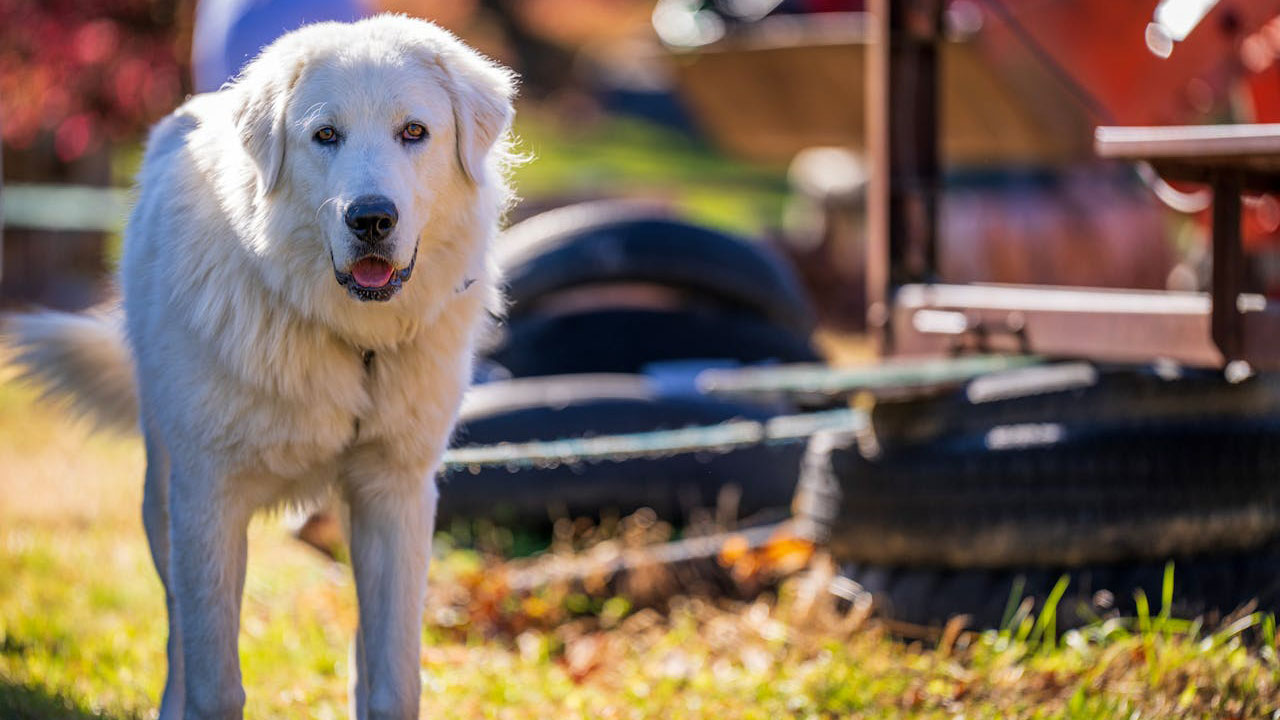
Great Pyrenees are famous for being calm, patient, and good with family, and a lot of that is true. Around the people and animals they consider theirs, they can seem almost gentle to a fault. They often move slowly, conserve energy, and act like they are too laid-back to be worried about much. That impression changes fast when they believe something is threatening their territory or stock.
A Pyrenees is not usually looking for approval before it acts. That is one of the biggest things first-time owners get wrong. These dogs were bred to make their own calls in rough conditions, often at night and away from human direction. So when something feels off, they may suddenly become very bold, very loud, or very immovable. The same dog that looked half asleep on the porch can turn into a serious problem for a stranger who pushes too far.
Anatolian Shepherd

Anatolian Shepherds often act calm to the point of looking almost detached. Around familiar people and stock, they can seem steady, quiet, and not overly interested in making a show of themselves. That calm throws people off because they assume it means the dog is relaxed about everybody. Usually it just means the dog is not wasting effort. This breed is built to watch, evaluate, and then act hard if it decides that is needed.
The change in an Anatolian can be sharp because it often happens without much warning behavior first. The dog may not bark, posture, or pace like a more dramatic breed would. It may simply go from stillness to intervention. That is why people who do not understand guardian breeds get themselves in trouble. These dogs are often friendly enough in routine situations, but they are not there to be everybody’s buddy. They are there to make sure nothing crosses the wrong line.
Kuvasz
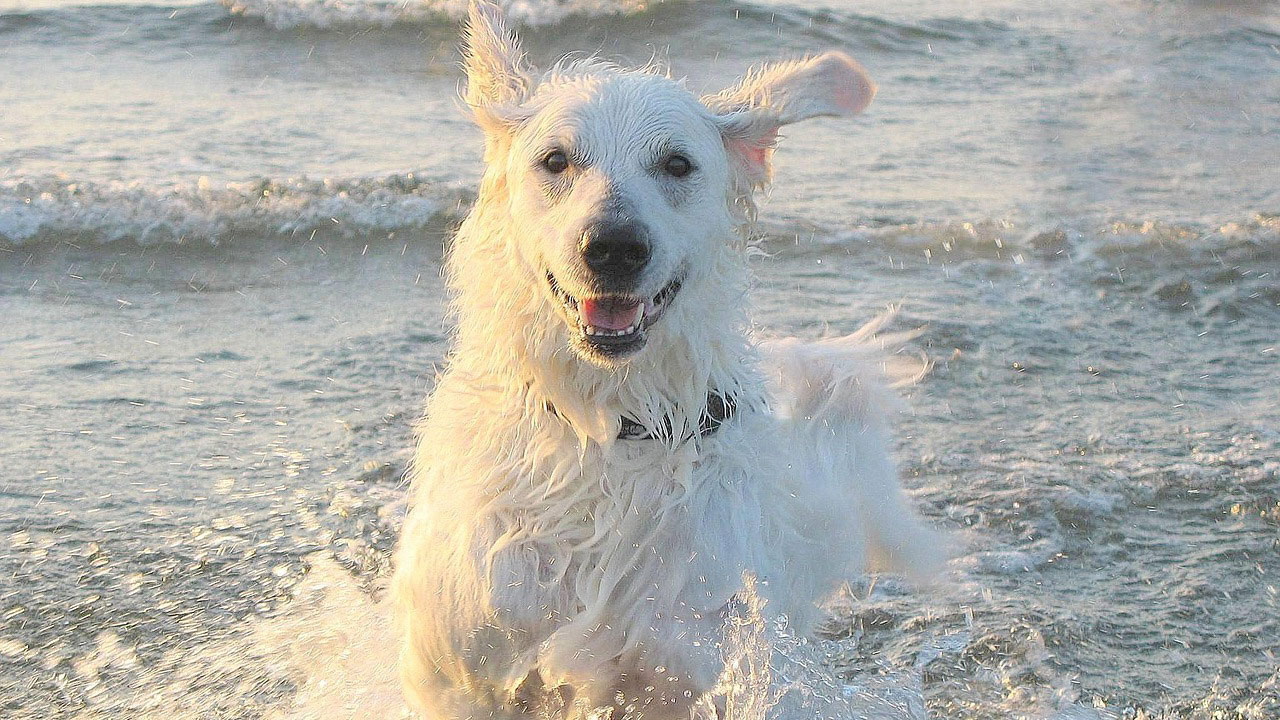
Kuvasz dogs can be affectionate, composed, and very devoted to their people. They do not always have the public reputation of some of the other guardian breeds, which makes them easier for folks to underestimate. A Kuvasz can seem calm and well-mannered for long stretches, especially in familiar settings. The problem is that people sometimes mistake that steadiness for passivity, and this breed is not passive when it thinks something matters.
Like other true guardians, the Kuvasz often carries a strong sense of responsibility for what belongs to it. When something feels off, that protective instinct can take over quickly. The dog may become more watchful, more suspicious, and much harder in its body language than it was a minute before. That can surprise anyone who thought they were dealing with a fluffy, quiet family dog. This breed can be wonderful in the right hands, but it definitely has a serious side.
Airedale Terrier
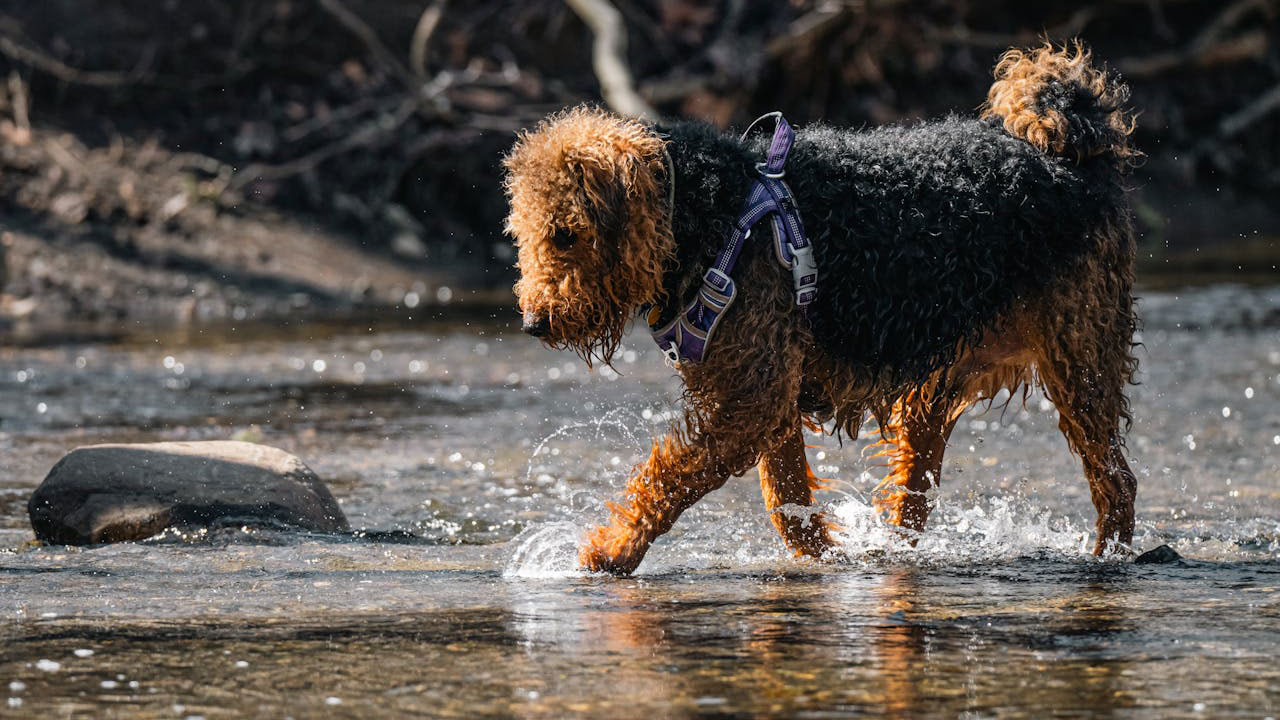
Airedales often get seen as lively, clever, and fun, and they are. They have personality for days and usually carry themselves with a kind of confidence that makes them enjoyable to be around. But underneath that charm is a tough, gamebred dog with plenty of backbone. That is where people get caught off guard. They think they are getting a stylish, spirited companion and forget this breed was never meant to be soft when pressure showed up.
When something feels wrong, an Airedale can go from playful to hard-headed in a hurry. They are thinkers, but they are also bold, and many do not scare easy once they are committed. That makes them impressive in the right setup and too much dog in the wrong one. Their friendliness is real, but it sits right beside a willingness to stand up and push back if the situation turns. That combination is a lot more serious than many people expect.
Black Russian Terrier

Black Russian Terriers often look calm, controlled, and almost stoic, especially as adults. They are usually very devoted to family and can be affectionate without being needy. Because they are not always loud or dramatic, people sometimes assume they are easier than they really are. In reality, they are powerful, intelligent dogs with a lot of presence, and they are not the kind of breed that should be left to figure things out on its own.
The shift in this breed often comes through in attention and pressure. A Black Russian Terrier that senses something off may not blow up. It may just become intensely focused and physically ready. That makes them a breed that can seem very friendly for long stretches and then suddenly feel like a completely different animal when the mood changes. Good breeding and strong handling matter a lot here. Done right, they are steady protectors. Done wrong, they can be way too much dog for the average home.
Staffordshire Bull Terrier

Staffordshire Bull Terriers are often extremely affectionate with their people. Many of them are funny, cuddly, and very people-focused, which gives them a softer reputation in some circles. Around family, that reputation is often earned. But this is still a compact, muscular terrier with real grit, and that grit can show up fast when tension enters the picture. That is where people who only know the cuddly side can get surprised.
The thing about a Staffy is that it can go from happy-go-lucky to fully serious in a very short window. That does not mean it is unstable. It means it is a terrier, and a strong one at that. If the dog feels challenged, cornered, or pulled into conflict, it may respond with more force than people expected from a dog that was rolling on the couch ten minutes earlier. With structure, they can be wonderful. Without it, that intensity can catch folks flat-footed.
American Bulldog

American Bulldogs can be outgoing, affectionate, and full of personality. They are often good with their people and can come across as goofy in a way that makes them seem easier than they are. But this is still a strong, physical breed with real guarding and catch-dog roots behind it. That background tends to show itself when the dog feels pressure, sees a threat, or decides someone is acting wrong around its family.
They are not always subtle about the shift either. Some American Bulldogs go from social to confrontational in a way that leaves no doubt the mood has changed. The same dog that was soaking up attention might suddenly plant itself, get still, and dare something to keep moving. That does not make them bad dogs. It makes them a breed that still carries serious purpose under all that family-dog charm. People who treat them casually often find out the hard way that charm is not the whole package.
Chesapeake Bay Retriever
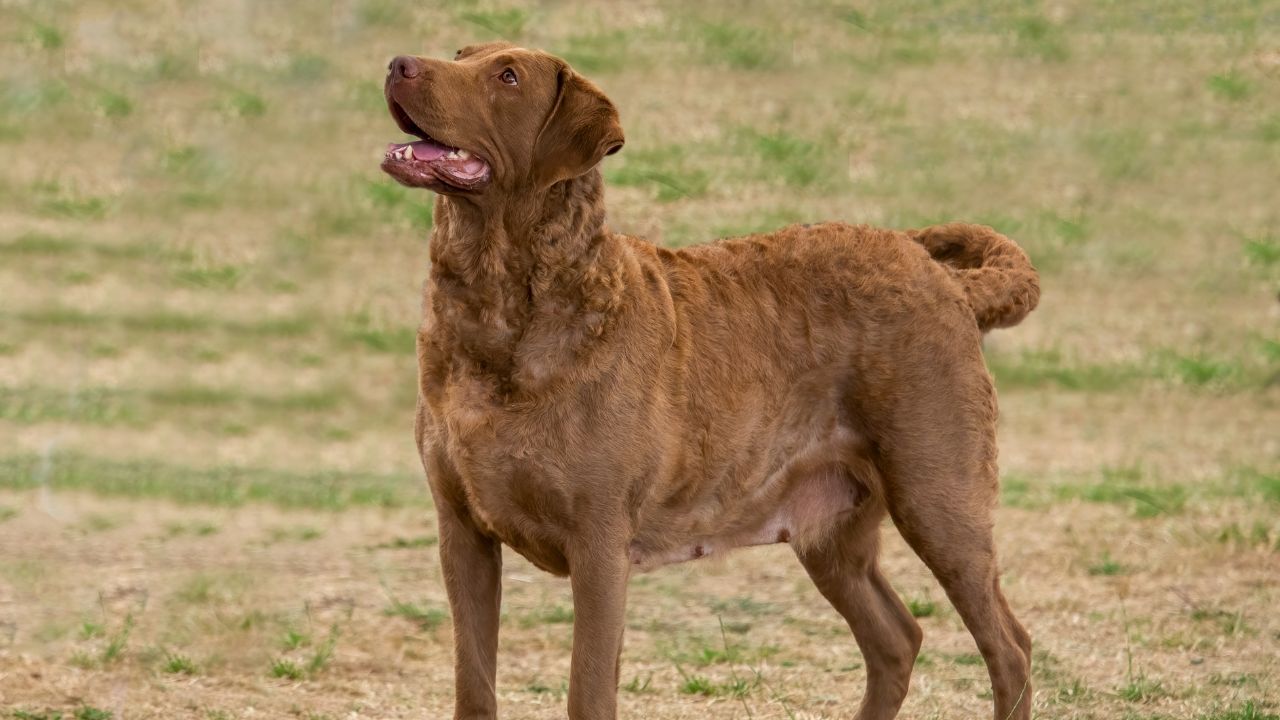
Chesapeake Bay Retrievers are often seen as just tough retrievers, but that leaves out a lot of the breed’s harder edges. They can be deeply loyal, affectionate with family, and very steady in the home. Because they fit into the retriever category, some people expect them to have the same open-to-everybody attitude as a Lab or Golden. A lot of Chessies do not. They are often more guarded, more serious, and much more likely to decide not everybody needs access.
That is why they can seem friendly until something feels off. A Chesapeake may tolerate plenty, but when it decides a person or situation is wrong, the dog can get cold and firm in a hurry. They are not usually wild about it. They are just very sure of themselves. That combination of loyalty, intelligence, and suspicion is a lot more serious than many people expect from a dog with “retriever” in the name.
Presa Canario
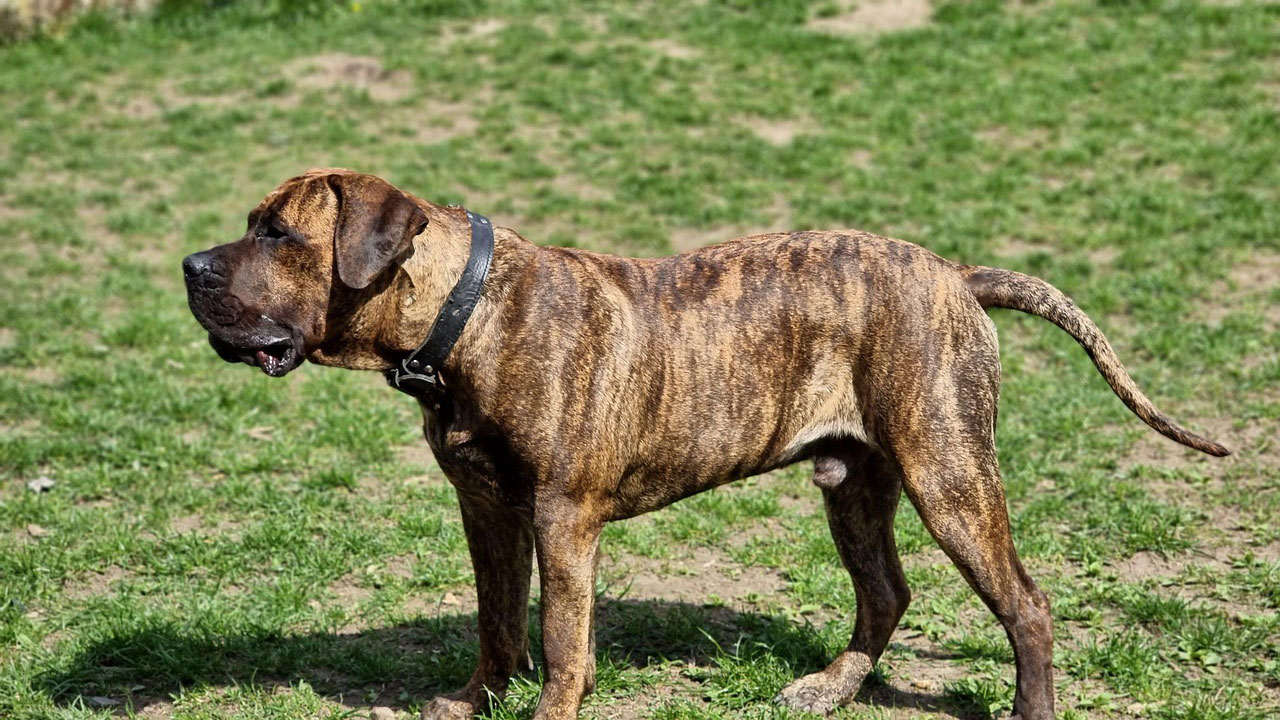
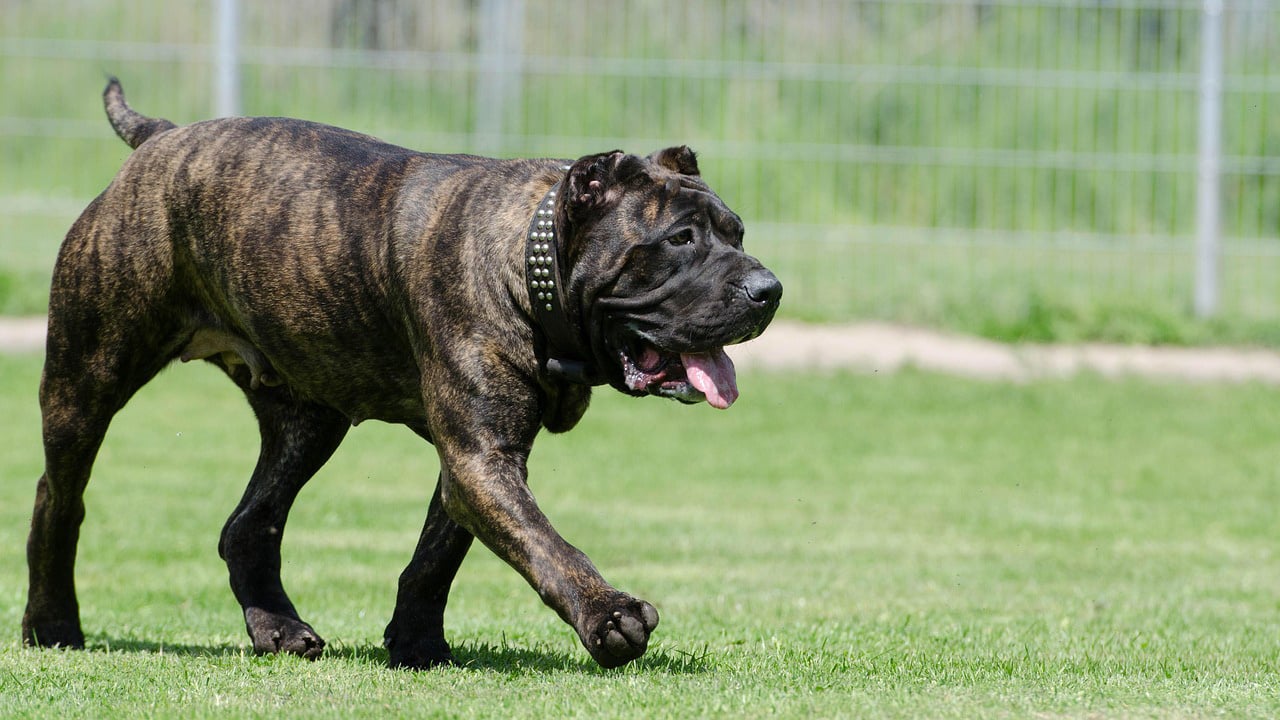
Presa Canarios can be calm, confident, and even affectionate in the home. A well-bred one with proper leadership often does not act chaotic or unstable at all. That is part of what makes the breed easy to misread. The dog may seem almost too composed for people to take seriously. But that composure sits on top of a lot of power, territorial instinct, and willingness to engage physically if the dog thinks it needs to.
When something feels wrong, a Presa often does not need to put on a long warning show. The dog’s whole presence just changes. It gets heavier in the room, more focused, and harder to ignore. That is not the kind of shift inexperienced owners should brush off. These dogs can be excellent in the right hands, but they are not forgiving of confusion or weak leadership. Friendly is possible with them, but it never erases what the breed was built to do.
Boerboel

Boerboels are often affectionate, confident, and very connected to their families. Many of them are calmer at home than people expect, which can make their size feel less intimidating once you spend time around them. That calm can be misleading for outsiders, though. A Boerboel is not a lazy oversized pet that just happens to be big. It is a powerful guardian breed with a strong opinion about its people and its ground.
If something feels wrong, the shift can be immediate and serious. Boerboels often do not need to bark their heads off to make their point. They may simply step in, block access, and make it very clear that the situation has changed. That is why this breed needs confident handling and strong boundaries from the start. The family-friendly side is real, but so is the protector side, and the gap between those two can close fast when the dog thinks it has a reason.
Like The Avid Outdoorsman’s content? Subscribe to our newsletter so you never miss an article.
Here’s more from us: