Photo credit: FirearmFreedom/YouTube
The Mossberg 590 is one of those shotguns that a lot of shooters recognize without always knowing where it fits in the bigger Mossberg lineup. Plenty of people know the name, plenty have seen one in tactical trim, and most understand it as a tough pump gun with a military and defensive reputation. What often gets missed is that the 590 is not just “a Mossberg 500 with a different number.” It was introduced in 1987 as a variant built specifically for law-enforcement and military applications, and Mossberg still describes the 590 line as a duty shotgun with decades of military and law-enforcement service behind it.
That matters because the 590 became one of the most important branches of the Mossberg pump-action family instead of just a side model. Over time, the platform grew into the standard 590, the 590A1, magazine-fed 590M variants, short-shell-capable 590S guns, and the hugely recognizable Shockwave family. American Rifleman has even noted that Mossberg kept pushing the line forward with things like M-LOK models in 2020 and the 590S in 2021, which says a lot about the staying power of the design.
1. The 590 is not the original Mossberg pump gun

A lot of shooters talk about the 590 like it has always been the main Mossberg pump, but that role started with the Model 500. Mossberg says the 500 Series first appeared in 1960, and American Rifleman notes the 590 was later introduced in 1987 as a variant of that proven design.
That makes the 590 more interesting because it was not the foundation of Mossberg’s pump-gun story. It was an evolution of a platform that had already proven itself. The 590 came in when Mossberg wanted something more tuned toward duty use, and that shift gave it a different identity from the start.
2. It was built specifically with military and law-enforcement use in mind

This is one of the biggest details people miss. American Rifleman says the 590 debuted in 1987 specifically for law-enforcement and military applications, not just as another sporting or field shotgun. Mossberg’s current 590 page still leans into that same identity, saying the line has decades of military and law-enforcement duty around the globe.
That helps explain why the 590 feels like a duty gun first and a sporting gun second in a lot of configurations. It may share lineage with the 500, but the 590 earned its own reputation by leaning hard into hard-use service roles.
3. The easiest way to describe it is “a duty-focused 500 variant”

The 590 is closely tied to the 500, but it is not identical. American Rifleman called it a variant of the Model 500 and explained that one of the key differences is a modification at the magazine cap that makes routine cleaning and maintenance easier.
That may not sound dramatic, but little design changes like that are exactly how a sporting-style pump turns into something better suited for service use. The 590 did not need to reinvent the Mossberg pump system. It just needed to refine it in the right areas.
4. Mossberg introduced it in 1987, not in the 1960s
Because the 590 is so familiar now, a lot of people assume it has been around just as long as the earliest Mossberg pumps. That is not true. American Rifleman and Mossberg-history sources place the 590’s introduction in 1987, well after the Model 500 had already been established.
That timing matters because the 590 arrived during a period when tactical and duty shotgun development was becoming more specialized. It was not an old hunting gun that accidentally drifted into service use. It came in with that role already in view.
5. The 590A1 is the tougher offshoot, not just a different trim package
A lot of shooters see “590A1” and think it is just another version of the same gun with a few accessories. Mossberg says the 590A1 is the most durable of its pump-action shotguns and specifically notes features like a heavy-walled barrel, metal trigger guard, and metal safety, along with compliance with MIL-SPEC 3443G.
That means the 590A1 is not just branding fluff. It is Mossberg’s heavier-duty answer for buyers who want the toughest branch of the platform. The standard 590 has the duty reputation, but the 590A1 is the version Mossberg itself treats as the hard-use heavyweight.
6. The 590 line eventually became one of Mossberg’s best-known product families

Sometimes a gun line starts with one good model and never grows much beyond that. The 590 did the opposite. Mossberg’s current catalog shows the 590 family branching into the standard 590, the 590A1, the 590R/590RM, and related “Others” like the Shockwave. American Rifleman has also covered the 590M and 590S as meaningful expansions of the lineup.
That says a lot about how successful the base design turned out to be. Mossberg did not just keep one old tactical shotgun around because people were sentimental about it. The company kept building on the platform because the format kept proving useful.
7. The Shockwave is part of the 590 family story
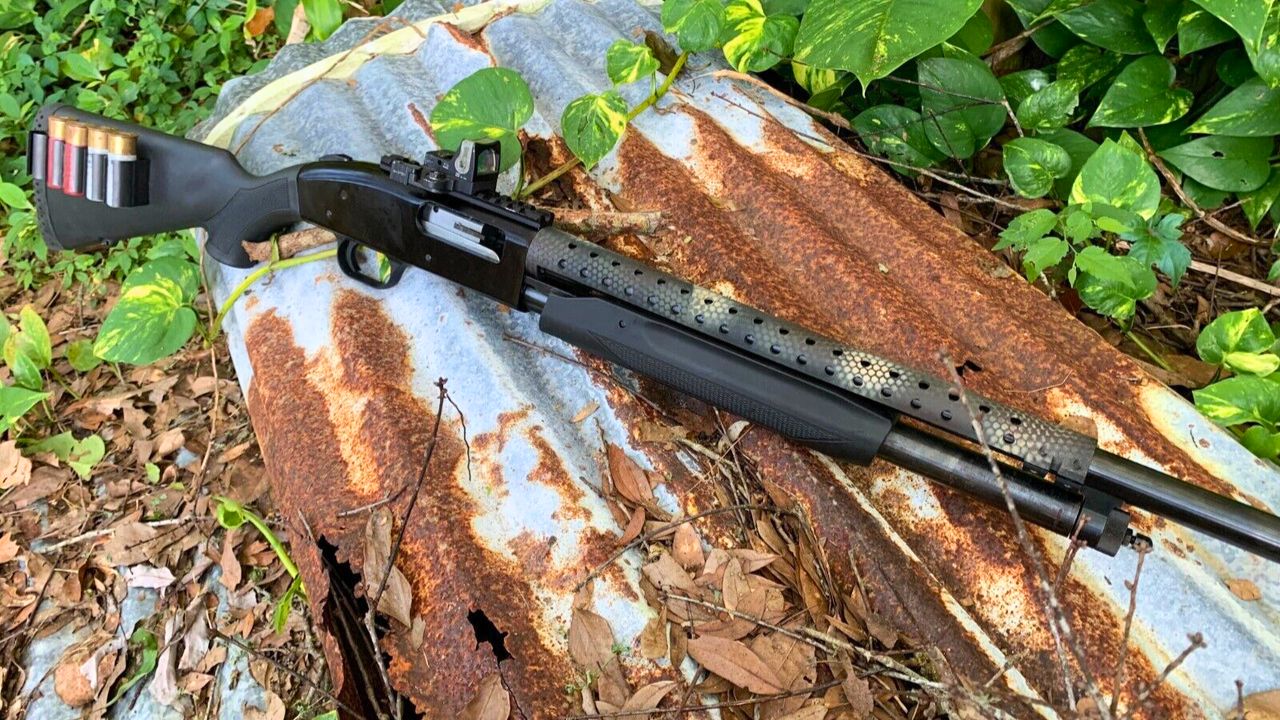
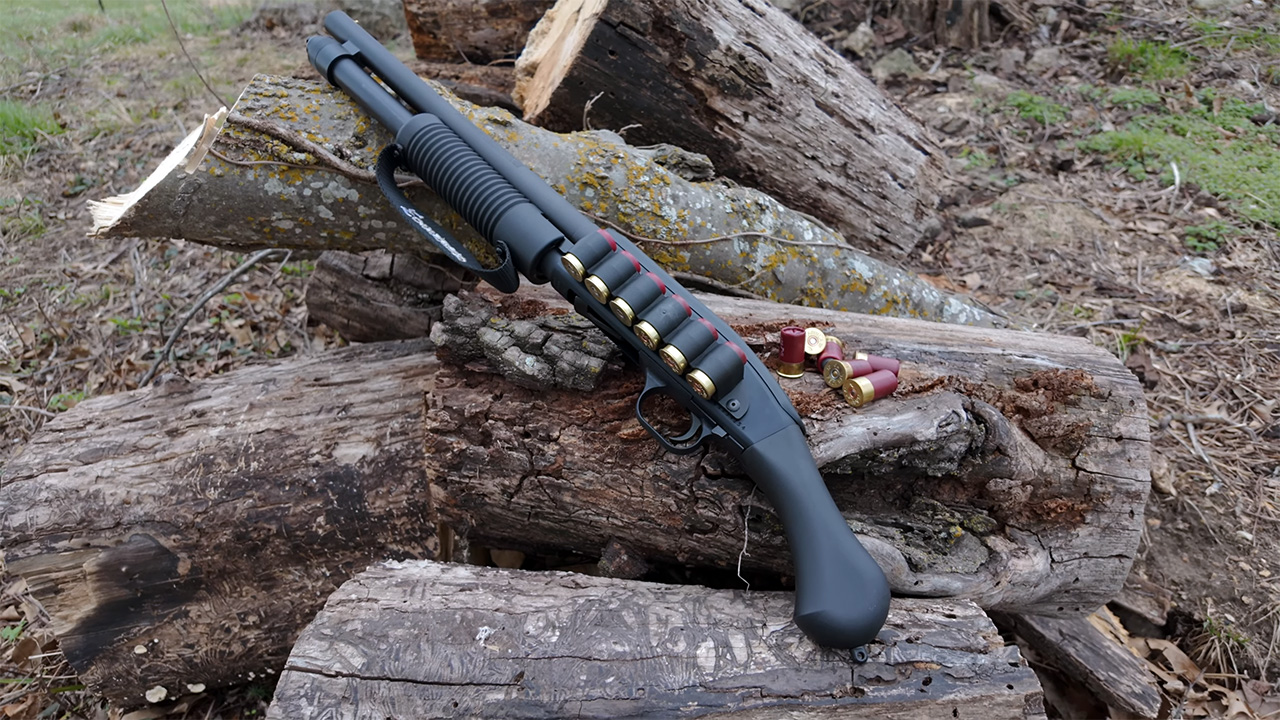
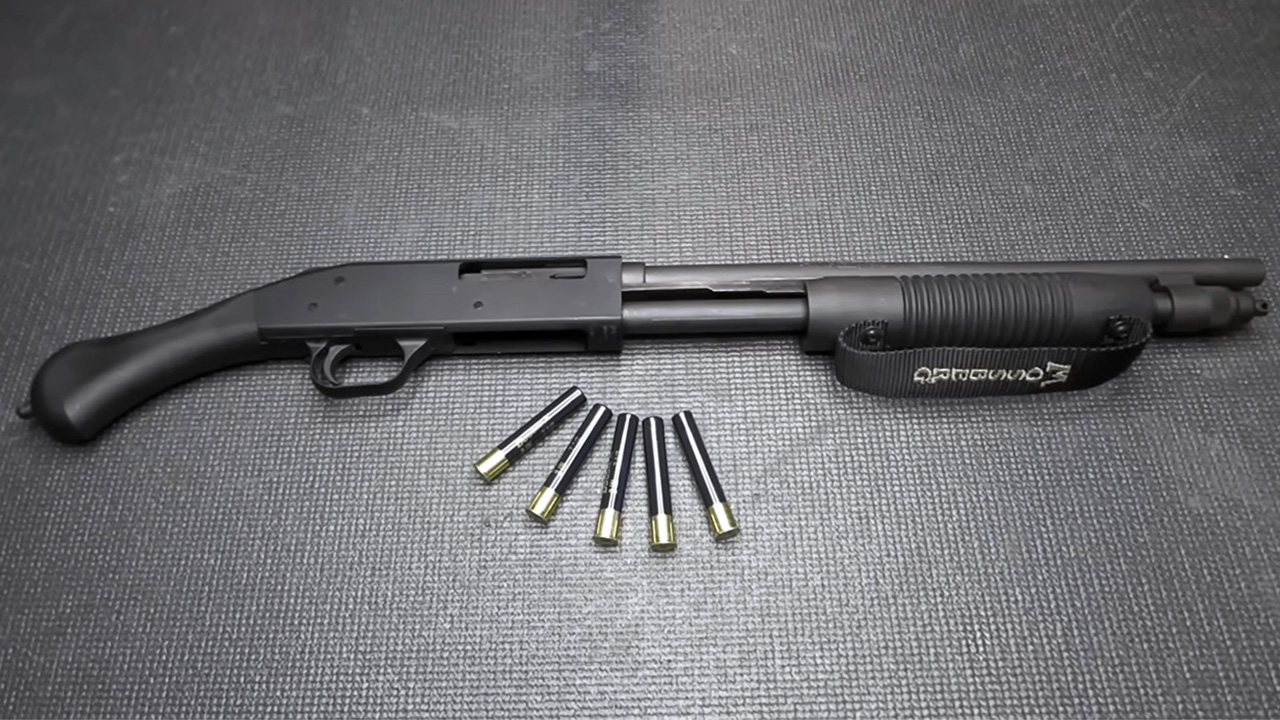
A lot of shooters talk about the Shockwave like it is its own totally separate thing, but the original 590 Shockwave is right there in the family tree. Mossberg’s centennial history highlights the 590 Shockwave in 2017, and its product pages keep the Shockwave under the Mossberg “Others” category while still tying it directly to the 590 name.
That matters because the Shockwave’s success did not come from nowhere. It was built on the same broader 590 platform reputation Mossberg had already established. So even though the format is unusual, the lineage is not random.
8. The 590M proved Mossberg was willing to get weird with the platform
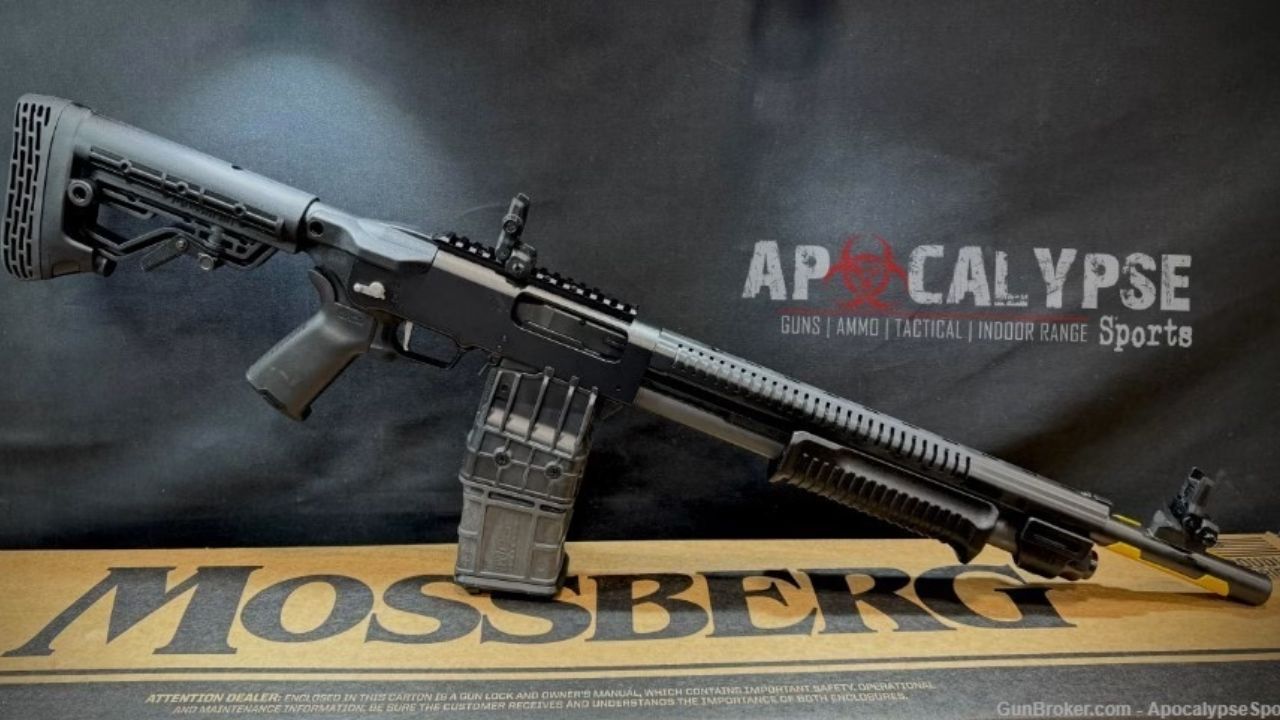
One of the more surprising branches of the line is the 590M. American Rifleman covered the 590M Shockwave in 2018 and described it as using the world’s first double-stack 10-round shotgun magazine, with optional 5-, 10-, 15-, and 20-round magazines available.
That is a pretty wild twist for a pump-gun family that started as a more conventional duty variant of the Model 500. It shows Mossberg was not content to let the 590 stay frozen as a traditional tube-fed tactical shotgun. The company was willing to experiment and stretch the platform into new territory.
9. The 590S turned mini-shell compatibility into a factory-supported feature

Mini-shell talk pops up around a lot of shotguns, but Mossberg actually built that idea into the 590 line in a serious way. American Rifleman says Mossberg introduced the 590S in 2021 and specifically highlighted its ability to run 1.75-inch, 2.75-inch, and 3-inch 12-gauge shells smoothly without an aftermarket adapter.
That is a bigger deal than it sounds. Instead of leaving reduced-length shell use as a tinkering project for owners, Mossberg turned it into an actual product category inside the 590 family. That kind of support says the company saw real long-term value in evolving the platform instead of just preserving it.
10. Mossberg kept modernizing the 590 instead of letting it coast on reputation
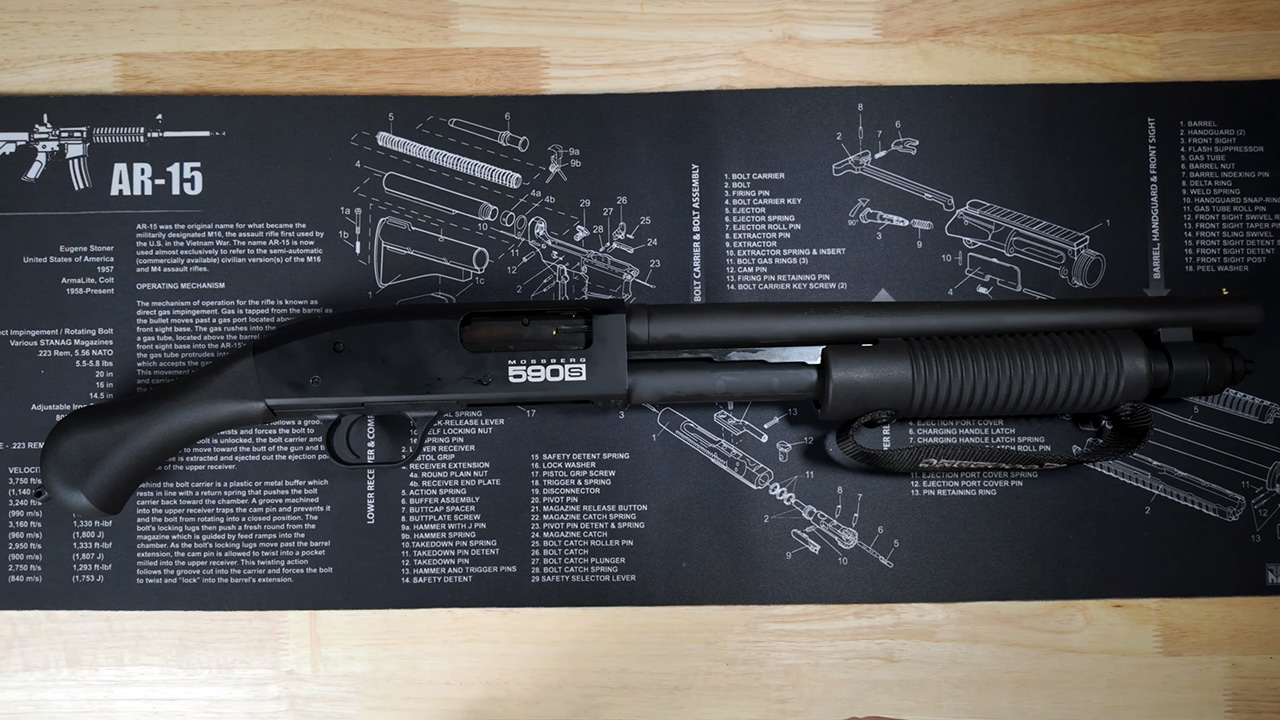
The 590 already had a strong name, but Mossberg did not stop updating it. American Rifleman noted that Mossberg introduced M-LOK-equipped 590 models in 2020, then followed with the 590S in 2021. Mossberg’s catalog also now includes things like the newer 590R line with a rotary safety selector.
That is one reason the 590 still matters. It is not just living off old military credentials. Mossberg has kept the family active enough that it still feels like a modern tactical shotgun platform instead of just a legacy product.
11. The 590A1 has real military-spec credibility attached to it
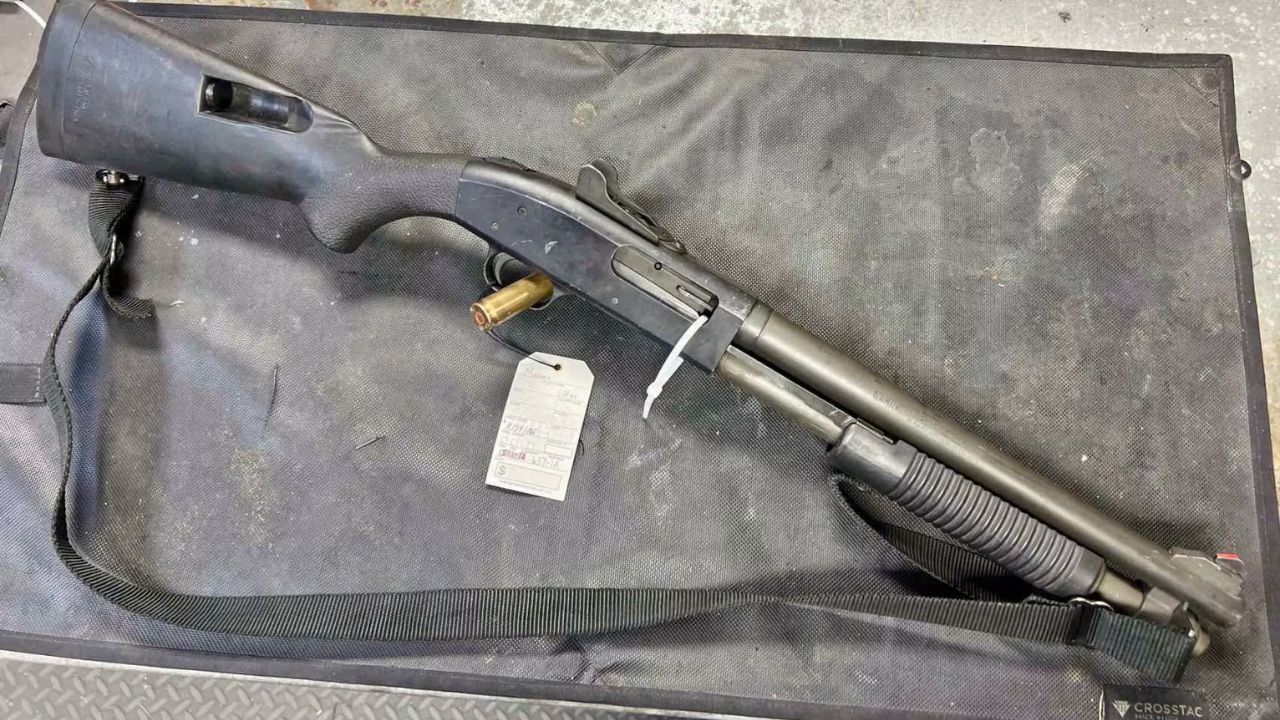
Plenty of guns get called “military grade” in a loose, salesy way. Mossberg is more specific with the 590A1. The company says that model meets MIL-SPEC 3443G and points to its heavier-duty components and construction as the reason.
That does not automatically mean every 590 is the same as a 590A1, but it does show how seriously Mossberg positioned the family in the duty market. The 590 line’s reputation is not built only on vibes or marketing language. There is real service-oriented development in the family tree.
12. The platform has spread across multiple gauges
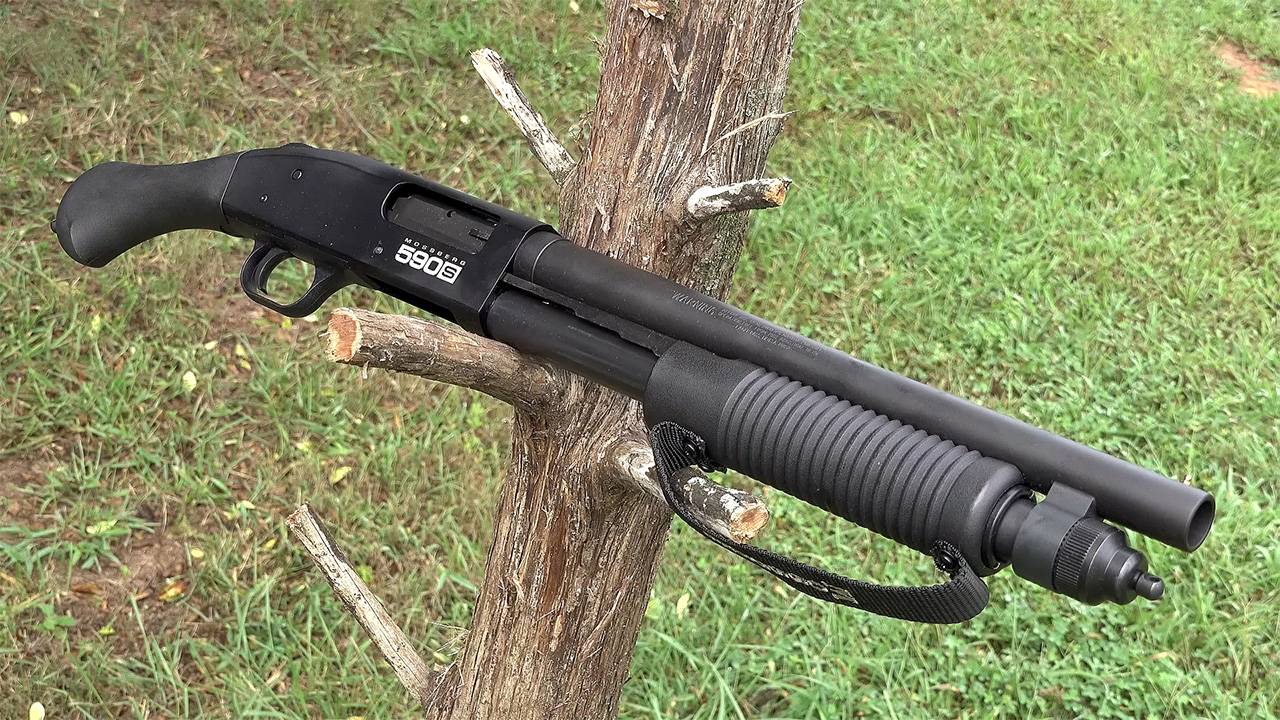
A lot of people think of the 590 strictly as a 12-gauge tactical shotgun, but Mossberg’s current 590 page says the lineup spans three gauge offerings. The Shockwave family also clearly shows 12-gauge, 20-gauge, and .410 options.
That wider gauge range matters because it shows Mossberg built the 590 into more than one narrow use case. The name may carry a strong 12-gauge duty image, but the family itself has become much broader than that.
13. The 590 has been one of the top-selling pump guns in America

The 590 is not just respected. It has sold in serious numbers. American Rifleman reported in 2020 that the Mossberg 590 was the top-selling pump shotgun of 2019.
That matters because it shows the platform is not just a favorite among enthusiasts who like military-style pump guns. The 590 connected with a much broader market than that, which is a big reason Mossberg kept expanding and updating the line.
14. Mossberg still treats the 590 as one of its flagship tactical pumps
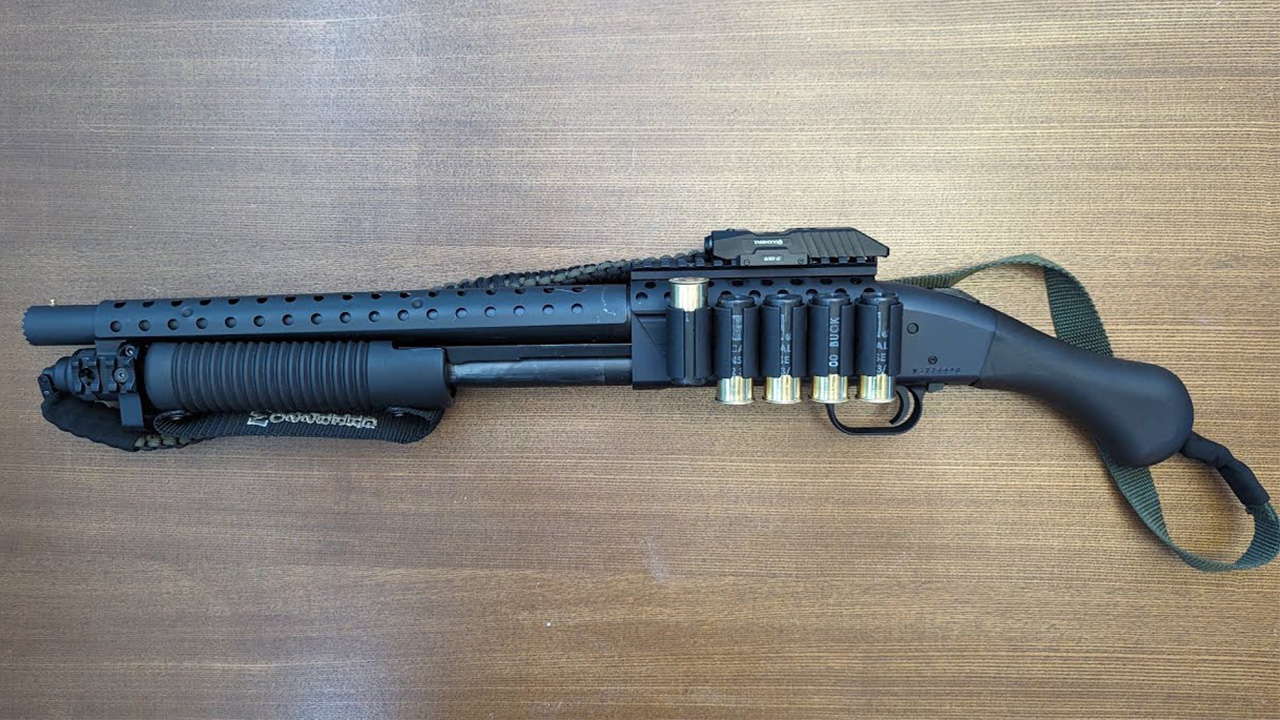
If the 590 were fading out, Mossberg’s site would make that pretty obvious. Instead, the company still presents the 590 as a core defensive and duty shotgun platform, with current pages calling it the “Mighty 590” and emphasizing its service record, variety of configurations, and global-duty reputation.
That says a lot. The 590 is not hanging around as an afterthought. Mossberg still sees it as one of the central names in its tactical shotgun lineup, and that kind of treatment usually reflects long-term demand.
15. The biggest thing most people miss is that the 590 became far more than one shotgun
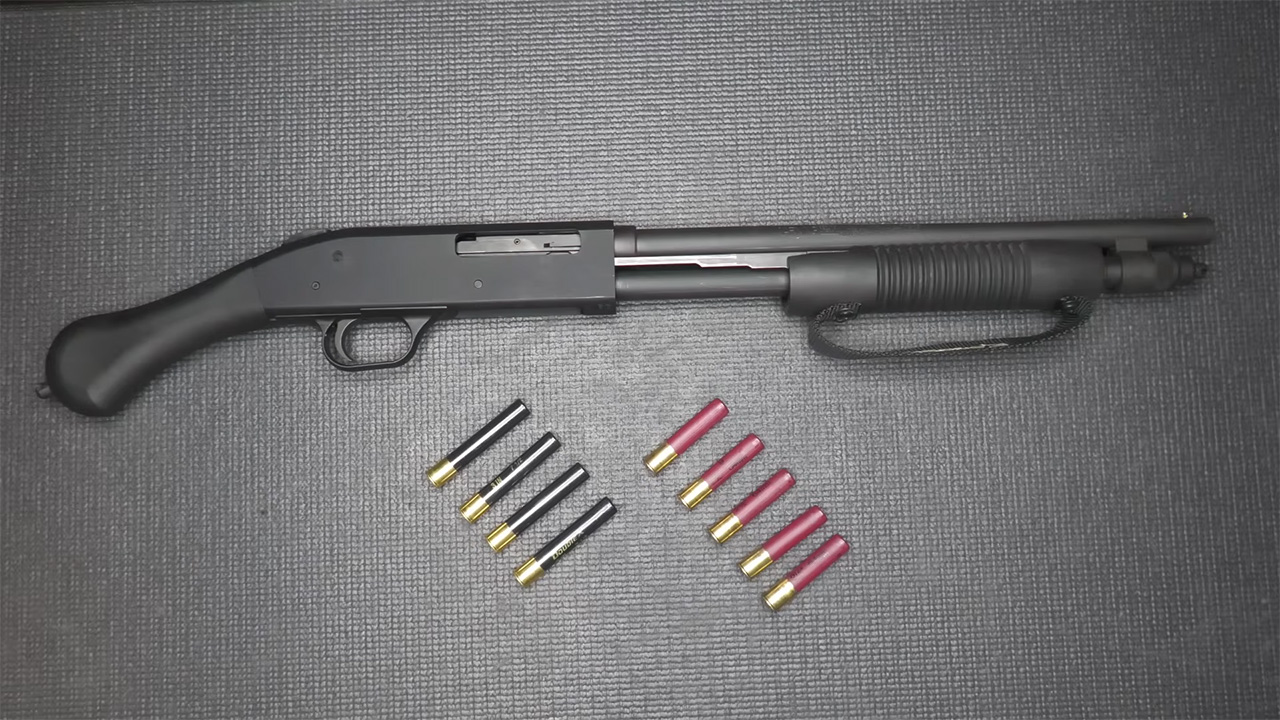
The most interesting fact about the Mossberg 590 may be that it stopped being just one pump gun a long time ago. Between the standard 590, the heavier 590A1, the magazine-fed 590M, the short-shell-ready 590S, the Shockwave branch, and the newer 590R line, the name now covers a whole ecosystem of hard-use pump guns and related firearms.
That is probably why the platform has lasted. Mossberg did not let the 590 become just a dated tactical relic. It kept evolving it until the 590 name meant an entire family of defensive and service-minded pump guns.
Like The Avid Outdoorsman’s content? Subscribe to our newsletter so you never miss an article.
Here’s more from us: