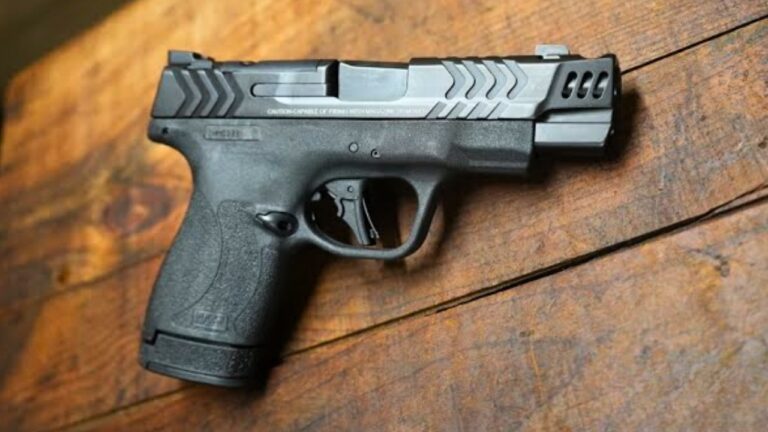
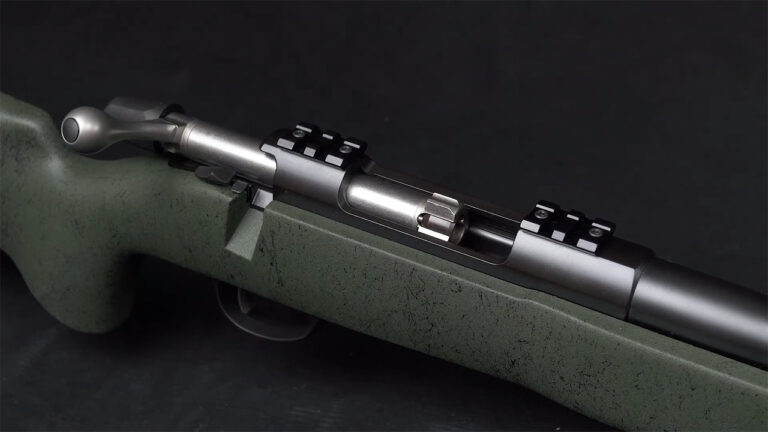
Photo credit: Springfield Armory
A tight, high grip is usually a good thing. The problem is some pistols make it easy to accidentally ride the slide stop, bump the mag release, drag the slide, or crowd the ejection port when you clamp down hard—especially with modern thumbs-forward grips. When that happens, the gun didn’t “randomly malfunction.” Your hands got involved in the moving parts. These are the pistols where that shows up more often because of control placement, slide size, or how compact everything is.
Glock 43X

The 43X runs great, but it’s one of those pistols where a very high support-hand thumb can ride the slide stop without you noticing, especially if you’re used to bigger frames and you’re trying to choke up as high as possible. The symptom is usually failure to lock back, but some shooters also induce weird feeding issues when they’re crowding the slide and frame during recoil. The 43X is slim, the whole package is small, and your grip real estate is limited, so “tight” turns into “hands everywhere.” The fix is simple: watch your thumb placement, make sure your support-hand thumb isn’t pressing the lever, and don’t let your strong-hand thumb float into the slide path. If the gun runs for other people but acts odd for you, it’s almost always grip interference on this one.
Glock 48

Same story as the 43X, but the longer slide changes timing just enough that some shooters get even more sensitive to how they’re clamping the gun. If you crush it with both hands and ride the slide stop, you’ll see failures to lock back and occasional weirdness when you’re running drills fast. The 48 also invites a higher grip because it feels “shootable,” so people creep up the frame until their thumbs are living on the controls. It’s not a flaw. It’s just a slim gun with controls that are easy to touch. If you’re having issues, record your hands from the side during live fire. Most people are shocked when they see their support thumb pinned into the lever or their strong hand creeping high enough to contact the slide during recoil. A tiny adjustment usually fixes it instantly.
S&W M&P Shield 9

Shields are classic carry guns, but they’re notorious for “it won’t lock back” complaints that magically disappear when somebody else shoots it. Tight grips can ride the slide stop lever on Shields more than people expect, because the gun is narrow and you naturally clamp harder to control recoil. On some hands, that tight clamp puts meat right on the lever. You also see occasional magazine issues if the shooter’s grip is smashing the mag release or torquing the frame enough that the mag isn’t seated the same way every time. Again, the fix is grip awareness, not voodoo. If you want to test it, shoot a slow string with your thumbs deliberately lifted a hair off the controls and see if the “problem” disappears. Most of the time it does.
SIG P365

The P365 is shootable for its size, but it’s still a small gun, and small guns magnify grip mistakes. A super tight grip can turn into “crowding” where your thumbs ride controls or your palm pushes in ways that change how the gun cycles. The common one is riding the slide stop and losing lock-back, but some shooters also see last-round feeding weirdness when they clamp hard and torque the gun sideways in recoil. The P365 is forgiving compared to a lot of micros, but it’s not immune to human hands getting into the machinery. If you’ve ever watched someone with big hands choke a P365 like a duty gun, you’ve seen it: the gun runs, but the shooter fights it, and the moment they speed up they start blaming the pistol instead of their grip geometry.
SIG P365 XL

The XL gives you a little more grip and a little more slide, which helps most shooters—until they go full gorilla-grip and start riding controls again. The longer grip can encourage a higher strong-hand thumb position, and the longer slide changes how the gun tracks, so shooters sometimes get sloppy with thumb placement because the recoil feels “easier.” Then they wonder why lock-back is inconsistent. With the XL, a tight grip is fine, but a tight high grip that crowds the lever is where you get problems. If you’re training thumbs-forward aggressively, make sure your support thumb is pointing forward and resting on frame space, not pressing down into the slide stop. A tiny reposition on the support hand usually fixes it without changing anything else.
Springfield Hellcat

The Hellcat is a little firecracker, and because it’s small, people naturally clamp down hard. That’s where the trouble starts for some shooters: the controls are right there, and if your hands are big or your grip is ultra-high, you can ride the slide stop or bump the mag release when you’re really crushing it. The symptom can look like random hiccups that only show up when you’re moving fast, but it’s often just grip interference. Another thing you see is shooters “pinching” the gun so hard that their trigger finger tension bleeds into the rest of the hand and changes how the gun tracks, which can make them think the pistol is inconsistent. The Hellcat will run, but it rewards a firm, consistent grip—not a death grip that crowds every lever and edge.
Ruger Max-9

The Max-9 is one of those compact guns that can be very solid, but it’s compact enough that tight grips can crowd controls. If you’re used to bigger pistols, you may clamp and overwrap your support hand, which can put pressure on the slide stop area and cause inconsistent lock-back. You can also see shooters bump the mag release because the grip is narrow and the base of the thumb ends up resting right where it shouldn’t. This isn’t a “Ruger problem,” it’s a compact-gun reality. The test is easy: shoot it with a normal, firm grip and then shoot it with your thumbs lifted slightly and your support palm locked in but not overwrapped. If the weirdness goes away, you just learned what the gun “doesn’t like.”
Ruger LC9s

LC9s pistols are light and slim, and that’s great until you treat them like a full-size and start squeezing hard enough that your hands are influencing the cycle. Slim guns often get shot with more squeeze because recoil feels sharper, and that extra squeeze pushes thumbs and palms into places they wouldn’t be on a thicker frame. With the LC9s, you’ll see failures to lock back and occasional feed weirdness that shows up for one shooter and not another. It’s usually not that the pistol is fragile—it’s that the grip area is tight and your hands are crowding the controls. If you’ve ever had an LC9s “act up” during drills but shoot fine from a relaxed bench rest, you’ve already seen the pattern.
Kahr CM9

Kahr pistols have their own feel, and they tend to reward a steady, consistent grip more than a crushing one. When shooters clamp hard, they can change how the gun returns to battery and how it cycles, especially if the gun is a little dry or the recoil spring is getting tired. On the CM9, the grip is short, and big hands can easily crowd the slide and frame in ways that aren’t obvious until you start shooting faster strings. You also see people ride too high and get inconsistent lock-back. Kahr guns can run great, but they’re not as forgiving of sloppy grip mechanics as a chunky duty pistol. If you’re having trouble, try backing off the “death grip” and focusing on consistent pressure and clean follow-through instead.
CZ P-01
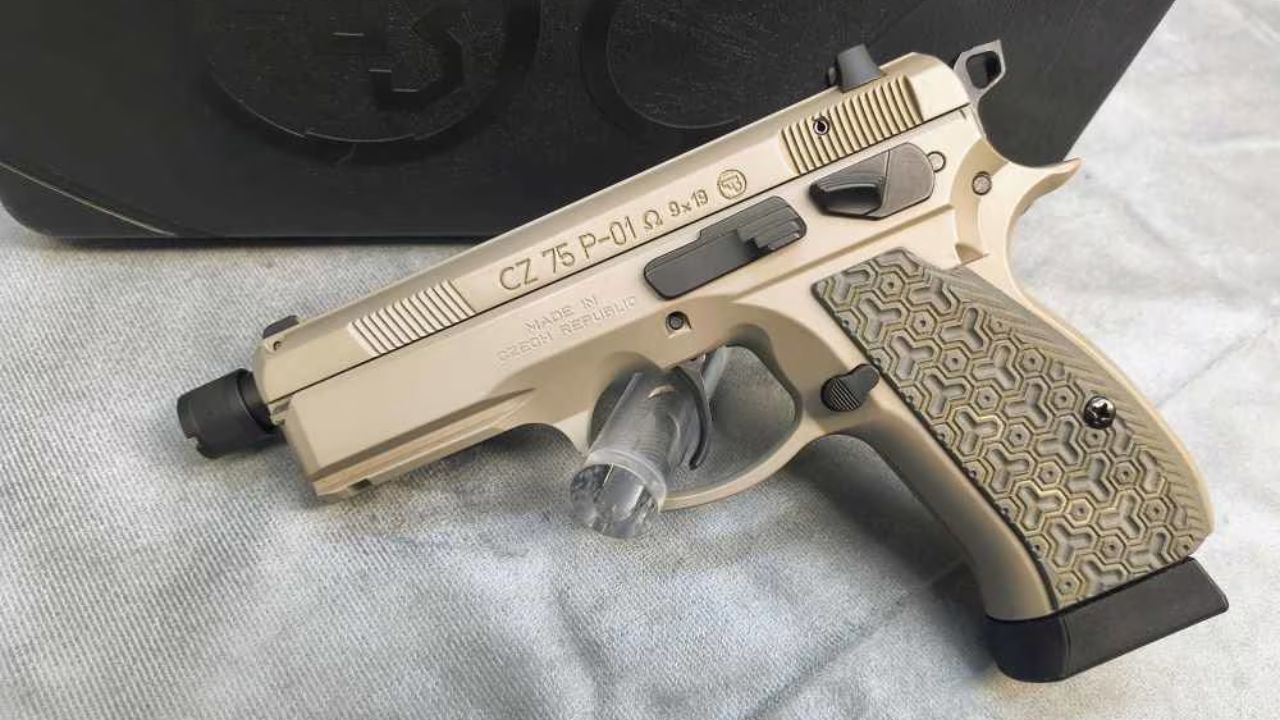
The P-01 is a tank, but it’s also a pistol where high thumbs can get you into trouble if you’re not paying attention. The slide stop area is a common place for modern thumbs-forward grips to land, and if you’re clamping hard and your support thumb is driving down, you can prevent lock-back or get inconsistent behavior on the last round. CZ guys talk about this all the time because it’s not rare—it’s just ergonomics. The P-01 isn’t “sensitive,” it’s just built in a way that lets your hands reach the controls easily. If you want to run it fast, keep the thumbs forward but make sure they’re floating on the frame and not pushing down on the lever. Once you fix that, the gun usually behaves like the workhorse it is.
CZ 75 PCR

Same family, same grip issue that shows up with modern technique. The PCR feels great, and that comfort invites a super high grip. Then people ride the slide stop and wonder why lock-back disappears. Tight grips also sometimes turn into “torque grips” where you’re twisting the pistol slightly in recoil, which can make the gun feel inconsistent in tracking even if it’s cycling fine. The PCR is accurate and reliable, but it likes a grip that’s firm and consistent, not one that crowds the controls. If you’re seeing weird last-round behavior or inconsistent lock-back, look at where your support thumb is landing and whether you’re pressing down as you squeeze. That one little habit causes a lot of “this gun is weird” stories.
1911 Officer-size pistols

Short 1911s can be great, but they’re the poster child for “tight grip becomes a problem,” because the thumb safety, grip safety, and slide stop all live right where your hands want to go. A super tight grip with a high thumb can ride the slide stop, and a high-thumbs grip can also influence the safety if you’re not used to it. The other one is grip safety engagement—most people think tight grip guarantees it’s depressed, but some hand shapes and grip angles can actually be inconsistent if you’re choking up weirdly. When an Officer-size 1911 starts acting like it has a mind of its own, it’s often a combination of short-slide timing plus the shooter’s hand riding controls. Full-size 1911s are usually more forgiving. The tiny ones punish sloppy hands.
Staccato C2

The C2 is a serious pistol, but it’s also a high-grip gun, and that means some shooters will ride the slide stop hard when they’re clamping down and trying to drive it like a race gun. You’ll see the classic “why won’t it lock back?” complaint, and it’s almost always thumb pressure on the lever. With 2011-style guns, people often run a very aggressive support-hand thumb-forward grip, and if you’re not careful, your thumb ends up pinned into that slide stop area under recoil. The gun isn’t fragile—it’s just designed with controls that are easy to reach, and your hands are bigger than the space they’re trying to live in. If you’re seeing problems, film your grip. You’ll usually catch it in five seconds.
Beretta 92FS

The 92 is reliable, but it’s one of those pistols where some shooters’ grip style causes self-inflicted issues. The slide-mounted lever can get bumped in odd ways depending on hand placement, and a super high grip can also turn into inconsistent control if you’re squeezing hard and dragging the slide during recoil. Most people won’t “jam” a 92 by gripping it hard, but they can absolutely cause inconsistencies—especially if they’re riding parts they shouldn’t be riding and then blaming the gun. The 92 rewards a firm grip with a locked wrist, but it also likes space around the slide and lever area. If you’re coming from striker guns and you’re clamping the 92 the same way, just make sure you’re not crowding the top end.
Ruger Mark IV

Rimfire pistols are their own thing, and the Mark IV will run, but tight grips and odd thumb placement can still create issues when you start shooting fast. The big one isn’t “it hates tight grips,” it’s that rimfire ammo and rimfire extraction are already less forgiving, and if you’re gripping in a way that drags the slide or changes how the gun cycles, you can stack problems. Some shooters also bump controls unintentionally when they clamp down, because the gun sits low and your thumbs want to creep. The Mark IV is a great trainer, but it’s not a gun you should judge like a duty pistol when it hiccups—especially if your grip is crowding the moving parts and you’re feeding it bulk ammo. If you want it to run hard, keep your hands off the top end and keep the gun clean.
Like The Avid Outdoorsman’s content? Be sure to follow us.
Here’s more from us: