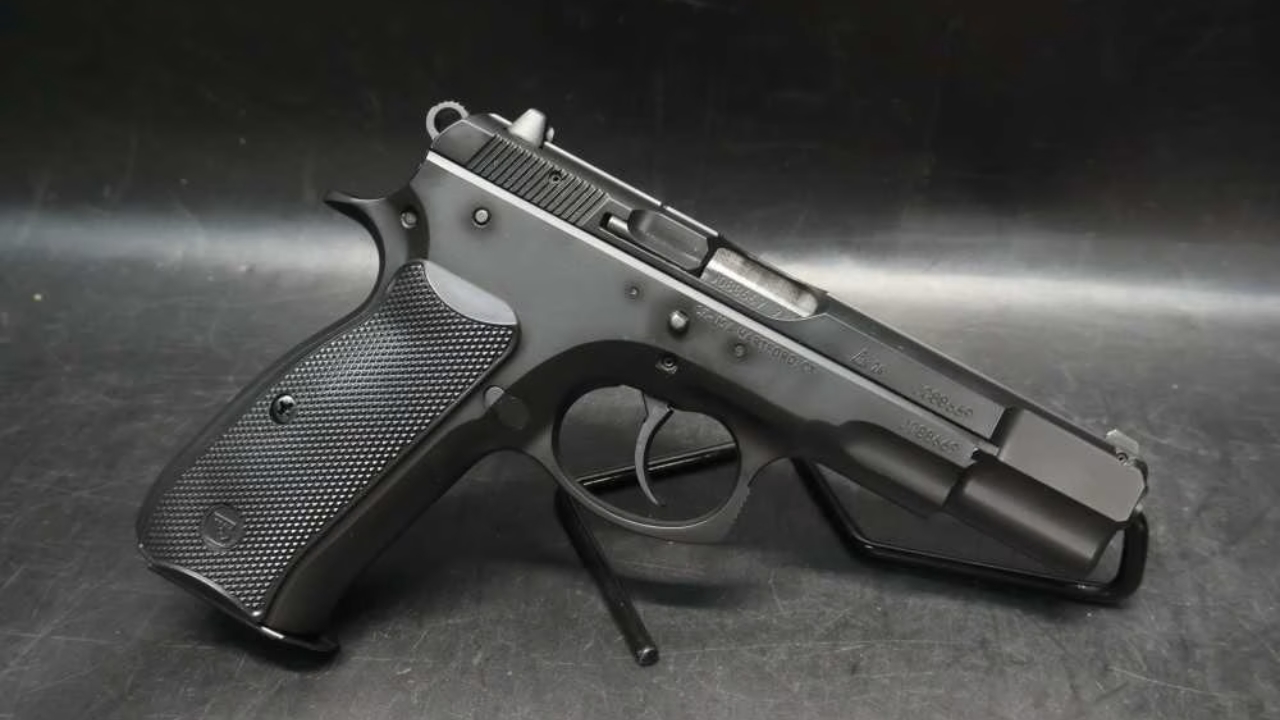
Photo credit: WeBuyGunscom/GunBroker
The CZ 75 is one of those pistols that serious shooters tend to respect even when they do not own one. A lot of people know it as a steel-framed 9 mm with great ergonomics, but the bigger story is that it helped shape the entire high-capacity DA/SA pistol category. American Rifleman notes that it was introduced in 1975, designed by Josef and František Koucký, and launched as a short-recoil 9 mm with a 15-round magazine. CZ’s current product page for the CZ 75 B still leans on the pistol’s “legendary ergonomics,” steel construction, and DA/SA action as defining traits.
What makes the CZ 75 especially interesting is that its influence spread far beyond the original gun. American Rifleman says the pistol was hard for U.S. shooters to get during the Communist era, which helped fuel demand and encouraged foreign copies. By 2007, more than a million had been sold worldwide, and CZ’s lineup had grown into a whole family of full-size, compact, decocker, competition, and convertible variants.
1. It was introduced in 1975, but production began in 1976

A lot of shooters hear “CZ 75” and assume the name lines up exactly with the year it first rolled off the line. The design was introduced in 1975, which is where the name comes from, but standard reference histories list production beginning in 1976. American Rifleman also points to 1975 as the year the design was introduced by Česká zbrojovka in Uherský Brod.
That sounds like a tiny detail, but it matters when you are talking about early guns and the start of the platform. The CZ 75 was a mid-1970s design that hit right as the handgun world was moving toward higher-capacity 9 mms with double-action capability, which is a huge reason it matters historically.
2. It was designed by brothers, not one lone mastermind

The CZ 75 was designed by Josef and František Koucký, and that point gets missed a lot because famous guns often get boiled down to one name. American Rifleman’s 2009 article specifically credits both brothers with the pistol’s design.
That matters because the gun did not come out of nowhere. It came from designers working in a country with a serious firearms tradition, and the result was a pistol that would outlast the political system around it and become one of the best-known handguns ever built behind the Iron Curtain.
3. It was one of the original “Wonder Nines”
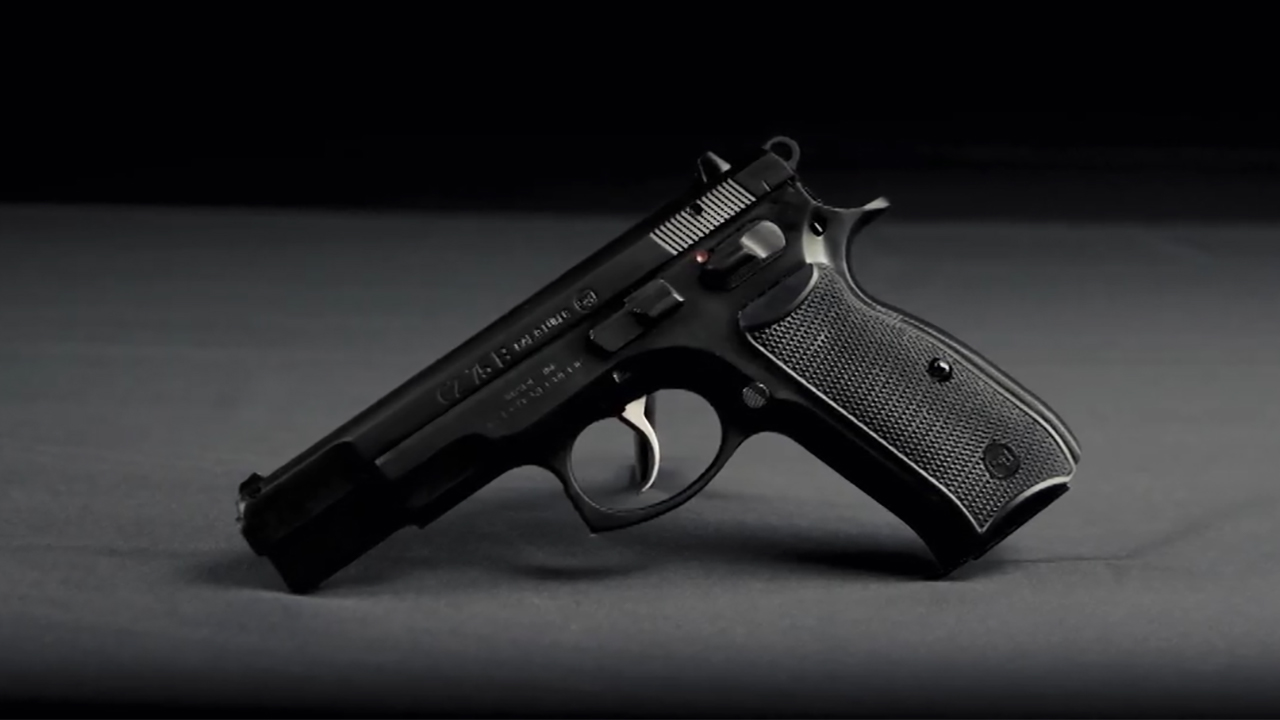
The CZ 75 is often described as one of the original Wonder Nines, meaning it was part of the early wave of high-capacity 9 mm pistols with double-action capability that changed service-pistol expectations. Handguns magazine explicitly calls it one of the original Wonder Nines, and American Rifleman’s early coverage emphasizes the 15-round magazine and DA design as major selling points.
That is a big deal because a lot of younger shooters think of the CZ 75 as an older, maybe even traditional-looking metal pistol. In reality, when it showed up, it was part of the modern movement. It was not behind the curve. It was helping set it.
4. It was hugely desired in the U.S. before most Americans could even buy one
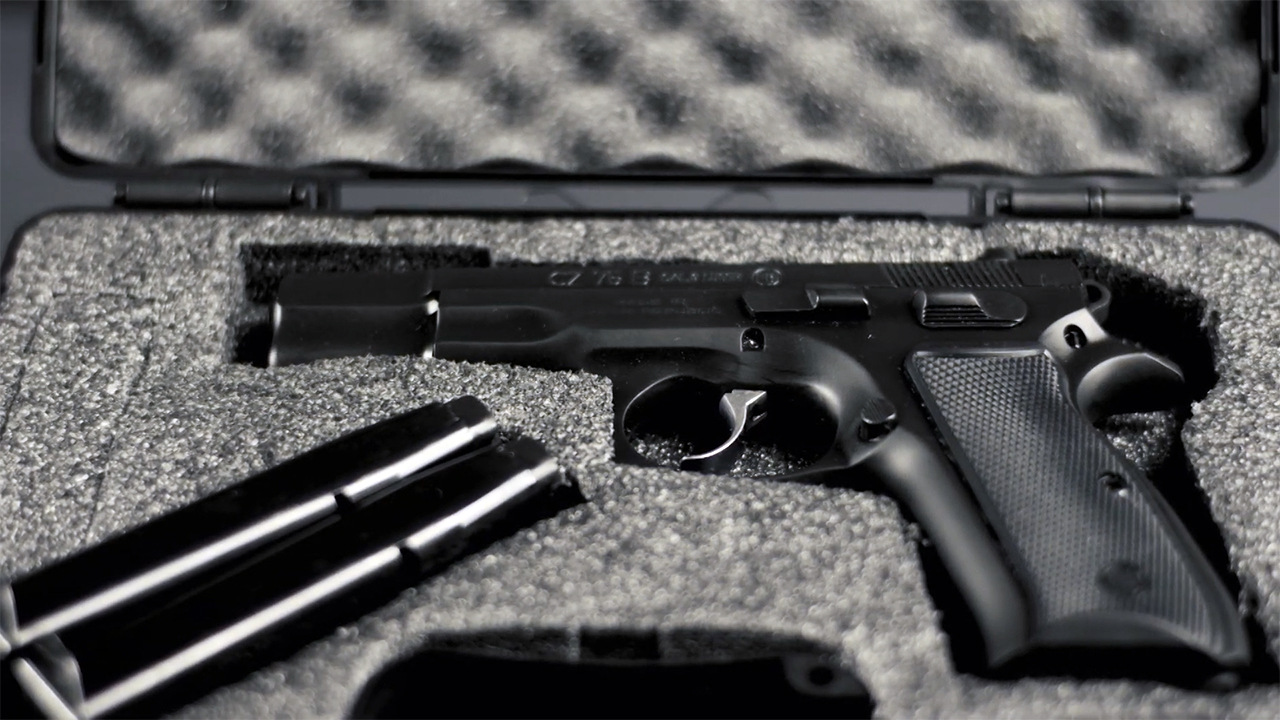
For Americans, the CZ 75 built a kind of forbidden-fruit reputation. American Rifleman said it was hard for U.S. citizens to acquire because of import restrictions tied to Communist Czechoslovakia, and later described it as the most desired handgun produced behind the Iron Curtain.
That scarcity helped build the legend. Shooters heard about the ergonomics, the capacity, and the design, but many could not get the real thing easily. That created a weird situation where the gun became famous in the U.S. partly through absence.
5. Copies of the CZ 75 spread before the real pistol did
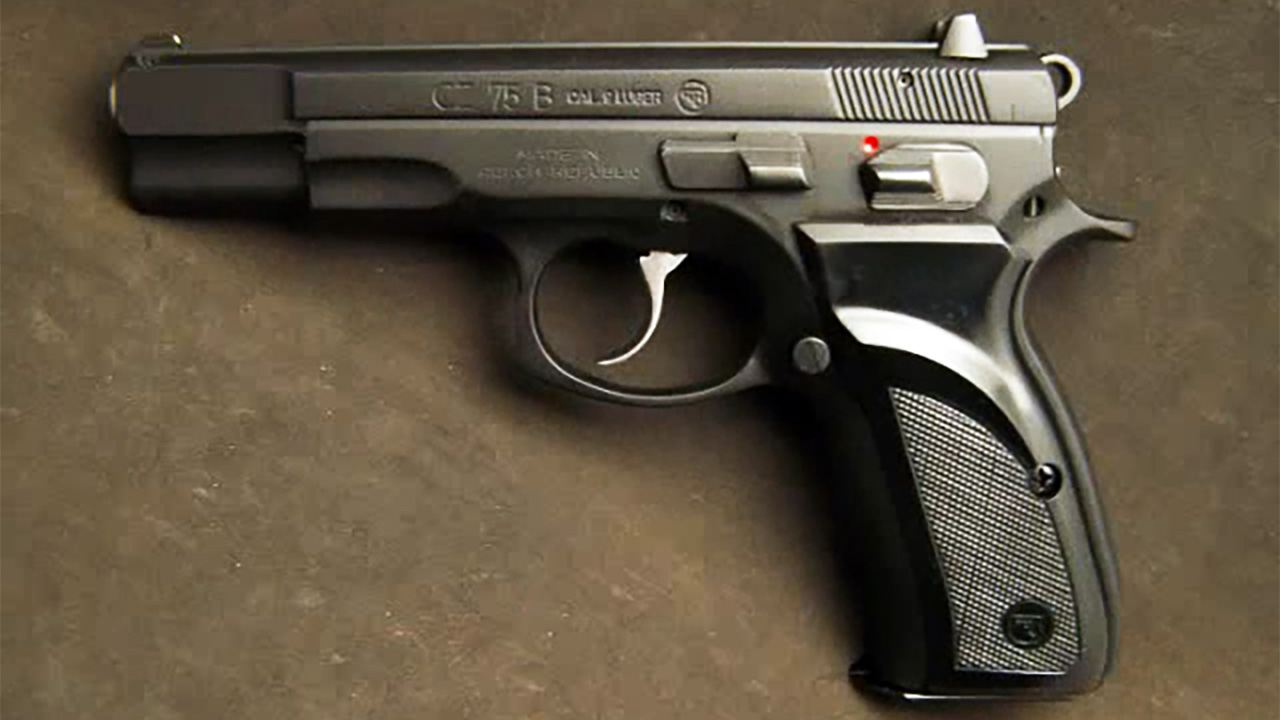
Because the original pistol was difficult to import, other makers stepped into the gap. American Rifleman lists early copies and close relatives from companies like ITM, Sphinx, Tanfoglio, IMI, and others, many of which became familiar on the U.S. market before the authentic Czech pistols were widely available.
That is one of the clearest signs of how strong the design was. Most handguns do not inspire that many direct and indirect clones unless people see real value in the original formula. The CZ 75 was influential enough that the design spread even when the actual pistol itself was still hard to get.
6. The slide rides inside the frame rails

One of the most distinctive features of the CZ 75 is the way the slide runs inside the frame rails instead of outside them. The reference history for the pistol specifically notes that design feature and compares it to the SIG P210.
That matters because it gives the gun a very specific feel in the hand and contributes to its sleek profile. It is also one of the reasons experienced shooters can usually recognize a CZ-family pistol right away once they have handled one a few times.
7. The original models had forged frames and short rails
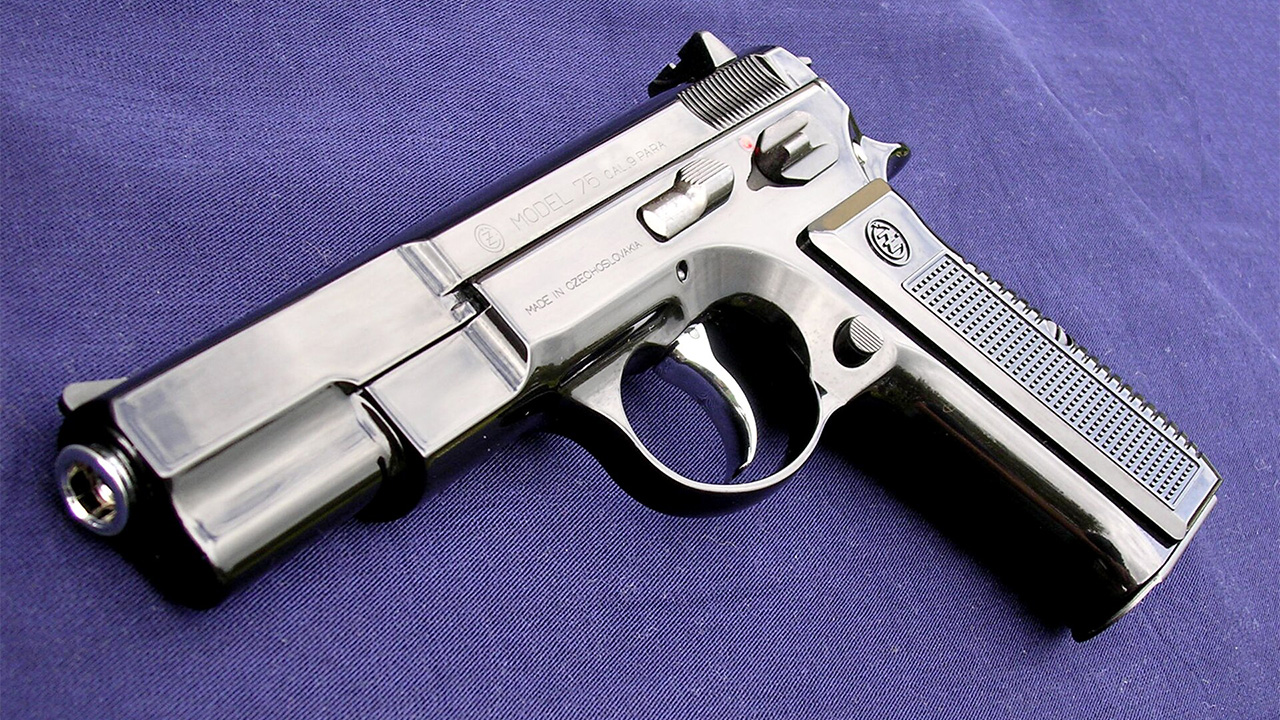
The earliest CZ 75s were not exactly the same as later guns. The historical reference entry says the first “short rail” models made from 1975 to 1979 used forged steel frames and had shorter slide rails than later pistols.
That makes early guns especially interesting to collectors and hardcore CZ fans. When people talk about “short rail” CZ 75s, they are not just being picky about small cosmetic stuff. They are talking about a distinct early version of a now-famous handgun.
8. Later CZ 75s switched to cast frames
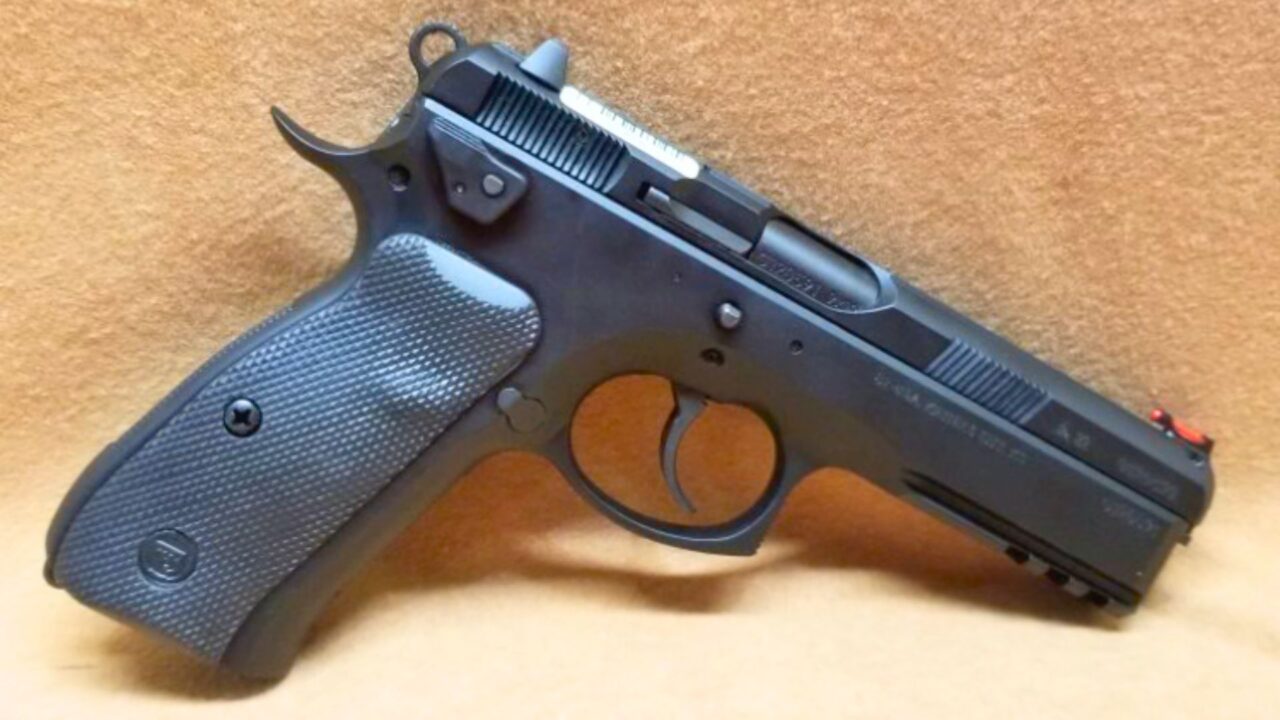
Starting in 1980, CZ changed the design in a few important ways. The historical reference says the company lengthened the rails, moved to cast frames, and added a half-cock safety notch on the hammer.
That is one of those production-history facts many casual owners never hear about. The CZ 75 did not stay frozen in its first form. It evolved, and those changes created the basic pattern that later models would follow.
9. The “B” in CZ 75 B means firing pin block

A lot of shooters know the modern CZ 75 B by name without actually knowing what the letter means. CZ’s own product page says the “B” designation indicates that the model is equipped with a firing pin block safety. The historical reference also says the B model, introduced in the mid-1990s, was chiefly updated with that firing pin safety.
That is a good example of how model names can carry real mechanical meaning. The CZ 75 B is not just a renamed original. It reflects a specific update in the pistol’s development.
10. It can be carried cocked and locked

One reason the CZ 75 impressed so many shooters is that, unlike many DA/SA pistols, it can be carried cocked and locked with the safety engaged. The reference history explains that the frame-mounted manual safety allows the pistol to be carried in Condition 1, much like a 1911. American Rifleman also notes that Jeff Cooper praised the pistol partly for that reason.
That feature helped the CZ 75 stand out in a crowded field. It offered DA/SA flexibility but still appealed to shooters who liked the idea of a frame safety and a ready single-action first shot. That mix is a big part of what made the pistol feel different from many of its competitors.
11. Jeff Cooper was a fan of it

That surprises some people because Jeff Cooper is so closely associated with the 1911. But American Rifleman says he praised the CZ 75 and called it the best double-action pistol design in the world, in part because of its controls and the way it could be carried.
That kind of praise mattered. Cooper was not the type to throw compliments around casually, and his approval helped cement the pistol’s reputation among serious handgun shooters who might otherwise have dismissed it.
12. More than a million had been sold by 2007

American Rifleman’s 2022 overview says that by 2007, more than a million CZ 75 pistols had been sold around the globe. That is a huge number for a steel-framed DA/SA pistol from a company many American shooters once struggled to buy from at all.
That sales figure helps explain why the gun’s influence is so wide. The CZ 75 is not just respected in niche circles. It became a genuinely major handgun on the world market.
13. The line exploded into a full family of pistols
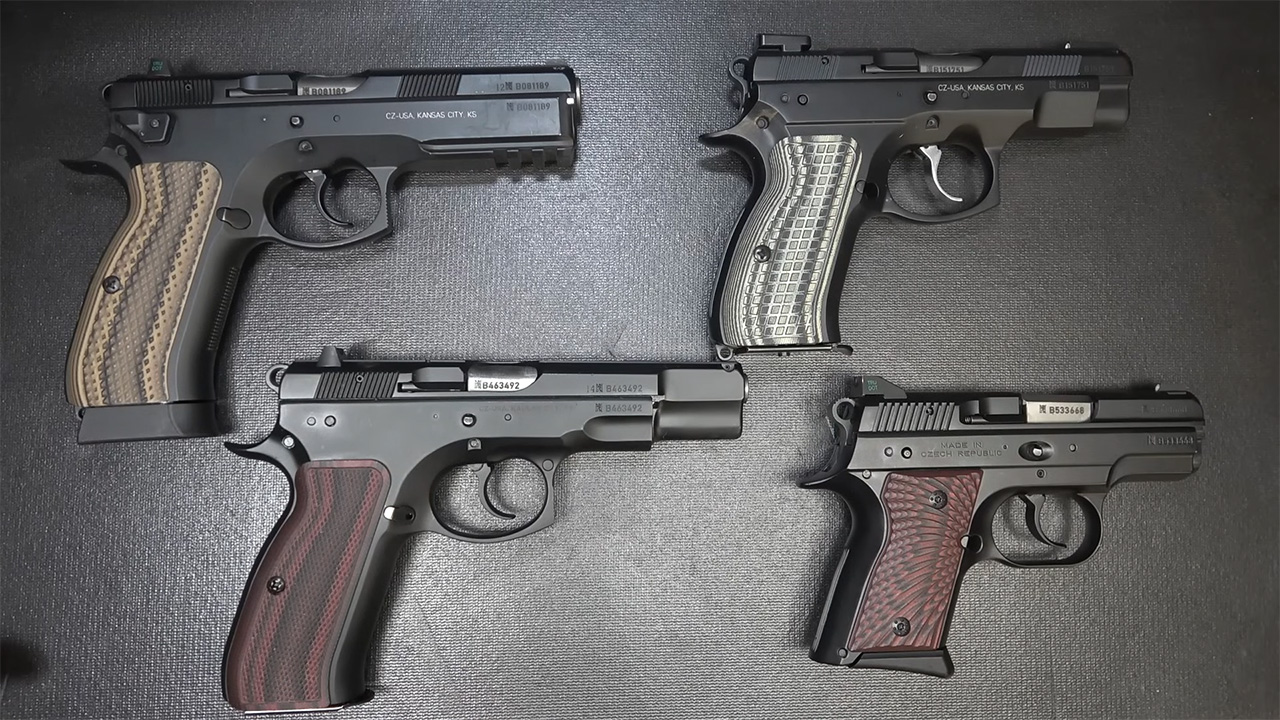
The CZ 75 stopped being just one handgun a long time ago. American Rifleman says the line expanded into models with ambidextrous controls, shortened frames and slides, decockers, DAO triggers, and more. By 2022, the company said there were 13 versions in the lineup, and those were just within the broader CZ 75 family.
That is a big part of why the pistol stayed relevant. CZ did not leave the original design sitting untouched while the market changed. It kept stretching the formula into duty guns, compacts, competition pistols, and other specialized offshoots.
14. CZ-USA did not exist until 1997

A lot of shooters assume CZ always had a normal U.S. presence. American Rifleman says the company established CZ-USA in 1997 to strengthen imports in the United States, with headquarters in Kansas City, Kansas.
That is important because it explains why the real CZ 75 felt scarce for so long in America compared with the many copies that circulated earlier. Once CZ-USA got rolling, the original pistol and its relatives became much more accessible to American shooters.
15. It may be the most copied handgun design after the 1911
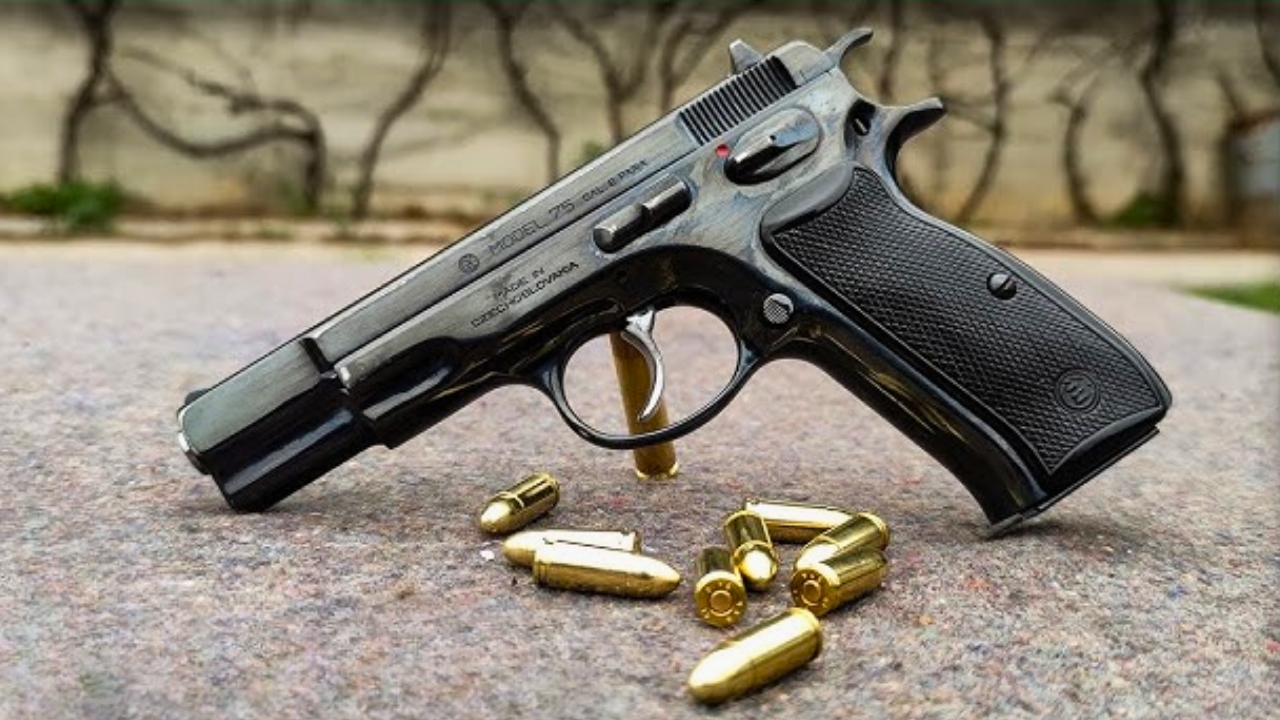
CZ’s own product page for the CZ 75 B makes a bold claim: it says the gun is the most copied handgun design second only to the 1911. Given the long list of clones, near-clones, and derivative pistols American Rifleman discussed back in 2009, that claim is not hard to understand.
That may be the most telling fact about the CZ 75. Lots of guns are admired. Far fewer get copied across countries and decades at that scale. The CZ 75 did, and that says almost everything you need to know about how strong the original design really was.
Like The Avid Outdoorsman’s content? Subscribe to our newsletter so you never miss an article.
Here’s more from us: