Photo credit: NewLibertyFirearmsLLC/GunBroker
A “compact 9mm” only earns its keep if it runs the stuff you actually end up feeding it. Not just one brand of ball ammo on a clean range day, but mixed-case practice ammo, different bullet profiles, and your chosen defensive load after it’s been riding in a holster collecting lint. The guns in this list all showed up in the 2025 new-release conversation and they fit the compact / carry space without leaning on the same five pistols everybody’s already written about a hundred times.
Also—“isn’t picky” doesn’t mean “can’t ever malfunction.” It means the design and track record point toward reliable feeding with common 9mm shapes (FMJ, typical JHP profiles, and the kind of mixed ammo people realistically practice with), without needing constant tuning or babying.
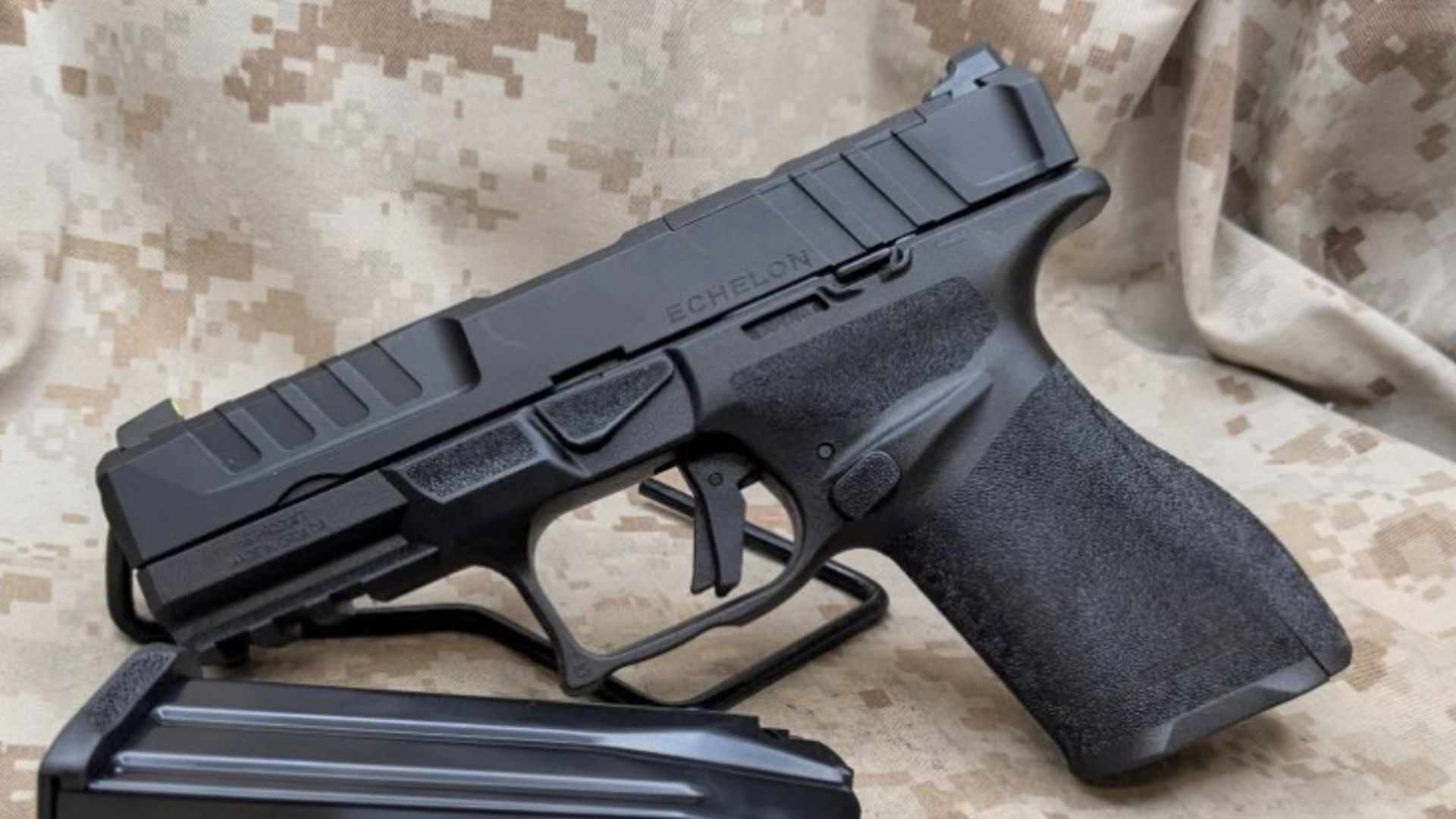
Springfield Armory Echelon 4.0C
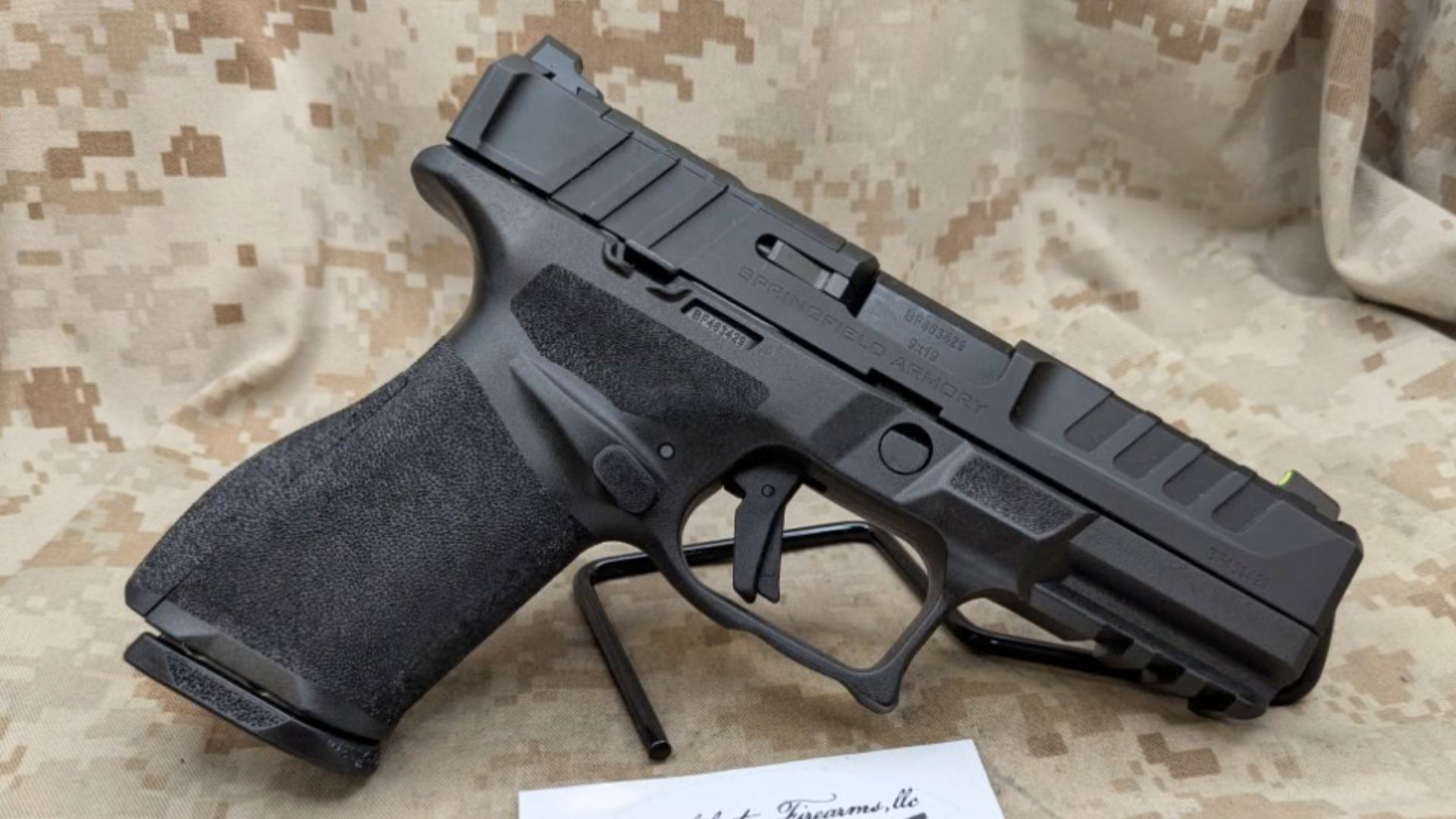
The Echelon Compact is one of the more important carry releases for 2025 because it brings Springfield’s modular Echelon system into a size that’s actually realistic for daily carry. The whole “not picky” angle here is that the Echelon line was designed around modern duty/carry expectations—optic-ready, modern feed geometry, and a platform intended to run common defensive ammo without drama. The 4.0C keeps 15+1 capacity while staying compact enough that it doesn’t feel like you’re strapping on a full-size gun.
Where it tends to win is consistency. When a pistol’s system is built to be modular and standardized, you usually see fewer weird “this specific load hates this specific gun” surprises. It’s still smart to test your carry ammo, but the Echelon Compact is aimed at people who want a carry gun that behaves like a serious service pistol, not a temperamental range toy.
HK CC9

HK dropping the CC9 got attention fast because it signals they’re taking the modern concealed-carry market seriously, not just re-selling the same legacy ideas in a smaller shell. HK’s reputation is built on guns that run under real conditions, and the CC9 is positioned to bring that approach to the compact carry space.
The “not picky” case for a pistol like this is simple: the brand is obsessive about reliability margins, and HK doesn’t usually survive on “it runs fine if you baby it.” In the real world, compact pistols are the ones most likely to get limp-wristed, under-lubed, or fed a random box of ammo you found locally. A carry release from HK is almost always aimed at reducing those problems instead of creating new ones.
Ruger RXM

The Ruger RXM is one of the more interesting 2025 pistols because it’s built around a removable fire-control insert concept—basically a modern, modular approach that lets you change grip modules while keeping the serialized “core” consistent. That matters for reliability because consistency in the core system often translates to consistency in how the gun feeds and cycles as you change external setup.
If you’re trying to avoid picky behavior, modularity can be a real advantage when it’s done right. You can tune grip size and ergonomics to get a more stable hold (which helps cycling), without swapping to a totally different pistol with totally different feeding quirks. It’s still new enough that smart buyers will run a real break-in and test multiple loads, but RXM is clearly aimed at “carry practical” rather than “boutique sensitive.”
Taurus GX2

Taurus introducing the GX2 as a compact carry pistol in the SHOT-era 2025 news cycle is a sign they’re continuing to chase the mainstream concealed-carry crowd. The spec profile (compact dimensions, 13+1 capacity, reasonable barrel length) puts it squarely in the “daily carry” category where ammo tolerance is non-negotiable.
The “not picky” angle with Taurus is always going to come down to the specific model and current production quality—but the GX2 is being pitched as a reliability-forward evolution, not a gimmick. If you’re budget-minded and you actually plan to practice, you want a pistol that runs common ball ammo without random nose-dives and still feeds your preferred JHP cleanly. The GX2 is meant to be that kind of tool, as long as you do the normal due diligence: run it, test it, and don’t assume anything is magically perfect out of the box.
Canik METE MC9 Prime

Canik’s MC9 Prime showing up in SHOT 2025 “new pistols” coverage matters because Canik has built its recent reputation on shootability plus decent reliability at a price point where a lot of people actually buy and train. The MC9 Prime is positioned as a carry-focused evolution in their micro/compact track, not just a minor cosmetic refresh.
Ammo pickiness often shows up in smaller guns because timing gets tighter, springs are stiffer, and bullet profiles can cause weird feed angles. A “Prime” carry pistol that’s meant for the CCW crowd generally tries to address those issues—feed geometry, magazine behavior, and recoil system tuning—so the gun doesn’t only run one favorite range load. The practical move is still to test your carry JHP and a couple of common FMJs, but this is one of the 2025 carry releases that’s clearly trying to be a daily driver.
FN Reflex XL MRD

The FN Reflex XL MRD landing in best-of SHOT 2025 pistol lists points to FN continuing to push the Reflex line into a more serious everyday-carry niche. The XL/MRD combo is basically FN saying “people want a carry gun that shoots easier and mounts a dot without drama,” which usually goes hand in hand with “it needs to run common ammo without fuss.”
FN tends to build carry pistols with defensive reliability as a core selling point, and in the compact/micro space that means feeding different hollow-point shapes consistently. A lot of “picky” pistols aren’t picky with ball—they’re picky with certain JHP profiles. A Reflex XL MRD buyer is usually choosing it specifically because they want a gun that carries like a slim pistol but behaves like a serious defensive tool when loaded with real carry ammo.
Springfield Armory Prodigy Compact

The Prodigy Compact is an interesting 2025 carry entry because it takes the double-stack 1911/2011-style concept and pushes it toward realistic concealed carry: aluminum frame for weight savings and compact sizing while keeping strong capacity (15 rounds).
Now, the honest truth with 2011-style pistols is that some of them can be more sensitive than striker-fired guns—magazines, spring rates, and ammo length can matter more. That said, the Prodigy line exists because Springfield is trying to make the “carry 2011” idea more accessible and more practical for regular shooters, not just guys who tune everything. If you want a compact that shoots incredibly well and you’re willing to verify magazine and ammo compatibility up front, a Prodigy Compact can be a very “runs what you feed it” gun once it’s proven in your hands.
Kimber Carbon Compact
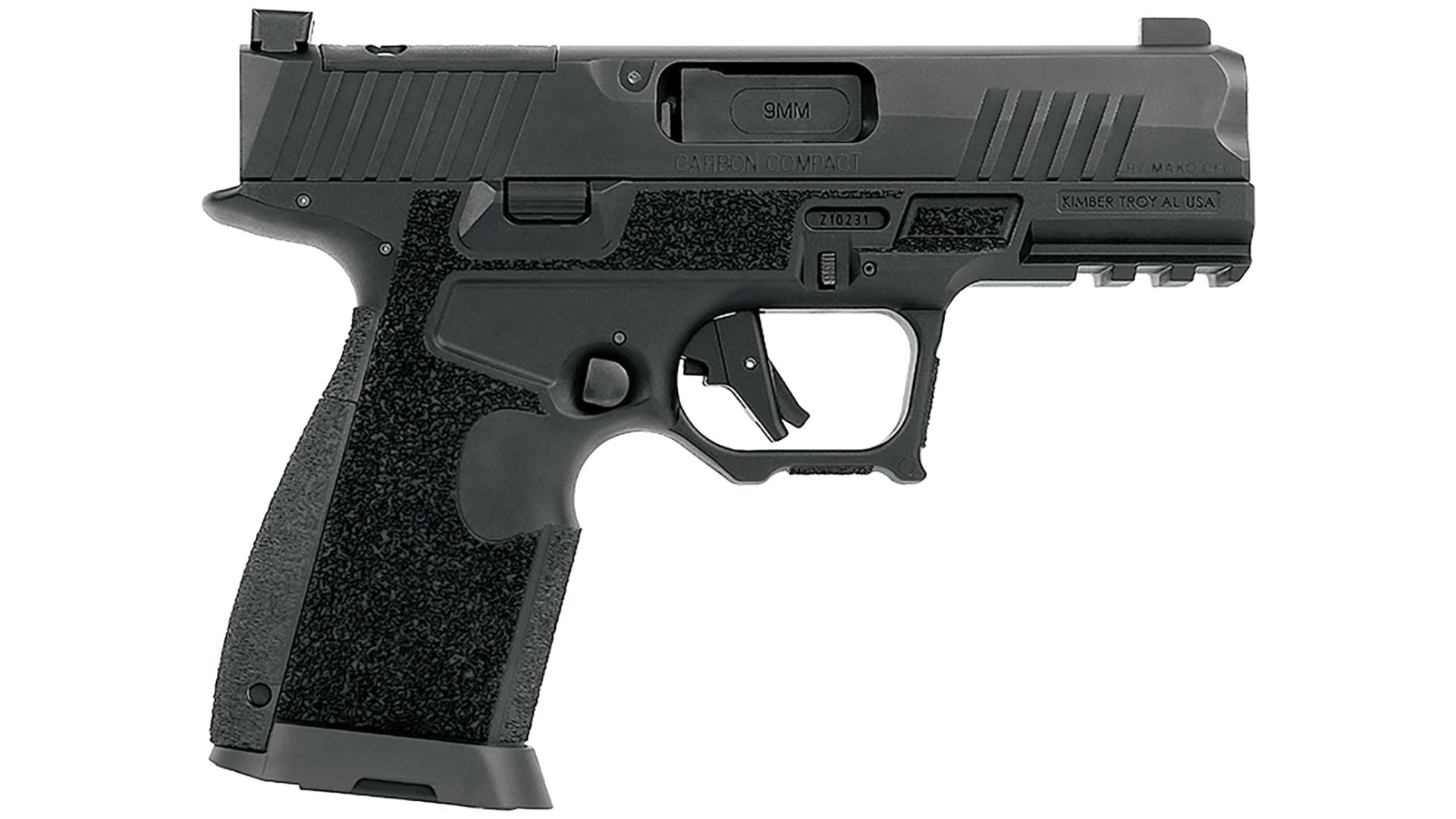
Kimber’s Carbon Compact showing up in SHOT 2025 coverage is basically a signal that lightweight carry guns are still a major market focus. The “not picky” question with anything compact and lightweight is always: does it still cycle reliably when you’re not gripping it like a vise, and does it feed modern JHP profiles without the occasional hiccup?
A compact Kimber aimed at carry is usually built around the idea that people will actually live with it—meaning lots of holster time, lots of draw practice, and a mix of ammo depending on what’s available. If you’re shopping this category, the right way to treat it is “carry-focused, prove it with your ammo.” But it fits this list because it’s a 2025 compact release that’s intended for practical carry, not a range-only piece.
Walther PDP Pro F-Series 4″

Walther’s PDP Pro F-Series 4″ popping up in SHOT 2025 coverage is a good sign for people who want carry ergonomics without sacrificing shootability. The F-Series angle—built around improved fit and controllability for a wider range of shooters—can directly affect reliability, because a gun that fits your hand better is a gun you cycle more consistently under recoil.
“Picky” compact pistols often show their pickiness when the shooter’s grip isn’t perfect, especially during faster strings or awkward positions. A PDP variant designed to be easier to run, with a modern “Pro” feature set, tends to be the type of pistol that chews through standard practice ammo and still behaves with defensive loads, assuming you pick reputable mags and keep it properly maintained. It’s a practical 2025 carry release that doesn’t rely on hype to justify itself.
Rost Martin RM1C
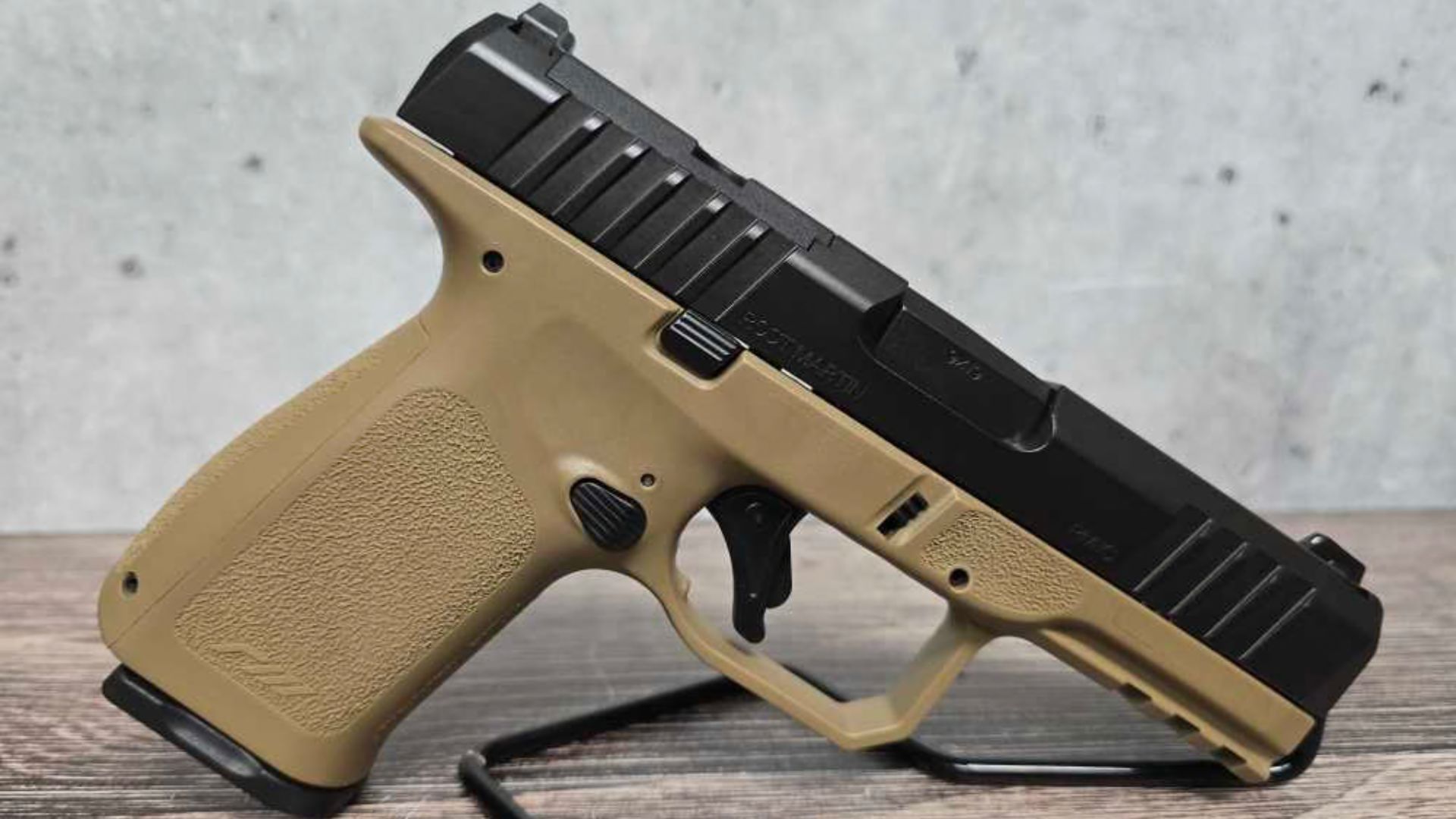
Rost Martin showing up with the RM1C in SHOT 2025 lists is notable because newer brands live or die on whether the gun runs like a grown-up pistol, not a first-generation experiment. The RM1C is positioned in that compact “everyday carry” lane where you can’t afford to be ammo-sensitive, because owners are going to run whatever 9mm they can find and trust it with defensive loads.
For a compact carry gun, “not picky” usually means: consistent magazine behavior, a feed path that doesn’t freak out on different hollow point ogives, and a recoil system that cycles across a range of bullet weights. With a newer brand, you still validate it harder—more rounds, more variety, more scrutiny—but that’s exactly why it’s a good “different gun” pick for this list. It’s a 2025 compact that’s trying to earn a serious reputation.
KRISS USA Kymera

The KRISS Kymera being highlighted among SHOT 2025 pistols tells you it’s more than a minor refresh—it’s a real product push. In practice, pistols in this lane often target shooters who want a modern, premium-feeling carry/defensive handgun with current features and a performance-first design approach.
Ammo pickiness in premium pistols can happen when tolerances are extremely tight or the gun is “tuned” for specific loads. The way to avoid that is good engineering choices that prioritize reliability margins, not just tightness. If you’re looking for something different from the usual striker-fired suspects and you still want a pistol that isn’t dramatic about ammo, this is the kind of release that’s worth a hard test. It belongs here because it’s a 2025-highlighted compact-ish handgun that’s meant to be a serious shooter, not a novelty.
HK VP9A1

HK’s VP9A1 update coming out of SHOT 2025 coverage matters because it’s the kind of refresh that usually focuses on real shooter feedback: usability, controls, and practical performance rather than cosmetic noise. Even though the VP9 family is well-established, an “A1” update in 2025 signals continued refinement of a platform that already has a reputation for reliability and broad ammo compatibility.
When people say a gun “isn’t picky,” they usually mean it feeds common FMJ and typical defensive JHP loads without turning your practice sessions into a troubleshooting forum post. VP9 variants have long been known for being easy to shoot well, and easy-to-shoot guns tend to be run harder and more often—which exposes issues if they exist. The reason this fits your prompt is that a refreshed VP9 in 2025 is still one of the safer bets for “runs what you feed it” in a compact-capable 9mm ecosystem.
Springfield’s 2025 compact carry push
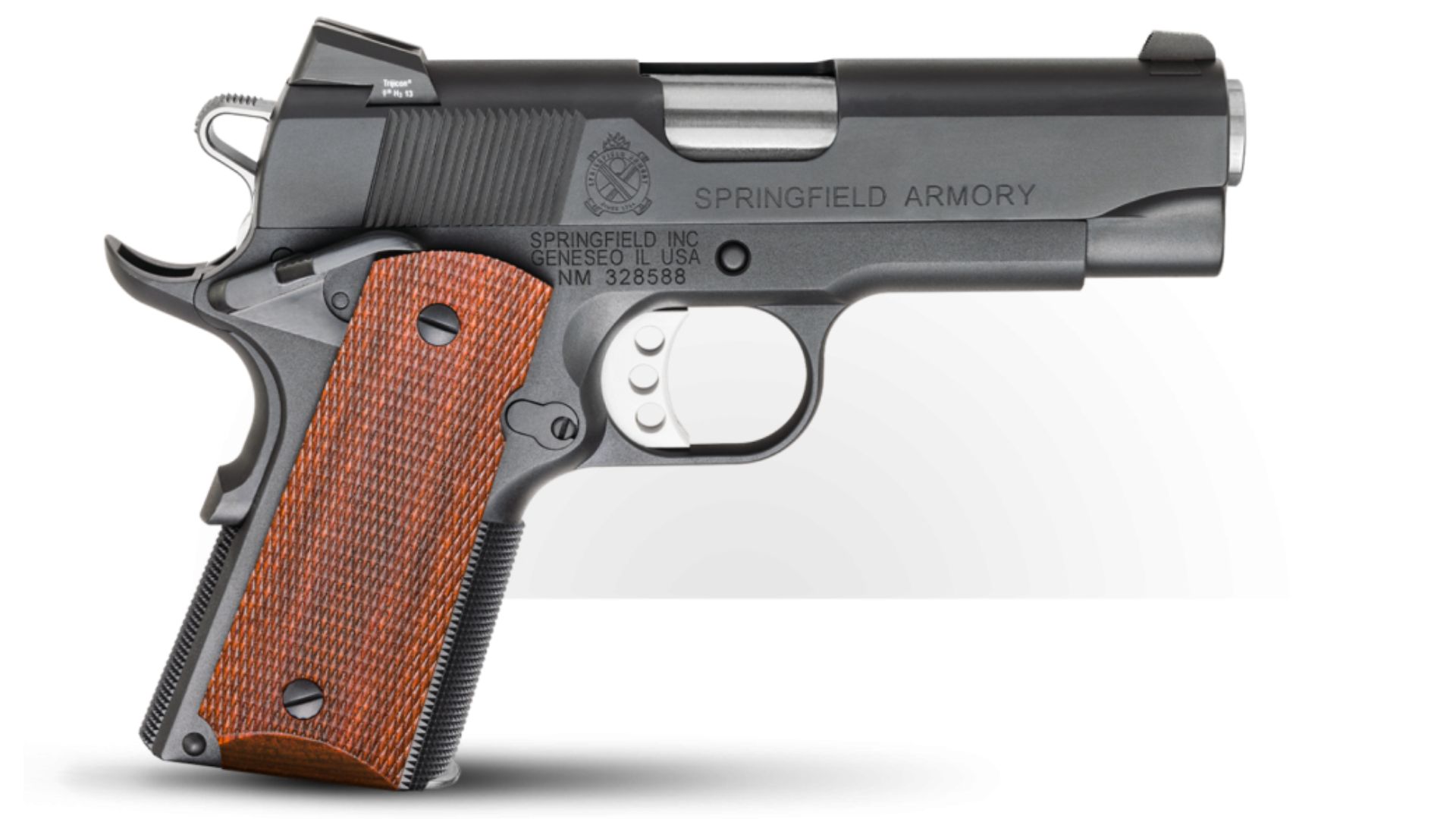
SHOT Show’s own 2025 roundup calling out Springfield’s compact Echelon release is part of a broader pattern: manufacturers are building compact guns now with the assumption that they’ll see mixed ammo, optics, and real carry use—not just clean range days. That broader “designed for real use” shift matters because it tends to reduce pickiness across the board: better feed geometry, better magazine design, more consistent extractor/ejector behavior, and fewer “only likes one load” quirks.
If you want a compact 9mm that isn’t finicky, you’re usually better off shopping inside this 2025 wave of carry-focused designs than chasing oddball boutique guns that require a bunch of personal tuning. This slot is here as a reminder that some of the best “not picky” buys aren’t the most viral names—they’re the models built in this modern carry era where reliability across common ammo is a baseline expectation.
Smith & Wesson CSX E-Series

The CSX E-Series is one of those pistols that quietly fixed a lot of complaints people had with the original CSX. The E-Series update brought optic-ready capability and refined some of the carry-focused details that matter when a gun actually lives on your body. It’s still compact, still slim, and still easy to conceal, but it now fits better into the modern carry ecosystem instead of feeling like a half-step behind. The aluminum frame gives it a solid feel without making it heavy, which helps control recoil while keeping it comfortable for all-day wear.
From an ammo-tolerance standpoint, the CSX E-Series tends to behave like a grown-up carry gun. It feeds common ball ammo and modern defensive hollow points without needing a specific “favorite” load. That’s important for a pistol this size, because smaller guns often show their worst habits when you start mixing ammo. If you want something compact, different from the striker-fired crowd, and updated enough to feel current in 2025, the CSX E-Series earns its spot.
Stoeger STR-9 Thinline

The STR-9 Thinline is one of the more overlooked compact carry pistols, which is exactly why it belongs on this list. Stoeger didn’t design it to chase hype — they designed it to be flat, easy to carry, and simple to keep running. The Thinline keeps a slim profile that works well for inside-the-waistband carry, but it still gives you enough grip length to actually control the gun instead of just tolerating it. That balance is what keeps people practicing instead of dreading range time.
Where the Thinline really fits the “isn’t picky about ammo” idea is its straightforward operating system. It’s not over-tuned, not overly tight, and not dependent on a narrow pressure window to function. That usually translates into a pistol that runs common FMJ, bulk range ammo, and mainstream defensive loads without random hiccups. It’s not flashy, and it’s not trying to impress anyone — but for a compact 9mm that’s meant to be carried, shot, and trusted, that’s exactly the point.
Like The Avid Outdoorsman’s content? Be sure to follow us.
Here’s more from us: