Photo credit: WHO_TEE_WHO/YouTube
Some cartridges make a lot of noise at the range and still manage to leave game walking away unharmed. They bark loud, recoil sharp, and throw up dirt like a bomb went off—but when it comes to real-world effect on target, they don’t deliver much beyond the noise. You’ve probably shot a few of these and walked away wondering where all that energy went. Whether it’s poor bullet construction, light weight for caliber, or inefficient case design, these rounds sound tougher than they hit. They’re great for conversation at the counter, but in the field, their bite rarely matches their bark.
.17 Winchester Super Magnum

The .17 WSM earned headlines for being the fastest rimfire ever, but most of that speed doesn’t translate into terminal performance. It hits the chronograph hard but struggles with real penetration, especially on anything bigger than a squirrel. The bullet fragments too easily and loses momentum almost instantly on contact.
Even with perfect shot placement, it tends to wound or ricochet off bone instead of breaking through. It’s accurate and flashy but ultimately a round that’s all show. You’ll make plenty of noise and vaporize small varmints, but don’t expect any serious impact past 150 yards.
.22 Winchester Magnum Rimfire

The .22 WMR has been around for decades, promising “magnum” performance in a rimfire package. In practice, it’s loud, flashy, and inconsistent. While it’s fine for small game, it struggles with energy transfer, often punching neat little holes rather than dropping animals quickly.
Its muzzle blast and report are surprisingly sharp for such a mild round, which fools many into thinking it hits harder than it does. In truth, it’s an underwhelming performer for anything beyond 75 yards. It’s not bad—just not nearly as effective as the word “magnum” suggests.
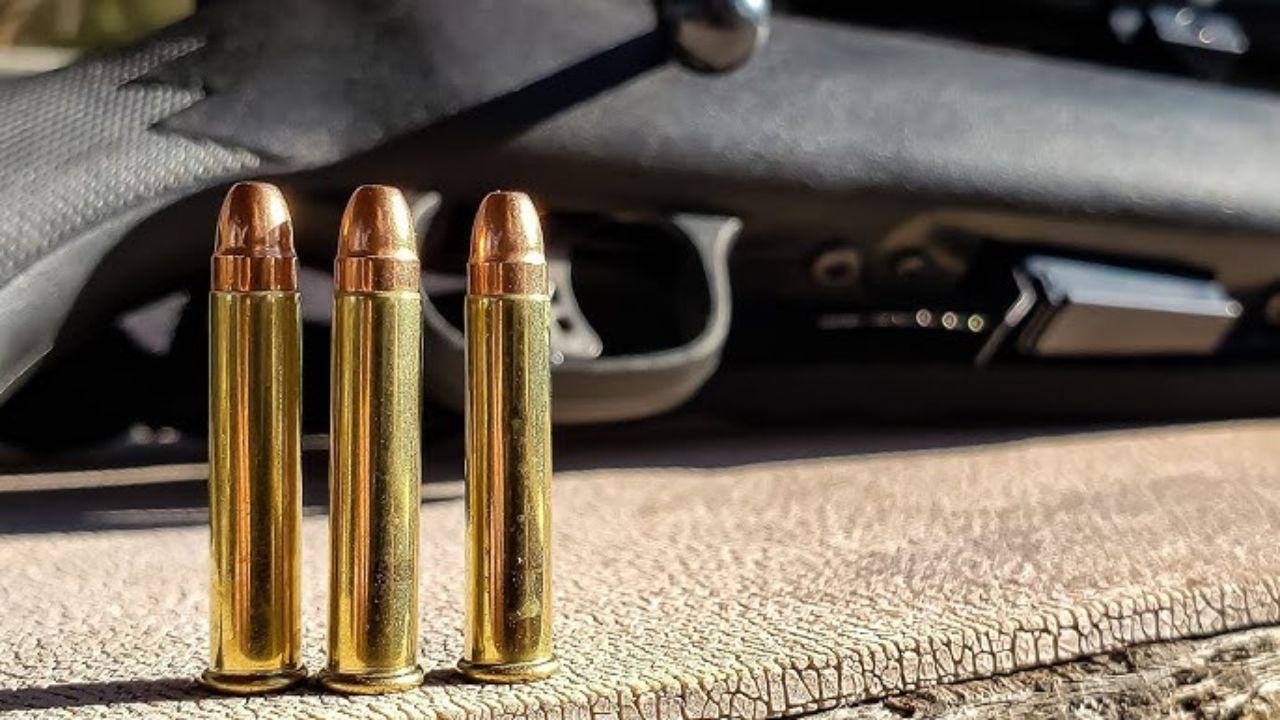
.30 Carbine

The .30 Carbine earned its place in history but never impressed anyone with its stopping power. Out of an M1, it’s loud, flashy, and flat-shooting for its size—but its light 110-grain bullet lacks the mass to deliver serious energy on target.
Hunters and shooters alike find it underwhelming on anything larger than varmints or small hogs. Even modern hollow-points don’t fix the problem; they expand too soon and fail to penetrate. It looks the part of a “serious” cartridge but acts more like a centerfire plinker once you pull the trigger.
.32 ACP

The .32 ACP has a sharp crack that makes it sound snappy, but the numbers behind it tell another story. Low velocity and marginal bullet weight mean poor penetration and unreliable expansion, especially from pocket-sized pistols.
Even with modern ammo, it barely clears 200 foot-pounds of energy. That’s not much when you’re counting on it for defense or clean kills on pests. It sounds feisty and feels manageable, which explains its appeal, but when you need it to perform, it fizzles more than it flattens.
.22 Hornet

The .22 Hornet’s charm lies in nostalgia, not stopping power. It offers centerfire noise and flash with rimfire-like terminal results. Light bullets moving fast look great on paper but fail to hold energy downrange. Anything larger than a rabbit might shrug it off.
It’s also highly sensitive to barrel length and load selection. Some rifles shoot it fine; others scatter shots like a bad shotgun. It’s fun to shoot and cheap to reload, but it’s more noise than knockdown. If you expect it to behave like a .223, you’ll be disappointed every time.
.25 ACP

The .25 ACP might be the loudest round in history that achieves almost nothing beyond making sound. It’s famously ineffective for self-defense, offering minimal velocity and energy barely above a strong pellet gun. Still, its sharp crack makes it seem more serious than it is.
Even point-blank, penetration is unreliable. The small bullet often fails to reach vital organs through heavy clothing. It’s a cartridge that proves noise doesn’t equal power. When you hear one fired, it sounds punchy—but the target hardly notices.
.300 AAC Blackout (Subsonic)

When suppressed, the .300 Blackout is smooth and quiet. When unsuppressed, especially in subsonic loads, it sounds like it should deliver—but it doesn’t. Those heavy, slow bullets drop fast and lack expansion on game unless you use specialty loads.
Hunters love it for its versatility, but too many assume it hits like a .308. It doesn’t. At 1,000 feet per second, it’s basically a heavy pistol round pretending to be a rifle cartridge. It makes a solid thump on impact but rarely the kind that anchors game.
.17 HMR

The .17 HMR makes a loud, satisfying crack that sounds serious—but its ultra-light bullets have all the impact of a mosquito beyond 150 yards. It fragments fast and often fails to penetrate. In gusty wind, shots can drift several inches off target.
It’s an incredibly fun round for targets or pest control, but its bark is way worse than its bite. Plenty of new shooters fall for the sound and speed, only to realize later that it’s a glorified squirrel cartridge—not a true varmint powerhouse.
.410 Bore

The .410 bore makes a sharp report that feels powerful, especially from a lightweight shotgun. In reality, its limited shot payload makes it one of the least effective hunting or defensive shells on the market.
Even with modern slugs or buckshot, the energy on target is marginal. Pattern density is poor beyond 25 yards, and you’ll often wound more than you drop. The .410 sounds fierce and recoils snappily, but what it delivers downrange is more disappointment than destruction.
.380 ACP

The .380 ACP has earned its place in pocket pistols, but it’s one of those cartridges that always looks stronger than it is. It has a sharp pop and decent recoil, but even premium loads struggle with reliable penetration and expansion.
Many shooters mistake its report for authority, but the data doesn’t lie—it performs barely better than 9mm Kurz was ever meant to. It’s adequate for close defense, but the sound it makes far oversells its actual punch.
.44-40 Winchester

The old .44-40 still shows up in cowboy guns and lever actions, and it sounds mean—especially out of a long barrel. But ballistically, it’s soft by modern standards. Its slow, heavy bullet makes a satisfying thump on steel but underwhelms on game.
Recoil and muzzle blast trick you into thinking it’s more powerful than it is, but even mild .44 Magnum loads surpass it easily. It’s nostalgic and fun to shoot, but anyone expecting real power soon learns it’s more pop than punch.
.35 Remington

The .35 Remington sounds authoritative and recoils like a big-game round, yet it rarely performs like one. With limited velocity and poor ballistic coefficient, its energy drops fast past 150 yards. Expansion is inconsistent with modern loads.
Hunters who expect “thumper” performance end up disappointed. It’s fine inside woods range but hardly the powerhouse its bark suggests. The .35 Rem has personality, no doubt—but when you check the game afterward, it often feels like the bullet took a detour on the way to the vitals.
Like The Avid Outdoorsman’s content? Be sure to follow us.
Here’s more from us:
The worst deer rifles money can buy
Sidearms That Belong in the Safe — Not Your Belt
*This article was developed with AI-powered tools and has been carefully reviewed by our editors.