Photo credit: Matthew Corley/Shutterstock.com
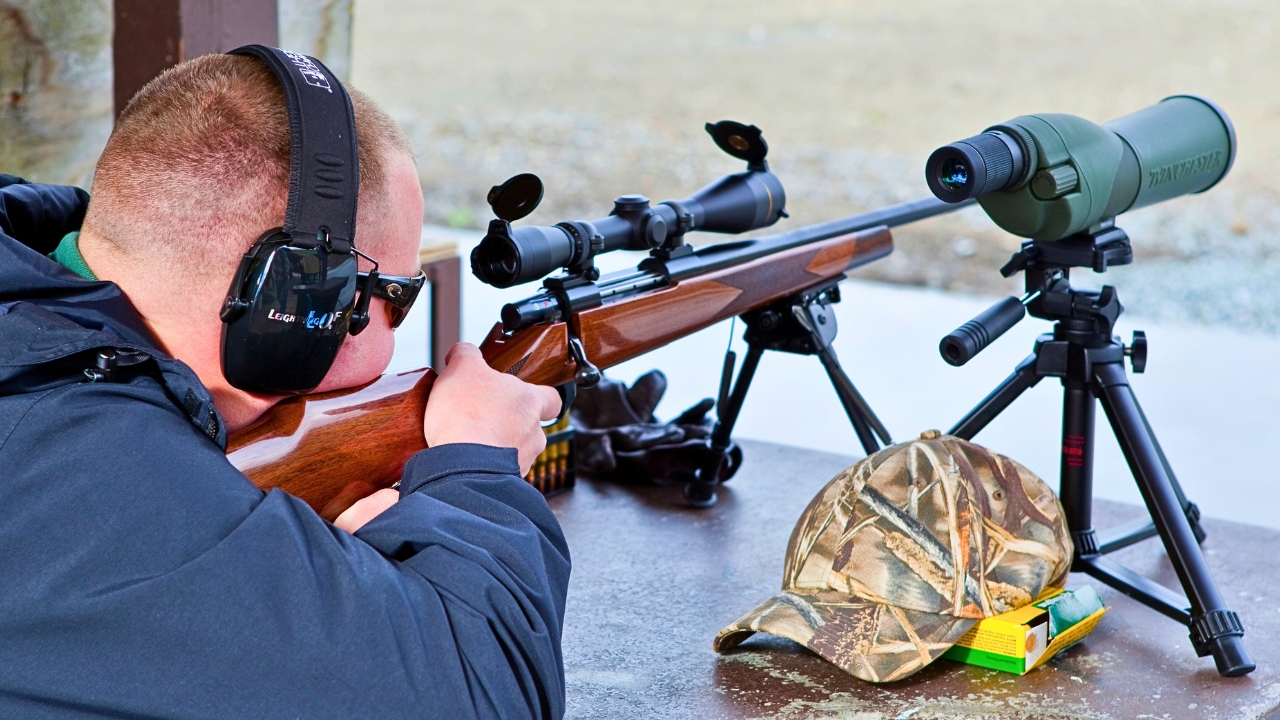
Some rifles look good on paper but refuse to settle into a repeatable pattern when you actually shoot them. You know the type: one three-shot group looks promising, the next opens up like a shotgun, and the third lands in a different zip code. These rifles drive hunters crazy because they tease you with that occasional tight cluster, only to fall apart the moment you think you’ve solved the problem.
When a rifle never groups the same way twice, it’s rarely just one issue. Stock fit, barrel stress, heat, inconsistent chamber dimensions, or simply poor execution all play a part. You try different ammo, tweak torque, swap optics—yet the rifle keeps wandering. These are the rigs that test patience and confidence more than anything else.
Remington 710
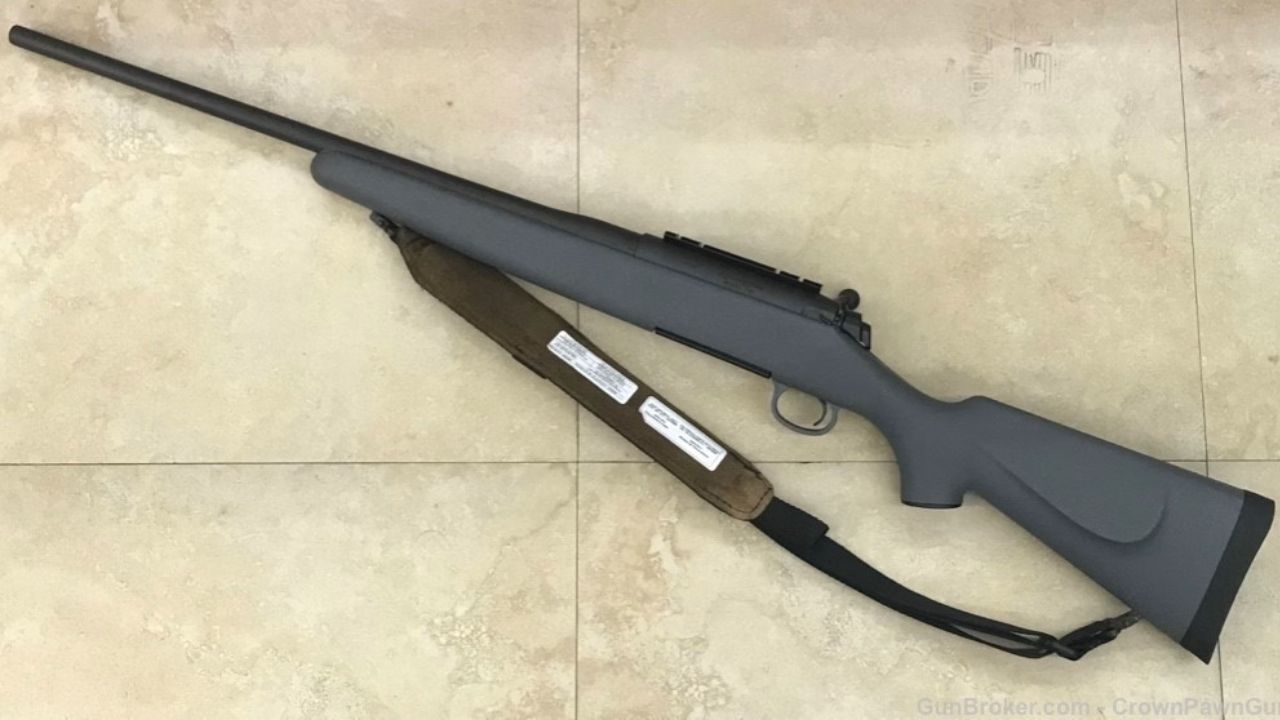
The 710 has earned its reputation for inconsistent accuracy. The combination of an injection-molded stock, rough bolt feel, and budget barrel often leads to groups that wander from one range session to the next. You might get a decent cluster one day, only to find the next three-shot string drift an inch or two in a different direction.
A lot of owners try to tune the rifle—different torque settings, different loads—but the underlying build quality holds it back. The rifle can shoot an acceptable group on occasion, but repeatability is the issue. It’s a rifle that leaves you constantly guessing where that next shot will land.
Mossberg ATR

The ATR can be a serviceable budget rifle, but many hunters have dealt with noticeable inconsistency between groups. The lightweight stock flexes under pressure, and the barrels on early models weren’t always stress-relieved well enough to maintain stability as heat builds. That leads to groups shifting unpredictably, even when you’re careful.
Some rifles shoot fine, but others are notorious for stringing shots vertically or diagonally without any clear cause. You can swap optics and experiment with ammo all day, yet the rifle still feels like it has a mind of its own. It’s a rifle that rarely prints the same pattern twice.
Savage Axis (first-generation)

The original Savage Axis earned praise for affordability, but accuracy between groups could be hit or miss. The factory stock was notoriously flexible, especially up front, allowing contact with the barrel under pressure. Even minor shifts in grip or rest position could change group placement by an inch or more.
The rifle is fully capable of good three-shot groups, but the lack of rigidity means those groups don’t always repeat. The moment you think you’ve found the right load, a slight change in shooting position sends things off again. It’s a rifle that keeps you fiddling instead of shooting.
Ruger American

Early Ruger Americans shot well in short bursts, but some rifles had trouble keeping groups consistent across sessions. Barrel channel contact, inconsistent bedding pressure, and early-run magazines adding tension all played a part. You could get one excellent group, then watch the next series shift for reasons that weren’t immediately obvious.
Many shooters found themselves re-torquing action screws and experimenting with pressure points just to keep the rifle predictable. While newer Americans have improved, early rifles remain known for patterns that change from outing to outing. It’s a rifle that requires constant babysitting.
Marlin XS7

The XS7 had a loyal following, but not all examples behaved the same on paper. Some rifles grouped beautifully; others shifted point of impact between groups even when using the same ammo, same bench, and same setup. The variation often came from uneven stock fit and bedding that wasn’t consistent across production runs.
The rifle feels great in the hands, but repeatability depends heavily on the individual example. If you got a good one, you knew it. If you didn’t, the rifle reminded you by wandering an inch or two without warning. It’s a coin-flip rifle for repeat accuracy.
CVA Cascade (early runs)
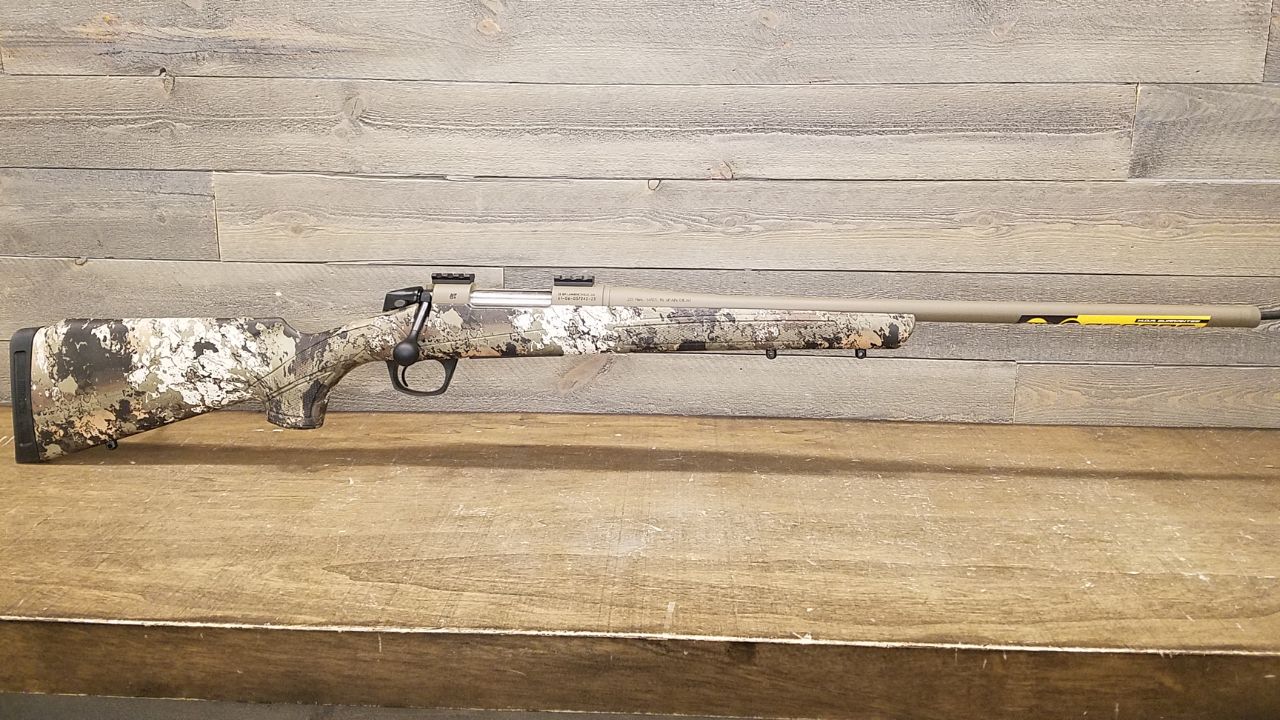
The Cascade has become a better rifle in recent years, but early production models had accuracy swings that frustrated owners. The combination of stock flex, bedding inconsistencies, and occasional barrel stress issues meant groups could shift an inch left or right between sessions.
You’d see a promising three-shot group, then watch the next drift well outside that cluster without any change in your setup. The rifle handled well and carried nicely, but keeping groups consistent required more fiddling than most hunters want in a field rifle.
Savage 340

The Savage 340 has history behind it, but accuracy repeatability has always been hit-and-miss. The barrel is thin, the stock design flexes easily, and the side-mount scope system can amplify small inconsistencies. You might get a great group at the start, then watch the next three shots wander as the barrel heats.
Many hunters keep these rifles around for nostalgia, but most admit they don’t shoot the same way twice. It’s a rifle that teaches patience—and sometimes surrender.
Rossi R95 (early samples)

The R95 brought excitement back to budget lever guns, but early rifles showed accuracy wandering that made grouping unpredictable. Barrel quality varied, and some rifles had wood-to-metal fit that applied inconsistent pressure along the barrel channel. A few shots might cluster nicely, then shift as you worked the lever and heat built up.
Rossi has improved QC, but the earliest runs were known for printing groups that wouldn’t stay put. It’s a rifle that keeps you guessing every time you walk up to the target board.
Howa Hogue

Howa actions are known for strength, but some Hogue-stocked configurations—especially light-profile barrels—show group movement between sessions. The softer rubber-overmold stock, while comfortable, can flex under pressure in ways that influence accuracy. The rifle feels great in hand, but repeatability isn’t always perfect.
Shooters often discover that even small differences in rest placement or sling tension change how the rifle prints. You can get a good group, but getting the same one twice requires more care than most hunters want to manage.
Remington 770

The 770 tried to improve on the 710’s shortcomings, but many rifles still displayed unpredictable grouping. Inconsistent chamber dimensions, rough bolts, and flexible stocks created conditions where three-shot groups would shift noticeably for no clear reason. It’s a rifle that demands constant adjustment.
Even when you find ammo it “likes,” the rifle doesn’t always repeat its results. You could shoot a tight group at 100 yards and then see the next three shots open up in a new direction. Hunters learn quickly that this gun doesn’t always play fair.
Ruger American Ranch (7.62×39)

The Ranch rifles are handy and popular, but early 7.62×39 versions sometimes struggled with wide group variation. Barrels heated fast, and slight differences in how the magazine fed rounds affected chamber alignment. It’s not unsafe—it just meant accuracy could drift.
Some rifles grouped predictably; others scattered shots depending on ammo brand and barrel temperature. You’d think you’d solved it, then groups changed again next trip. It’s a rifle that occasionally misbehaves without warning.
Savage 111 FCNS
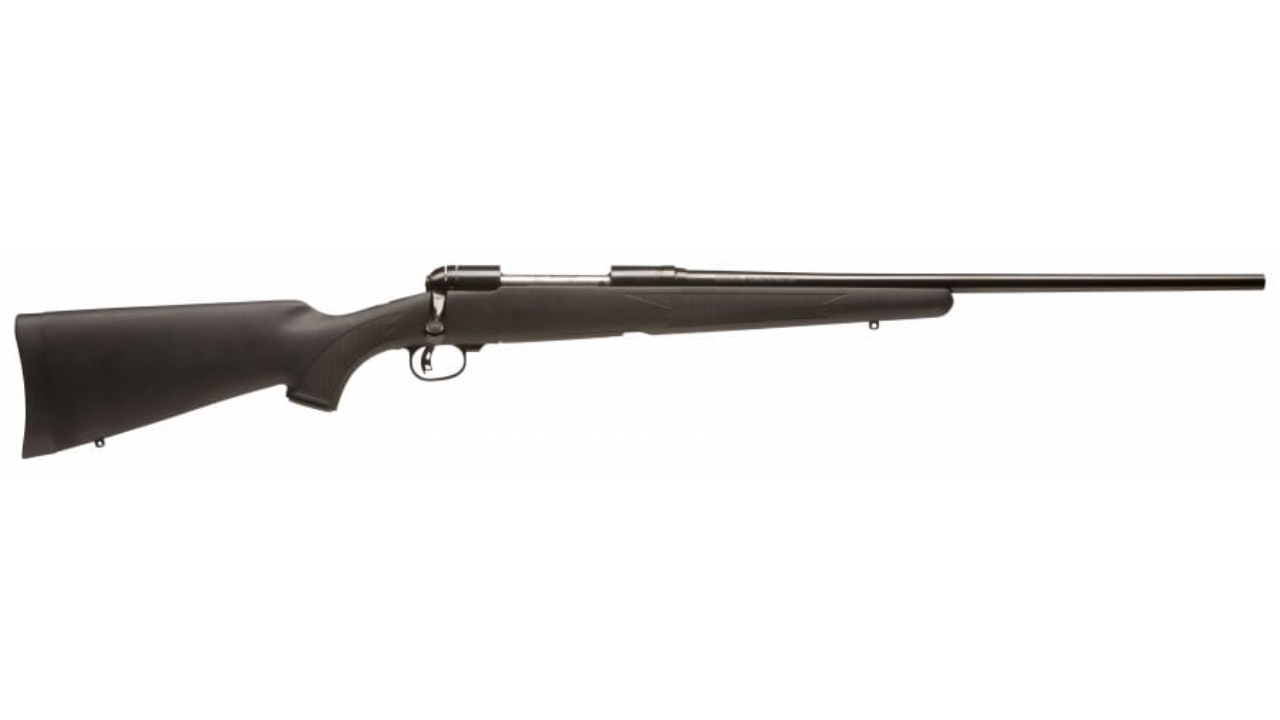
The 111 FCNS is known for value, but some shooters report group wandering tied to stock flex and inconsistent bedding pressure. The AccuTrigger is excellent, but the rest of the system doesn’t always deliver the same precision twice. It’s a rifle that shows potential but doesn’t always follow through.
You may get a cluster under an inch one day, then watch the same ammo drift wide the next. The swings aren’t dramatic, but they’re frustrating when you want predictability in the field.
CZ 527 Carbine (7.62×39)

The 527 Carbine is beloved for its handling, but some rifles—especially in 7.62×39—show accuracy that changes from group to group. Steel-case ammo plays a role, but even with good loads, the light barrel and short sight radius can make groups wander. The rifle shoots well enough, but repeatability can be elusive.
Many owners learn the rifle prefers slow fire with cool barrels. Once heat builds, the groups start drifting. It’s charming, but not the most predictable rifle on paper.
Henry Long Ranger (early production)

The Long Ranger brought lever guns into the accuracy discussion, but early rifles weren’t always consistent. Barrel tension screws, bedding surfaces, and magazine fit sometimes created accuracy swings between groups. One cluster would look great, while the next spread out for reasons that weren’t obvious.
The rifle points beautifully and handles well, but finding a load that repeated group after group could be challenging in early runs. Many owners still love the rifle—they just acknowledge it keeps them on their toes at the range.
Like The Avid Outdoorsman’s content? Be sure to follow us.
Here’s more from us: