Photo credit: Canadian Classics/YouTube
Some firearms never needed a big personality to stay relevant. They were not marketed like game changers, they did not live off collector drama, and they did not depend on a constant stream of internet praise to keep their place. They simply kept doing real work. They rode in scabbards, sat in camp corners, stayed in nightstands, went to the range, and kept proving themselves in the hands of people who cared a lot more about trust than noise.
That is usually how the best long-term respect gets built. Quietly. A gun that survives for decades without demanding attention is often telling you something important. It means the design made sense, the handling made sense, and the ownership experience held up when all the excitement around other guns came and went. These are 15 old-school firearms that kept earning respect the slow way.
Winchester Model 12

The Model 12 never had to shout. It was a pump shotgun that simply felt right to generations of shooters who cared about how a shotgun moved, pointed, and cycled in real use. It was not a gimmick gun, not a conversation prop, and not the sort of thing people bought to prove they were different. It was a serious field gun, and that was enough.
That kind of shotgun keeps earning respect because people notice smoothness over time. They notice when a gun carries well for miles, comes up naturally on birds, and still feels settled after decades of ownership. A shotgun like the Model 12 does not need a big mythology campaign. It just keeps making people understand why older sporting designs lasted as long as they did.
Remington Model 11
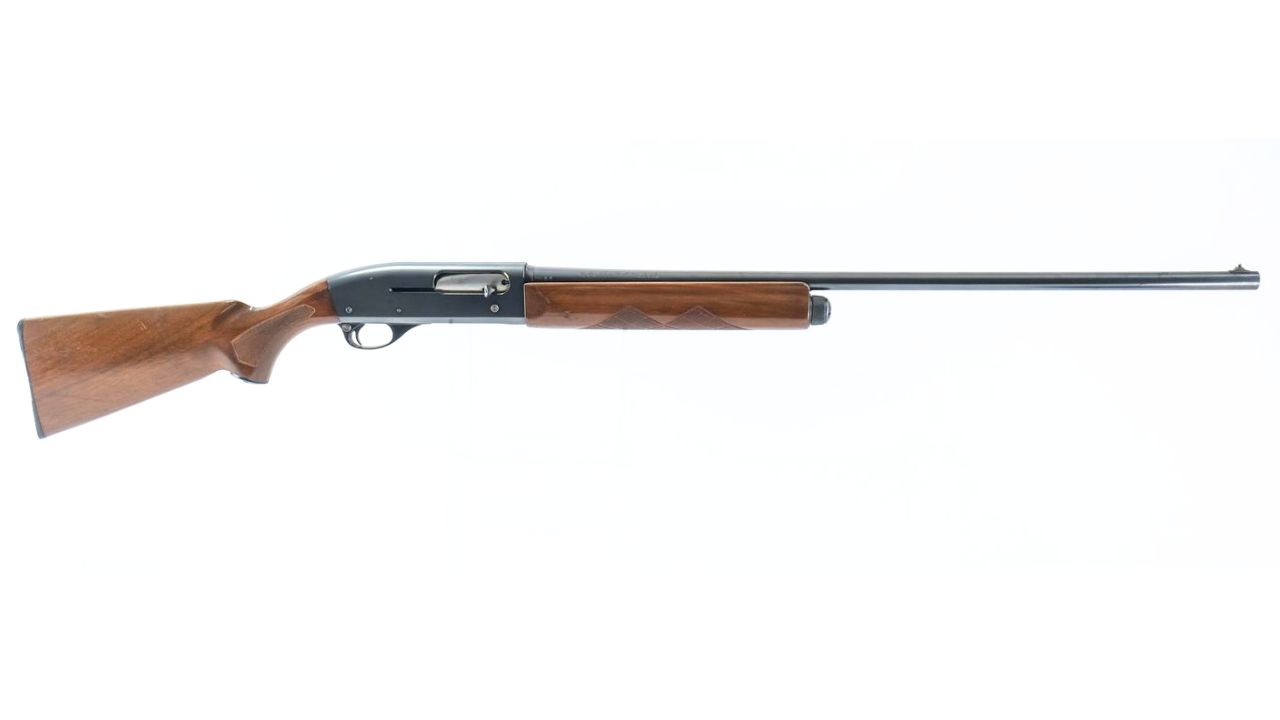
The Model 11 built its respect through plain old usefulness. Long before people started arguing about tactical shotguns, inertia systems, or whatever new semiauto was supposed to change everything, this gun was already proving that a semiauto shotgun could be a serious sporting tool. It did not have to look futuristic to feel important. It only had to work.
And that is exactly why it kept its place. The more shooters spent real time around flashy new shotguns that did not feel especially graceful or especially durable, the more an older gun like the Model 11 started looking smarter. It remained a reminder that practical semi-auto shotgun design was not invented yesterday, no matter how often the market acts like it was.
Colt Official Police

The Official Police was never built to be romantic. It was built to be carried, trusted, and shot by people who needed a revolver that would behave predictably under ordinary and stressful use alike. That plain seriousness kept it from becoming glamorous, but it also kept it from becoming forgettable to the people who actually knew what it was.
That is how a revolver earns respect without fanfare. It becomes part of real life. It gets handled enough, trusted enough, and depended on enough that its reputation grows through repetition instead of praise. The Official Police never had to demand status. It accumulated it slowly, through the kind of honest service that always ages better than hype.
Savage 340
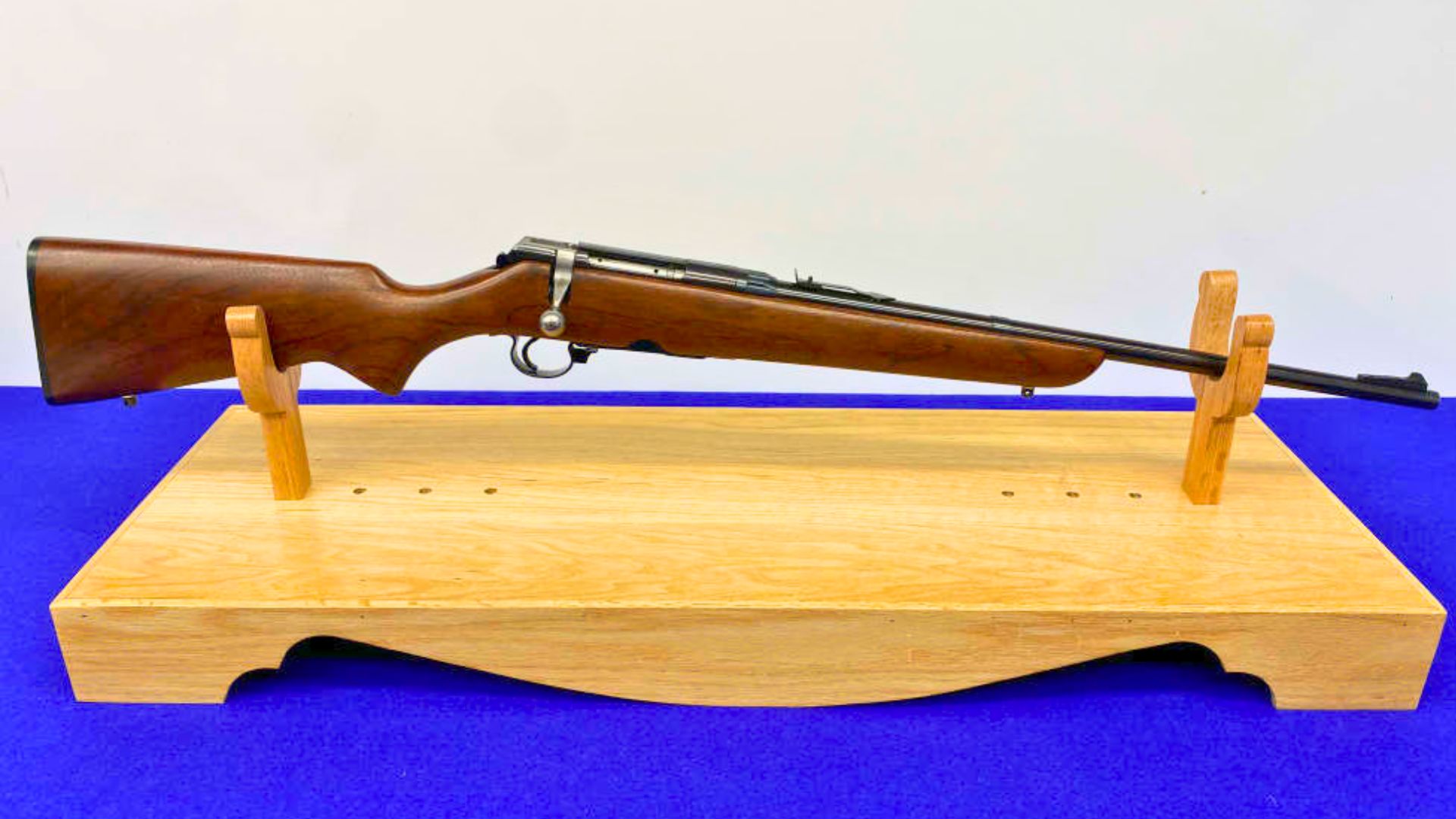
The Savage 340 spent years being treated like a plain working rifle, which is exactly what it was. It was not beautiful enough to become a collector darling right away, and it was not fancy enough to make buyers feel like they were buying into prestige. It was simply a practical bolt-action rifle that handled common cartridges and kept making sense to ordinary hunters.
That sort of gun often earns deeper respect with time than more glamorous rifles do. Once the owner has enough seasons behind it, enough range time behind it, and enough context to understand what matters, a rifle like the 340 starts looking very honest. It never asked to be admired first. It just kept being useful, and that kind of usefulness tends to stay in people’s memory.
Smith & Wesson Model 17

The Model 17 kept earning respect because a full-size rimfire revolver never stopped being a smart thing to own. It is easy to forget that in a market full of handguns trying to be more intense, more tactical, or more urgent than they really need to be. But a revolver that helps build skill, rewards good trigger work, and stays enjoyable over long range sessions remains valuable in a very durable way.
That is exactly why the Model 17 never had to beg for attention. Shooters who spent enough time with one usually got it. It was not there to show off. It was there to teach, to refine, and to keep paying the owner back in honest range value. Firearms that do that tend to earn long respect with very little noise.
Browning Auto-5

The Auto-5 earned its respect because it had something too many newer shotguns lack: presence backed by real function. It was distinctive, yes, but it was not distinctive for its own sake. It handled birds, field work, and hard use in a way that gave it character without turning it into a novelty. That balance is hard to build and even harder to fake.
And because it was so rooted in real use, the respect never needed to be manufactured. Hunters knew what the gun was about. Owners learned how it moved and what it liked, and the relationship deepened instead of fading. That is how an old shotgun stays respected. Not by being loud, but by being remembered as worth the trouble and worth the trust.
Ruger M77 Tang Safety

The tang-safety M77 never looked like the sort of rifle people should form cults around. It looked like a practical hunting rifle, and for years that kept it from getting the kind of attention more dramatic names did. But people who actually hunted with them kept seeing the same thing: a straightforward, dependable rifle that carried itself well and stayed believable when the weather got bad.
That sort of rifle gets respected more as buyers get older. It stops being “just a Ruger” and starts becoming the rifle that made sense every time it got pulled from the rack. That is a very real form of respect, and one that often lasts longer than the louder, more attention-grabbing reputations built around other guns.
Walther PP

The Walther PP survived on more than style, even though style often gets all the credit first. What kept it respected was the fact that it remained a genuinely sensible pistol for its role. It was compact without being toy-like, useful without being overbuilt, and mature in a way that many later small pistols tried to imitate without ever feeling as complete.
That is why it kept earning respect quietly. People who spent enough time with it usually understood it was more than an icon. It was a properly thought-out handgun from an era when handgun design still had to make practical sense before it could become fashionable. That kind of foundation carries a lot of weight over time.
Marlin 81

The Marlin 81 was never a flashy rimfire. It was the kind of .22 people bought because they needed a rifle, not because they were trying to build a personality around the purchase. And that is exactly why it stayed respected in the hands of people who grew up with one, learned on one, or hunted small game with one for years.
Rifles like this earn their place in a very deep way. They become part of routine. They stay in the safe because they still shoot fine, still feel familiar, and still solve the simple problems they were bought to solve decades earlier. That is often more meaningful than a bigger reputation. The Marlin 81 never had to be exciting. It just had to stay worthwhile.
Colt Trooper
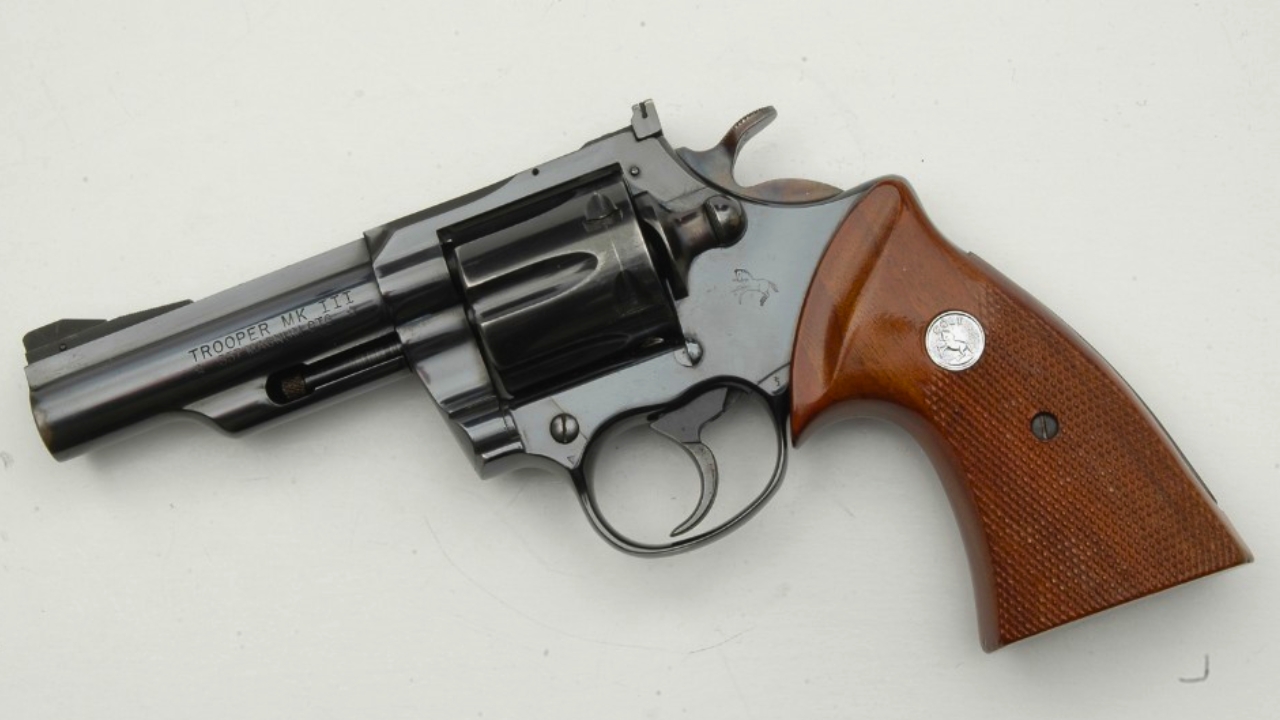
The Trooper always lived a little outside the brightest spotlight, which may be one reason it kept earning such steady respect. It was not the snake gun people bragged about first. It was the revolver people often came to appreciate more slowly, once they had enough trigger time and enough revolver experience to understand what a serious double-action handgun felt like.
That sort of appreciation tends to deepen with time. A revolver like the Trooper reveals quality through use, not through hype. It feels settled, real, and built around the kind of practical shooting that never fully goes out of date. That is a big reason it stayed respected without ever having to force itself into the center of every conversation.
Remington 121 Fieldmaster
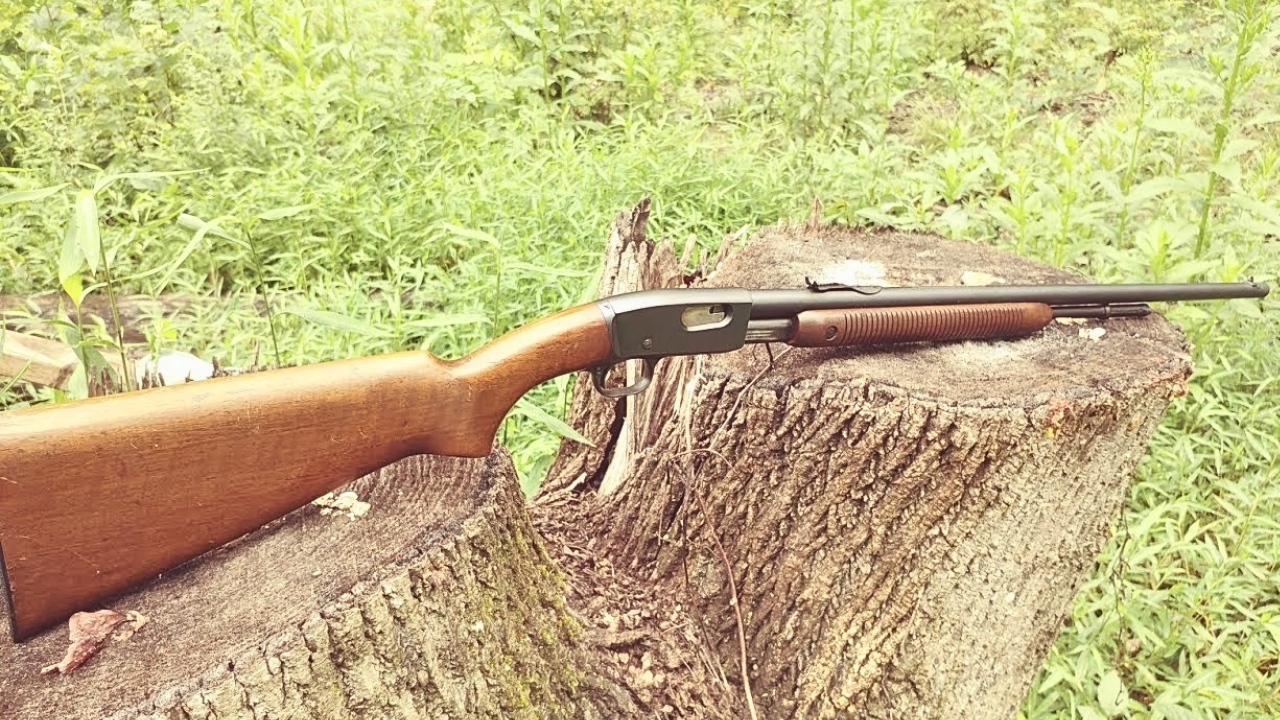
The 121 Fieldmaster is another great example of a firearm that stayed relevant simply because it stayed good. It was a pump .22, and a lot of pump .22s spent years being treated like ordinary household tools instead of rifles worth real appreciation. But that ordinary usefulness is exactly what gives them staying power in the long run.
Shooters who grew up with rifles like this rarely forget them. A good old pump .22 feels alive in the hands in a way that a lot of cheaper, more disposable rimfires never do. That is why the 121 kept earning respect. It was not because it demanded nostalgia. It was because it kept proving that a simple rifle could still feel right for a very long time.
Browning High Power BDA .380

The BDA .380 never got the same broad cultural push that some handguns did, which left it in that useful zone where experienced shooters often appreciate it more than casual buyers do. It looks refined without looking precious, and it shoots in a way that reminds people how much value there still is in compact metal-frame pistols that were designed for more than one season of enthusiasm.
That is exactly why it kept earning respect. It was not a big trend gun. It was a quietly competent one. People who spent enough time with it found a handgun that stayed comfortable, practical, and satisfying after many other “better ideas” had already come and gone. That sort of long-term steadiness is the whole point here.
Ithaca 37

The Ithaca 37 kept earning respect because it never had to be anything other than a very believable pump shotgun. It pointed well, handled well, and gave owners the sort of mechanical confidence that matters much more in the field than whatever current shotgun trend happens to be popular. It never really needed a giant personality because it already had a job.
And jobs done well build lasting reputations. The more time somebody spends around shotguns that chase image harder than they chase usefulness, the more a plain, well-handling pump starts looking like wisdom. The Ithaca 37 stayed respected because it kept proving that a shotgun does not have to be flashy to feel exactly right.
Astra 600
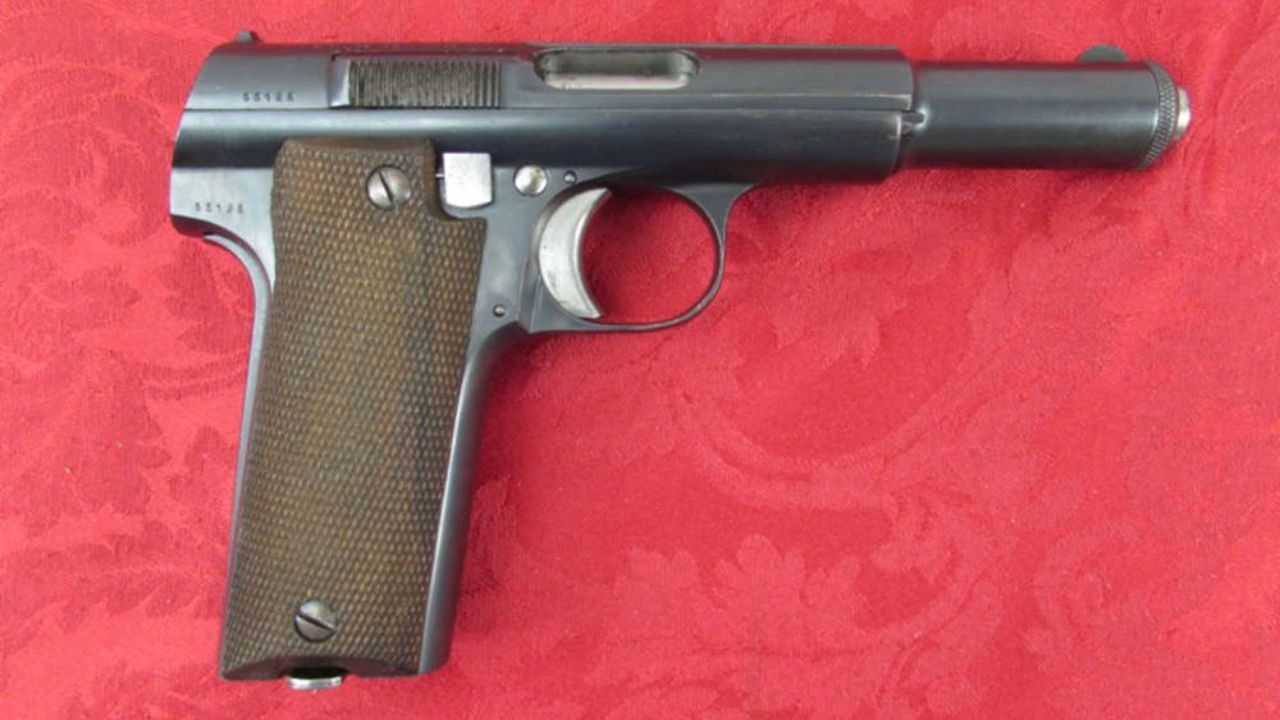
The Astra 600 is one of those pistols that kept earning respect almost in spite of the fact that it never had much cultural glamour attached to it. It did not fit the same romantic mold as some of its era peers, and that made it easy to overlook. But older shooters and collectors who spent real time around them often came away with a stronger appreciation than the pistol’s modest profile would suggest.
That is how some guns build their following. They are not sold by image first. They are sold by surviving long enough for people to realize they had more depth than expected. The Astra 600 never needed to be a star to become respected. It just needed time and people willing to look beyond the obvious names.
Winchester 190
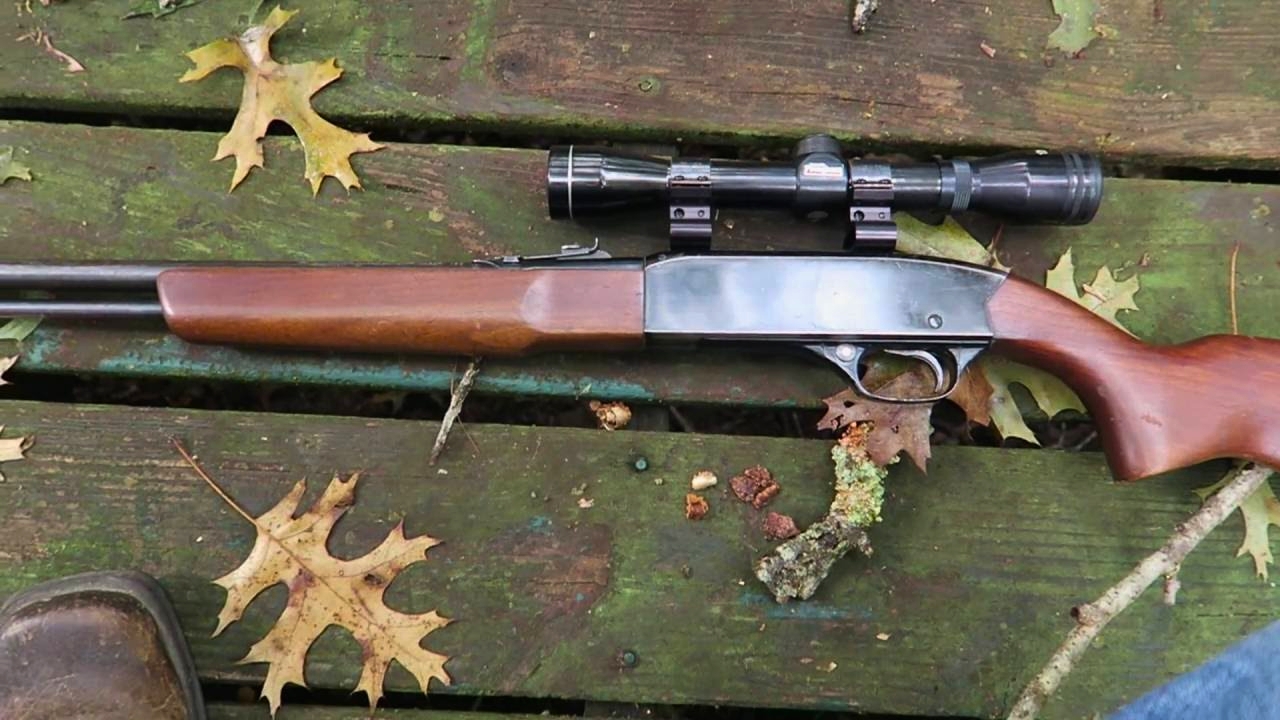
The Winchester 190 was about as ordinary as a rimfire could look, and that may be the best thing that ever happened to its long-term reputation. It was a simple semiauto .22 for people who wanted a rifle that worked. No drama, no performance theater, no need to explain why it was worth keeping around. It just sat there doing exactly what it was supposed to do.
That kind of rifle often earns the strongest quiet respect. It becomes the rifle somebody learned on, the rifle that stayed in the family, the rifle that never caused much trouble and never gave much reason to leave. When a gun manages that over decades, it earns something deeper than trend attention. It earns trust, and trust is the kind of respect that lasts.
Like The Avid Outdoorsman’s content? Subscribe to our newsletter so you never miss an article.
Here’s more from us: