Photo credit: SensiblePrepper/YouTube.
When preparing for survival scenarios, a common question is how many firearms are actually necessary. The answer depends on your situation and priorities. Instead of relying on a single gun for everything, preppers advocate for a diverse setup where each firearm has a specific purpose. From home defense to hunting and emergency backups, building a practical and balanced collection ensures you’re ready for a variety of challenges.
Start with a Handgun for Home Defense

Every prepper’s list should begin with a reliable handgun. It’s compact, easy to store, and quick to access when you need it most. Whether it’s a semi-automatic or a revolver, the focus should be on something you can operate comfortably under stress. Handguns are great for close quarters and are simple enough for consistent practice at the range. Reliability and ease of use are key—you want something that won’t fail when you’re counting on it.
The beauty of a handgun is how versatile it is. You can keep it in a secure bedside safe, carry it for personal protection, or even pack it in a bug-out bag. The trick is to choose one you feel confident with, whether that’s a 9mm for manageable recoil or something beefier if you’re more experienced. It’s all about finding the right balance of power and control for your needs.
a Shotgun is a Must-Have
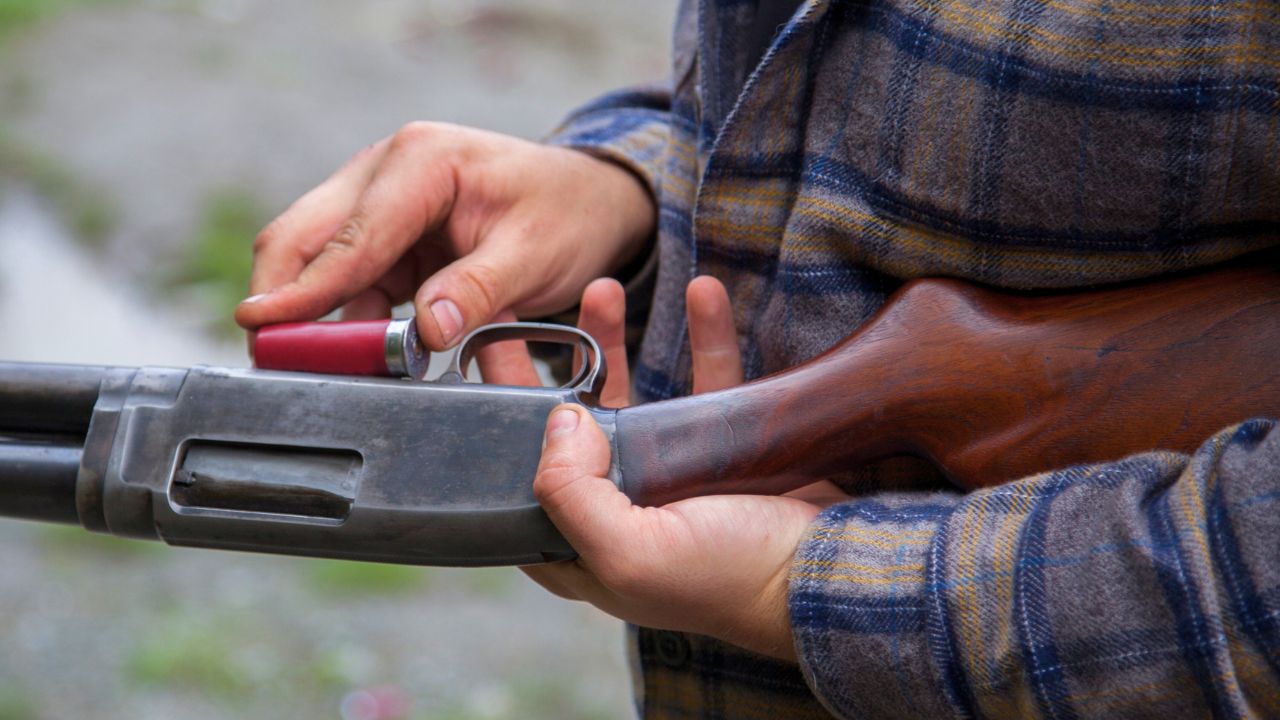
If there’s one tool that screams “preparedness,” it’s the shotgun. The stopping power at close range is unmatched, making it a top choice for home defense. A shorter-barrel shotgun is perfect for navigating tight spaces, like hallways or doorways, without losing effectiveness. Plus, it’s forgiving—you don’t need pinpoint accuracy when every shot spreads.
What makes shotguns even better is their versatility. You can load them with buckshot, slugs, or birdshot depending on the situation, making them adaptable to more than just intruders. Hunting, defense, or general survival—they’ve got you covered. They’re straightforward to operate, too, which is why so many preppers consider them essential.
Keep a Reliable Gun in Your Vehicle
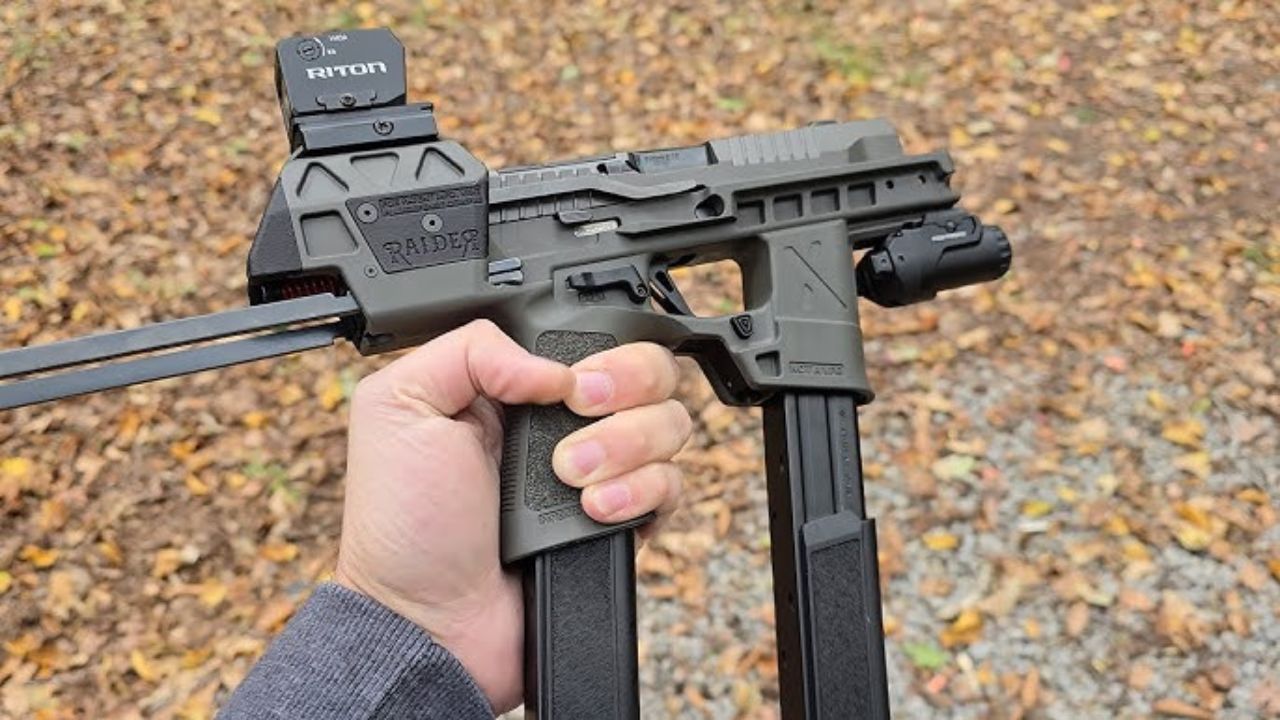
For preppers who spend time on the road, having a dependable firearm in your vehicle is a smart move. Whether it’s a compact rifle, a pistol-caliber carbine, or a trusted handgun, the goal is to have something that’s quick to deploy and easy to handle if the need arises. This is especially valuable when traveling through rural areas or places where help might not be readily available.
Now, let’s be real—leaving a firearm in your car 24/7 isn’t ideal due to theft concerns. The trick is to have a secure storage setup and to bring the gun inside when the car’s parked for extended periods. It’s all about being prepared without creating new vulnerabilities. Think of a vehicle gun as part of your extended toolkit—it’s not for every day, but when you need it, it’s a game-changer.
A Concealed Carry Gun

Carrying a concealed handgun isn’t just about personal safety—it’s about peace of mind. A smaller, more manageable firearm is the way to go for everyday carry. Compact pistols in calibers like 9mm or .380 ACP are popular choices because they strike a balance between ease of use and concealability. The key here is to choose something that fits your lifestyle and is comfortable enough to carry regularly.
Remember, this is likely the gun you’ll rely on the most outside your home. That means reliability and practice are non-negotiable. You’ve got to know how it feels in your hand, how it performs at the range, and how to handle it under pressure. A concealed carry firearm isn’t just a tool—it’s a responsibility. Get familiar with it, keep it secure, and make it a seamless part of your routine.
A Rifle for Rural and Outdoor Survival

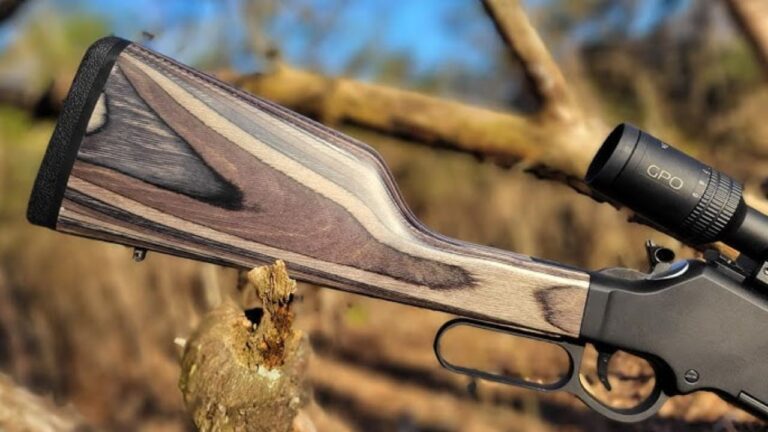
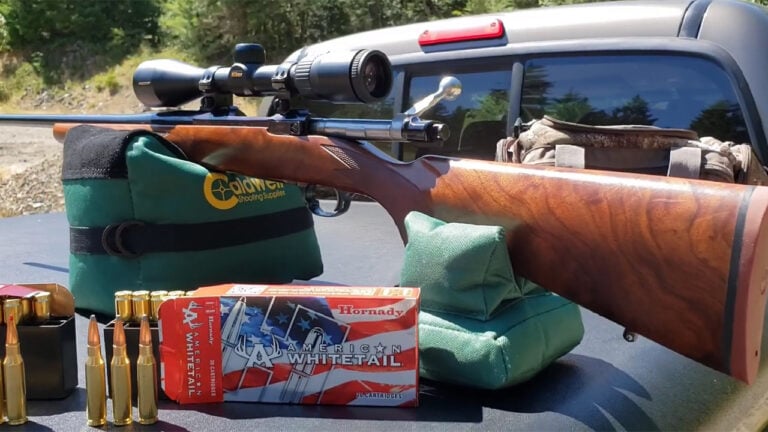
When you’re in rural areas or out in the wilderness, having a rifle in your arsenal is a must. Unlike handguns and shotguns, which excel at close-range scenarios, a rifle gives you the accuracy and power needed for mid- to long-range situations. Whether you’re defending a large property, hunting for food, or preparing for unforeseen threats, a reliable rifle is up to the task.
Bolt-action rifles and semi-automatics are popular choices, depending on your needs. A .223 or .308 can handle most scenarios without being overkill. Rifles aren’t just about distance—they’re about versatility. They let you adapt to open environments and situations where precision really matters, making them an invaluable tool in any prepper’s setup.
Backup Guns for Emergency Storage
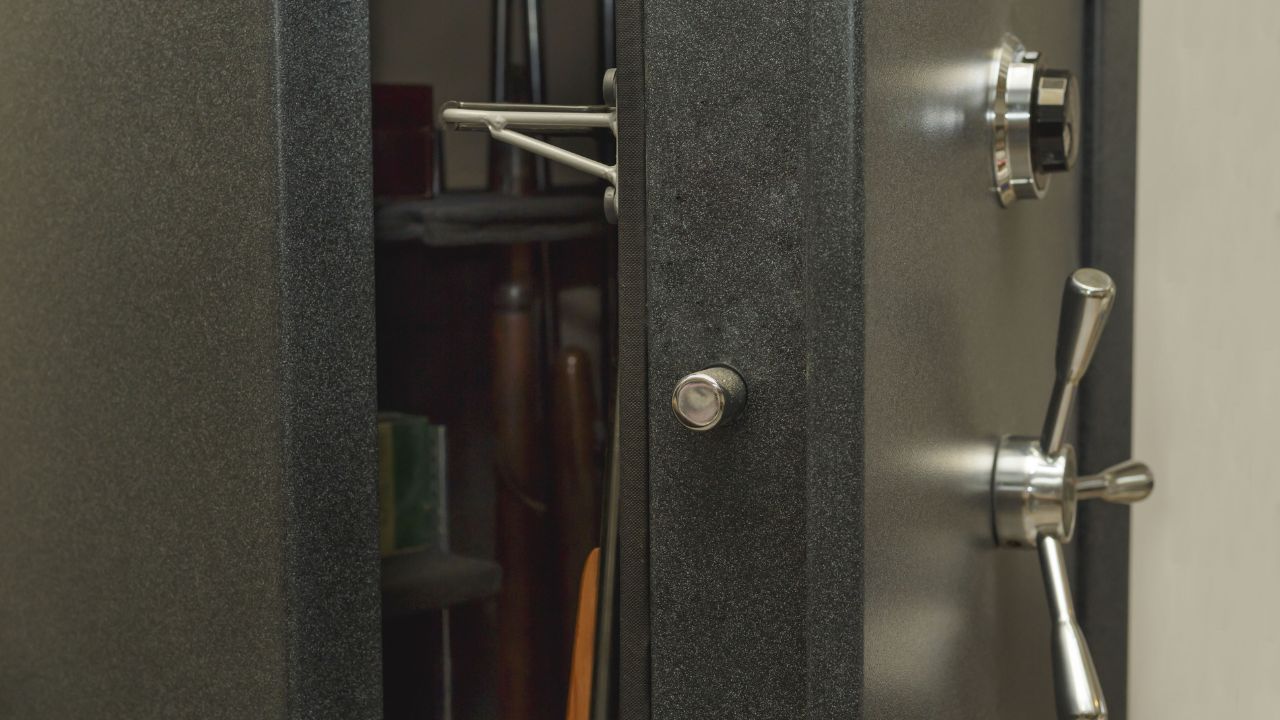
Prepping isn’t just about what’s in your hand—it’s also about having backups when things go sideways. That’s where secondary storage guns come in. These are the firearms you stash securely for emergencies, ensuring you’ve got options if your primary weapons become unavailable. Think of it like an insurance policy for your arsenal.
Typically, a well-rounded storage setup includes a handgun, shotgun, and rifle. Keep them locked away in a fireproof safe or stored off-site if possible. This strategy ensures you’re covered in case of theft, loss, or an extended survival situation. It’s all about redundancy—having the right tools ready when you need them most.
a .22 Caliber Firearm

A .22 caliber firearm is one of the most underrated tools in a prepper’s arsenal. Sure, it’s not your go-to for defense, but its versatility and practicality make it indispensable. With low recoil and lightweight design, a .22 is easy to handle, even for beginners. Plus, the ammo is dirt cheap, so you can stockpile it without breaking the bank or burning through your wallet at the range.
The real value of a .22 shines in survival scenarios. It’s quiet, efficient, and perfect for small-game hunting—rabbits, squirrels, you name it. You’re not going to waste resources, and you’ll still be able to secure food. Whether it’s a rifle like the Ruger 10/22 or a reliable handgun, a .22 is one of those “just in case” tools you’ll be glad you have.
a Bug-Out Firearm

When it’s time to grab your bug-out bag and go, you need a firearm that’s as mobile as you are. Bug-out firearms are all about portability and practicality. You’re looking for something lightweight, compact, and easy to carry over long distances. Breakdown rifles like the Henry AR-7 or compact handguns fit the bill perfectly—they’re small enough to stash but reliable enough to defend yourself if needed.
In a bug-out scenario, every ounce counts. A heavy, cumbersome firearm can slow you down or take up valuable space in your pack. A good bug-out gun strikes the right balance between size and capability, ensuring you can stay protected without sacrificing mobility. It’s about being prepared to move fast while staying safe.
Why Caliber Consistency Simplifies Survival

Caliber consistency might not sound like a big deal at first, but it can be a game-changer for long-term prepping. Sticking with a standard caliber—like 9mm for handguns or .223 for rifles—makes storing, organizing, and resupplying ammo so much easier. Instead of juggling a variety of calibers, you can focus on stockpiling what you really need, saving both money and space.
This approach also shines during emergencies. Say you’re in a high-stress situation—you don’t want to waste time figuring out which ammo goes with which gun. By standardizing calibers across your arsenal, you streamline the process and ensure compatibility no matter what. It’s a practical, no-nonsense strategy that just makes life simpler when things get chaotic.
Training Matters More Than Stockpiling

Having a pile of guns sounds impressive, but without proper training, it’s just a pile of potential problems. Preppers who’ve been at it for a while will tell you: quality over quantity every time. The goal isn’t to own as many firearms as possible—it’s to master the ones you have. Knowing how to clean, maintain, and shoot each gun in your arsenal with confidence is far more valuable than owning one you’ve barely touched.
Invest in range time and drills. Practice scenarios you might face in a survival situation. It’s not about flashy gear—it’s about being effective when it counts. A smaller, well-trained arsenal will always outshine a massive collection gathering dust.
Create an Arsenal That Works for You

Most seasoned preppers agree that having eight to twelve carefully selected firearms is enough to cover your needs. This range includes tools for home defense, hunting, and backup options for emergencies. Each gun should serve a specific purpose, ensuring you’re ready for everything from protecting your family to securing food in the wild.
The key is to be thoughtful about what you own. Choose firearms that are reliable, versatile, and suited to your situation. Avoid the trap of overloading on guns you won’t use or can’t maintain. A balanced, practical arsenal ensures you’re prepared without overcomplicating your setup, leaving you ready for whatever comes your way.
Like The Avid Outdoorsman’s content? Be sure to follow us.
Here’s more from us: