Photo credit: cliftongully/Youtube
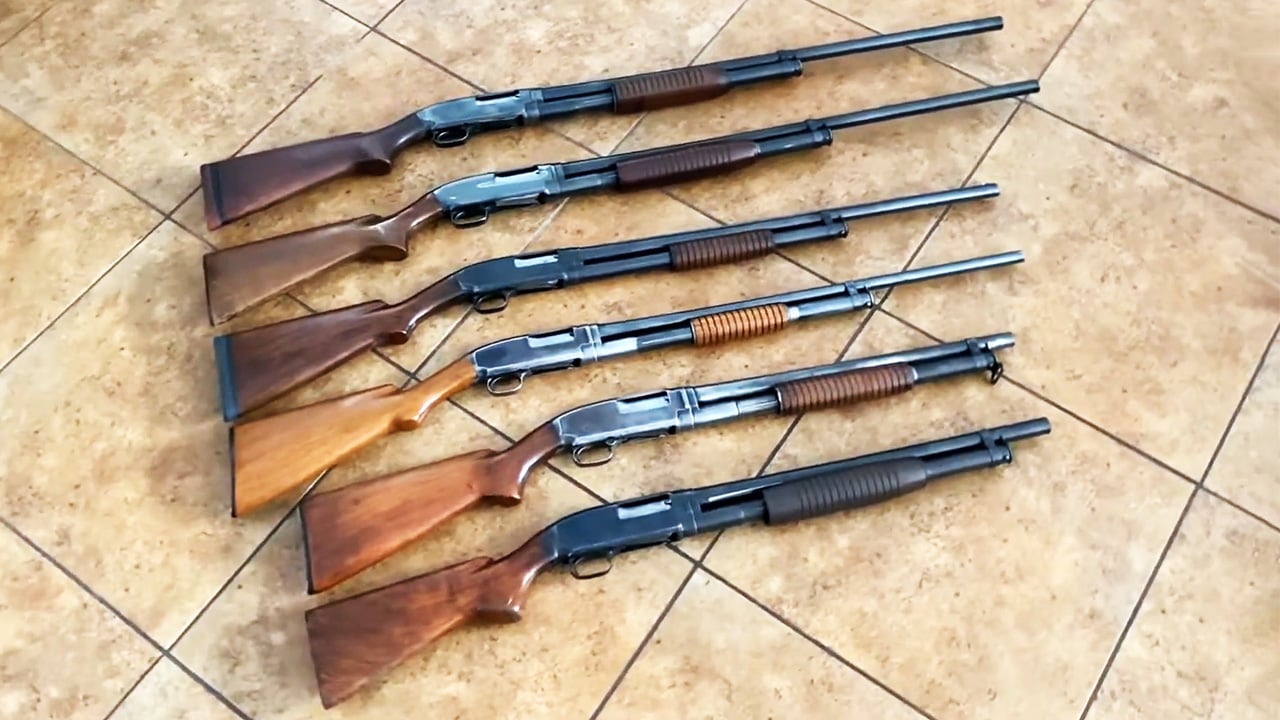
The Winchester Model 12 is one of those shotguns that older hunters and shotgun people tend to talk about with real affection. A lot of folks know it by reputation as a slick old pump gun, but the full story is bigger than that. American Rifleman called it the repeating shotgun by which others were judged for much of its run, and that says a lot about how much weight the gun carried in its day. It was known for smooth operation, strong build quality, and a level of fit and finish that eventually became too expensive to keep making in the same way.
What makes the Model 12 especially interesting is that it was not just a successful sporting shotgun. It was Winchester’s first concealed-hammer pump gun, it served in multiple wars, and it stayed in production from 1912 until 1964 before later special runs extended its life even further. Nearly 2 million were produced, which helps explain why it still shows up in collections, bird fields, and old family gun cabinets all these years later.
1. It started as the Model 1912, not the Model 12
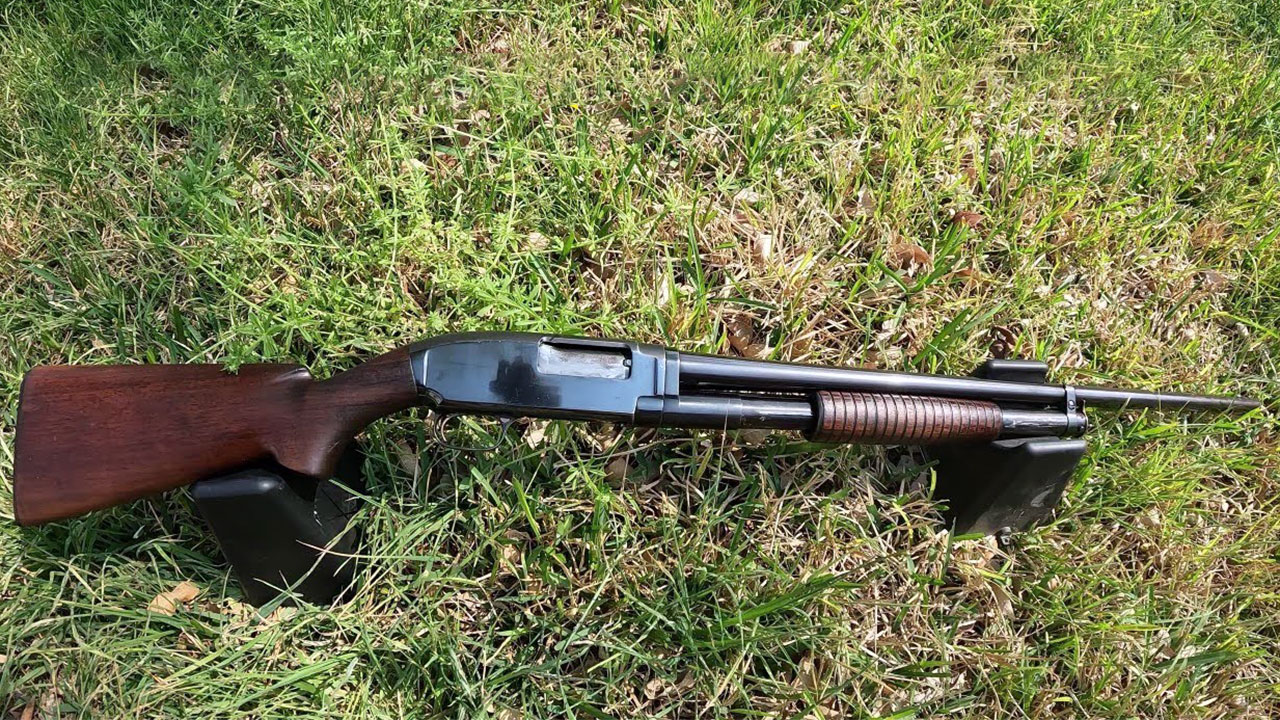
A lot of shooters call it the Model 12 so casually that they never realize that was not the original name. American Rifleman says Winchester brought it out in 1913 as the Model 1912, and the name was shortened to Model 12 in 1919. The broader Winchester model history also notes that older guns in production had their year-based names truncated around that period, including the Model 1912 becoming the Model 12.
That sounds small, but it helps place the gun in its proper era. This was an early-20th-century design that lasted so long it literally outgrew its original naming system. That is a pretty good clue that Winchester had something special on its hands.
2. It was Winchester’s first concealed-hammer pump shotgun
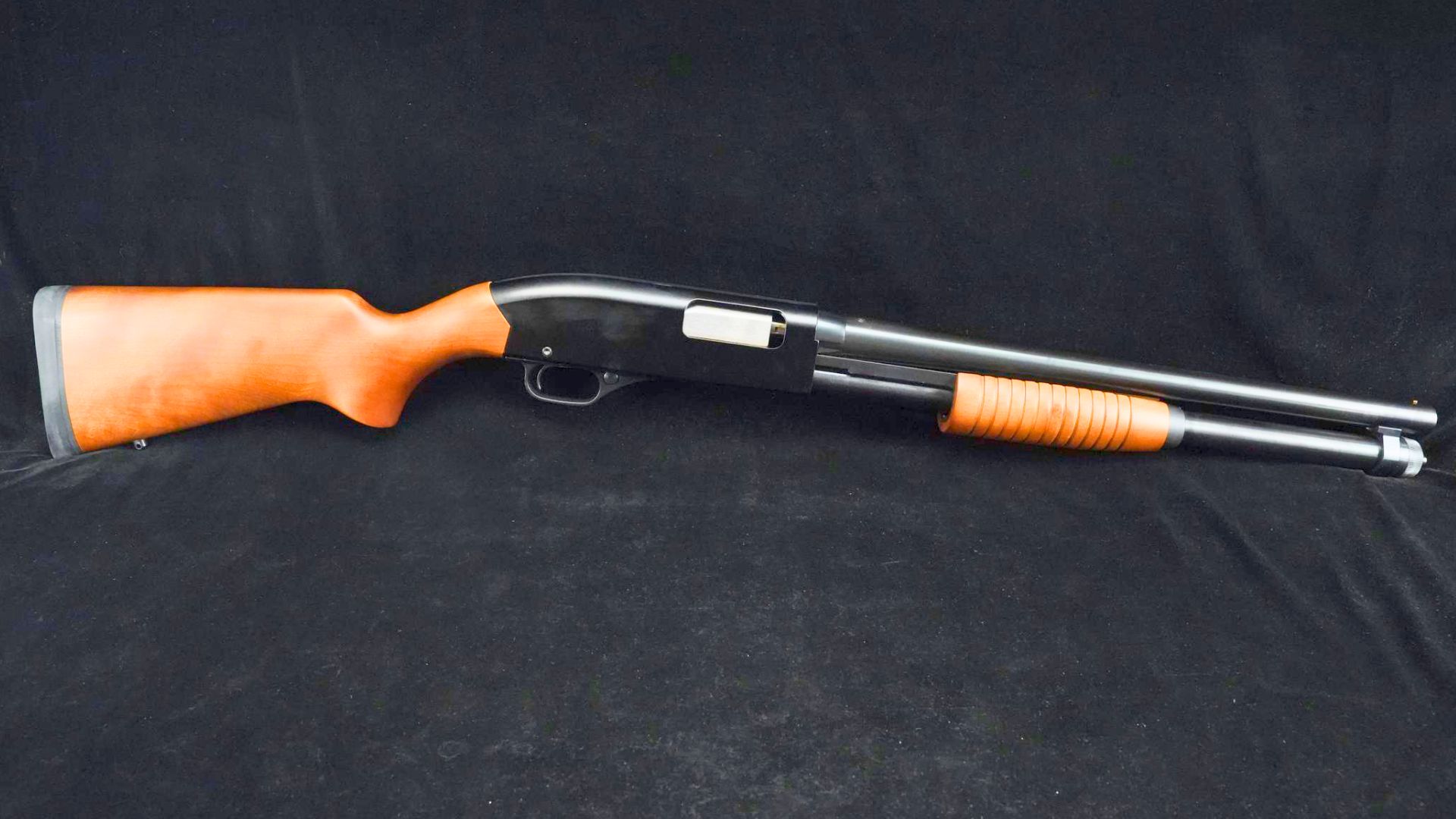
One of the biggest things that separated the Model 12 from older Winchester pumps was the internal hammer. American Rifleman says it was Winchester’s first concealed-hammer, pump-action shotgun, which gave it cleaner lines and a more modern feel than earlier exposed-hammer designs like the Model 1897.
That matters because the Model 12 did not just become popular by looking nice. The internal-hammer setup helped make it feel like the next step in pump-gun development. It looked sleeker, handled cleanly, and helped Winchester move its pump guns into a more modern direction.
3. It was first offered in 20 gauge only

A lot of shooters assume the Model 12 must have started in 12 gauge, but that is not how it happened. American Rifleman’s exploded-view feature says the gun was initially offered in 20 gauge only, making it both Winchester’s first shotgun in that gauge and the first hammerless slide-action repeating shotgun to wear the Winchester name. Two years later, 12- and 16-gauge versions followed.
That is a fun little surprise because the Model 12 is so closely tied to 12-gauge hunting and military history now. The fact that it began life in 20 gauge shows Winchester was not just chasing brute force or service use at the start. It was building a refined sporting repeater first.
4. It was designed by T.C. Johnson, with Browning influence in the background
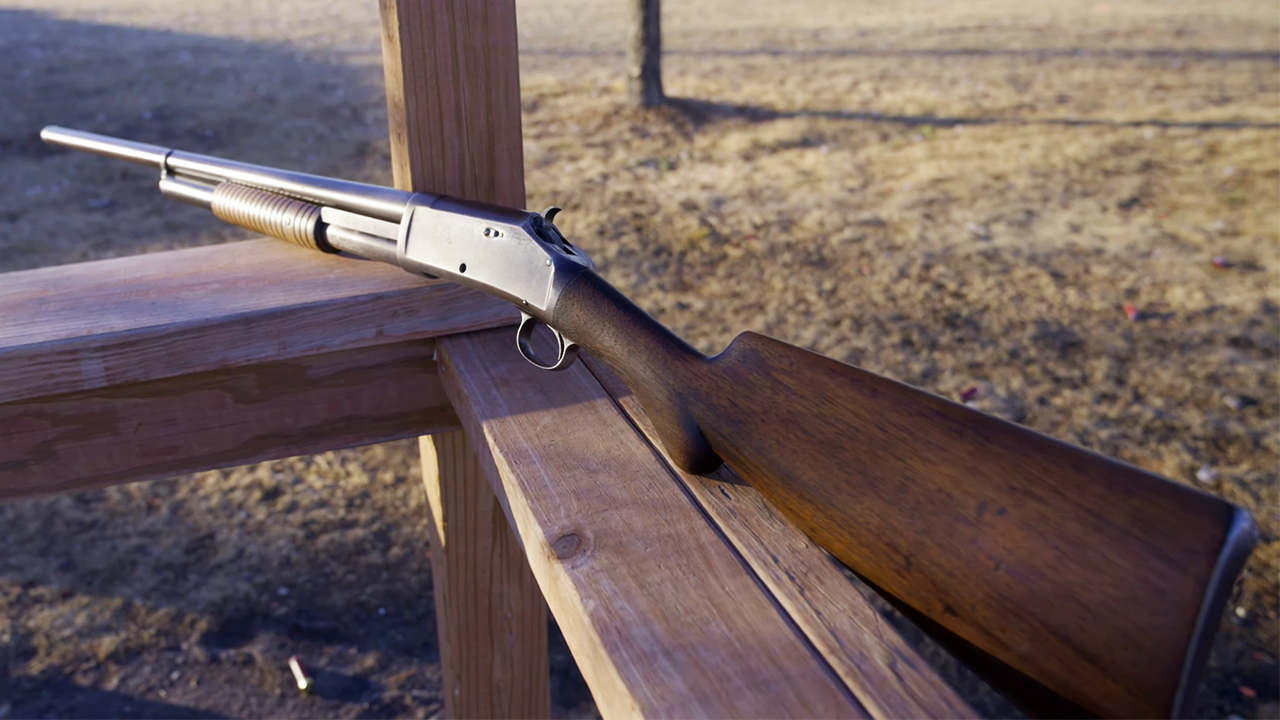
The Model 12 was designed by Winchester engineer Thomas Crossley Johnson. American Rifleman’s Riot Gun feature specifically credits Johnson, while the standard history notes the gun was based in part on earlier Winchester pump concepts associated with John Browning’s Model 1893 and 1897 lineage.
That helps explain why the Model 12 felt familiar in some ways but still clearly more modern than what came before. It was not a clean break from all earlier Winchester thinking, but it absolutely refined and advanced the pump shotgun formula.
5. Winchester marketed it as “The Perfect Repeater”

This is one of the most famous old advertising nicknames in shotgun history, and it was not subtle. American Rifleman says Winchester’s ads christened the gun “The Perfect Repeater,” which tells you how highly the company thought of it.
Normally, old ad slogans age badly. This one stuck because the Model 12 actually earned the reputation. Decades later, American Rifleman was still describing it as the repeating shotgun others were judged against. Not many old ad lines survive that kind of reality check.
6. It sold more than 100,000 guns in its first two years
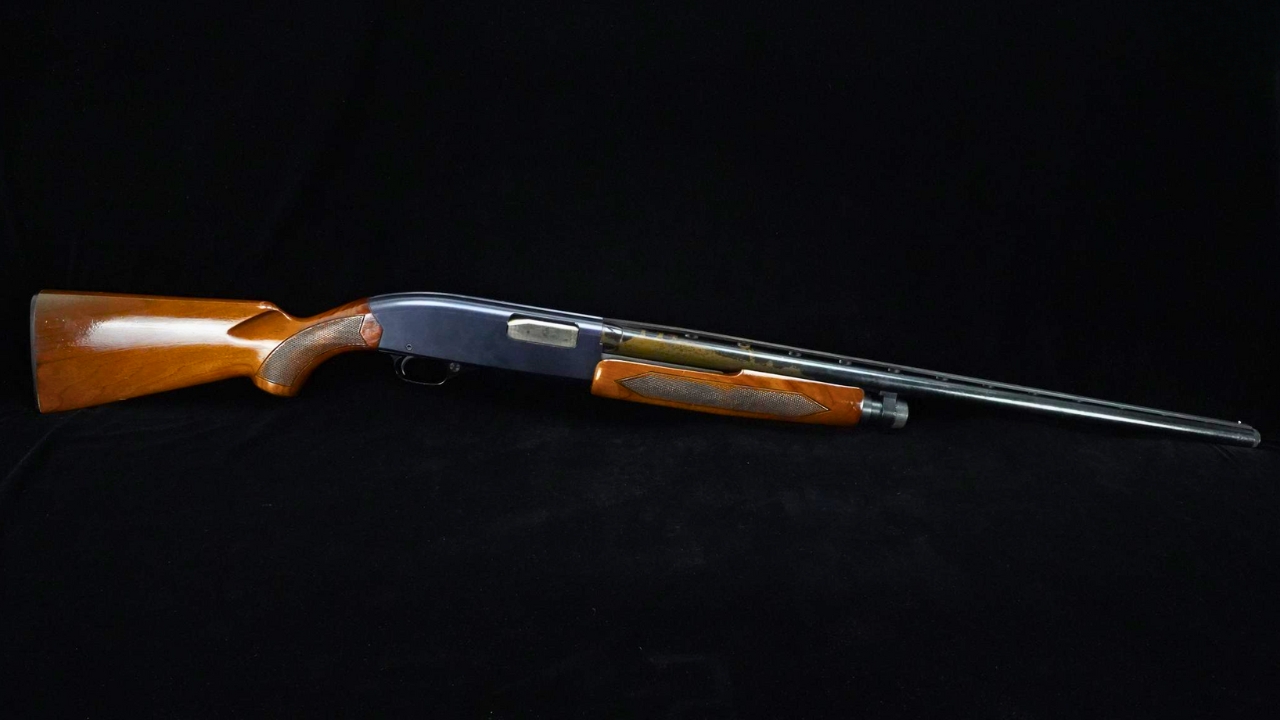
The Model 12 was not a slow-burn success story. American Rifleman says it sold more than 100,000 guns within its first two years. That is a huge number for that era and says a lot about how quickly shooters took to the gun.
That early success matters because it was not just collectors or target shooters who liked it later on. The shotgun connected with buyers right away, which helped set up the enormous production run that followed.
7. Nearly 2 million were produced

The Model 12 had serious staying power. Standard reference history says that from August 1912 until Winchester first discontinued it in May 1964, nearly 2 million Model 12 shotguns were produced in different grades and barrel lengths.
That kind of production total is one of the clearest signs that this was not just a beloved niche shotgun. It was a major American long gun that found its way into bird fields, trap ranges, police roles, and military service for generations.
8. A .410 Model 12 was never made
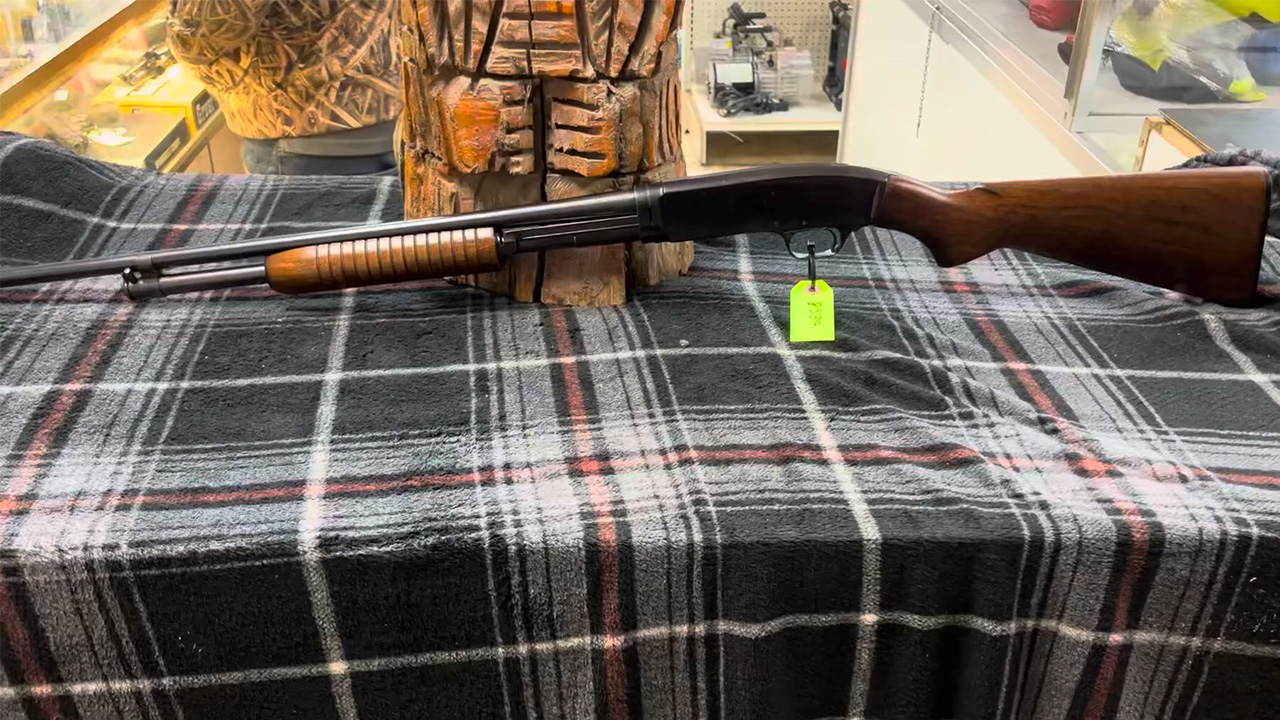
This one trips up a lot of people because the Model 12 came in several gauges. According to the standard history, the Model 12 was made in 12, 16, 20, and 28 gauge, but never in .410. Instead, Winchester made the separate Model 42, which was scaled from Model 12 drawings specifically for .410 bore.
That is a neat detail because the Model 42 often gets mentioned alongside the Model 12 for exactly that reason. If somebody thinks they are looking at a .410 Model 12, they are really stepping into Model 42 territory instead.
9. It had a takedown design

American Rifleman’s Riot Gun article notes that the Model 12 featured an available takedown setup. That made the shotgun easier to transport and service, and it was one of the practical touches that helped its reputation.
That kind of feature sounds ordinary now, but it was part of why the Model 12 felt so complete as a working shotgun. It was smooth, reliable, and thoughtfully laid out for real use, not just for looking good in a catalog.
10. It saw service in World War I, World War II, Korea, and early Vietnam
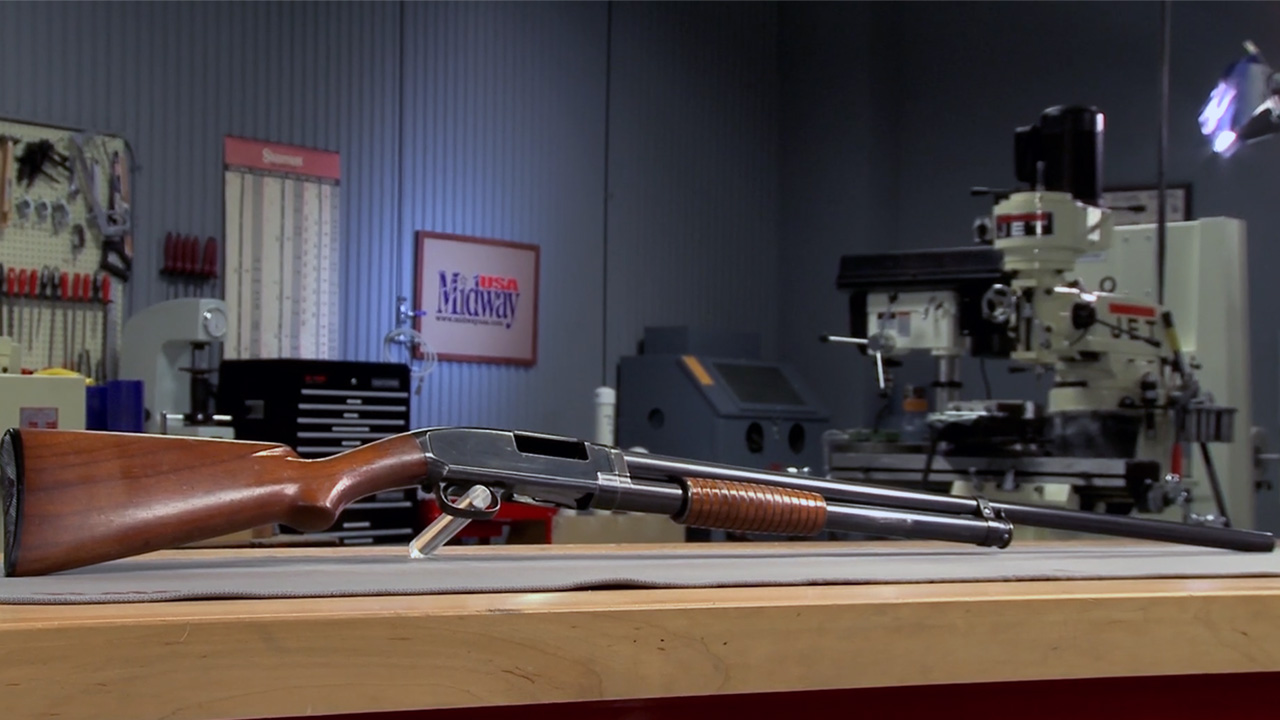
A lot of people think of the Model 12 as a bird gun first, which is fair, but the military history is substantial. The standard history says U.S. forces used versions of the Model 12 in World War I, World War II, Korea, and in the early part of the Vietnam War until inventories were exhausted after main production ended in 1964.
That broad service record says a lot about the platform’s trustworthiness. Civilian popularity is one thing. Surviving multiple wars and still being useful across decades is something else entirely.
11. Model 12 trench guns were a major part of its legacy
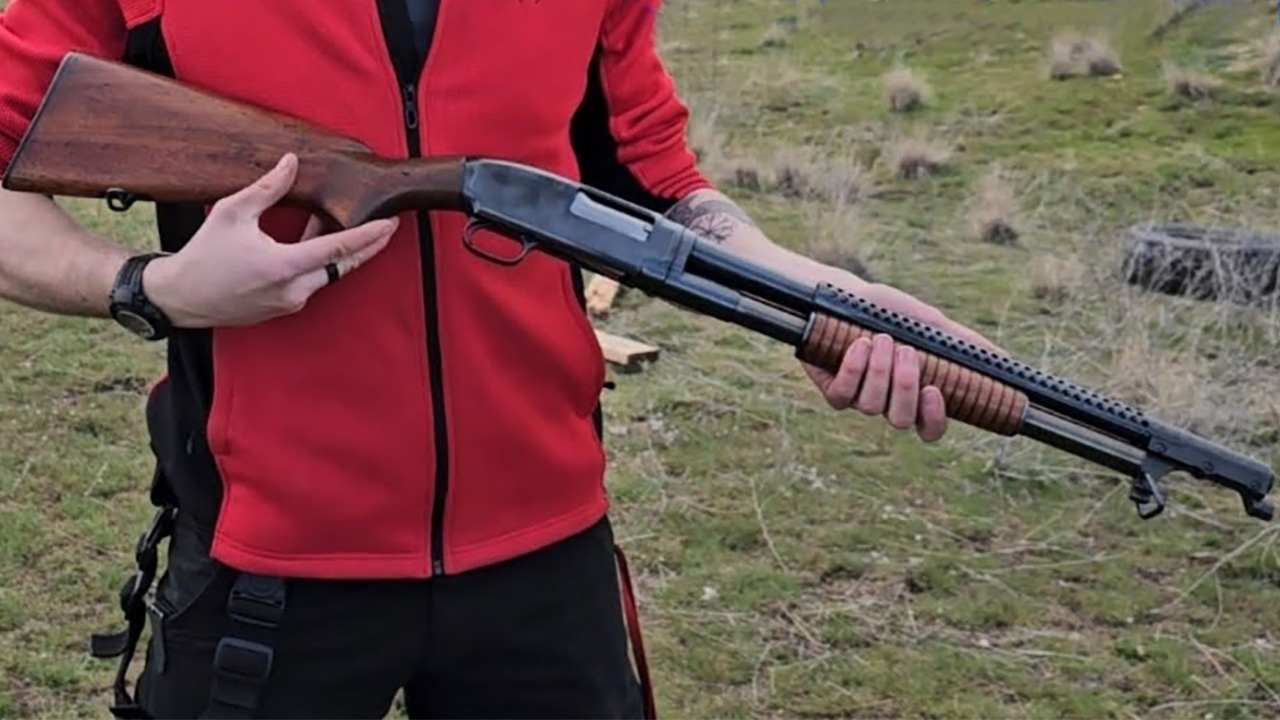
The trench-gun versions of the Model 12 are a huge part of why collectors still chase them. The standard history says about 20,000 trench guns were purchased by the U.S. Army during World War I, while American Rifleman’s trench-gun piece says roughly 80,000 more were manufactured between 1941 and 1944 for World War II-era use.
That is a serious military footprint for a pump shotgun. These were not one-off experimental pieces. They were real service guns, and that helped cement the Model 12 as more than just a hunting classic.
12. Riot-gun versions were used for base and guard work
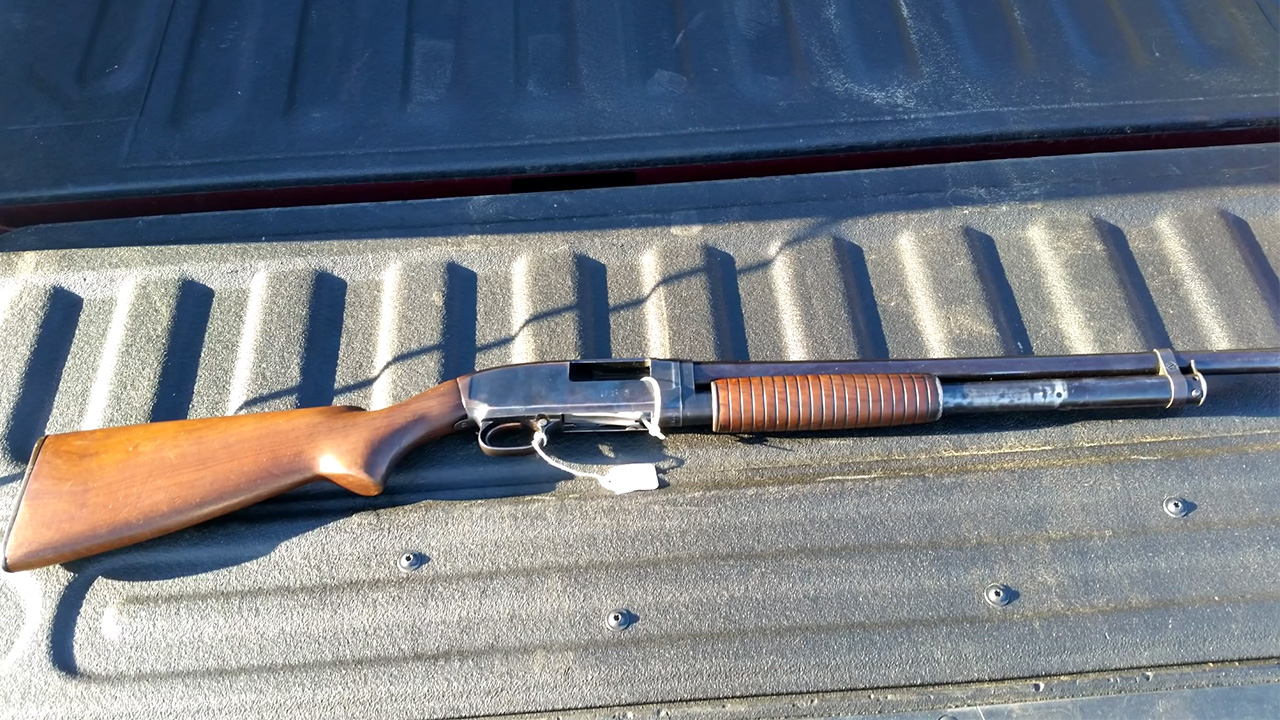
Not every military or police Model 12 wore a heat shield and bayonet lug. The standard history notes that riot-gun versions without those trench-gun features were bought for duties like defending bases and guarding aircraft against saboteurs. American Rifleman’s Riot Gun feature also highlights that branch of the family.
That is worth knowing because it shows just how flexible the platform was. The Model 12 could move from bird hunting to combat trench gun to riot gun without feeling out of place. Few shotguns manage to wear that many hats convincingly.
13. The 28-gauge version did not arrive until 1934
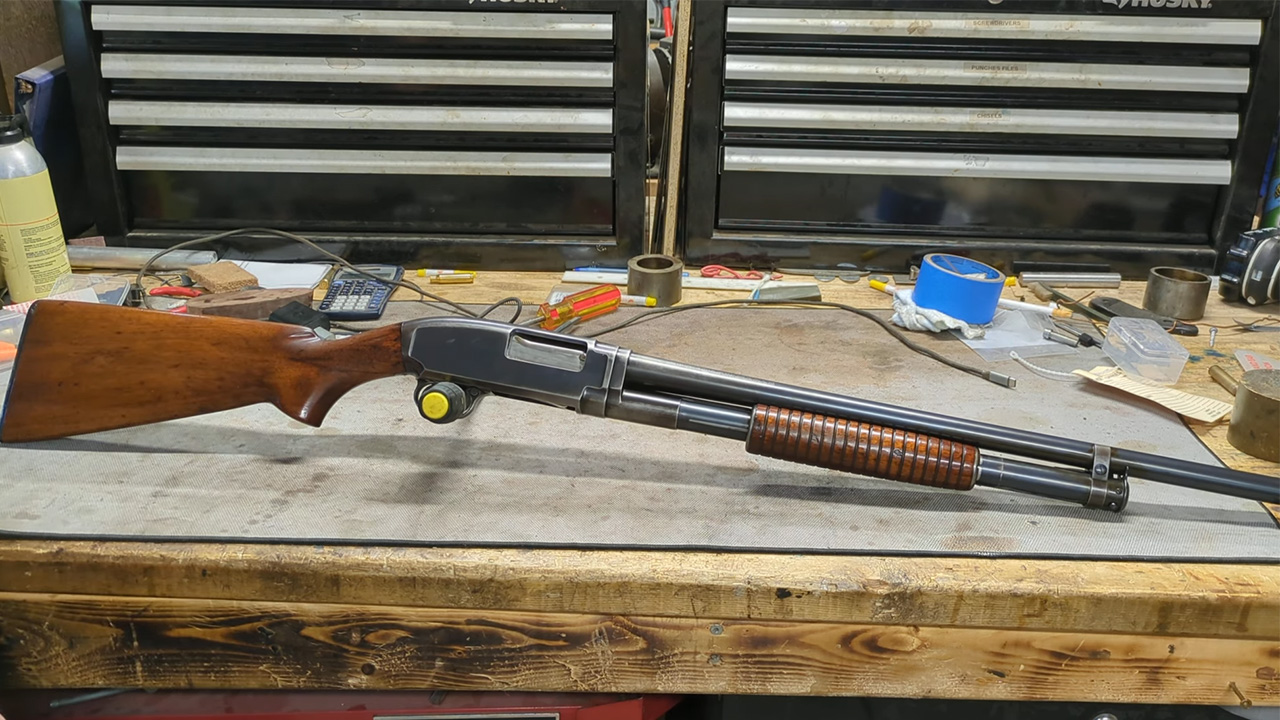
The Model 12’s gauge lineup grew over time. According to the standard history, the 28-gauge version was not introduced until 1934, long after the original 20-gauge launch and the later 12- and 16-gauge additions.
That delayed addition shows how long Winchester kept finding ways to stretch the platform into new sporting roles. The Model 12 was not locked into one narrow market lane. It kept expanding as demand did.
14. It was discontinued in 1964 mostly because it cost too much to make
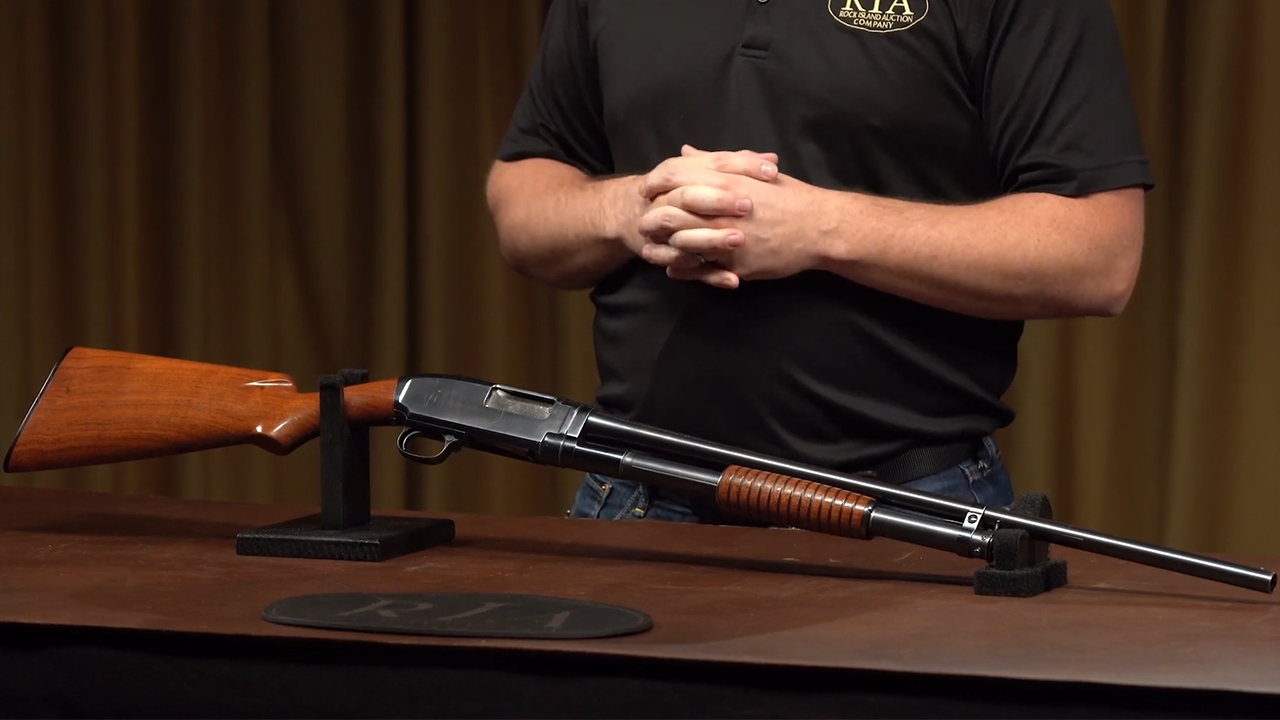
One of the most important facts about the Model 12 is why it finally lost ground. American Rifleman says its forged and machined steel construction made it expensive, and when the Remington 870 arrived in 1950, the Model 12 started to feel older and costlier by comparison. The standard history says its ultimate undoing was that it had become too expensive to produce competitively.
That is a pretty telling end to the story. The Model 12 did not fade because it stopped being respected. It faded because it came from a more labor-intensive era of gunmaking, and the market changed around it.
15. It outlived its main production run through later special runs
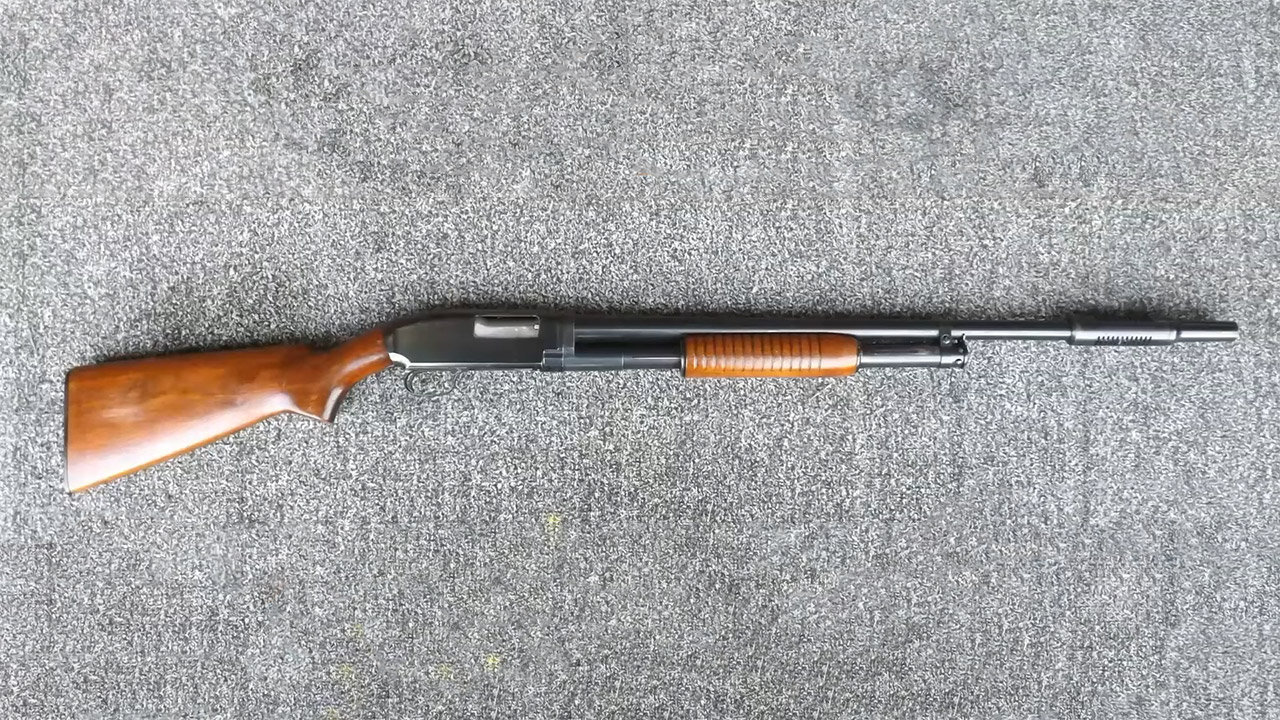
Even after Winchester stopped regular production in 1964, the Model 12 did not disappear completely. The standard history says special production runs continued until 2006.
That is probably the clearest sign of how much affection the gun held onto. Most old pump guns do not get brought back in special runs decades after their main production life ends. The Model 12 did, because enough shooters still cared.
Like The Avid Outdoorsman’s content? Subscribe to our newsletter so you never miss an article.
Here’s more from us: