Photo credit: Reloading Weatherby/YouTube
Speed sells. A flat trajectory and big velocity numbers look great on a box flap, and they can absolutely help in the field when you do your part. The problem is that “faster” has a price. Push a cartridge hard enough and you start trading away barrel life, forgiving load behavior, and sometimes terminal performance you can count on.
When a caliber is too fast for its own good, it’s usually because it’s overbore, running big powder charges through a small hole. That heat and pressure can cook throats, foul quickly, and turn an afternoon at the range into a constant check on groups and zero. On game, extra speed can also wreck edible meat or make thin-jacket bullets come apart when you needed penetration. These are the cartridges where speed can become the headache.
.220 Swift
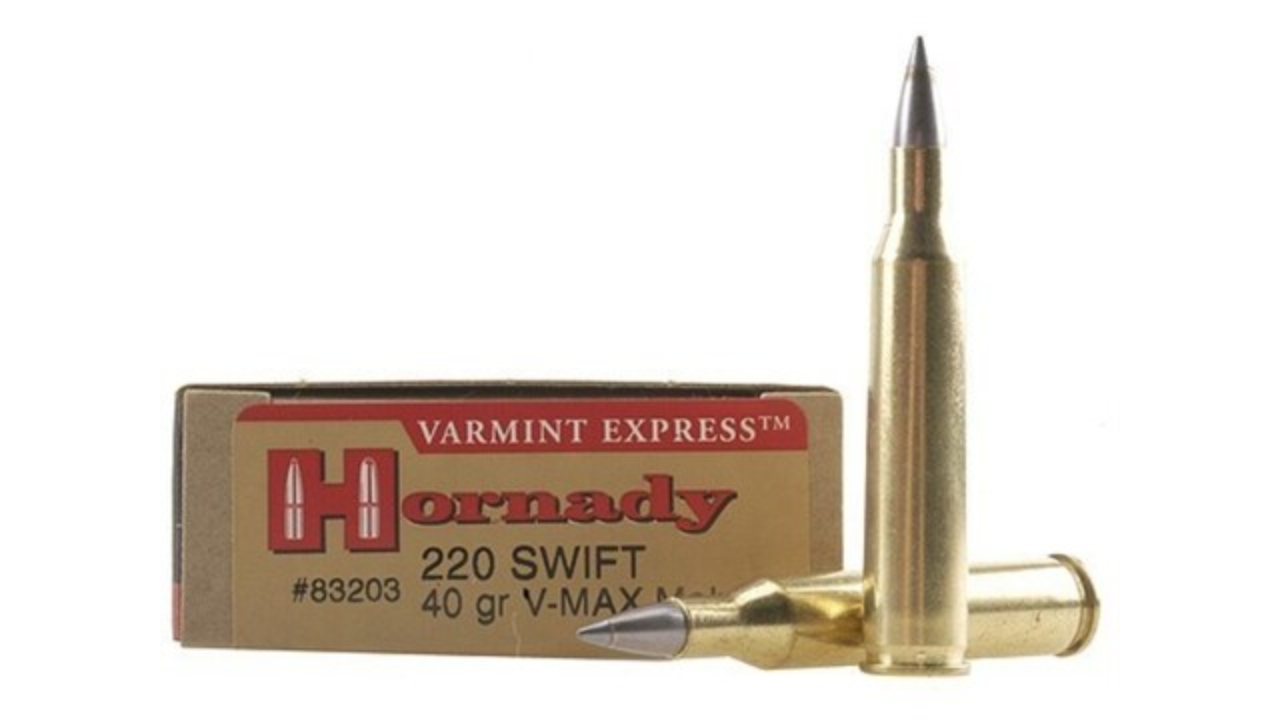
The .220 Swift earned its reputation honestly—it’s fast, flat, and lethal on varmints. It’s also a classic example of speed having consequences. High velocities and big powder charges can run hot, and that heat shows up as throat wear if you shoot long strings or treat it like a casual plinker.
You also learn quickly that bullet choice matters. Lightweight, thin-jacket bullets that are fine in milder .22 centerfires can come apart at Swift speeds, either on impact or sometimes even before they get there if you’re really pushing things. When you keep it fed the right bullets and you manage heat, it’s excellent. Ignore those limits and it turns into a barrel-eating lesson.
.22-250 Remington

The .22-250 is one of the best calling and varmint rounds ever made, but it sits right on that line where speed starts to create quirks. It’s easy to get impressive velocity, and it’s also easy to heat a barrel quickly when you’re shooting prairie dogs, banging steel, or running repeated groups.
Once the barrel gets hot, accuracy can fall off fast, and you can chase your tail thinking it’s optics or ammo. Bullet construction matters here too. Many light varmint bullets are built to explode, and at .22-250 speeds they can be overly violent on impact, especially up close. When you treat it like a precision tool and manage heat, it shines. Treat it like a slow cartridge and it bites back.
.204 Ruger
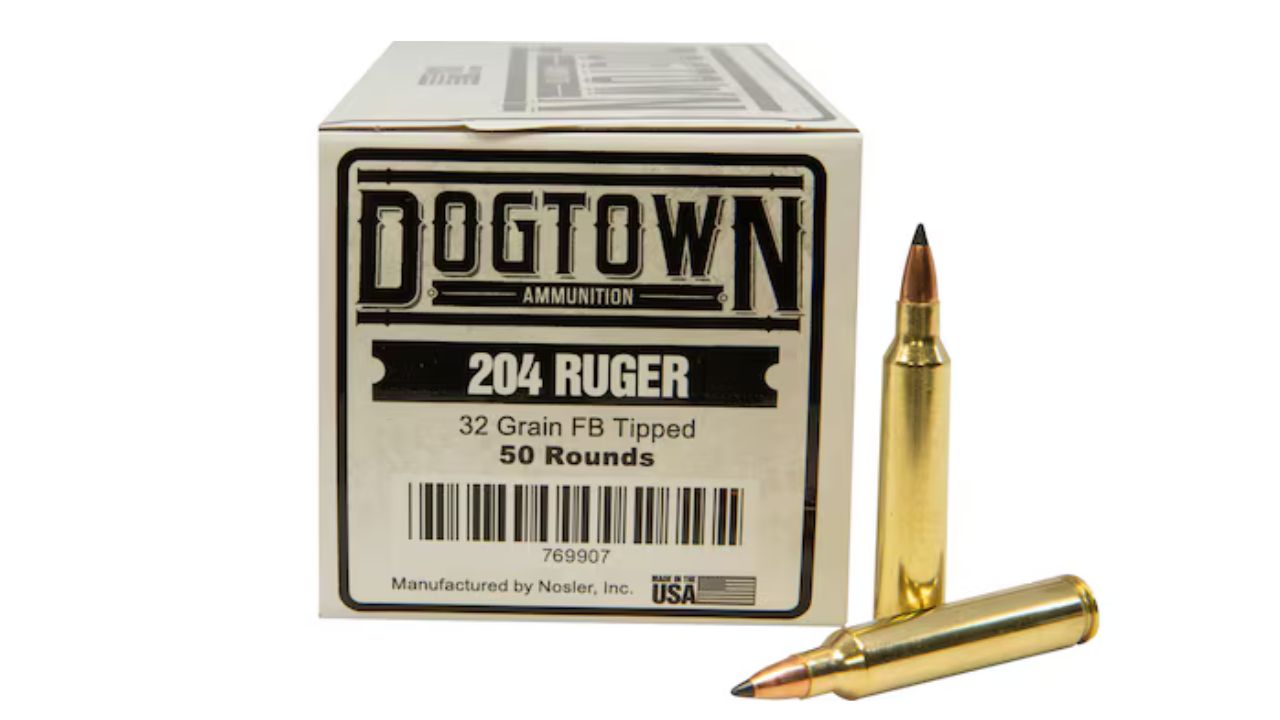
The .204 Ruger looks like free speed: flat shooting, mild recoil, and laser-like hits on small targets. The catch is that you’re living in a world of tiny bullets pushed hard, and tiny bullets can be sensitive. Wind drift can still humble you, and high speed can make bullet construction more important than many people expect.
You can also see fouling show up quicker than you’d like, especially if you’re doing volume shooting and not staying on top of cleaning. Some rifles love it and stack bullets. Others turn picky about certain loads and seating depth. None of that makes the .204 bad—it’s a great round. It’s a reminder that high velocity in a small bore sometimes comes with more maintenance and more trial-and-error than the marketing suggests.
.17 Remington

The .17 Remington is fast and surgical, and it can be downright impressive on varmints when the conditions are right. It’s also a cartridge that exposes every weak link—barrel fouling, bullet construction, and wind reading. At .17 caliber, even a light breeze can move you around, and speed does not fix that.
High velocity with tiny bullets can also mean fragile performance. Some projectiles can come apart explosively on impact, which is great on small targets, but it can be unpredictable if you’re expecting deeper penetration on tougher critters. It also tends to push you toward careful cleaning and careful load choices. If you like precision and you don’t mind extra attention, it’s rewarding. If you want carefree shooting, the .17 Remington can feel like work.
.243 WSSM

On paper, the .243 WSSM looks like a smart way to get magnum-like speed in a short action. In practice, it’s another example of high performance creating friction. The cartridge can run hot, and the short, fat case design has a history of being picky in some rifles and magazines.
Heat and pressure also mean you pay attention to barrel life and consistency. When everything is working, it shoots flat and hits deer-sized game well with proper bullets. When it isn’t, you can see feeding quirks, sensitivity to certain loads, and accuracy that doesn’t always stay steady across long shooting sessions. It’s not that the .243 WSSM can’t work—it can. It’s that the “fast in a compact package” idea sometimes asks more from the rifle than the owner expected.
.25 WSSM

The .25 WSSM follows the same pattern as its .243 sibling: big speed, compact format, and a tendency to be less forgiving than older, slower standards. It can be a hard-hitting deer round with a flat trajectory, but the combination of high intensity and short-action packaging can make the system feel finicky.
Barrel heat, throat wear, and load sensitivity are part of the story. Another part is practical support—magazines, parts, and long-term availability can matter when you’re investing in a rifle you plan to keep. If you already have a good .25 WSSM rifle that feeds and shoots well, it can be a great hunting tool. If you’re shopping for a low-drama caliber with broad support, the speed advantage rarely outweighs the extra variables.
.257 Weatherby Magnum
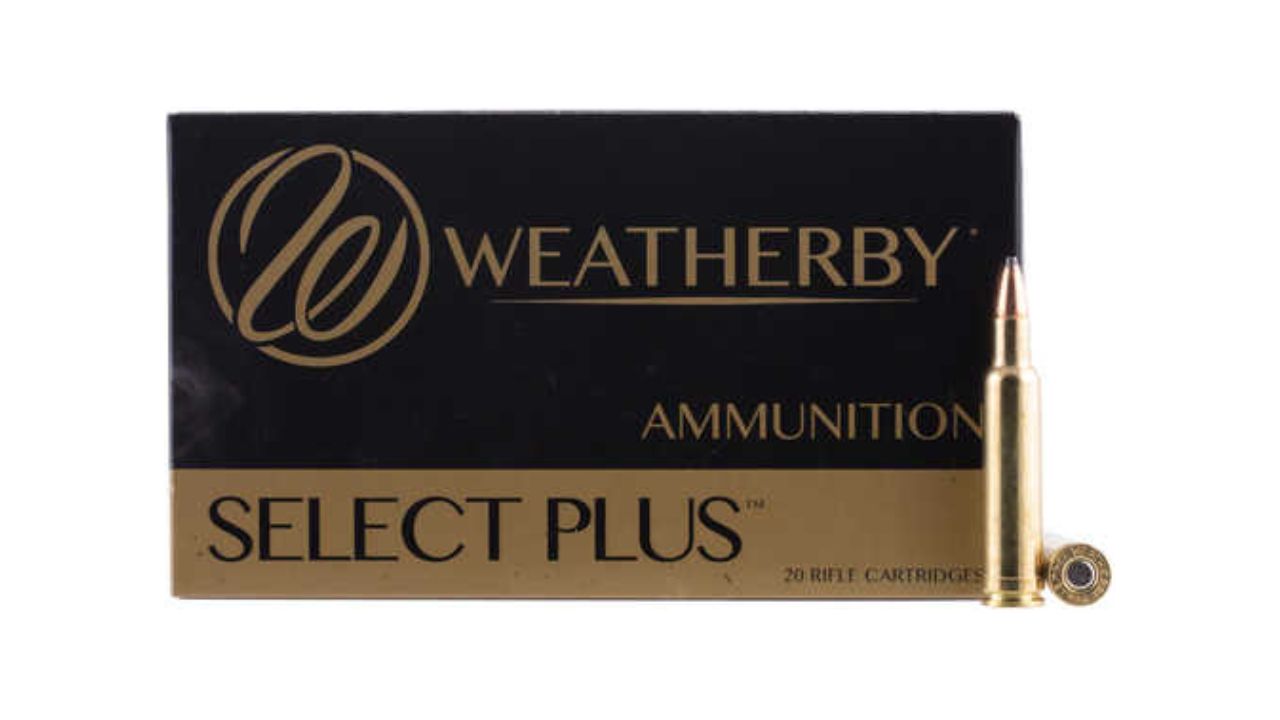
The .257 Weatherby Magnum is famous for screaming velocity and long-range punch on deer-sized game. It also has a reputation for being hard on barrels when it’s shot a lot. That’s the cost of pushing .25-caliber bullets at magnum speeds with big powder charges behind them.
Another real-world issue is terminal behavior. At close range, high impact velocity can be brutal on meat and can stress bullets that aren’t built tough. You often end up buying premium projectiles to get the penetration and controlled expansion you want, which adds cost on top of already premium ammo. When you pick the right bullet and you keep ranges sensible, it’s a hammer. When you treat speed as the only goal, it can turn a clean kill into a mess and a barrel into a consumable.
.264 Winchester Magnum

The .264 Win Mag was doing “flat and fast” long before it became fashionable again. It shoots great when tuned, but it’s also known for being overbore and hard on throats. Run it hot, shoot long strings, and you can shorten barrel life in a hurry compared to more moderate 6.5mm rounds.
It also tends to push you toward careful bullet selection, especially if you’re hunting. High speed can make some bullets open too quickly at close distance, and you’ll see more meat damage than you wanted if you don’t plan for that. The cartridge can be excellent for open-country hunting when you build around it. It’s less friendly as an all-purpose range and deer rifle if you want high volume practice with minimal wear and minimal fuss.
6.5-300 Weatherby Magnum

The 6.5-300 Weatherby Magnum is pure velocity. It flattens trajectories and prints impressive numbers, but it’s also a textbook case of “too much of a good thing.” The cartridge burns a lot of powder through a relatively small bore, and that can mean short barrel life if you shoot it frequently.
It also pushes you into premium bullets and careful load choices if you want dependable performance on game. At very high impact velocities, some bullets can behave violently, and you’ll want a design that holds together. This isn’t a beginner-friendly cartridge, and it’s not built for casual range days. It’s a specialized tool for specific hunting needs, and it rewards disciplined shooting and disciplined maintenance. If you expect it to act like a mild 6.5, it won’t.
7mm STW

The 7mm STW is a long-range speed machine, and it delivers the kind of trajectory that makes people believe in magic. The downside is that it’s an intense cartridge that can run hot and wear throats faster than more common 7mm options, especially if you’re practicing often.
It can also be more sensitive to loads and seating depth, and you may find it takes more effort to keep it consistent across different temperatures and conditions. On game, you’re again in the world where bullet choice matters. At high velocities, you want a tough bullet that expands without turning into shrapnel. When you do everything right, it’s devastating. When you treat it casually, it can become expensive, loud, and harder to keep consistent than you expected.
.28 Nosler

The .28 Nosler gives you modern 7mm speed with real downrange energy, and it can be impressive in the field. It also sits in that high-intensity category where barrel life and heat management become part of ownership. Long practice sessions can warm things up fast, and that’s when groups can start changing.
A second tradeoff is ammo cost and availability in some places. High-performance cartridges often mean premium components, and you feel that in your wallet every time you want to train. On the hunting side, the speed is great for trajectory, but it can be rough on meat at close range and it rewards bullets designed for high impact velocity. If you use it as a specialized open-country tool, it makes sense. If you expect it to be your cheap, high-volume range companion, it won’t be.
.300 Remington Ultra Magnum

The .300 RUM is big speed and big energy, and it brings big side effects. You’re burning a heavy powder charge, producing heavy blast, and in many rifles you’re also dealing with recoil that can teach you to flinch if you aren’t disciplined. Speed and power are great, but not if you shoot worse because you dread the trigger press.
The cartridge can also be hard on barrels compared to more moderate .30-caliber options, especially if you shoot it often and don’t manage heat. It shines when you’re chasing maximum reach and energy with heavy bullets. It’s less sensible when you’re looking for an everyday hunting caliber that you can practice with casually. In real life, you’re better served by a cartridge you can shoot well and often than one that looks incredible on paper.
.30-378 Weatherby Magnum

The .30-378 Weatherby Magnum is an extreme cartridge, built for extreme performance. It can push .30-caliber bullets very fast and keep them moving downrange, but it does it with huge powder charges, heavy blast, and real barrel wear concerns if you shoot it much.
This is also a cartridge that makes you pay attention to your rifle setup. You’re going to want a brake or a lot of rifle weight, and you’ll want glass and mounts that can handle repeated punishment. On game, the speed can be hard on meat at closer ranges, and bullet choice is not optional. You’re buying controlled-expansion bullets for a reason. It’s a specialty round for people who know exactly why they want it. For everyone else, the speed is more burden than benefit.
.243 Winchester (with ultra-light, high-velocity loads)

The .243 Winchester is a sensible, proven deer and varmint cartridge in its normal lane. It becomes “too fast for its own good” when you chase maximum velocity with very light bullets. That’s when you can see explosive performance that’s great for prairie dogs and rough on meat, and it can be less reliable for penetration on larger animals.
You’ll also notice that pushing a mild cartridge into hot-rodded behavior can make accuracy less consistent, especially as barrels heat or as you switch between different factory loads. The .243 shines when you match bullet weight to the job and keep velocity reasonable. Run it like a tiny magnum and you sometimes get the downsides of speed without the practical benefits. It’s a good reminder that “fast” isn’t always the same thing as “effective.”
7mm Remington Magnum

The 7mm Rem Mag is a great hunting cartridge when you keep it in its sweet spot. Problems show up when the goal becomes velocity at all costs—light bullets pushed hard, hot loads, and long practice strings that cook the barrel. That’s when you can see more throat wear over time and less consistent groups as heat builds.
On game, high speed can also create drama you didn’t ask for. At close distances, impact velocity can lead to more meat damage, and some bullets can open too fast if they aren’t built for it. The cartridge doesn’t need to be treated like an experiment to work well. If you load it with appropriate bullets and focus on consistency rather than bragging rights, it’s one of the best all-around open-country rounds. Chase maximum speed and you invite problems.
.22 Creedmoor
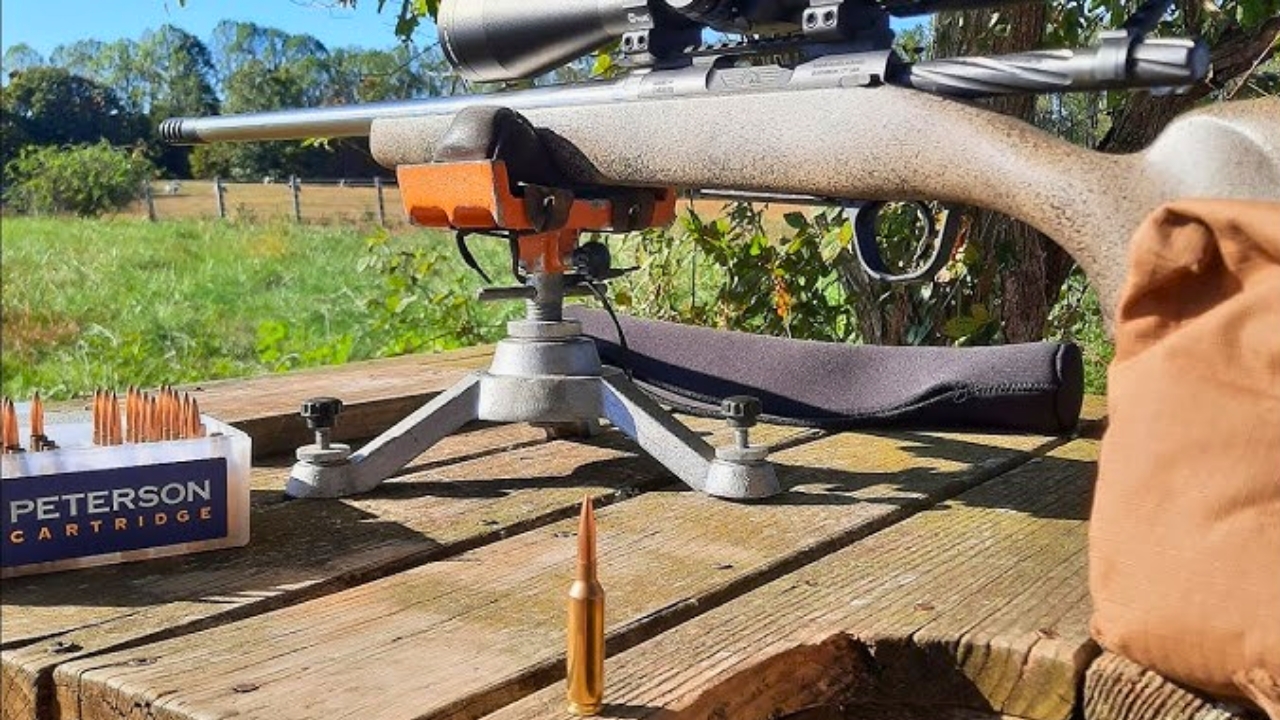
The .22 Creedmoor is a modern example of speed and efficiency being pushed hard in a small bore. It can be outstanding for certain long-range varmint and competition roles, but it also lives in that high-intensity zone where throat life and heat management are real considerations.
You’re pushing .224 bullets fast enough that bullet construction and twist rate choices matter more than people expect. Some projectiles handle it well, some don’t, and the wrong match can lead to inconsistent results. It’s also not a casual, cheap cartridge to feed, and it rewards careful load development. When the whole setup is right, it’s impressive. When you expect it to behave like a mild .223 or even a .22-250, it can feel demanding. That’s the price of modern speed.
Like The Avid Outdoorsman’s content? Subscribe to our newsletter so you never miss an article.
Here’s more from us: