Photo credit: Man Vs Deer/YouTube
Marketing departments always paint a rifle as the next revolution. They promise tighter groups, better handling, tougher finishes, and barrel technology that will change everything. But once you actually get it to the range, you learn quickly which rifles earned their reputation and which ones were carried entirely by advertising.
A lot of rifles look great on paper and even better in commercials, but real accuracy, reliable feeding, and consistent performance aren’t things you can fake. When a rifle can’t meet the claims the manufacturer shouted from every direction, you notice fast—and so does everyone else at the range.
Remington 770

The Remington 770 was sold as a budget-friendly rifle that could hang with the more established models. You’d handle it in the store and think the bolt throw and weight weren’t too bad. But once you started shooting it, the rough action and inconsistent accuracy showed through almost immediately.
The factory scope didn’t help, often losing zero after a handful of shots. Even with upgraded glass, the rifle struggled to tighten groups. Remington’s push to position it as a ready-to-go hunting setup simply didn’t line up with how it performed in real conditions.
Mossberg Patriot Synthetic

Mossberg marketed the Patriot as a rifle that punched above its price point, offering a fluted barrel, clean lines, and a lightweight build. But many shooters found the action felt loose and the feeding wasn’t always reliable. Even with quality ammo, accuracy varied more than expected.
The synthetic stock also flexed when shooting off bags or a bipod, which didn’t help consistency. You could kill a deer with it, but the promise of precision that matched higher-end rifles fell short. It’s a rifle that performed fine—but never met the expectations its ads created.
Ruger American Ranch (early models)

When the American Ranch launched, Ruger pushed hard on the idea of a compact, accurate, truck-ready rifle. The concept was solid, but early production rifles had feeding issues, rough triggers, and accuracy that didn’t always match the sub-MOA claims.
Shooters liked how light it was, but that same weight made it more sensitive to hold and recoil movement. Many owners found themselves fighting to keep groups repeatable. Later models improved, but the early ones never lived up to what the marketing suggested.
Remington R-25
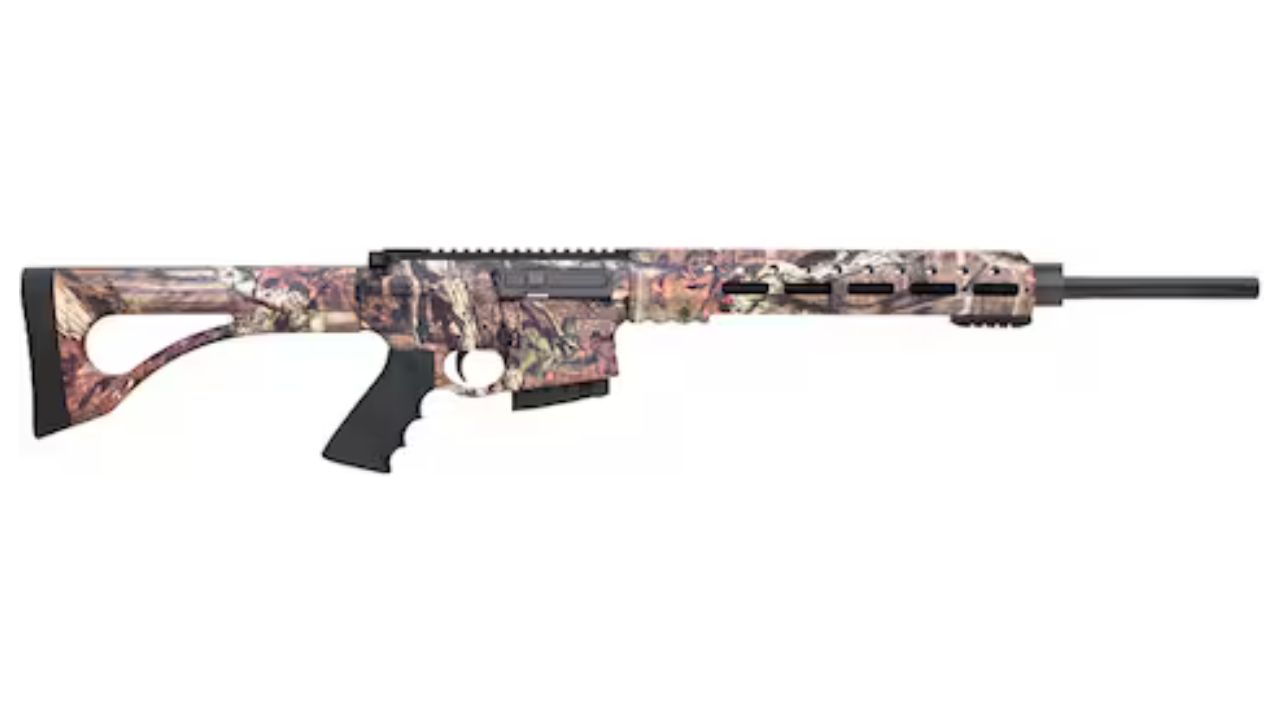
The R-25 was pitched as a lightweight hunting AR that delivered bolt-gun accuracy. The idea sounded great—an AR-10 platform with hunting lines and proven Remington components. But the rifle’s weight was considerable, and most shooters struggled to get the precision that was advertised.
The heavy profile and inconsistent triggers made it tougher to shoot well than expected. While reliable, it didn’t deliver the near-benchrest accuracy its marketing implied. Most hunters found that lighter, simpler rifles outperformed it in the field.
Weatherby Vanguard Weatherguard
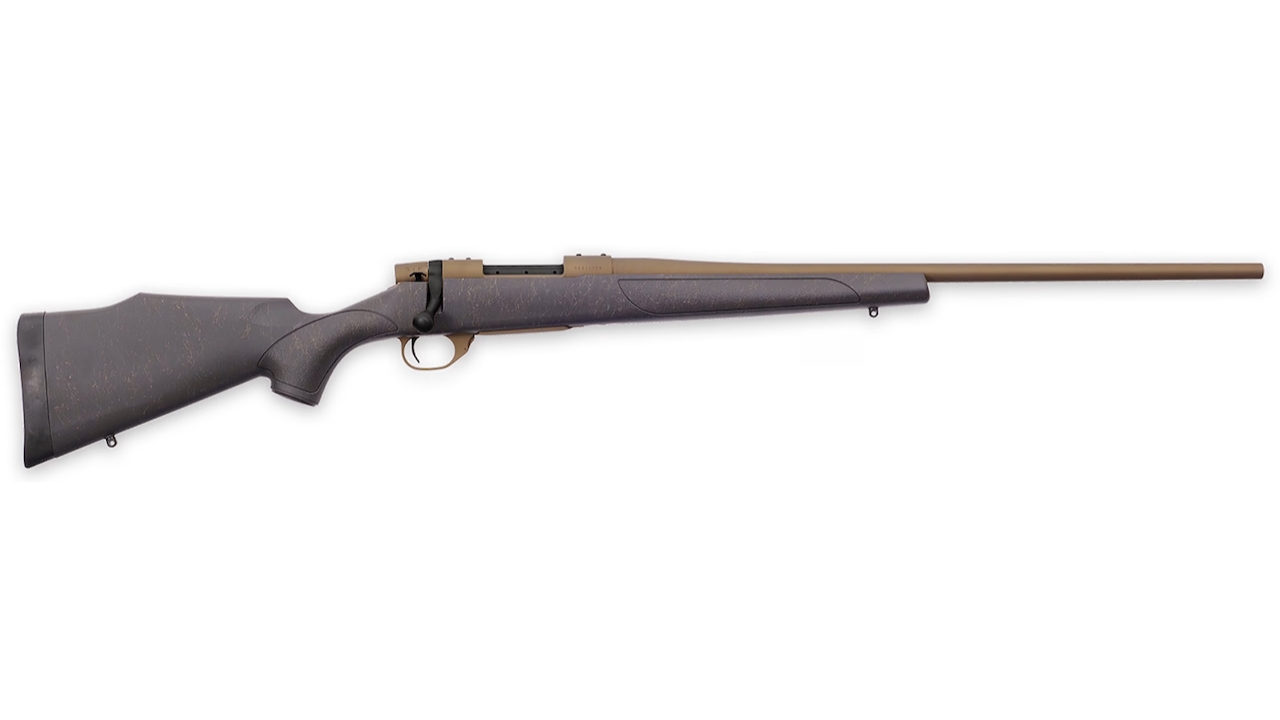
Weatherby positioned the Weatherguard as a rugged rifle that could handle the elements without losing accuracy. While the action is solid and the barrel is capable, many shooters found the stock design and weight distribution made it more challenging to shoot from field positions.
Accuracy wasn’t terrible, but it rarely reached the sub-MOA standard Weatherby emphasized. In wet weather, the protective finish held up fine, but the rifle still didn’t meet the heightened expectations their ads created.
Browning AB3
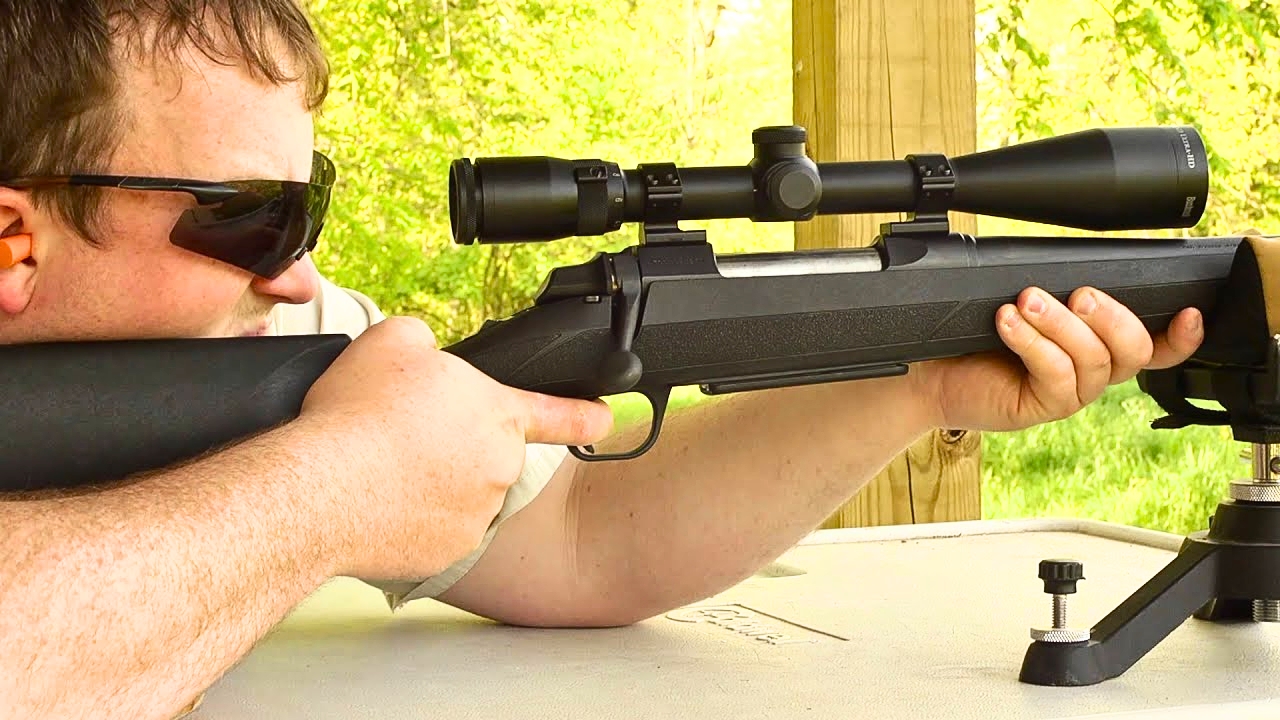
Browning marketed the AB3 as a more affordable way to get Browning-level performance. But the rifle’s plastic trigger guard, rough bolt feel, and mediocre factory trigger turned a lot of shooters off. It didn’t have the refinement people expected from the brand.
Accuracy also varied more than advertised, especially with lighter barrels. The rifle functioned, but it didn’t reflect the smoothness or repeatability Browning promised. Many shooters expected more for the price and the branding behind it.
Mossberg MVP Patrol
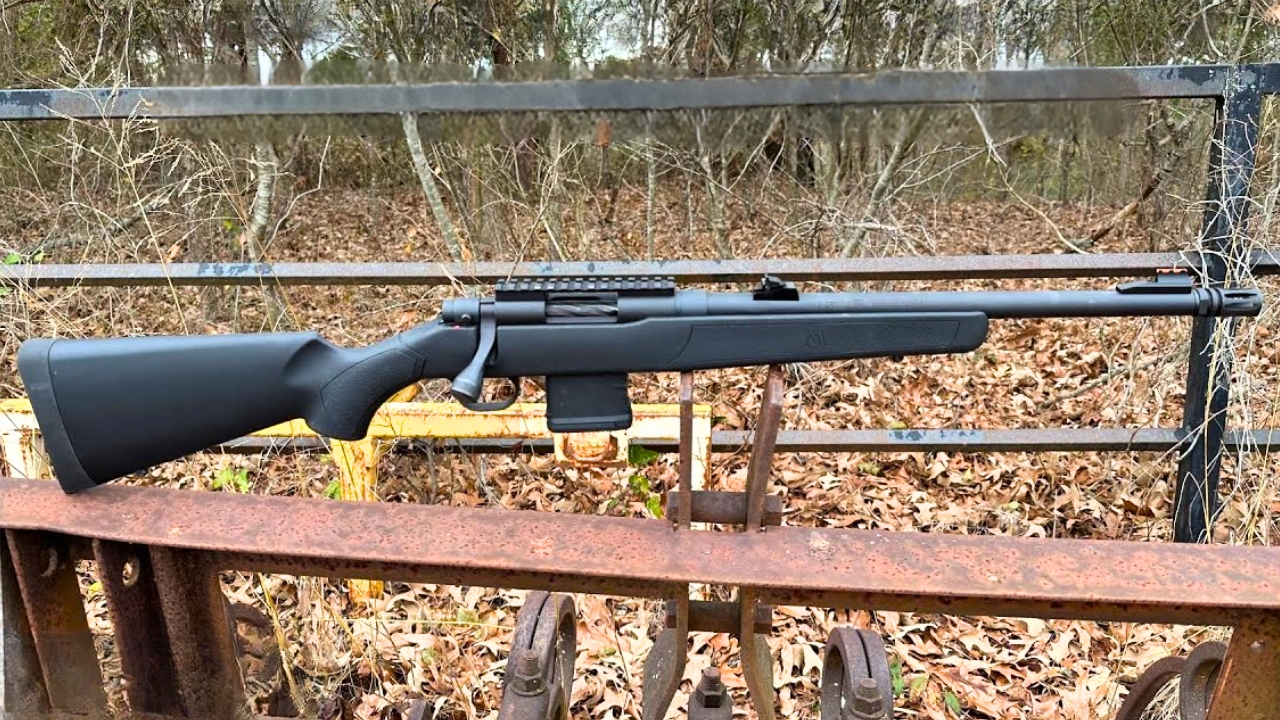
The MVP Patrol was sold as a do-everything rifle—bolt-gun accuracy with AR-mag compatibility. It was a compelling idea, but feeding issues were common, and the flexible stock made accuracy inconsistent. The bolt lift felt heavier than the marketing suggested.
Some rifles shot well, but most didn’t reach the accuracy claims Mossberg highlighted. It performed best as a fun range rifle rather than the tactical-utility role it was supposed to fill.
Remington 783

Remington advertised the 783 as a revived attempt to give budget hunters something truly accurate. While some rifles shot well, others had inconsistent barrels and feeding problems. The stock felt hollow, and the recoil pad didn’t do much for comfort.
Accuracy claims leaned heavily on marketing, and while the rifle could group decently, it didn’t consistently outperform competitors the way Remington suggested. It was functional but nowhere near the precision tool it was advertised as.
Thompson/Center Compass
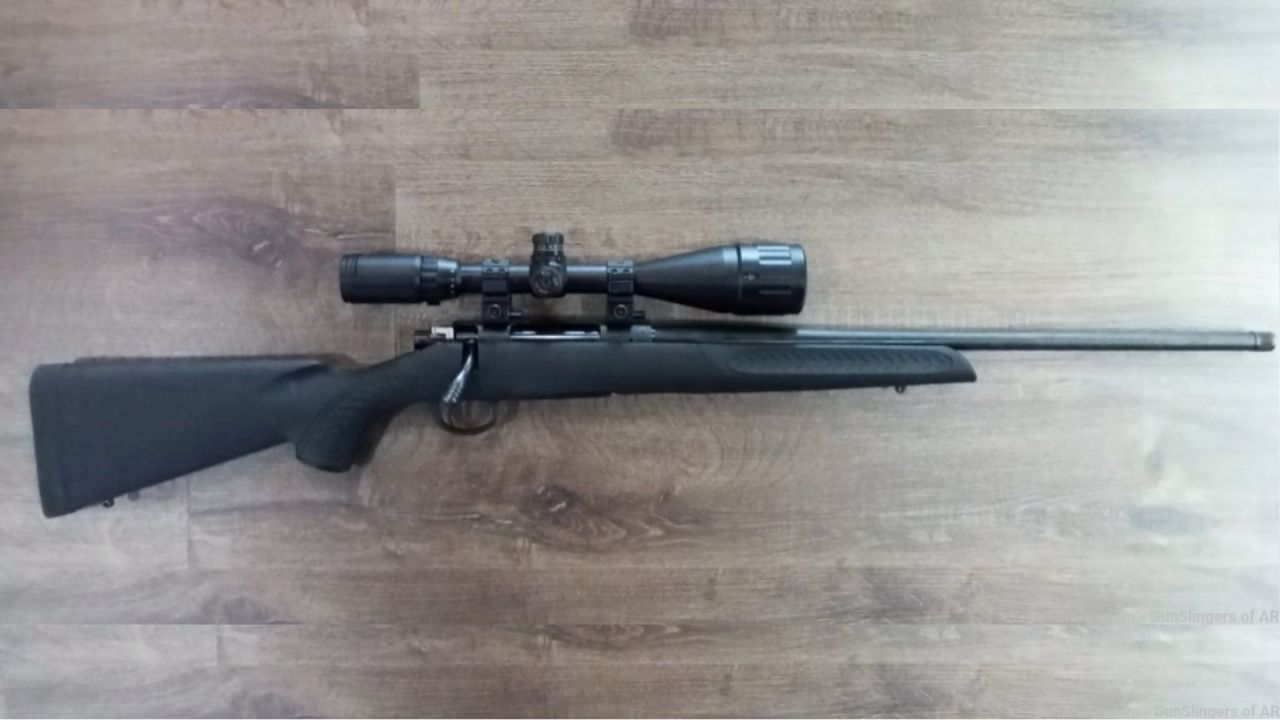
The Compass was pitched as an affordable sub-MOA rifle with premium features at a bargain price. In reality, the stock flexed noticeably, which made it tough to maintain consistent pressure when shooting off support.
The rifle could shoot well with certain loads, but repeatability wasn’t its strong suit. Many shooters found that the sub-MOA guarantee didn’t always hold up. As a budget rifle, it was fine, but the marketing pushed expectations far higher than its real-world performance justified.
Winchester XPR

The XPR looked promising when it launched—modern lines, solid action design, and strong advertising behind it. But many shooters noticed that the trigger wasn’t as crisp as expected and the action felt less refined than Winchester promoted.
Accuracy was acceptable but not consistently impressive. The rifle lacked the smoothness and reliability that the marketing emphasized. It was workable, but it didn’t replace the Model 70 legacy the way ads claimed it would.
Savage Axis II

Savage promoted the Axis II as an inexpensive rifle with serious accuracy thanks to the AccuTrigger. But the flexible stock and light build made it tough to shoot tight groups without perfect technique.
While some rifles shot well, the accuracy guarantee was hit-or-miss. The action didn’t feel as smooth as the marketing suggested. It’s a capable entry-level rifle, but it didn’t reach the elevated promises Savage wrapped around it.
Marlin X7
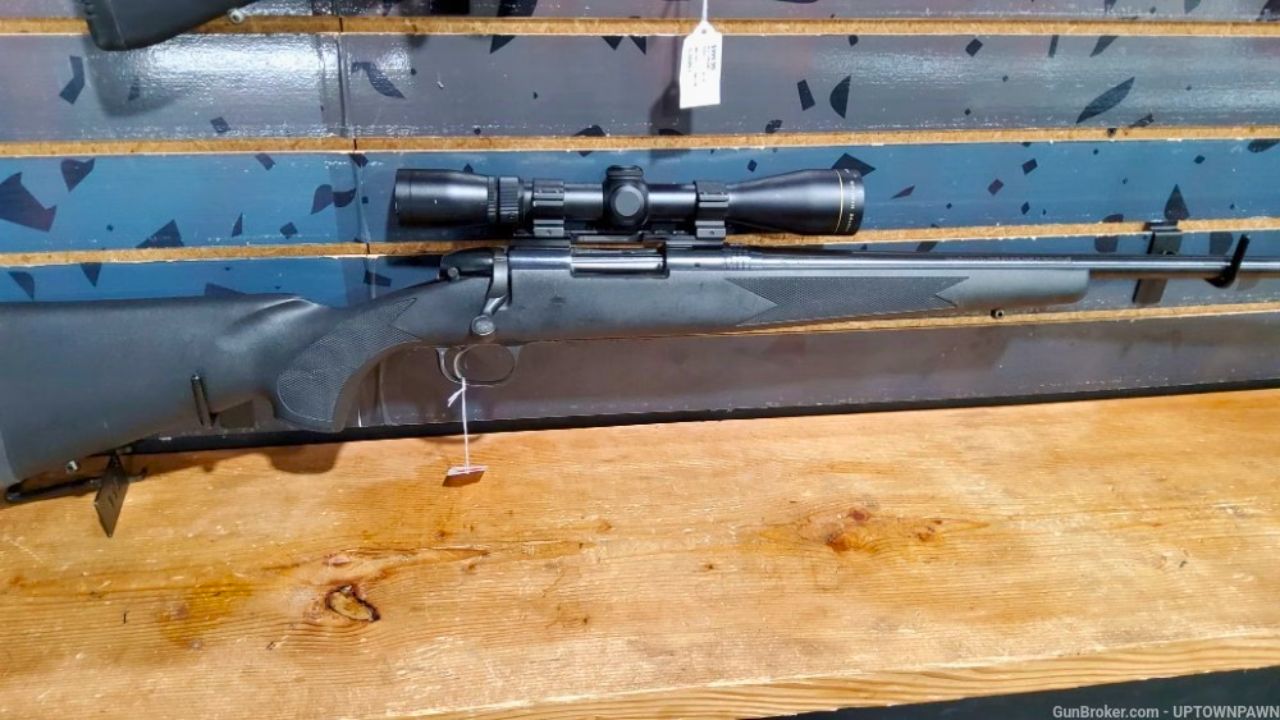
The Marlin X7 was marketed as a sleeper rifle with top-tier accuracy at an entry price. The action felt decent, and the trigger was better than expected. But accuracy rarely matched the bold claims surrounding it—groups were serviceable, not exceptional.
Stock rigidity was also a concern, especially when shooting from supported positions. It wasn’t a bad rifle, but it didn’t live up to the hype that followed its release.
Remington SPS Tactical .308

The SPS Tactical drew attention with its heavy barrel and promises of tight groups. But many shooters found the factory stock too flimsy to support the accuracy the barrel was capable of. It simply didn’t deliver the consistency its marketing suggested.
With a stock replacement, performance improved, but out of the box, the rifle couldn’t meet the claims surrounding it. It ended up being more of a project rifle than a finished product.
Ruger Mini-14
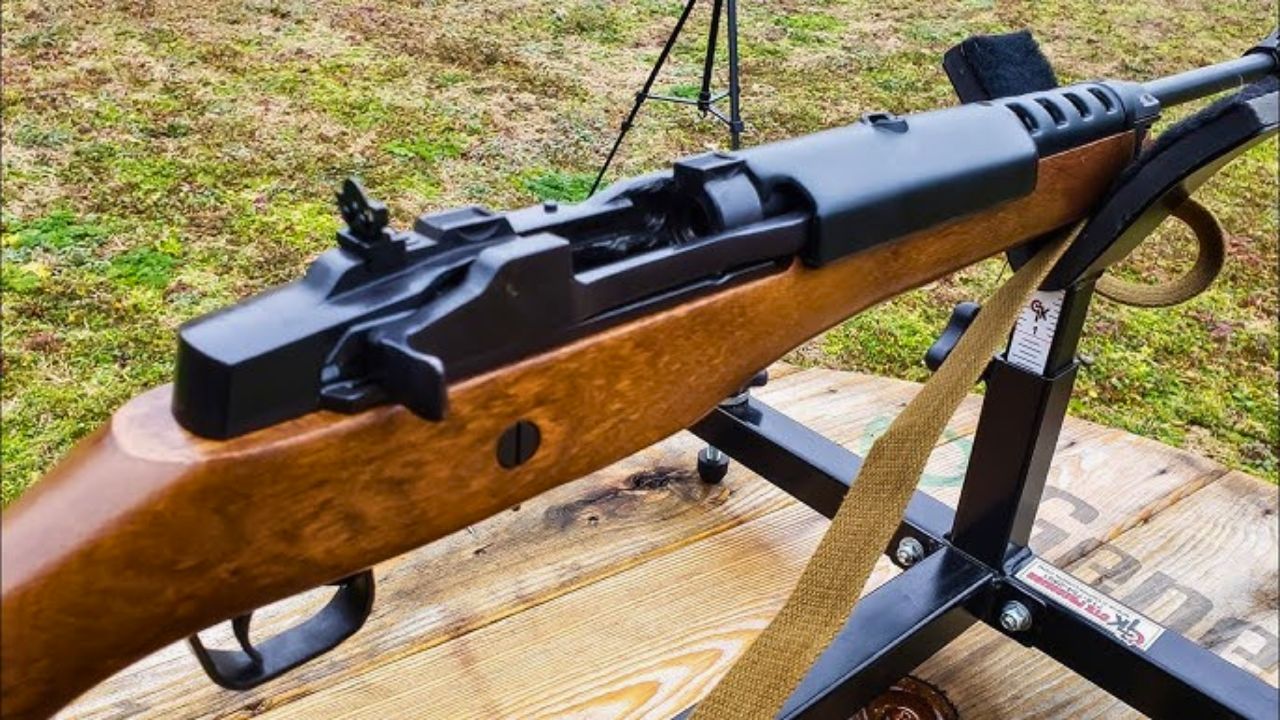
Ruger advertised the Mini-14 as a reliable ranch rifle with respectable accuracy, but early and mid-production rifles often struggled to hold tight groups. The thin barrel heated quickly and caused point-of-impact shift.
Reliability was good, but accuracy never matched the marketing language. Later models improved, but for many shooters, the rifle never delivered the consistency the ads promised.
Remington 597

The 597 was pitched as a semi-auto rimfire that rivaled the accuracy of bolt guns. But real-world results showed feeding issues, inconsistent magazines, and grouping that rarely matched the claims.
Some rifles ran acceptably, but many didn’t. The marketing carried the rifle farther than its actual performance ever did.
Like The Avid Outdoorsman’s content? Subscribe to our newsletter so you never miss an article.
Here’s more from us: