

Photo credit: Explorer's Workbench/YouTube
Ruger is not the kind of company that changed the gun world by building only one legendary firearm and riding that name forever. It changed the market by doing something more practical: making useful guns regular shooters could actually afford, then repeating that formula across rimfire pistols, rimfire rifles, revolvers, semi-auto rifles, bolt guns, and eventually Marlin lever actions.
That is the real Ruger story. The company started in 1949 with a .22 pistol, then kept finding ways to build firearms that were rugged, approachable, and smartly manufactured. Ruger’s own product history shows the 10/22 beginning production in 1964, and the company’s 2020 acquisition of Marlin pulled one of America’s most beloved lever-gun names into Ruger’s modern manufacturing world.
1. Ruger Made a .22 Pistol Cool Enough to Start a Company

Ruger’s first gun was the Standard .22 pistol, and that alone changed the company’s future. Instead of launching with a big-bore hunting rifle or a military-style pistol, Ruger started with a rimfire handgun that regular shooters could afford, practice with, and enjoy. That was a smart move.
The Standard was introduced in 1949 and became the foundation for the later Mark series pistols. It gave Ruger a clear identity right away: practical, affordable, accurate enough to matter, and different from what everyone else was making. That pistol proved a new company could enter the market with a simple rimfire and still make serious noise.
2. Ruger Built Around Value Before Value Was Trendy
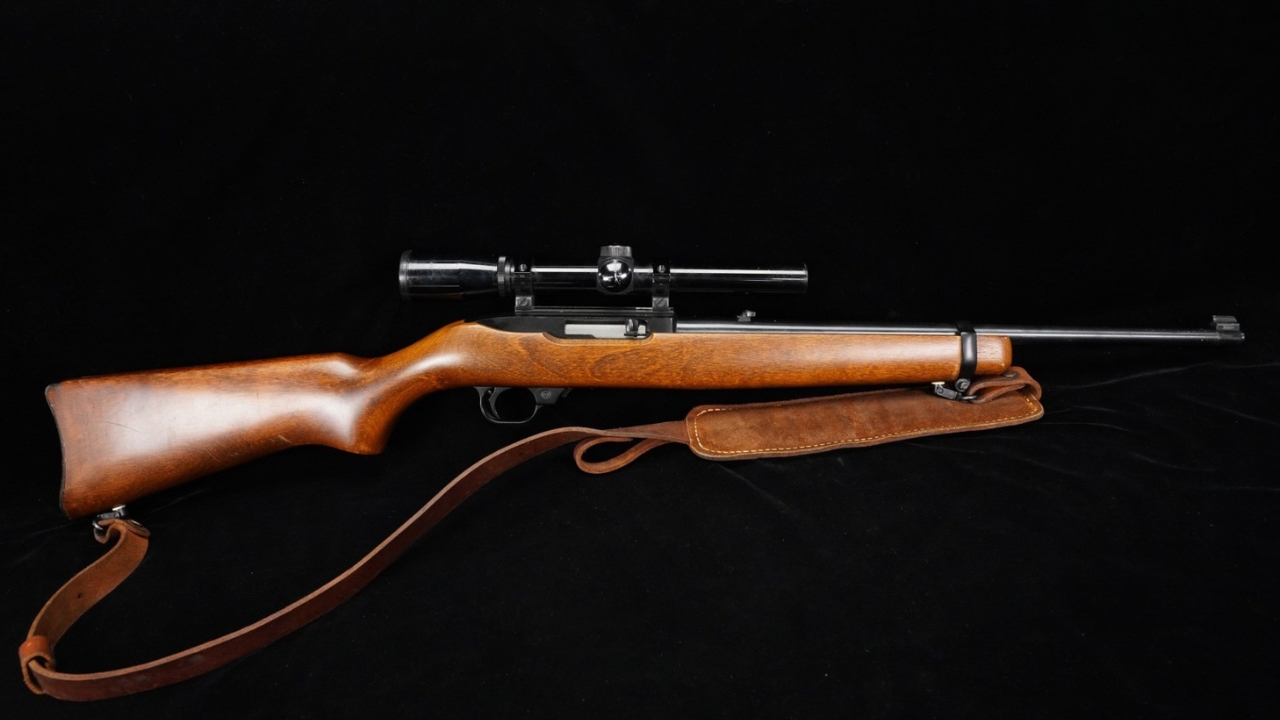
Ruger did not become powerful by chasing only premium buyers. The company understood early that there was a huge market for guns that were reliable, affordable, and not embarrassing to own. That sounds obvious now, but Ruger made it a brand identity.
That value-first mindset shaped everything from the Standard pistol to the 10/22, Blackhawk, Single-Six, GP100, American Rifle, and countless other models. Ruger has rarely been the fanciest name in the case. It has often been the one that made buyers think, “That’ll do the job, and I can actually afford it.” That changed how regular shooters approached buying guns.
3. Ruger Made Investment Casting Respectable

One of Bill Ruger’s biggest manufacturing contributions was making smart use of investment casting. Some shooters used to look down on cast parts compared with forged or heavily machined parts, but Ruger showed that properly engineered cast parts could be strong, cost-effective, and practical.
That mattered because manufacturing costs shape what regular people can buy. Ruger’s casting work helped the company build sturdy guns at prices that did not scare off normal shooters. It was not about cutting corners for the sake of being cheap. It was about using manufacturing intelligently so more people could own solid firearms.
4. The Single-Six Kept Rimfire Revolvers Useful

The Ruger Single-Six gave shooters a practical, affordable single-action rimfire revolver that felt old-school without being fragile or collectible-only. It became a natural gun for plinking, small game, teaching new shooters, and enjoying single-action handling without spending centerfire money.
That changed the rimfire revolver lane. Instead of single-actions feeling only like cowboy nostalgia or expensive collector pieces, Ruger made one that regular people could shoot hard. The Single-Six helped keep the single-action revolver alive as a practical gun, not just a historical idea.
5. The Blackhawk Gave Shooters a Strong Modern Single-Action
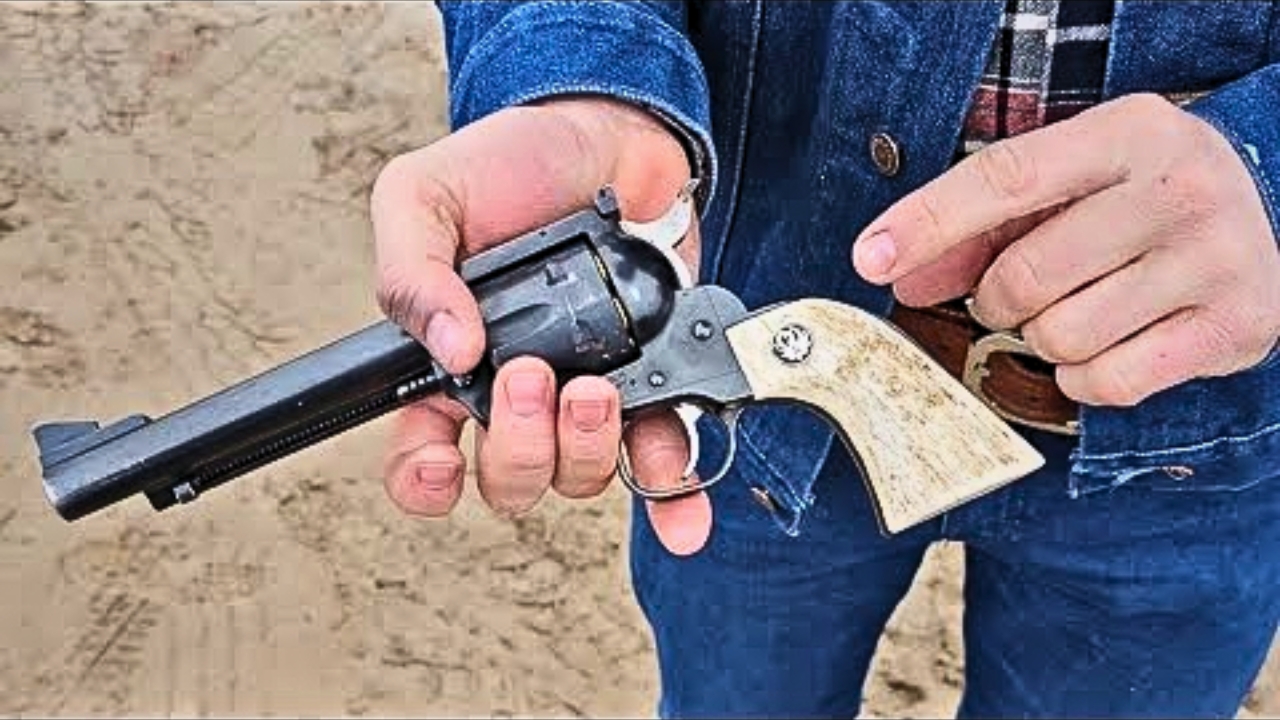
The Ruger Blackhawk helped redefine what a modern single-action revolver could be. It gave shooters classic handling with stronger modern construction, useful chamberings, and the kind of durability Ruger became known for. It was not trying to be a delicate Colt clone. It was its own thing.
That mattered because single-action revolvers could have faded into pure nostalgia. Ruger kept them relevant for hunters, handloaders, outdoorsmen, and revolver fans who wanted strength and shootability. The Blackhawk proved a cowboy-style revolver could still be serious in the modern era.
6. Ruger Made the 10/22 the Rimfire Rifle Everyone Had to Answer
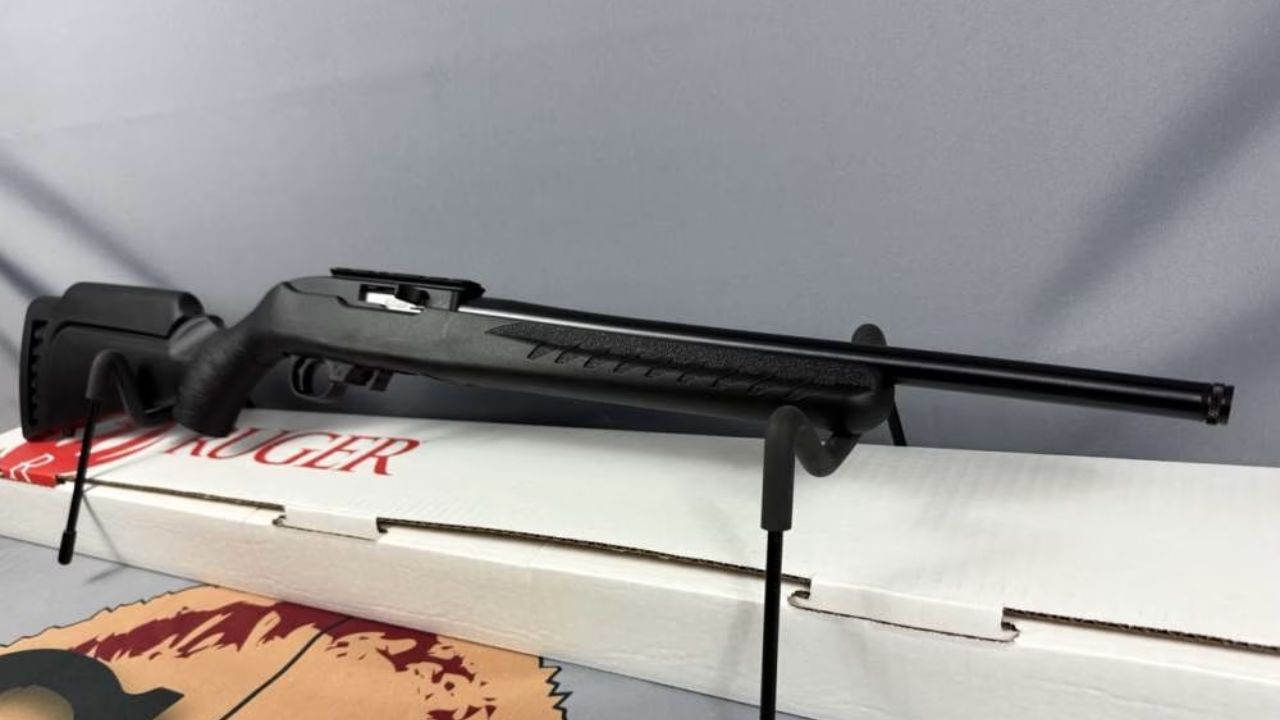
The Ruger 10/22 may be the clearest example of Ruger changing a category. Introduced in 1964, it became one of the most important semi-auto .22 rifles ever made. Ruger’s own production-history page lists 1964 as the beginning year for the 10/22, and American Rifleman points to the rifle’s barrel block, rotary magazine, and anti-bounce bolt as key design strengths.
The 10/22 did not only sell well. It created a whole aftermarket world. Stocks, barrels, triggers, magazines, receivers, bolts, rails, and complete custom builds all grew around it. A rifle changes the gun world when it becomes both a product and a platform. The 10/22 did exactly that.
7. Ruger Made the Rotary Magazine Famous
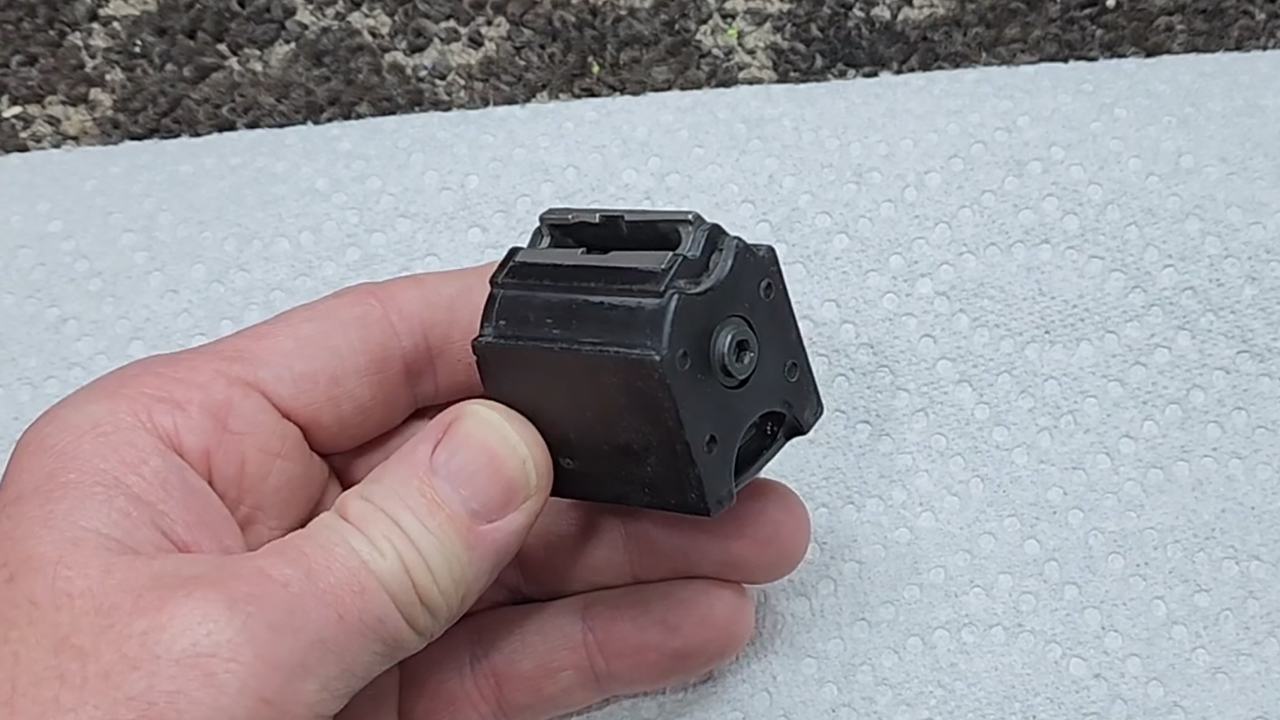
The 10/22’s rotary magazine was one of the design choices that helped make the rifle so popular. It fit flush, fed reliably, and gave the rifle a cleaner feel than many box-magazine rimfires. For a casual .22 rifle, that was a big deal.
That little magazine helped define the rifle. A flush 10-round rotary mag made the 10/22 handy, compact, and easy to carry. It also became part of the rifle’s identity. Plenty of aftermarket magazines came later, but the original rotary magazine is one of those Ruger decisions that helped a simple rimfire become a legend.
8. Ruger Made Revolvers Feel Nearly Indestructible

Ruger revolvers developed a reputation for being tough in a way that changed buyer expectations. A GP100, Redhawk, Super Redhawk, Blackhawk, or SP101 may not always have the trigger polish of a Smith & Wesson or the collector prestige of a Colt, but Ruger revolvers made shooters think about strength first.
The GP100 is a good example. Ruger lists the GP100 with a triple-locking cylinder that locks at the front, rear, and bottom for positive alignment and dependable operation, along with tool-free disassembly of integrated subassemblies and a transfer-bar safety system. That is Ruger’s revolver identity in one spec sheet: strong, practical, and built to be used.
9. The Redhawk Changed Big-Bore Double-Actions

The Ruger Redhawk gave shooters a strong double-action revolver for heavy cartridges and serious field use. It became one of those guns people trusted with stout .44 Magnum loads, hunting use, and outdoors carry. That helped Ruger build credibility beyond plinking and basic utility guns.
That mattered because big-bore revolver shooters care deeply about strength. A revolver used for hunting or heavy loads cannot feel delicate. Ruger leaned into that need. The Redhawk and Super Redhawk helped make Ruger one of the first names people think of when they want a revolver that can handle abuse.
10. Ruger Made the Mini-14 a Different Kind of Semi-Auto Rifle

The Mini-14 changed the market by giving shooters a semi-auto .223/5.56 rifle that did not look or feel like an AR-15. It had a traditional stock, Garand-style action influence, and ranch-rifle personality. That made it appealing to buyers who wanted a practical semi-auto without the AR layout.
That mattered in a country where laws, image, and personal preference all affect gun buying. The Mini-14 gave ranchers, landowners, and regular shooters a different option. It was not the most modular rifle, and it was not trying to be. It changed the conversation by proving there was room for a traditional-looking semi-auto utility rifle.
11. Ruger Gave Budget Bolt Guns Real Credibility With the American Rifle

The Ruger American Rifle helped change what hunters expected from budget bolt guns. It was affordable, but it came with useful features like the Marksman Adjustable trigger, bedding system, and practical chambering options. It was not fancy, but it could shoot.
That mattered because budget rifles used to feel like obvious compromises. The Ruger American helped show that an affordable rifle could still be accurate enough for serious hunting. It forced buyers to ask why they needed to spend much more if a plain rifle could do the job well.
12. Ruger Helped Normalize Lightweight Carry Pistols

Ruger’s LCP did not invent pocket carry, but it helped normalize the tiny .380 carry pistol for a modern audience. It was small, affordable, easy to conceal, and simple enough for buyers who wanted a deep-concealment handgun without overthinking it.
That changed the carry market in a practical way. The LCP became one of those guns people actually carried because it fit real life. It was not a range favorite and never pretended to be. It mattered because it made “always have a gun you can actually carry” feel more realistic for a lot of people.
13. Ruger Made Precision Rifles More Accessible

The Ruger Precision Rifle changed expectations in the entry-to-midlevel precision rifle market. Before rifles like that became common, many shooters thought long-range precision meant custom builds, expensive chassis systems, and complicated rifle projects. Ruger gave buyers a factory rifle that looked and worked like it belonged in that space.
That did not make everyone a long-range shooter overnight. But it lowered the barrier. A shooter could buy a Ruger Precision Rifle, add good glass, choose good ammo, and start learning without building a custom gun from scratch. That changed the precision-rifle market because it made the category feel reachable.
14. Ruger Bought Marlin and Brought Lever Guns Back Into the Spotlight
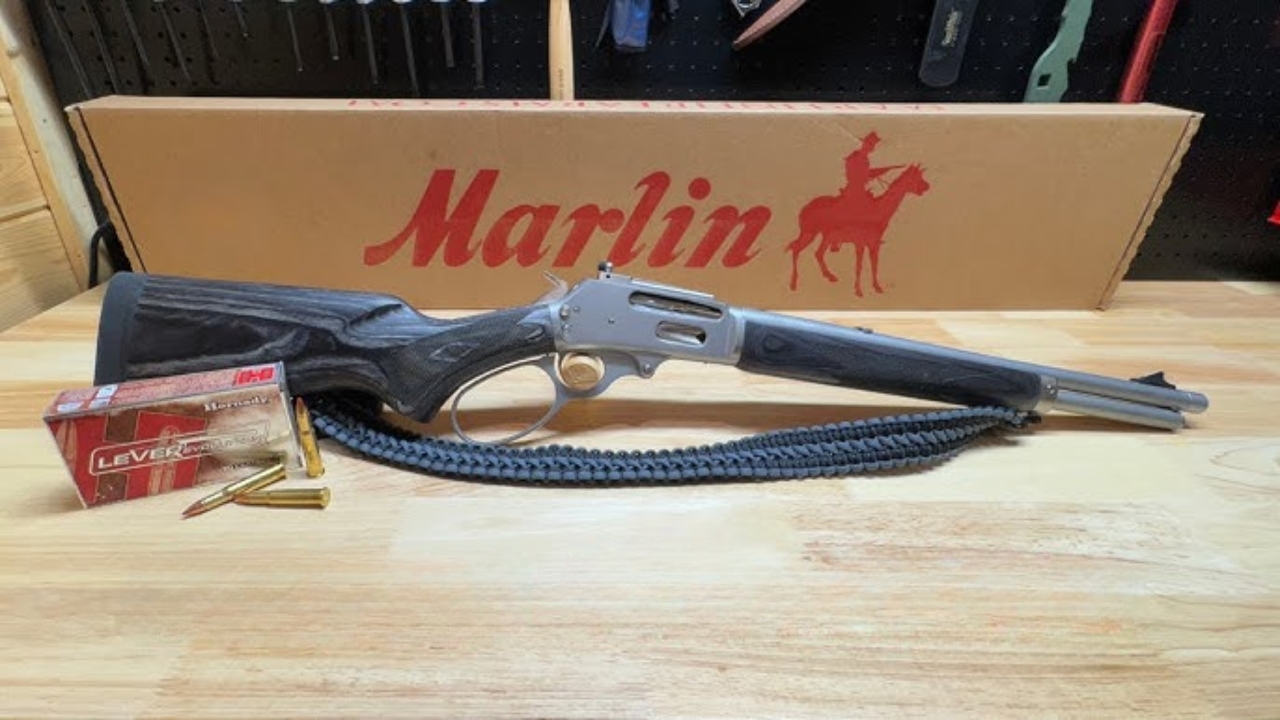
Ruger’s Marlin acquisition was one of the biggest modern moves the company made. In 2020, Ruger announced its offer to purchase substantially all Marlin Firearms assets had been accepted during Remington Outdoor Company’s bankruptcy process, and the purchase closed later that year.
That mattered because Marlin was not just another asset. It was one of America’s most beloved lever-gun names, and it had been through rough years. Ruger had to prove it could bring Marlin back properly. The renewed attention around Ruger-made 1895s, 336s, and 1894s helped put lever guns back in front of shooters in a major way.
15. Ruger Changed the Gun World by Making Useful Guns Feel Reachable
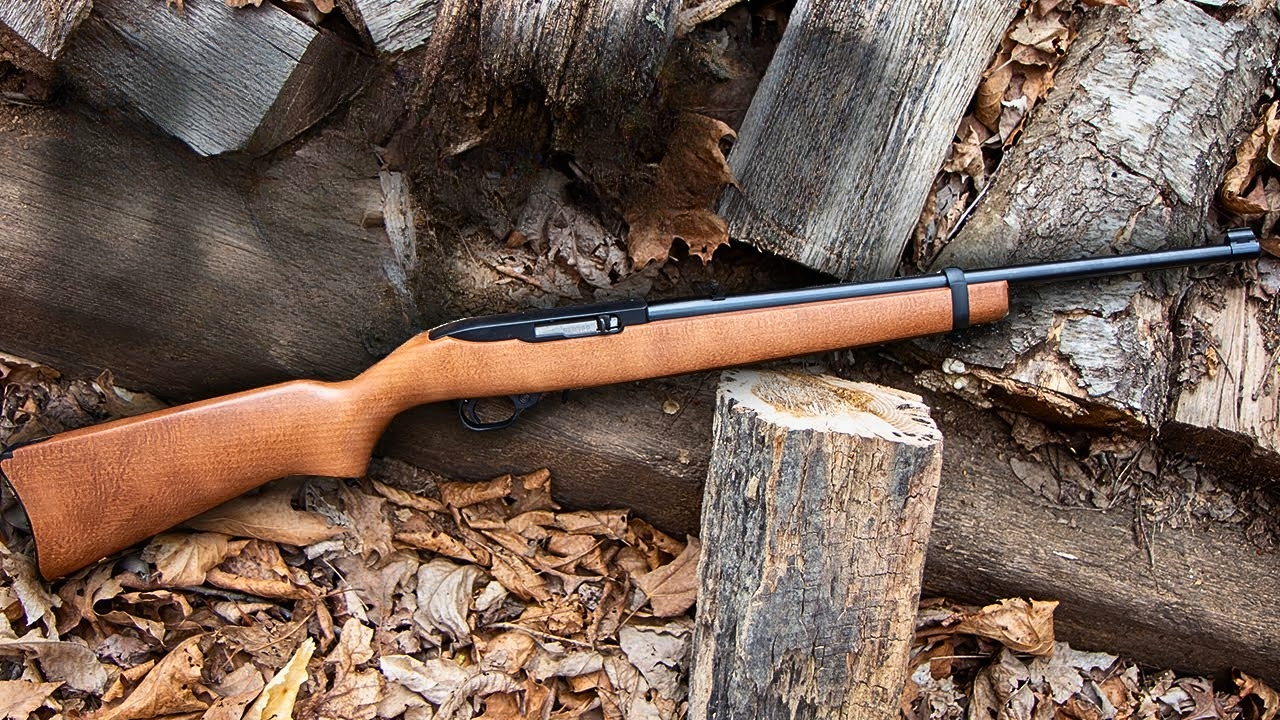
The biggest thing Ruger did was make useful guns feel reachable. A 10/22 did not require custom money. A GP100 did not require collector money. A Ruger American did not require premium rifle money. A Mark pistol did not require match-gun money. Ruger kept finding ways to build firearms that regular people could buy, shoot, and keep.
That is why Ruger changed the gun world. The company did not rely on one hero product. It changed expectations across categories by making practical guns that worked, cost less than many competitors, and still earned loyalty. Ruger’s genius has always been simple: build guns people can afford, make them strong enough to trust, and give shooters a reason to keep coming back.
Like The Avid Outdoorsman’s content? Subscribe to our newsletter so you never miss an article.
Here’s more from us:


