Photo credit: Voha Star/YouTube
Some rifles behave on a bench like they’re ready for a precision match. But the moment you take them off the bags and shoot from field positions, everything falls apart. Weight, balance, recoil, and awkward ergonomics can turn a rifle that groups well on paper into one that’s nearly impossible to steady in the real world.
When you’re hunting or shooting anywhere that doesn’t involve a padded rest, certain rifles expose their weak spots fast. These are the rifles that shine in controlled conditions but struggle the second you’re standing, kneeling, or bracing off whatever the terrain gives you.
Tikka T3 Lite (magnum chamberings)

The Tikka T3 Lite earns praise for its smooth action and accuracy, but the magnum versions can be difficult to handle without a rest. The extremely light weight cuts both ways—easy to carry, tough to stabilize. From a bench, recoil feels manageable because the rifle is locked down. Standing or kneeling, the muzzle jumps noticeably.
Many shooters find the rifle too reactive in unsupported positions. Every small movement shows up on target, and the gun takes longer to settle between shots. In the field, that tendency makes confident shooting more challenging unless you’re using sticks or a tree for support.
Remington 783 Heavy Barrel
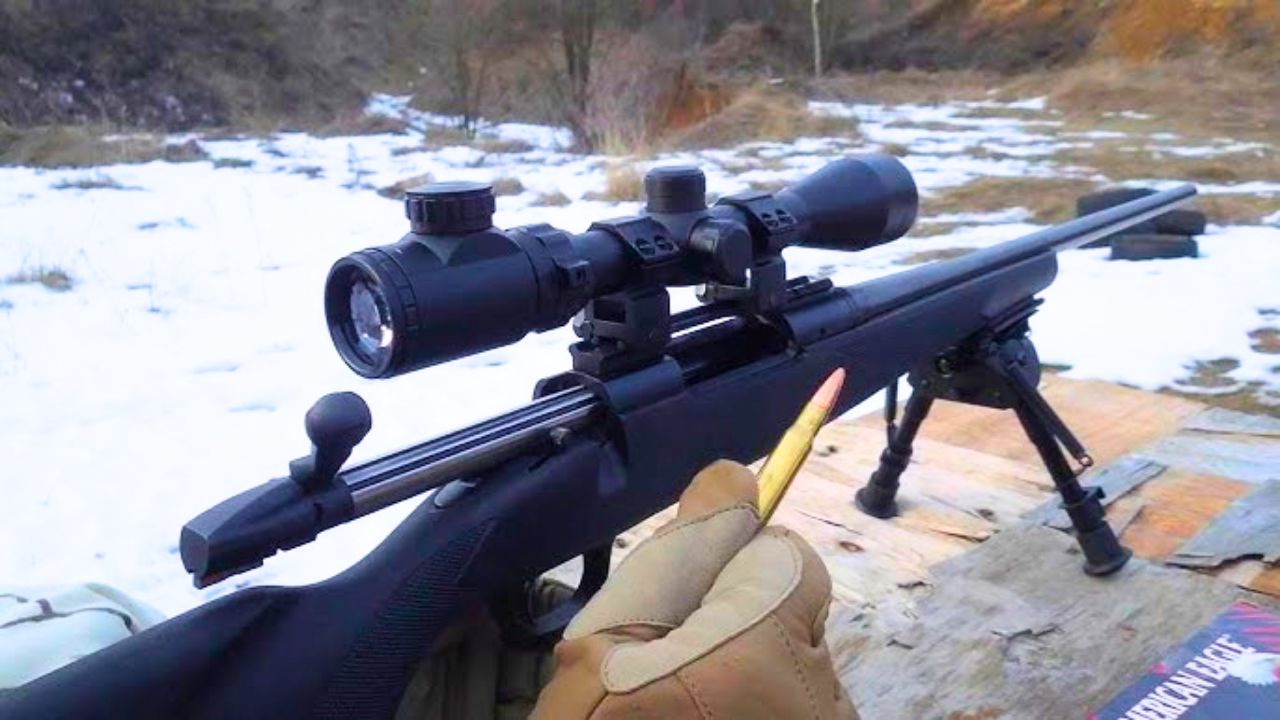
The 783 Heavy Barrel shoots well when supported, but the forward-weighted profile becomes a problem offhand. The gun was designed around stability on a bench or bipod, and that’s exactly where it performs best. Once you move into field positions, the long, heavy front end starts dragging the muzzle downward.
That imbalance makes standing shots feel sluggish and awkward. Even kneeling or sitting positions offer only partial relief because the rifle doesn’t settle naturally. It’s accurate—no question—but only when you can give it the structure it needs to behave.
Browning BOSS-equipped A-Bolt (older models)
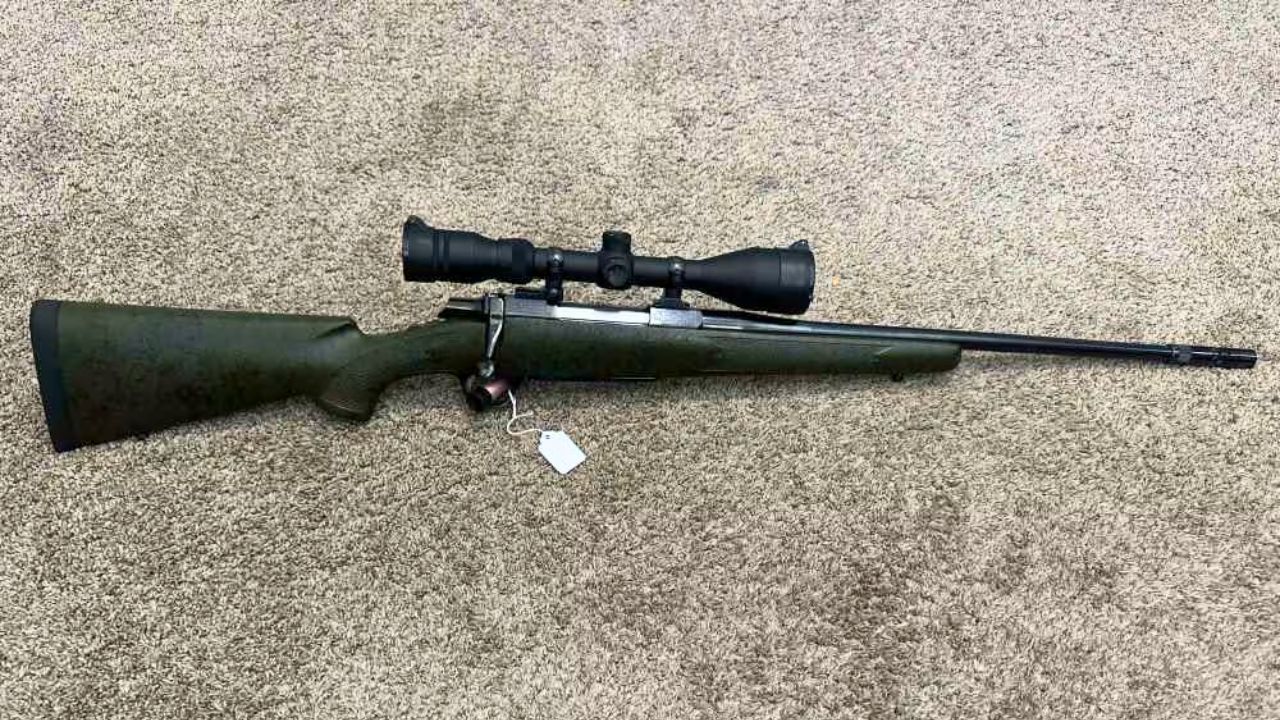
The BOSS system can absolutely tighten groups, but it also shifts the rifle’s balance forward. On a bench, that’s hardly noticeable. Offhand, the weight hanging on the muzzle becomes a constant battle. Shooters often report a wandering sight picture and slow target transitions.
The rifle also takes longer to settle between shots. That makes real-world shooting—wind, awkward footing, or fast follow-ups—feel cumbersome. It’s a system that rewards precision tuning but makes unsupported shooting more demanding than most expect.
Ruger No. 1 Light Sporter
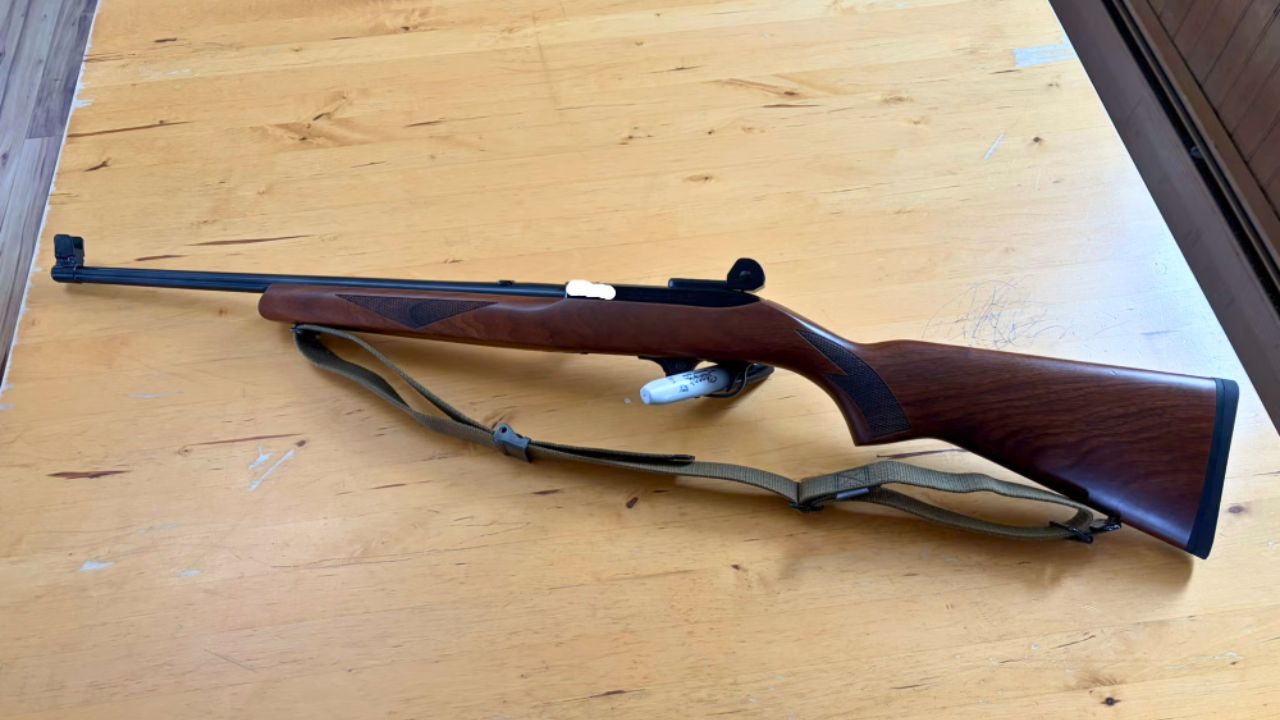
The Light Sporter version of the Ruger No. 1 can be surprisingly difficult to manage without support. It’s light, compact, and chambered in calibers that generate more recoil than the profile handles gracefully. From a bench, the rifle looks like a tack-driver. In field positions, the muzzle hops and the sight picture drifts.
Part of the challenge comes from the balance point sitting farther back than most two-lug bolt guns. The muzzle feels lively, and that liveliness translates into inconsistency when you’re not locked into a rest.
Winchester Model 70 Super Lightweight

This rifle excels as a mountain carry gun, but accuracy offhand is tough to achieve. The light stock and thin barrel amplify movement, and recoil recovery is abrupt. With sandbags, it groups well. Without them, every wobble becomes a problem.
A rifle this light makes you aware of your heartbeat and breathing. It demands an experienced shooter to keep groups tight from anything other than a stable position. Its weight is an asset on long hikes, not on unsupported shots.
Remington Model Seven (magnum chamberings)

In smaller calibers, the Model Seven is handy and quick. In magnums, it becomes difficult to control when unsupported. The short barrel and light build produce fast, upward recoil that takes time to recover from. A bench masks this behavior, but field shooting reveals it immediately.
Kneeling and standing positions feel twitchy, especially with faster loads. While the rifle is accurate on paper, that accuracy becomes much harder to reproduce without solid support.
Howa 1500 Youth/Compact models

Compact rifles serve their purpose well, but when adult shooters or full-power calibers enter the equation, things get complicated. The shorter length of pull disrupts natural point of aim, and the light forend doesn’t anchor well offhand.
From prone or a bench, the rifle performs predictably. Switch to shooting sticks or braced-off-a-tree shots, and the lack of forward weight becomes obvious. It’s a rifle that demands fit—and the wrong fit shows instantly in the groups.
Savage Axis II XP (factory scope packages)

The Axis II can be accurate, but factory scope packages often create poor balance. The inexpensive optics and mounts add weight in all the wrong places, making the rifle noticeably front-heavy. On a bench, you don’t feel it. Standing, it becomes a fight.
The flexible forend also complicates supported field shots. Pressing against a branch or brace can shift your point of impact. It’s a budget setup that shoots fine in a controlled environment but struggles when conditions change.
Weatherby Vanguard S2 Backcountry
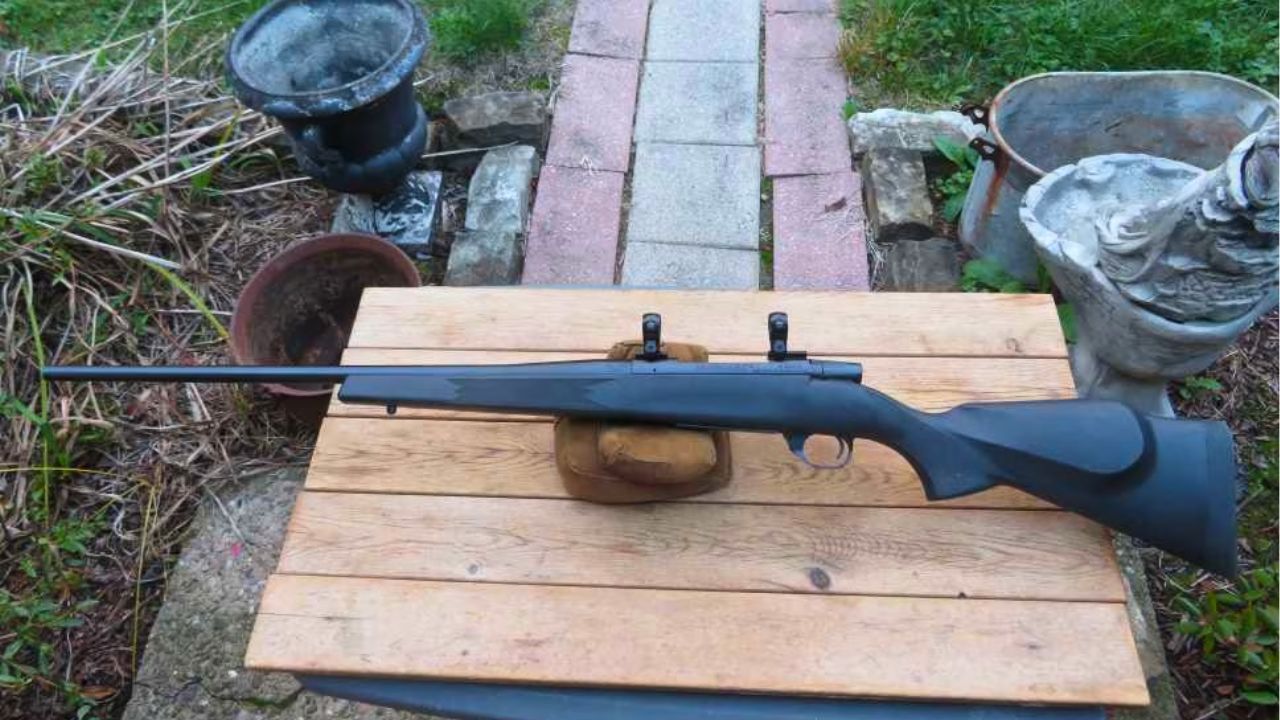
These rifles were designed to be light enough for steep country, not stable enough for unsupported accuracy. The recoil impulse is sharp, and even with good fundamentals the rifle moves more than most shooters expect. On a bench, it stays composed. Offhand, every small correction shows up downrange.
You need solid technique to get the most out of it—tight groups are possible, but only when the shooter is doing everything right. It’s a great carry rifle, but not an easy one to steady.
Henry Single Shot .308
Henry’s simple break-action rifles have their charm, but the .308 version offers a tougher shooting experience offhand. Recoil is abrupt, and the lack of forward weight keeps the muzzle lively. From a bench, the rifle behaves. Standing or kneeling, it feels like it wants to jump away from you.
With no repeating mechanism or added mass up front, settling the rifle becomes a chore. It’s better suited for deliberate, supported shots than quick field work.
Thompson/Center Compass (first generation)
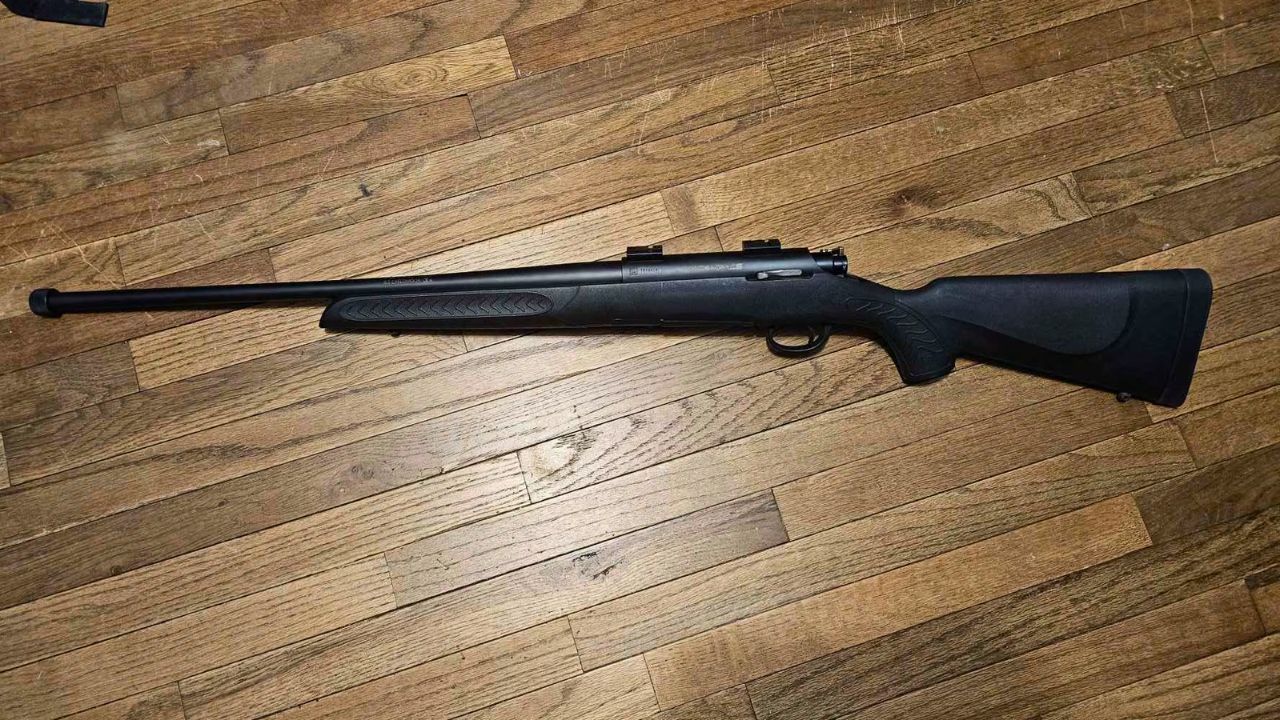
The first-generation Compass stock has enough flex that field pressure from your support hand can influence accuracy. On a bench, rest pressure stays consistent. In unsupported positions, small variations start moving your shots.
The rifle’s rear-heavy balance also makes it feel unstable when shooting offhand. It’s perfectly serviceable for slow, supported shots, but it isn’t the most forgiving rifle when improvisation is required.
Savage 110 Lightweight Storm

The Lightweight Storm earns its name, and that’s part of the challenge. Without mass to soak up movement, the rifle reacts to every minor input. Prone or benched, the rifle performs beautifully. Standing, you’ll notice the sight picture dancing unless you have rock-solid fundamentals.
Recoil is sharper than you expect, and the gun doesn’t settle quickly. It’s accurate—but not easy—when you’re off the bags.
CVA Cascade (magnum chamberings)

The Cascade handles well in standard calibers, but magnum versions feel mismatched to the rifle’s weight. Recoil drives the muzzle off target, and unsupported shooting exaggerates that movement even more. Sandbags hide the issue. Field positions reveal it instantly.
The stock design works better for prone shooting than kneeling or offhand. Without solid support, most shooters see groups widen dramatically.
Ruger American Predator in .450 Bushmaster

The Predator chambered in .450 Bushmaster hits hard—sometimes too hard for unsupported shooting. The lightweight stock kicks more than many expect, and muzzle rise is significant. On a bench, everything feels manageable. Standing, the rifle becomes far less forgiving.
Quick follow-up shots suffer because the gun takes time to settle after each blast. It’s a capable brush rifle but one that relies heavily on good bracing.
Marlin XL7
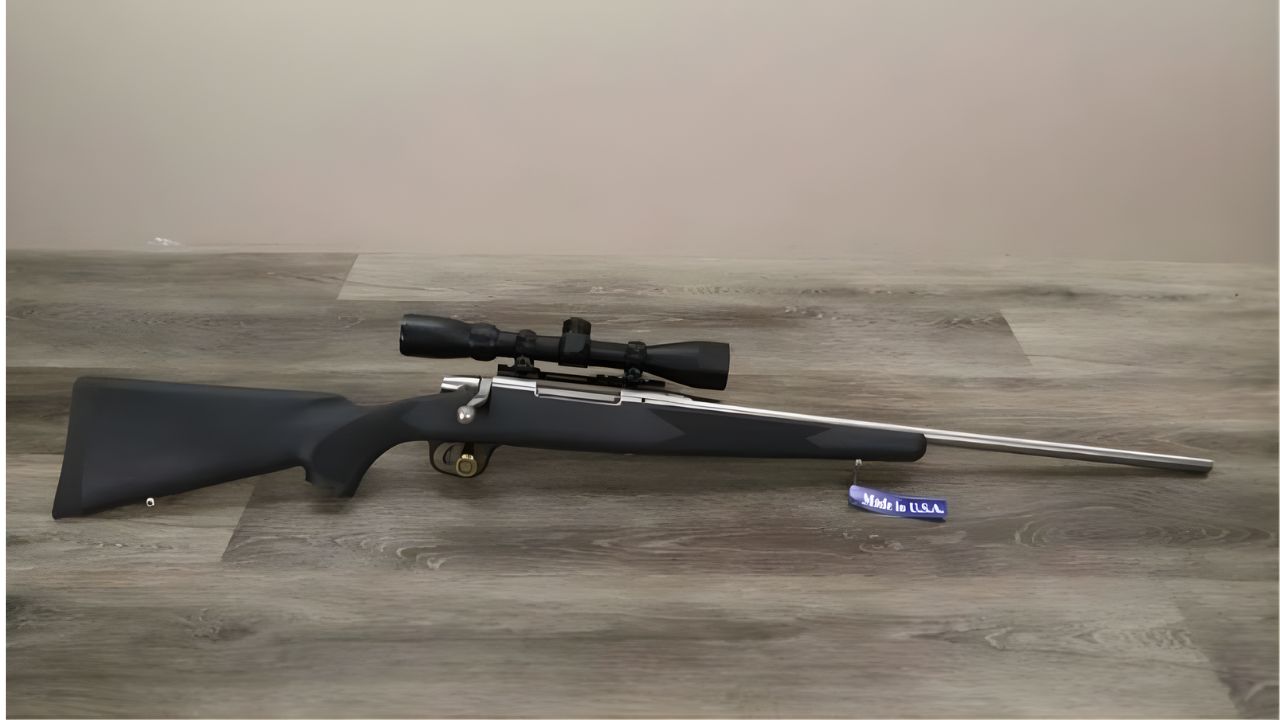
The XL7 offers good performance on paper, but the balance can feel off once you leave the bench. The light forend doesn’t provide much stability, and the weight distribution encourages muzzle wobble in unsupported positions.
Sitting or kneeling shots require extra patience to settle. Standing shots amplify every bit of movement. The rifle shoots well—just not easily—when you’re relying on your own steadiness.
Like The Avid Outdoorsman’s content? Subscribe to our newsletter so you never miss an article.
Here’s more from us: