Photo credit: Alabama Arsenal/YouTube
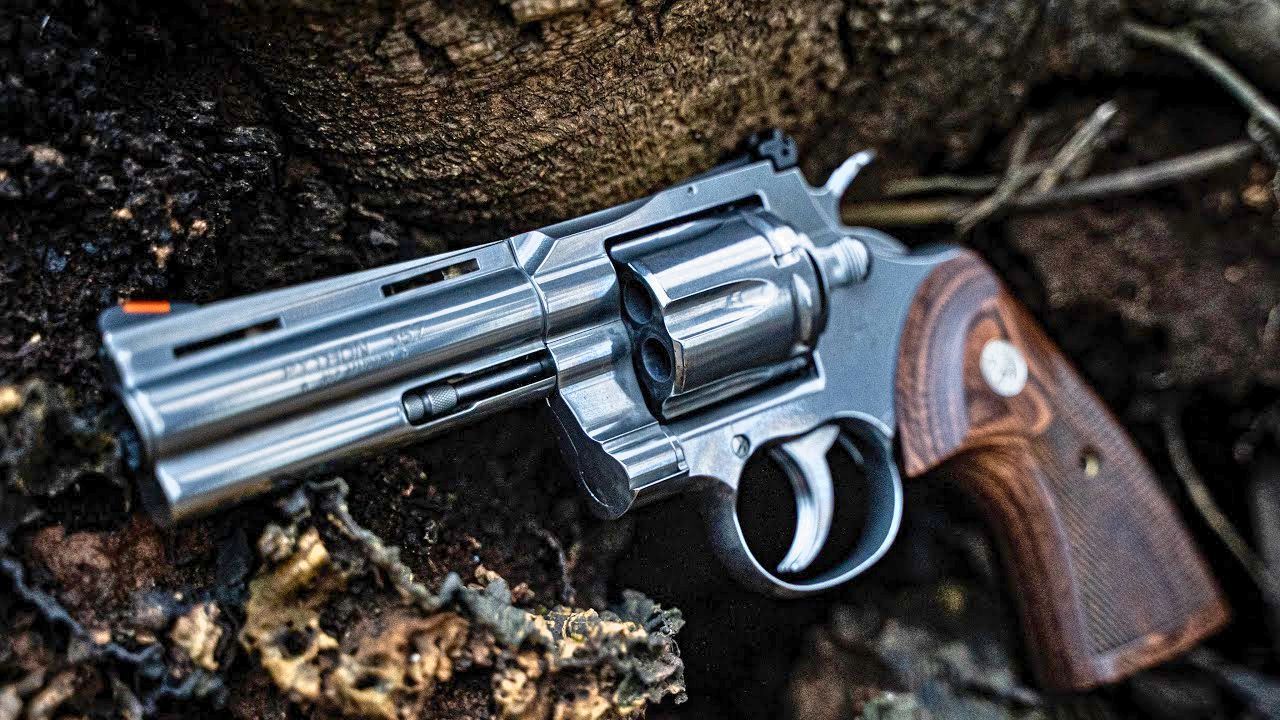
The Colt Python is one of those revolvers that almost got too famous to be understood clearly. Everybody knows it has a reputation. Everybody knows it is a “snake gun.” A lot of people know it is tied to premium Colt revolver history. But the deeper story is better than the surface version. Colt introduced the Python in 1955 as its first revolver chambered in .357 Magnum, and from the beginning it was treated as a premium gun with features like a ventilated rib and full underlug that made it stand out immediately.
What makes the Python interesting is that it was not just another nice revolver that later became collectible. It started premium, became iconic, disappeared, and then came back in 2020 in a new production form after years of pent-up demand. That is a very unusual life for one handgun model.
1. It was Colt’s first .357 Magnum revolver

A lot of people think of the Python as just one famous Colt among many, but Shooting Illustrated says Colt introduced the Python as its first revolver chambered in .357 Mag. That makes it a much bigger milestone in Colt history than a lot of casual shooters realize.
That also helps explain why the Python carried such prestige from the beginning. It was not only meant to be stylish. It represented Colt stepping seriously into the .357 Magnum market in a premium way.
2. It started life in 1955, not in some later collector era

The Python feels so tied to collector hype that some people mentally place it later than it really belongs. But American Rifleman’s historical look at the model places it right at 1955. That means the Python is a mid-century revolver with roots deep in the classic American revolver era, not a later luxury spin-off.
That date matters because it puts the Python right into the same broad postwar handgun boom that gave us several of the most important American wheelguns. It was never a novelty item. It entered the market as a serious revolver in a very serious revolver age.
3. The ventilated rib was part of the Python’s identity from the start

The vent rib is one of the first things people notice on a Python, and it was not some late add-on. American Rifleman says one of the first things people noticed from the beginning was the integral ventilated rib, paired with the full-length underlug.
That feature helped make the revolver instantly recognizable. Plenty of revolvers are good. Very few are visually unmistakable from across a room. The Python got there partly because of that ribbed barrel profile.
4. The full underlug was also there from day one

A lot of newer shooters see a full underlug and think of later heavy-barrel revolver fashion, but the Python was wearing that look from the start. American Rifleman’s historical overview and its 2018 Python primer both describe the revolver as having a full underlug barrel design.
That gave the gun a very distinct front-end look and a heavier, more planted feel than many service-style revolvers of the era. The Python’s visual identity was never accidental. Colt built it to look like a premium revolver.
5. It was a premium revolver from the beginning, not a basic service gun that became fancy later
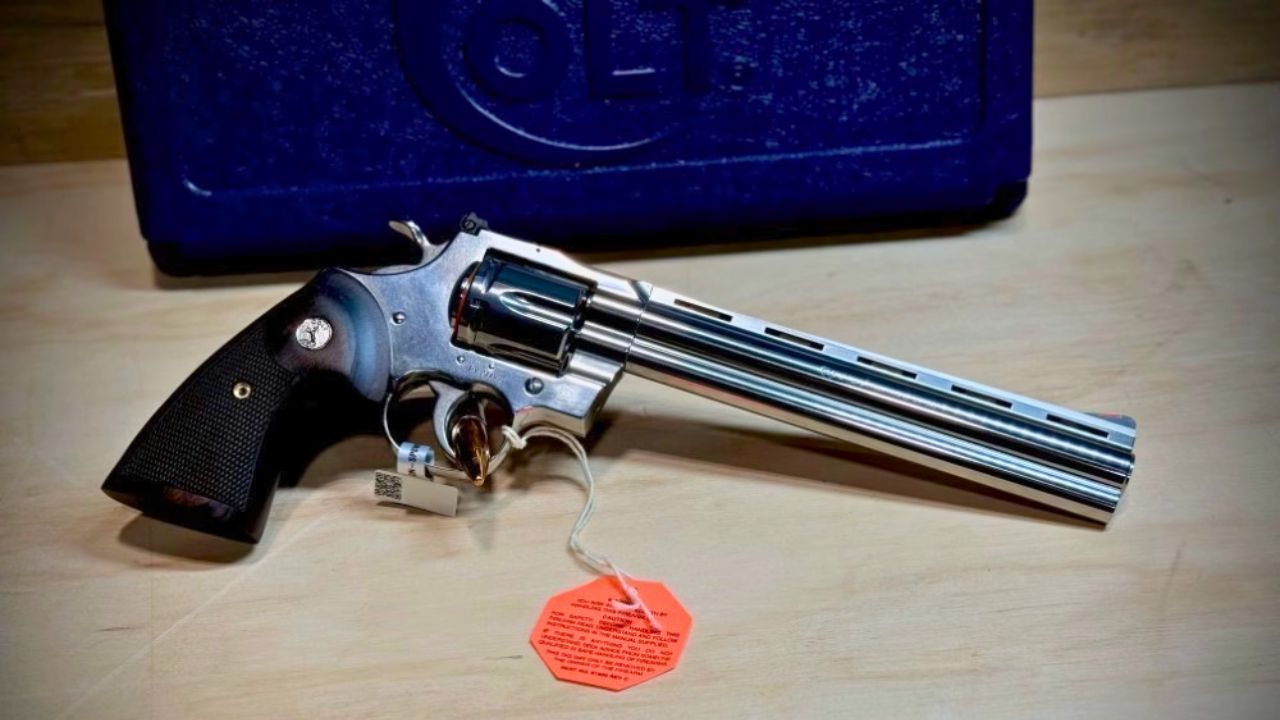
American Rifleman says the Python was “from the get-go a premium revolver,” and that is an important distinction. This was not a plain revolver that later became collectible because people romanticized it. Colt launched it as a premium product with select walnut stocks, adjustable sights, and a polished presentation.
That matters because it changes how you understand the gun’s later reputation. The Python did not accidentally become prestigious. Prestige was part of the plan from the start.
6. It originally came in just one barrel length

A lot of people assume the Python launched with several barrel options because later Python history includes a wide spread of lengths. But American Rifleman’s Python primer says the revolver was initially available in a single 6-inch barrel length. Only later did the line expand across multiple barrel lengths, eventually from 2½ inches to 8 inches.
That is a fun detail because it reminds you that even legendary models usually grow into their full lineup over time. The classic Python family people remember did not appear all at once.
7. The barrel rifling twist and bore treatment were part of the accuracy story

American Rifleman’s Python primer notes that the barrel used a 1:14-inch rifling twist and that the bore was slightly tapered toward the muzzle, a detail the article ties to the revolver’s accuracy reputation.
That is one of those little facts many casual Python fans never hear. They know the gun is supposed to be accurate, but they do not always hear about the actual barrel details that helped build that reputation.
8. Early barrel lugs were hollow
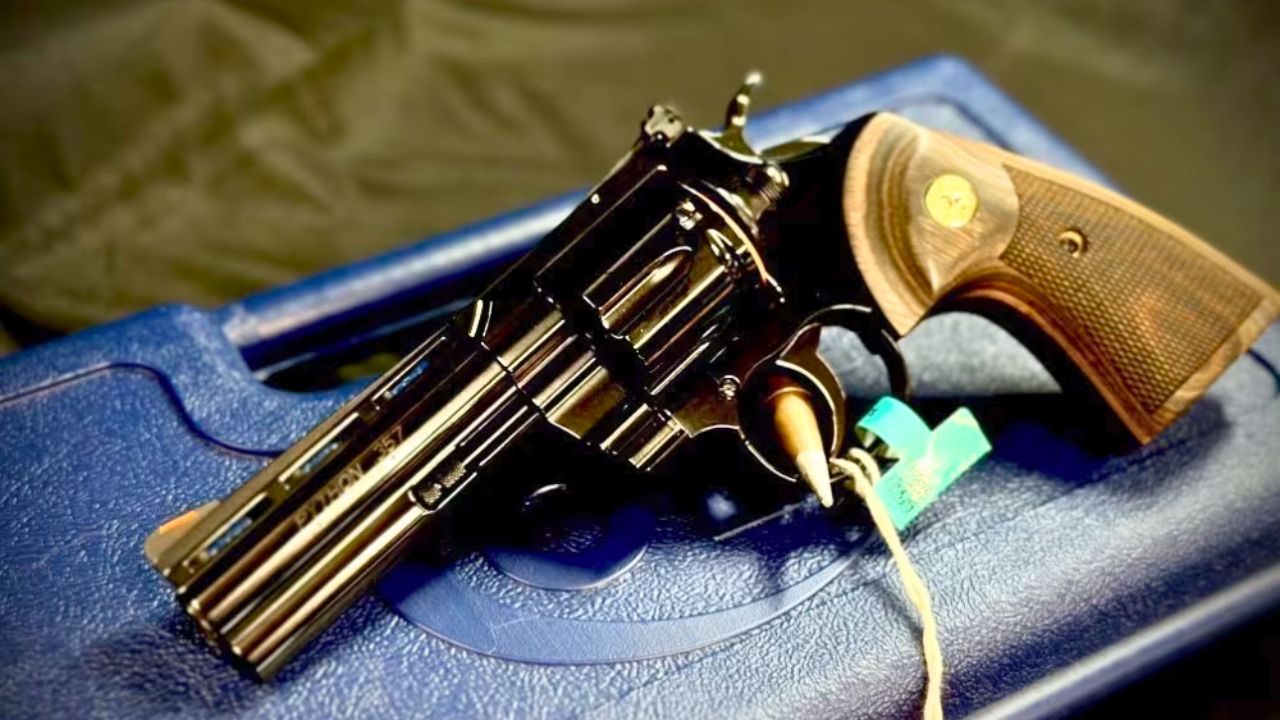
This is the kind of Python detail collectors love and most casual shooters never hear. American Rifleman says the original barrel lugs were hollow to reduce weight, and that later production left them solid.
That kind of detail matters because it shows the Python was not one frozen design. Colt changed things along the way, and some of those changes became part of how enthusiasts date and evaluate different production eras.
9. The Python became the best-known Colt “snake gun,” but it was part of a bigger family
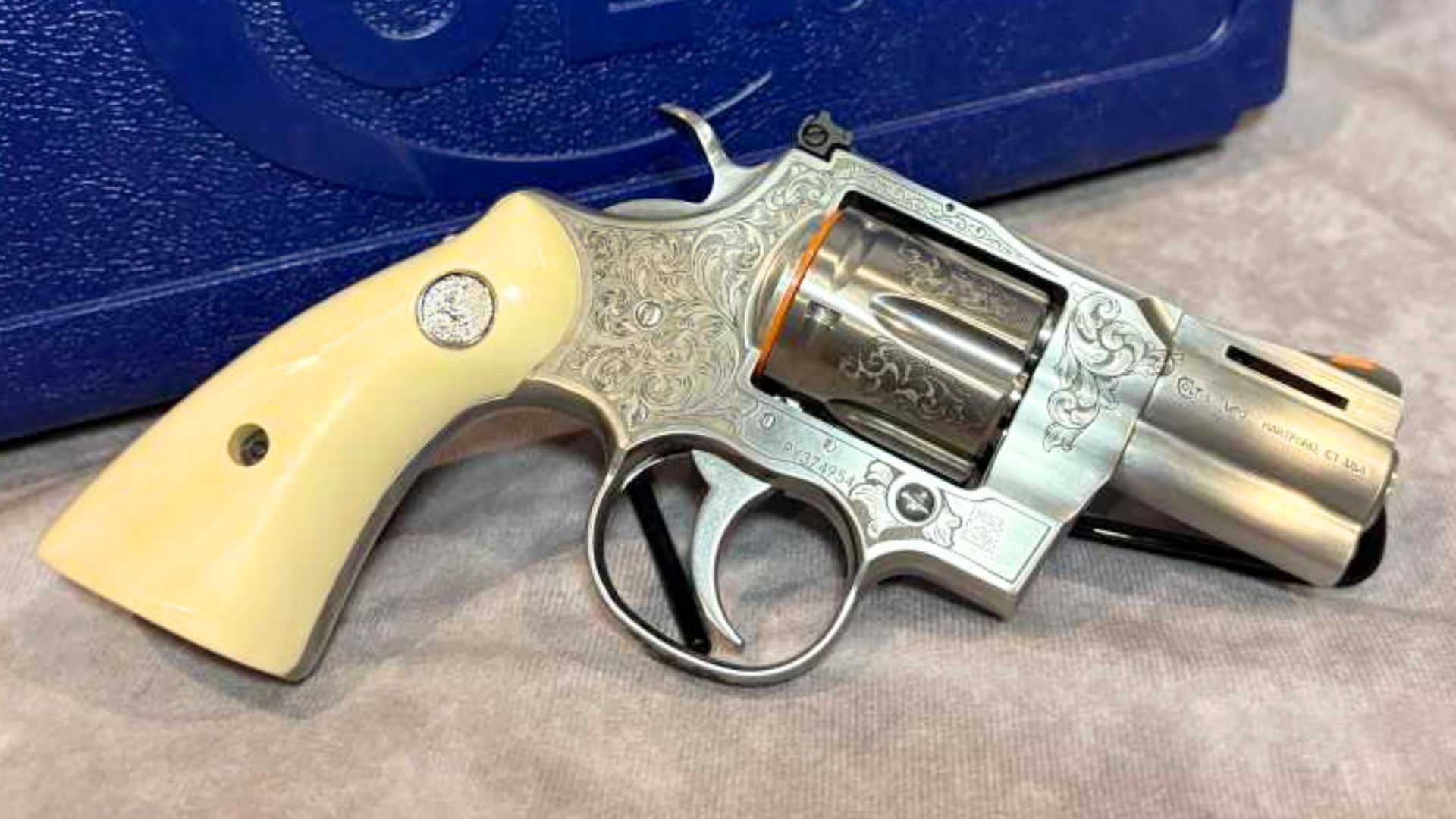
The Python tends to dominate the conversation so heavily that people forget it lived inside a larger Colt “snake gun” world. American Rifleman’s snake-gun overview lists a family including the Python, Diamondback, Cobra, Anaconda, King Cobra, Boa, and Viper.
That is useful context because it helps explain why the Python name carries so much emotional weight. It was not just a revolver. It became the flagship identity in one of the most beloved revolver naming families Colt ever built.
10. The original Python disappeared long before the new one came back
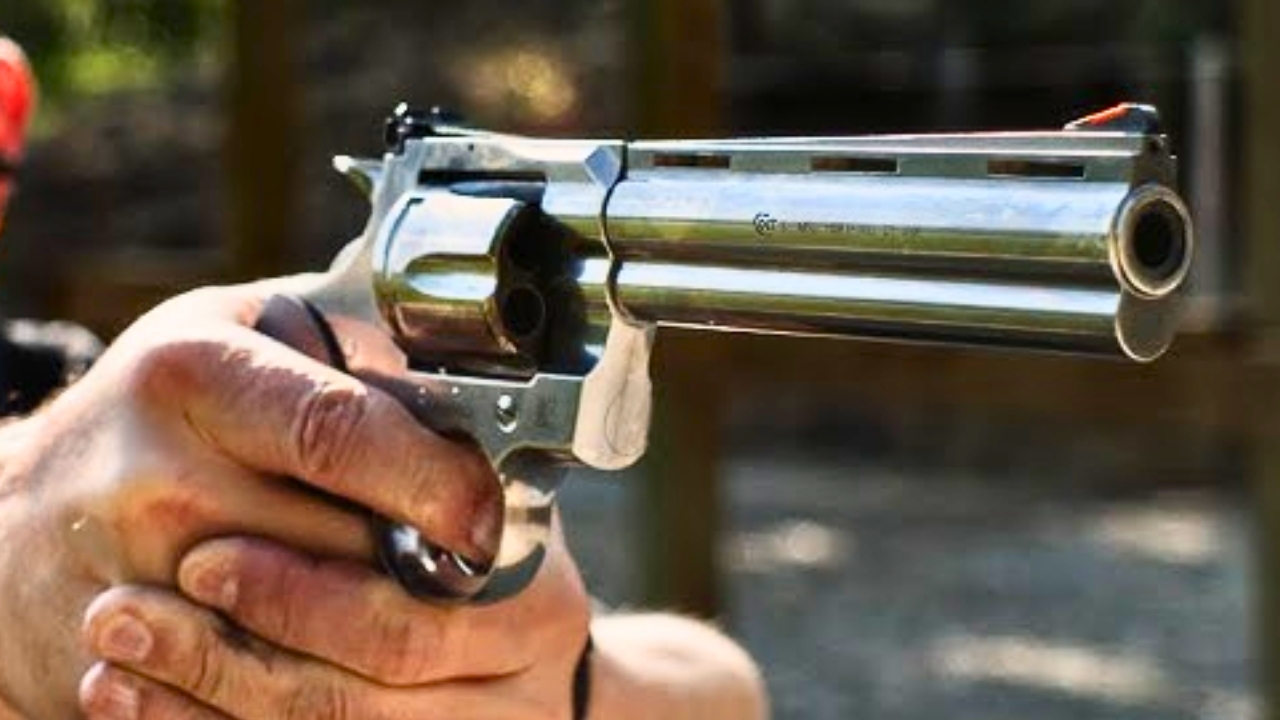
A lot of newer shooters know the 2020 Python and assume the gun had simply stayed in continuous production until then. It did not. The new-production Python got massive attention in 2020 precisely because the original gun had been gone for years and demand had been building. Shooting Illustrated’s 2020 coverage describes the relaunch as the return of the most famous Colt snake gun after long anticipation.
That gap is part of why the Python market got so hot. Scarcity plus reputation plus Colt nostalgia is a very strong recipe.
11. The 2020 return kept the classic look on purpose
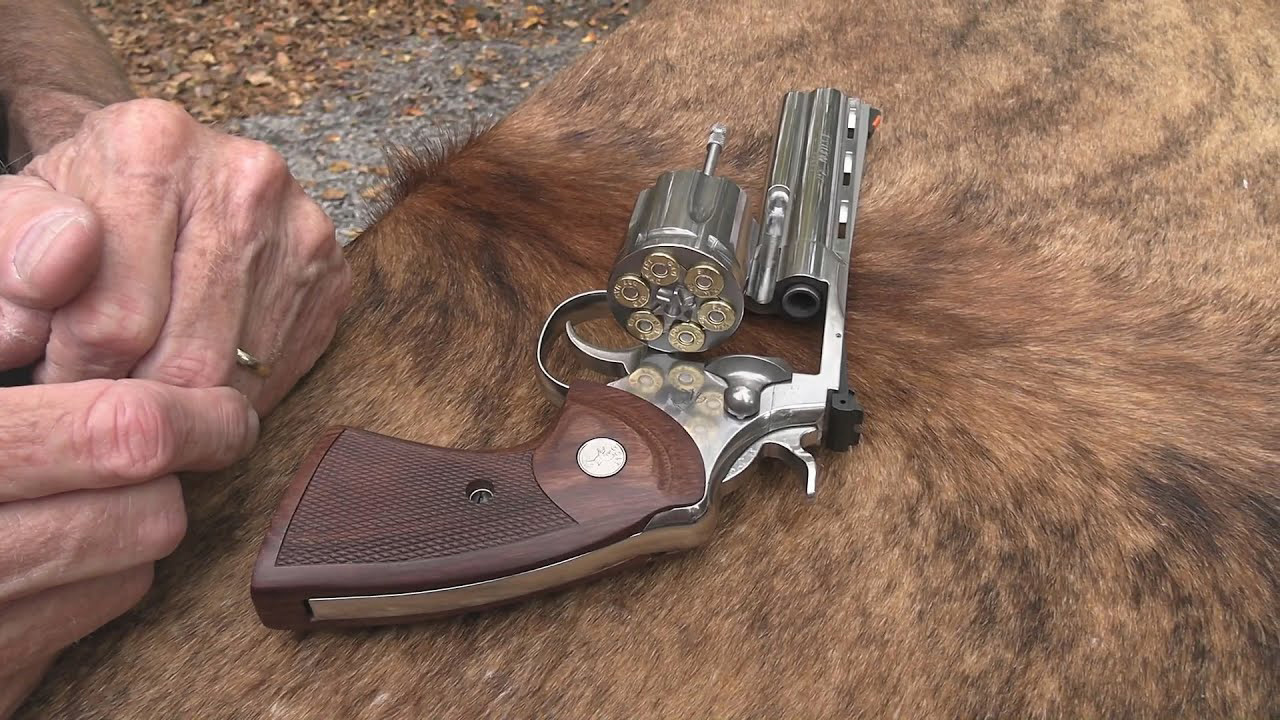
When Colt brought the Python back in 2020, it did not try to completely reinvent the visual formula. Shooting Illustrated said the relaunched gun kept the vented barrel rib, full underlug, and walnut stocks, while American Rifleman’s 2020 review also describes the same recognizable barrel shape and rib arrangement.
That was smart. The Python’s appearance is half the magic. Colt clearly understood that if the gun came back looking too different, a lot of what made it a Python in people’s minds would have been lost.
12. The blued Python did not return immediately with the 2020 relaunch

A lot of people think the 2020 return brought back every classic Python form at once. It did not. American Rifleman’s 2024 coverage of the blued version frames it as the return of the blued Python, which tells you the early relaunched versions were not immediately offering that traditional blue finish.
That matters because the blued finish is such a huge part of the Python’s collector aura. The stainless relaunch mattered, but for many enthusiasts the gun never felt fully “back” until the blue version returned too.
13. The reintroduced Python expanded quickly with a 4.25-inch version
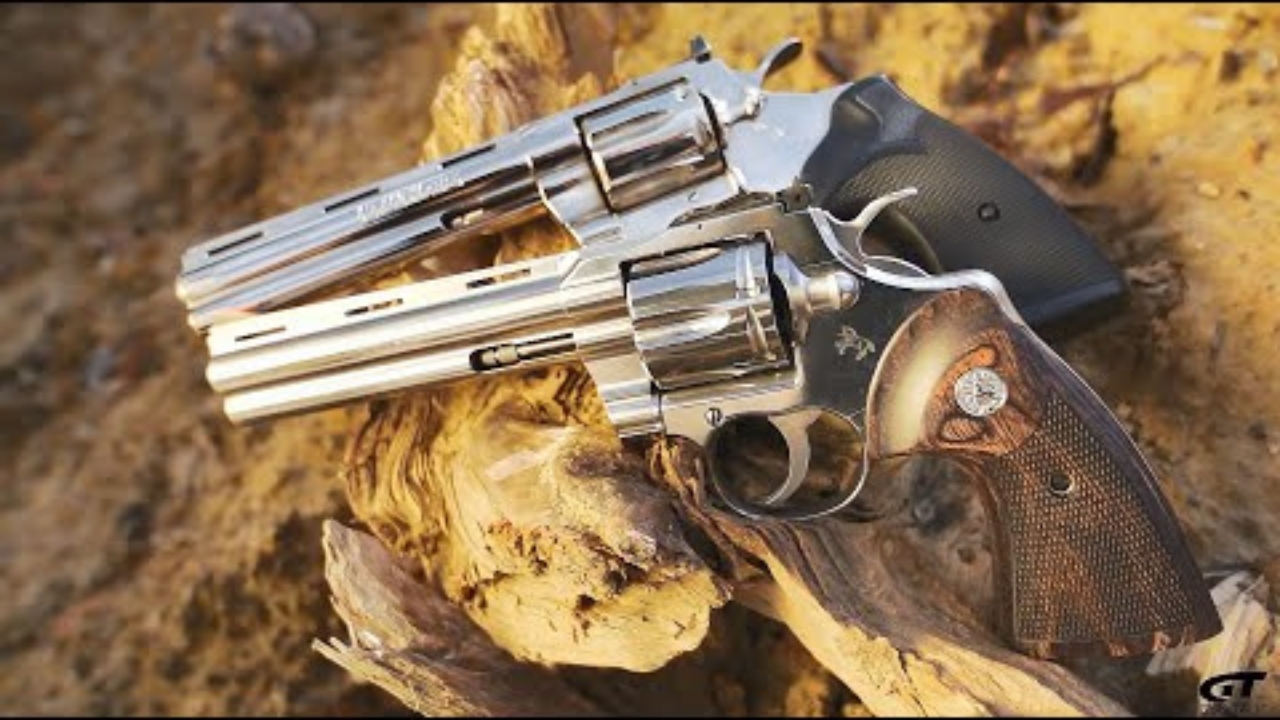
Once the Python returned, Colt did not keep it limited to one barrel length. Shooting Illustrated’s 2020 new-pistols roundup notes that Colt added a 4.25-inch Python alongside the 6-inch version not long after the relaunch.
That is a nice reminder that the modern Python is not just a retro display piece. Colt clearly intended it to work as an actual product line with different configurations, not as a one-off nostalgia drop.
14. The Python’s style has always been one of its strongest selling points

Python fans love to talk about action feel and accuracy, and those things matter, but American Rifleman’s 2020 review says outright that the most appealing aspect of the Python was its style, much of it centered in the barrel design and overall look.
That is worth saying out loud because sometimes gun culture acts like admiring looks is somehow shallow. With the Python, style was part of the product from day one. It was built to shoot, but it was also built to impress.
15. The Python’s biggest surprise may be that it survived long enough to become two different legends
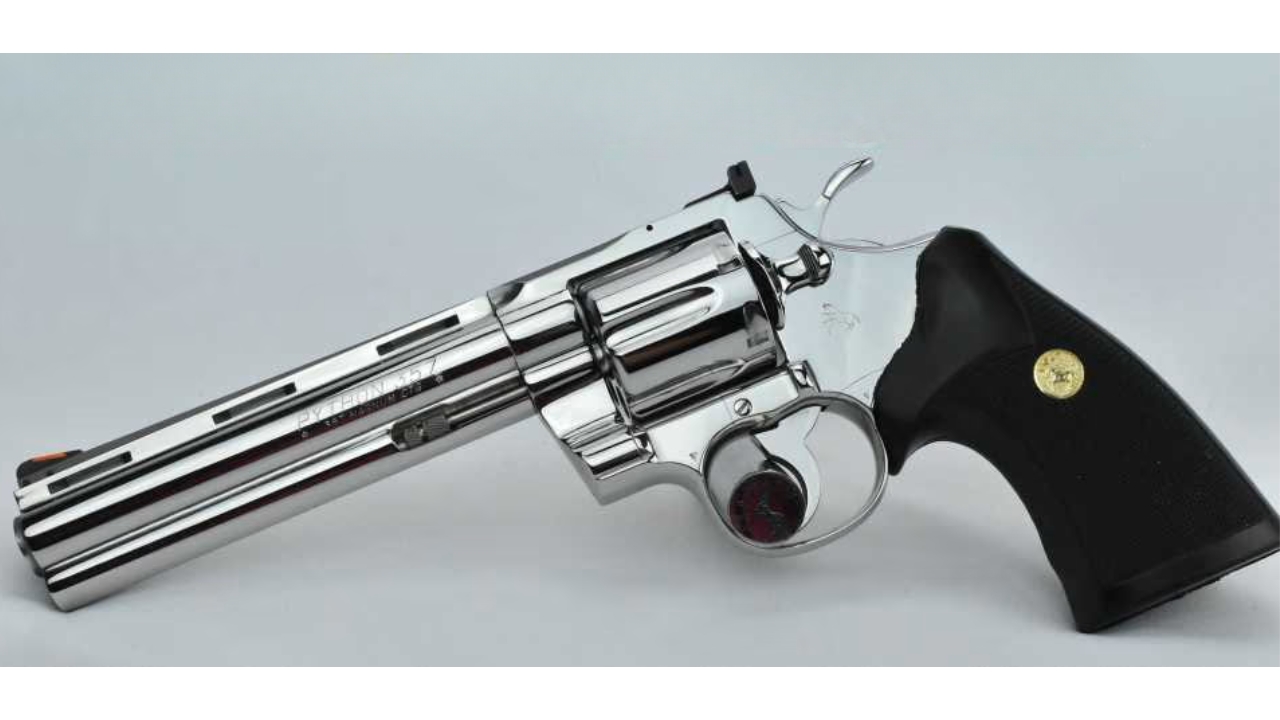
The original Python became legendary as one of Colt’s finest premium revolvers. Then the gun disappeared, became a grail-gun collector item, and came back in 2020 as a new-production legend for a different generation. That is a strange and pretty rare arc for any handgun.
Most guns get one golden age. The Python got at least two: the original 1955-to-classic-collector era, and the modern revival era where Colt proved the name still had enormous pull. That may be the most surprising Python fact of all.
Like The Avid Outdoorsman’s content? Subscribe to our newsletter so you never miss an article.
Here’s more from us: