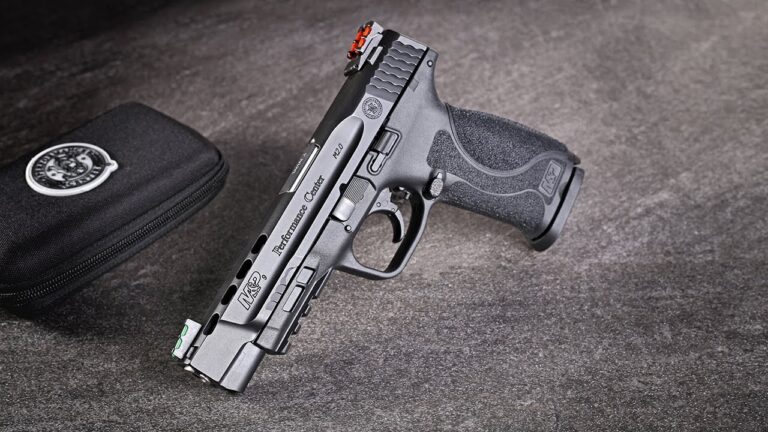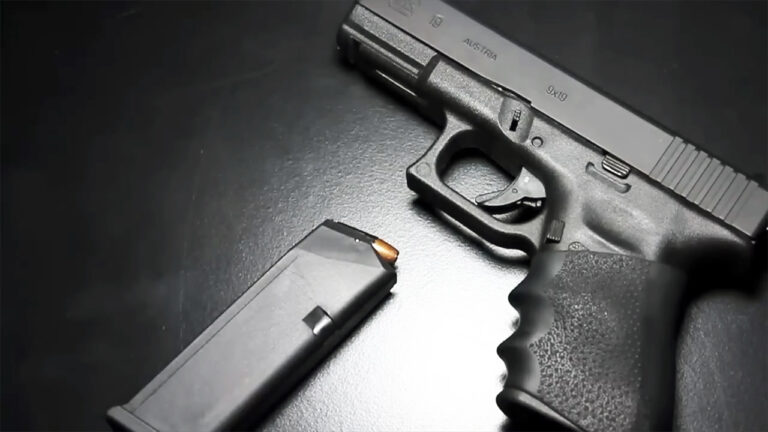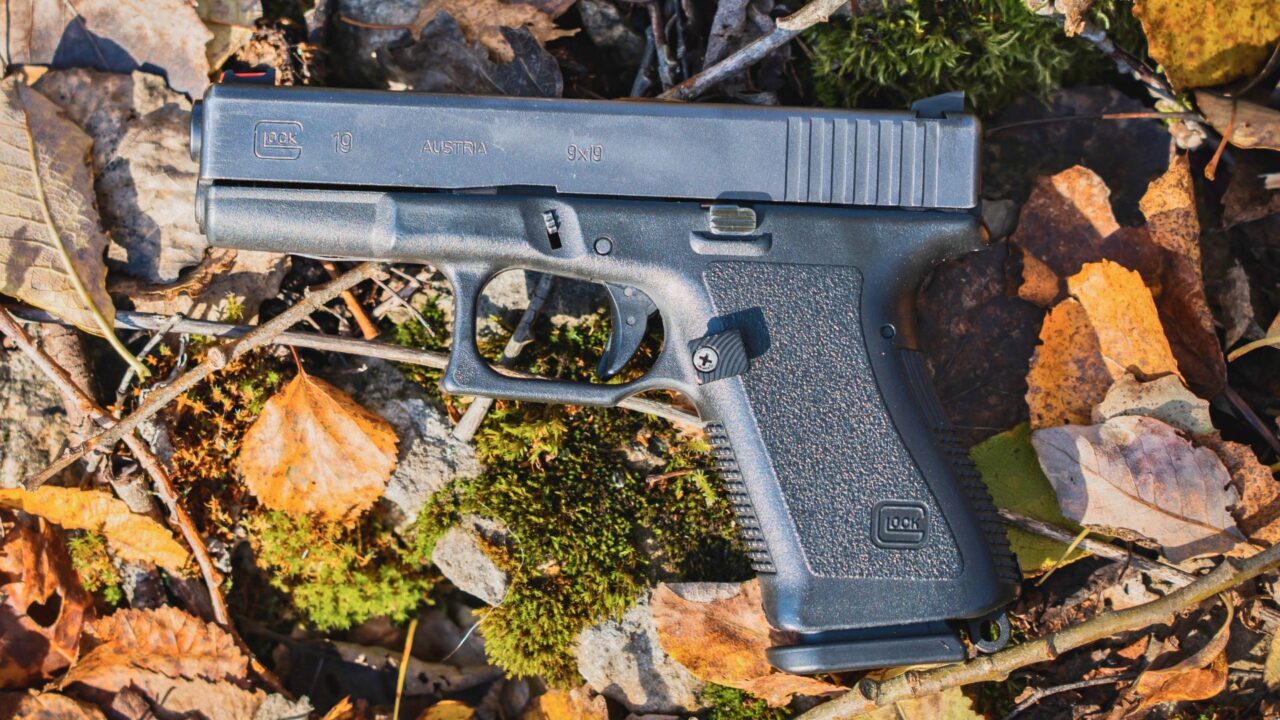
Photo credit: Dmitri T/Shutterstock.com
The Glock 19 did not become important because it was fancy. It became important because it solved a boring but serious problem better than almost anything else: shooters wanted a pistol that was big enough to fight with, small enough to carry, simple enough to maintain, and reliable enough to trust.
That balance is why the Glock 19 shaped so much of the modern handgun market. Glock lists the current Gen5 Glock 19 as a compact 9mm with a 4.02-inch barrel, 15-round standard magazine capacity, and the same basic Safe Action system that has helped define the brand for decades. Those numbers may look normal now, but that is part of the point. The Glock 19 helped make that size, capacity, and role feel like the default standard for a serious do-everything handgun.
1. It Made the Compact 9mm the Default Answer

Before the Glock 19 became the easy recommendation, shooters often had to pick between full-size duty pistols and smaller guns that gave up more shootability than they wanted. The Glock 19 landed in the middle and made that middle ground feel normal. It was compact, but not tiny. Easy to carry, but still serious enough for duty-style use.
That changed the way people judged handguns. A compact 9mm could be more than a compromise. It could be the main pistol. The Glock 19 helped prove that a handgun did not need to be full-size to be capable, and it did not need to be tiny to be practical for concealed carry. That balance became the model everyone else had to answer.
2. It Helped Normalize Polymer Frames
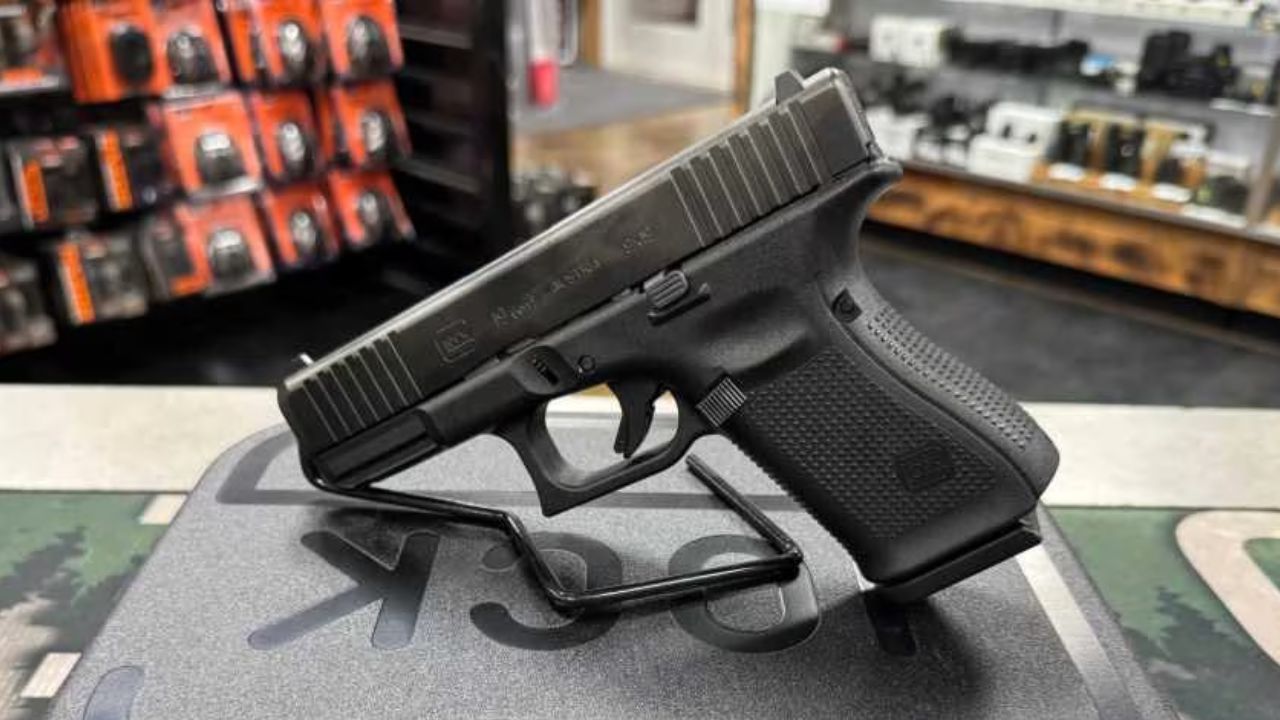
Polymer-framed pistols were not always taken seriously by everybody. Early on, plenty of shooters viewed them as cheap, strange, or too different from steel and aluminum-framed handguns. Glock changed that conversation, and the Glock 19 played a big part because it put polymer into a practical size that regular shooters could carry and use hard.
Once enough people saw Glock pistols running reliably, the old complaints started losing steam. Polymer was lighter, resistant to corrosion, and easier to manufacture consistently. Today, polymer-framed pistols are everywhere. The Glock 19 did not create that trend alone, but it helped make it mainstream.
3. It Set the Standard for Size-to-Capacity Balance

The Glock 19’s 15-round standard magazine became one of its biggest strengths. Fifteen rounds of 9mm in a pistol that could be concealed by normal people was a strong deal when it arrived, and it still holds up well today. Glock still lists the Gen5 G19 with a standard 15-round magazine and optional larger magazine capacities. (glock.com)
That capacity became part of how shooters judged compact pistols. If a new handgun was roughly Glock 19-sized but held fewer rounds, people noticed. If it held more, people compared everything else against the Glock anyway. The G19 became a measuring stick, and capacity was a major reason why.
4. It Made Simplicity a Selling Point

A lot of handguns before and after the Glock 19 leaned on external safeties, decockers, exposed hammers, complicated takedown steps, or controls that required more explanation. Glock went the other direction. The Glock 19 was simple to load, simple to shoot, simple to fieldstrip, and simple to maintain.
That changed what a lot of buyers expected. Simplicity stopped feeling like a lack of sophistication and started feeling like a serious advantage. Modern handguns are often judged by how easy they are to run under stress, clean after a range trip, and teach to a new shooter. The Glock 19 helped make that a priority.
5. It Pushed Striker-Fired Pistols Into the Mainstream

Striker-fired pistols are so common now that it is easy to forget how much the market changed. The Glock 19 helped make the striker-fired, consistent-trigger-pull handgun feel normal for defensive use, law enforcement, and concealed carry. Shooters no longer had to transition from a heavy double-action first shot to lighter single-action follow-up shots.
That consistency mattered. The trigger was not match-grade, but it was predictable. Every shot worked the same way, and that made training simpler. Other manufacturers clearly noticed. Today, striker-fired 9mm pistols dominate large parts of the handgun market, and the Glock 19 helped pave that road.
6. It Became the Yardstick for Reliability

The Glock 19 earned a reputation for running in rough conditions, with high round counts, and under the kind of casual neglect that regular people sometimes give their guns. That reputation became one of its strongest selling points. Shooters may argue about grip angle, trigger feel, sights, and looks, but the reliability reputation is hard to ignore.
That changed the standard for defensive pistols. A modern handgun is expected to run clean, dirty, hot, cold, and with a wide range of defensive and training ammunition. The Glock 19 helped make that expectation normal. If a newer pistol cannot match that kind of trust, shooters start asking questions fast.
7. It Made Aftermarket Support Part of the Buying Decision

The Glock 19 has one of the strongest aftermarket ecosystems in the handgun world. Sights, triggers, barrels, slides, frames, holsters, magazine extensions, optic cuts, internal parts, stippling, and nearly every other upgrade imaginable exist for it. That did more than help Glock owners tinker. It changed how people evaluate pistols.
Buyers now think about support before they buy. Can they find holsters? Can they find magazines? Are sights easy to replace? Are parts available? Can a gunsmith work on it? The Glock 19 helped prove that a pistol is more useful when the entire support system around it is strong.
8. It Changed Holster Availability Expectations

One practical reason the Glock 19 became so common is that holsters were everywhere. Inside-the-waistband, outside-the-waistband, duty rigs, appendix holsters, light-bearing holsters, competition rigs, concealment options, leather, Kydex, hybrid — if someone made holsters, they almost certainly made one for the Glock 19.
That mattered for concealed carry. A great pistol with poor holster support is a pain to live with. The Glock 19 helped train buyers to expect immediate gear availability. Today, when a new pistol launches, people start asking about holsters right away. That is partly because guns like the Glock 19 showed how much good support matters.
9. It Bridged Duty Use and Concealed Carry
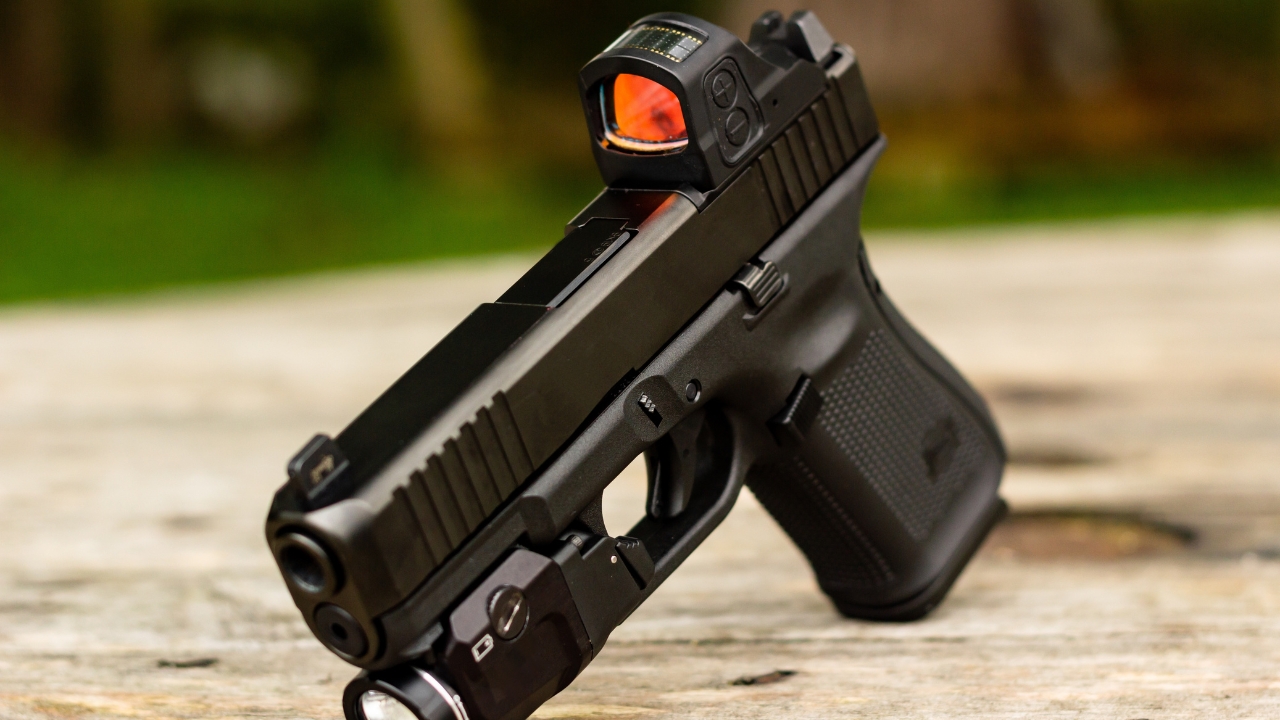
The Glock 19’s real strength is that it can live in several roles without feeling badly misplaced. It can work as a concealed carry gun, home-defense pistol, training gun, backup duty-style pistol, or general-purpose range gun. It may not be perfect for every role, but it is rarely useless.
That versatility shaped the market. Other companies started chasing the same “do-everything compact” formula because shooters clearly wanted one pistol that could cover more ground. The Glock 19 made that idea normal. A handgun did not have to be specialized to be good. It could be balanced and still serious.
10. It Made 9mm Even More Dominant
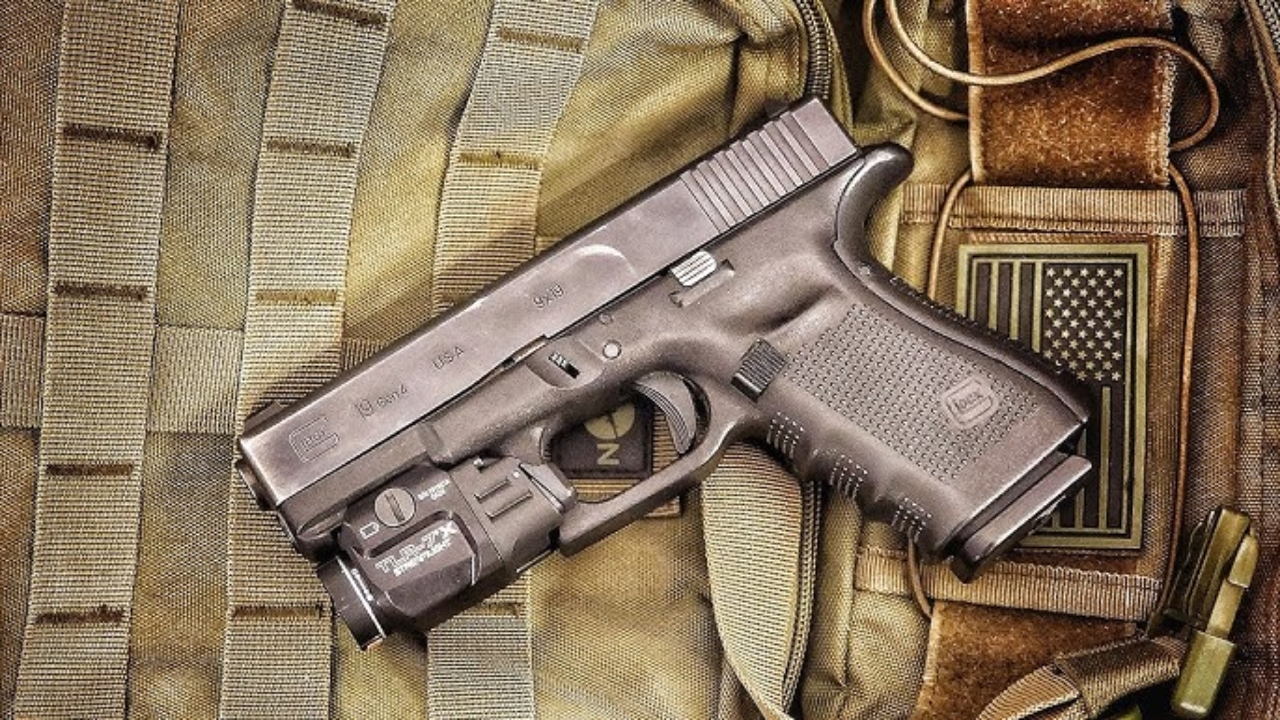
The Glock 19 helped reinforce 9mm as the practical defensive handgun cartridge for a huge number of shooters. Its capacity, controllability, size, and reliability made the cartridge look even better. A compact 9mm that held 15 rounds and shot comfortably made a strong argument against larger, heavier-recoiling options for everyday defensive use.
As ammunition improved, the 9mm’s advantages became even clearer. Lower recoil, higher capacity, easier practice, and broad availability all worked in the Glock 19’s favor. The pistol did not make 9mm popular by itself, but it absolutely helped cement it as the sensible choice for modern defensive handguns.
11. It Forced Competitors to Build Better Compacts

The Glock 19 became the pistol every other compact 9mm had to face. If a company released a compact carry gun, shooters compared it to the G19 immediately. Was it thinner? Did it hold as many rounds? Did it shoot as well? Was it as reliable? Were magazines affordable? Did it have decent holsters?
That pressure made the whole category stronger. Competitors had to offer better ergonomics, better sights, optics-ready options, improved triggers, modular grip systems, and more features to pull buyers away. Even shooters who do not like Glock benefited because the Glock 19 forced everyone else to work harder.
12. It Proved Boring Guns Can Win

The Glock 19 is not beautiful in the traditional sense. It is not polished, engraved, hand-fitted, or especially charming. It is a plain black polymer pistol with a reputation for doing what it is supposed to do. And that was enough to make it one of the most influential handguns of the modern era.
That changed how a lot of people thought about defensive guns. Looks mattered less. Proven function mattered more. Shooters started caring about whether a pistol could survive classes, carry sweat, poor weather, dusty range bags, and thousands of rounds. The Glock 19 helped make “boring but dependable” a compliment.
13. It Made Training Consistency Easier

The Glock lineup made it easier for shooters to train across multiple sizes with similar controls and feel. A person could run a Glock 17, Glock 19, Glock 26, or other Glock models without relearning the entire system. The Glock 19 often sat right in the center of that training ecosystem.
That consistency matters for defensive shooters. If your carry gun, home-defense gun, and training gun all work similarly, there is less confusion under stress. Other manufacturers now build families of pistols with similar controls and modular sizes for the same reason. Glock helped show how valuable that can be.
14. It Influenced Police and Civilian Carry at the Same Time

Some pistols become popular with civilians but never gain much serious institutional use. Others do well with agencies but feel too large or specialized for everyday carry. The Glock 19 crossed that line better than most. It was compact enough for concealed carry but capable enough for professional use.
That crossover gave it unusual credibility. Civilian shooters saw it as a serious fighting pistol, not a tiny compromise gun. Law enforcement users saw it as easier to carry than a full-size pistol while still offering useful capacity and control. That overlap helped shape the modern idea of a practical defensive handgun.
15. It Became the Baseline for a Serious Handgun

The Glock 19 shaped modern handguns because it became the baseline. Shooters may prefer something else, and plenty of modern pistols beat it in specific areas. Some have better factory sights. Some have better triggers. Some feel better in the hand. Some are thinner, more modular, or more optics-friendly from the start.
But the question still comes back to the Glock 19. Can the new gun match its reliability? Can it match its support? Can it carry as well? Can it shoot as well? Can it find magazines and holsters as easily? That is influence. The Glock 19 did not win by being exciting. It won by becoming the standard everyone else has to measure against.
Like The Avid Outdoorsman’s content? Be sure to follow us.
Here’s more from us: