Photo credit: Ultimate Reloader/Youtube
The Henry X Model did something that probably annoyed a few traditional lever-gun guys at first glance. It took the old lever-action format and gave it the kind of features modern shooters were already adding in their garages, shops, and custom builds. Black synthetic furniture, threaded barrels, fiber-optic sights, M-LOK, Picatinny rail sections, side loading gates, and optics-ready receivers were not exactly cowboy-era details.
But that was the whole point. The X Model did not replace the classic lever gun. It proved the lever gun still had room to grow. Henry’s Big Boy X Model, for example, combines a side loading gate with a removable tube magazine, synthetic furniture, sling mounting points, Picatinny and M-LOK accessory slots, fiber-optic sights, and a threaded barrel. That mix is what made the rifle feel modern without turning it into something else entirely.
1. It Made the Lever Gun Accessory-Friendly
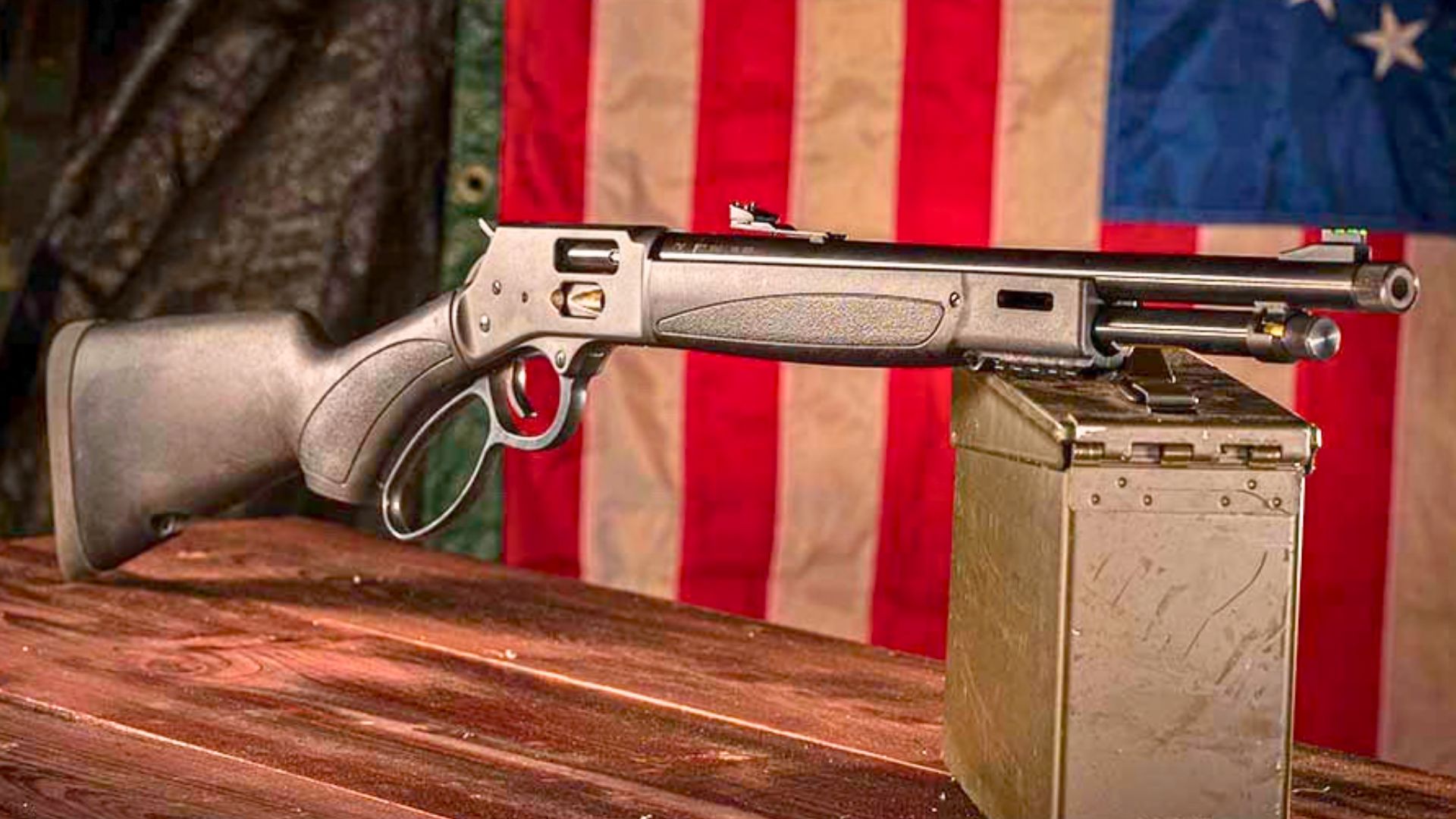
Older lever guns can be incredibly useful, but mounting modern gear on them has always been awkward. A light, sling, optic, or rail section usually required aftermarket parts, clunky mounts, or a setup that looked like somebody forced the rifle into a role it was not ready for. The X Model changed that by building accessory support into the rifle from the start.
That matters for real use. A rifle kept around the property, truck, camp, or cabin may need a light. A hunter may want a sling that does not feel like an afterthought. A shooter may want a red dot or low-power optic. The X Model made those things easier without needing a complete custom build.
2. It Brought M-LOK to the Lever-Action Crowd
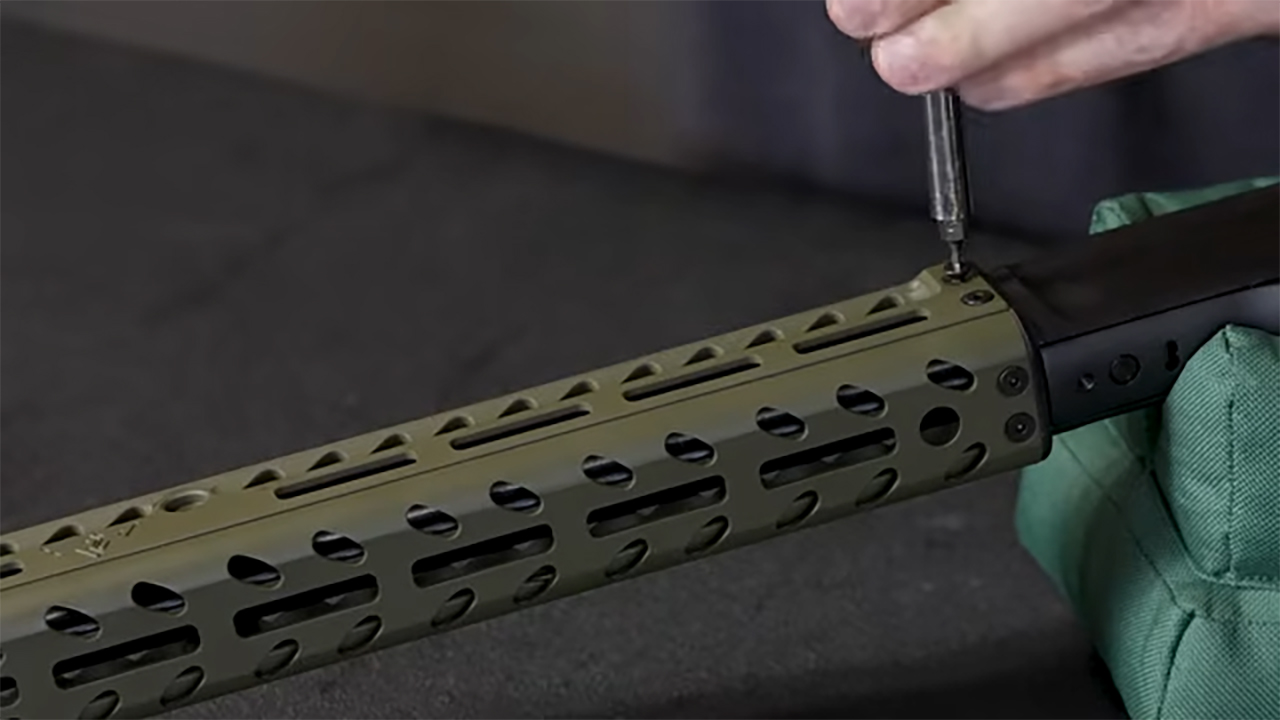
M-LOK on a lever gun would have sounded ridiculous to some shooters years ago. Now it makes plenty of sense. The X Model’s synthetic forend includes M-LOK accessory slots on models like the Big Boy X, giving shooters a clean way to attach lights, sling hardware, or other useful gear.
That is a practical change, not only a cosmetic one. Lever guns are still used in dark barns, around rural property, in thick woods, and as camp rifles. A solid light mount can make the rifle more useful after dark. M-LOK lets shooters add what they need without strapping on a bulky universal clamp that shifts around when the gun gets worked hard.
3. It Added Picatinny Where It Actually Helps
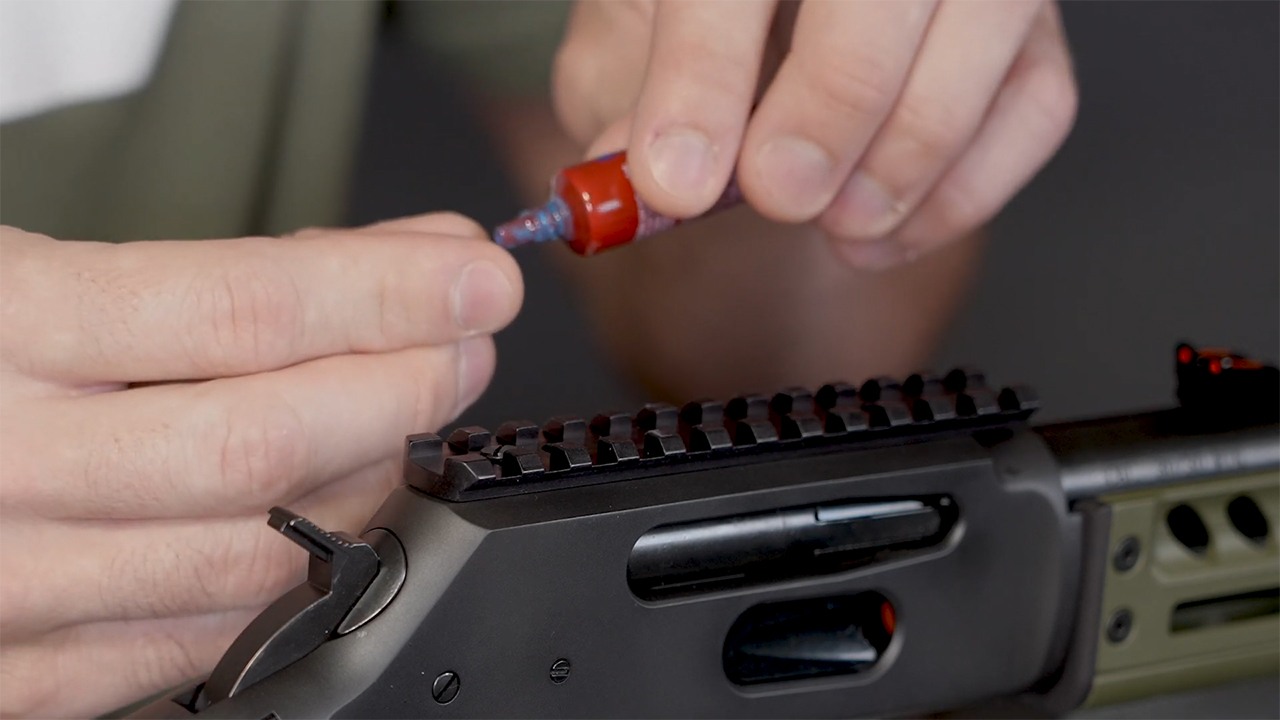
Picatinny rail sections can get overdone fast, but the X Model used them in a way that made sense. The forend setup on the Big Boy X includes Picatinny and M-LOK accessory slots, while X Model receivers are drilled and tapped for optics depending on the model.
That gives shooters options without forcing the rifle into one setup. A small rail section up front can hold a light. A receiver mount can hold a red dot, low-power scope, or ghost-ring setup. Instead of pretending lever guns should never wear modern gear, the X Model gave shooters a cleaner way to set the rifle up around the work they actually expect it to do.
4. It Made Threaded Barrels Feel Normal on Lever Guns
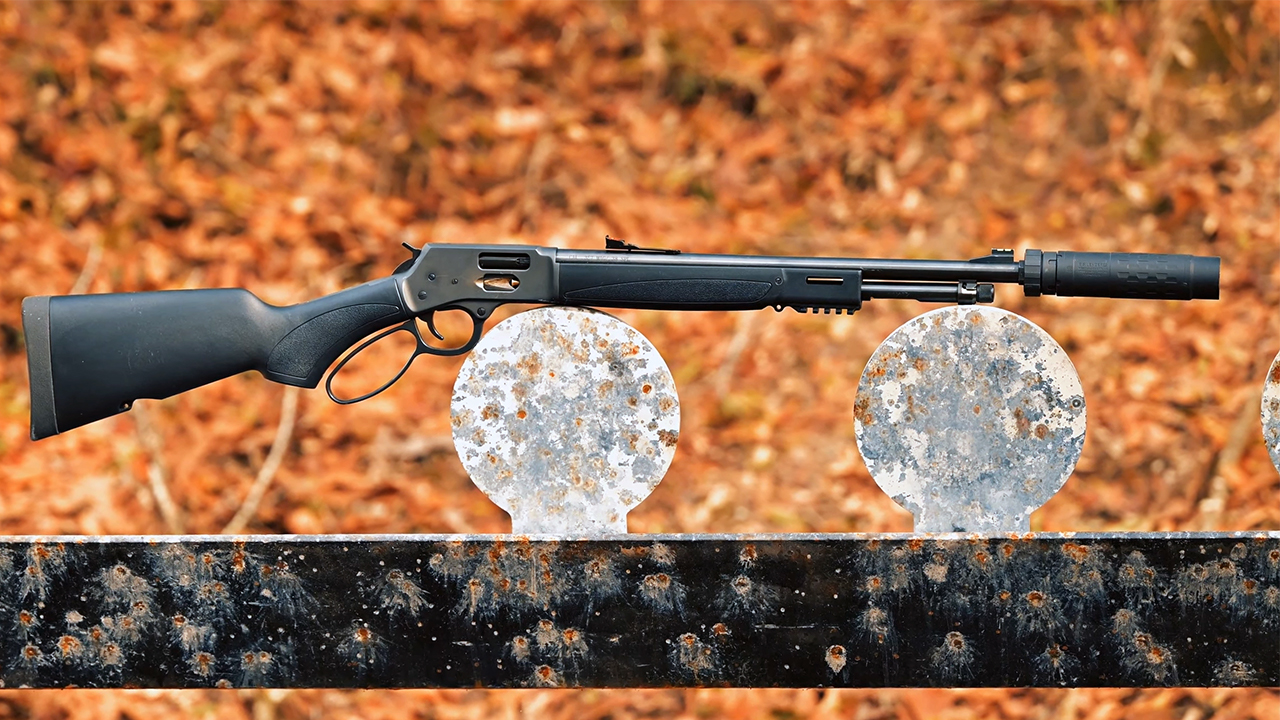
A threaded lever gun used to feel like a custom project. The X Model made it a factory feature. Henry’s .45-70 X Model uses a blued steel barrel with fiber-optic sights and a 5/8×24 threaded muzzle for a suppressor or other muzzle device, and the Big Boy X Model also includes a threaded barrel setup.
That opened the door for suppressor use, muzzle brakes, and other practical setups without sending the rifle off for extra work. For a pistol-caliber lever gun, especially in .357 Magnum/.38 Special or .44 Magnum/.44 Special, that makes a lot of sense. The X Model made the suppressed lever gun feel like a normal option instead of a niche project.
5. It Solved the Suppressor Loading Problem Better

Threading the muzzle is only part of the equation. On a tube-fed lever gun, loading and unloading from the front can get annoying fast with a suppressor attached. That is where the X Model’s side loading gate matters. Henry’s Big Boy X Model uses both a side loading gate and a removable tube magazine, which gives shooters more flexibility.
That combination is smarter than people sometimes realize. The removable tube still makes unloading convenient. The side gate lets you top off the rifle without messing with the front end. If a suppressor or muzzle device is installed, that becomes even more important. The X Model did not just add a threaded barrel for looks. It made the whole setup more usable.
6. It Kept the Tube Magazine’s Best Feature
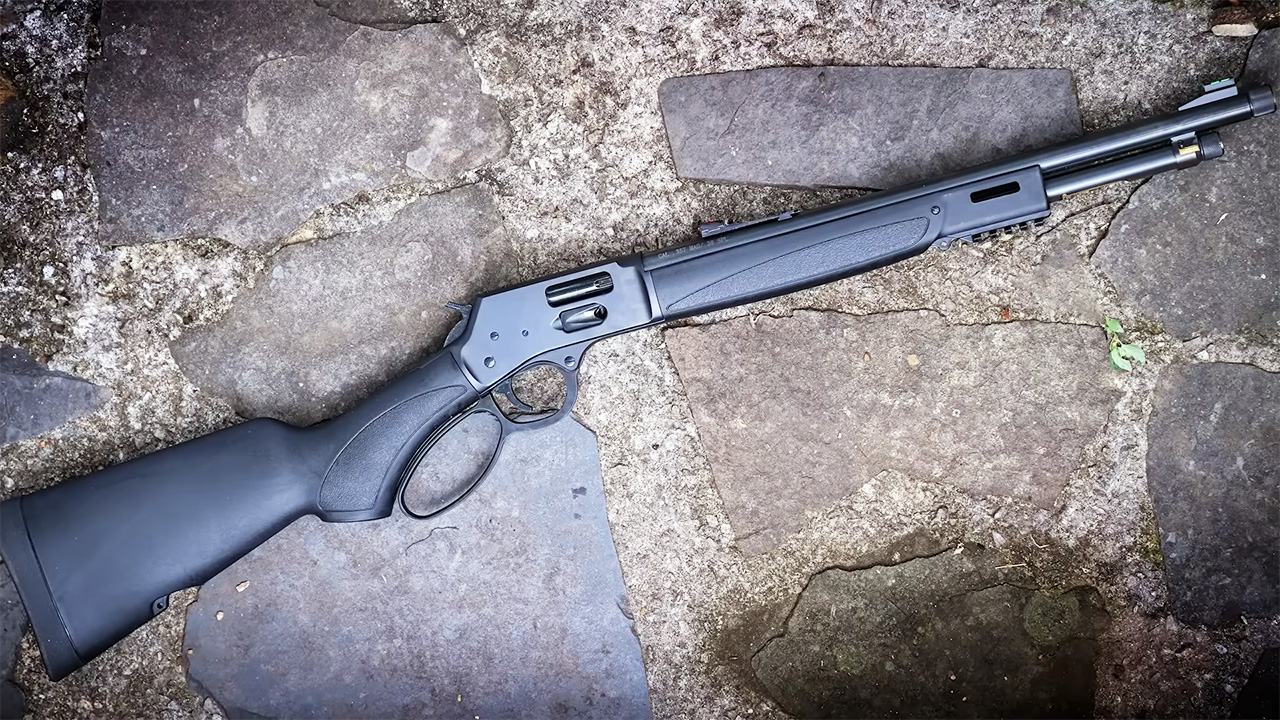
Some shooters talk about side loading gates like they should fully replace tube loading, but Henry’s setup keeps both. That is one of the X Model’s better details. The side gate helps with topping off, while the removable tube magazine remains handy for unloading the rifle without cycling every round through the action.
That is a practical modernization because it does not throw away what already worked. A side gate feels more traditional to a lot of lever-action shooters, but the tube system still has value. The X Model blended the two instead of forcing buyers to pick one. That kind of feature pairing is exactly why the rifle felt thought-out rather than slapped together.
7. It Made Synthetic Furniture Make Sense
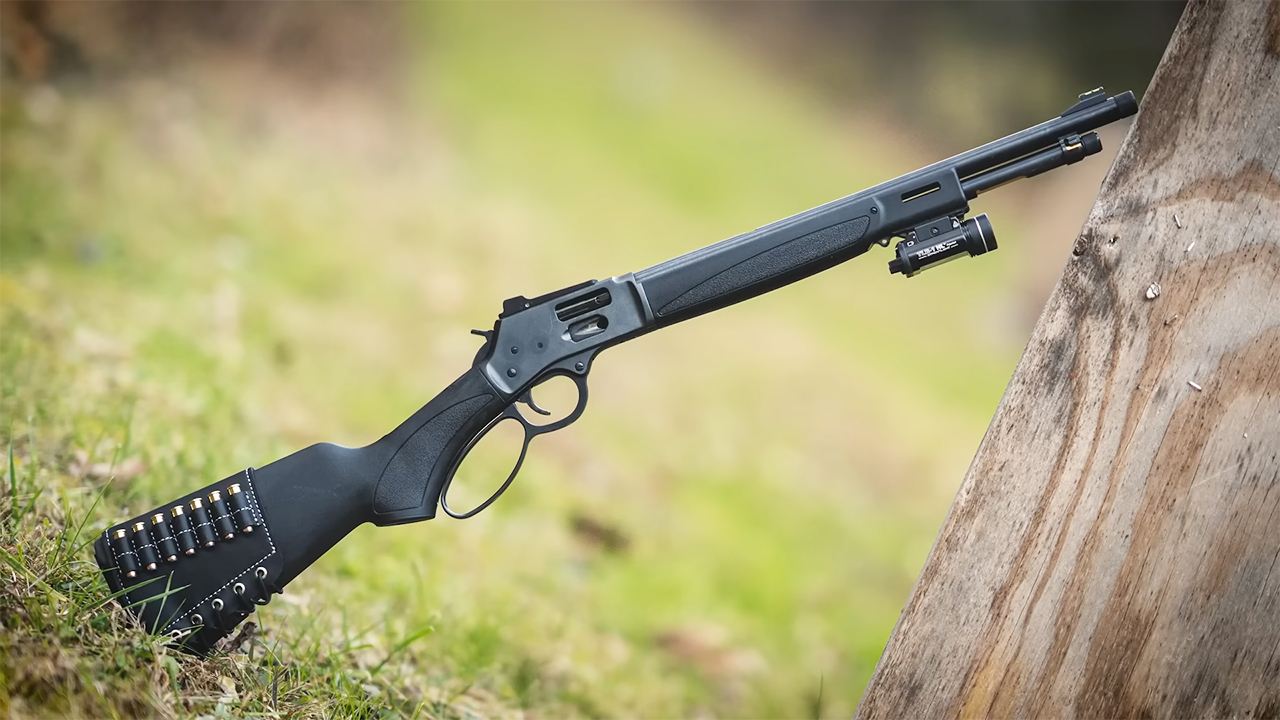
A lot of lever guns look best in walnut. Nobody needs to pretend otherwise. But wood is not always the best choice for a rifle that may ride in a truck, sit in a blind, get rained on, bounce around camp, or live near the back door. The X Model’s synthetic furniture gave shooters a tougher, less precious option.
That helped modernize the lever gun by changing how people felt about using it. A pretty wood-stocked rifle can make you careful. A black synthetic-stocked rifle feels more like something you can actually drag through weather and brush. It may not have the same old-school look, but it fits a working role very well.
8. It Made Lever Guns Easier to Use in Bad Weather

The synthetic furniture was not only about style. It made the rifle more practical in wet, muddy, cold, and rough conditions. Traditional lever guns can handle plenty of field use, but wood can swell, scratch, dent, or make owners hesitate when the forecast looks ugly.
The X Model leaned into bad-weather practicality. A black synthetic stock, rubber recoil pad, sling mounting points, and modern accessory support made the rifle feel like it belonged outdoors in rougher conditions. That is important for hunters and rural shooters who do not treat rifles like display pieces. A modern lever gun should be able to work when the weather turns mean.
9. It Made Lever Guns Better Around the Property
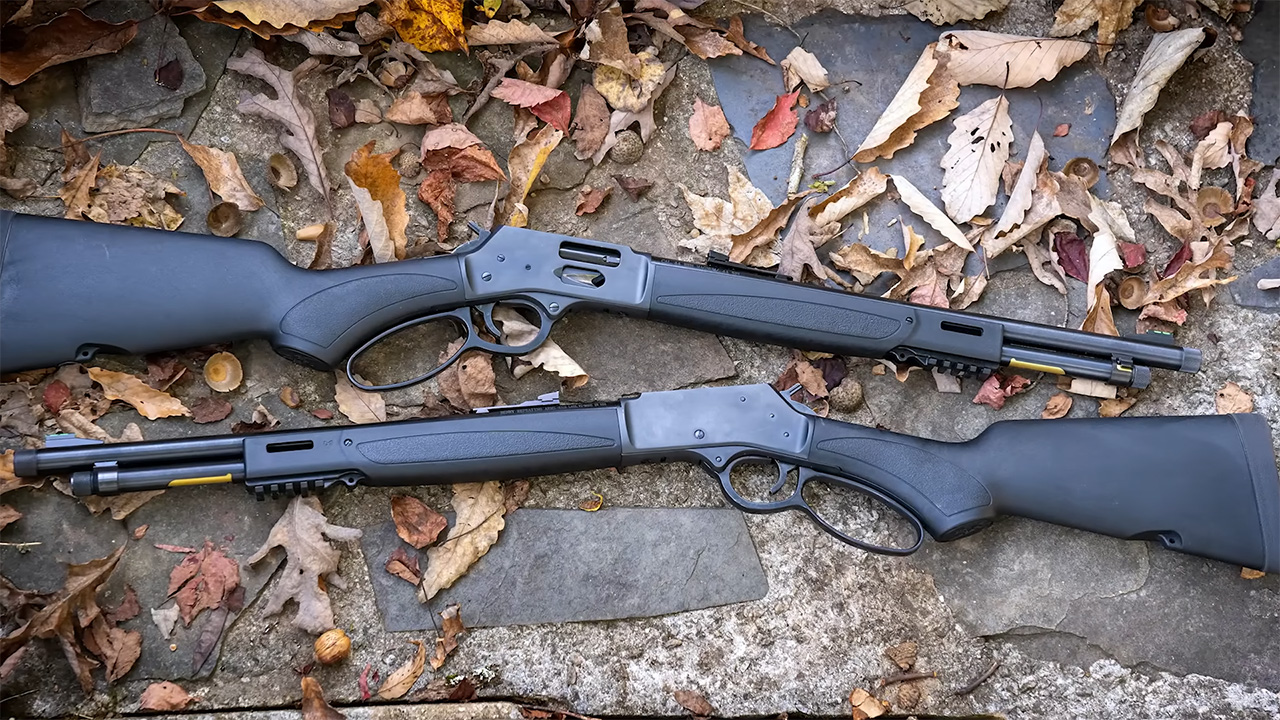
The X Model’s biggest strength may be how well it fits rural property use. A lever gun chambered in .357 Magnum, .44 Magnum, .30-30, or .45-70 can handle very different jobs depending on the model. Add a light, sling, optic, and threaded muzzle, and the rifle becomes much more useful around land, livestock, camp, or a back porch.
That is where the X Model feels less like a novelty. A traditional lever gun has always been handy. The X Model made that handiness more compatible with modern gear. For pests, predators, close-range hunting, camp defense, or general property work, that matters more than whether the rifle looks traditional enough for the lever-gun purists.
10. It Made Fiber-Optic Sights Standard on the Concept

The X Model line leans into fiber-optic sights, and that was a smart move. Henry describes the .45-70 X Model as using fiber-optic sights for quick target acquisition, and the Big Boy X also uses a fiber-optic sight setup.
That is a meaningful upgrade over the dim, hard-to-see irons some older rifles wear. Fiber optics are not perfect for every lighting condition, but they are fast, visible, and useful for hunting and defensive-style use. A modern lever gun should not make the shooter fight the sights. The X Model helped make better factory sight visibility part of the package.
11. It Opened the Door for Red Dots and Low-Power Optics
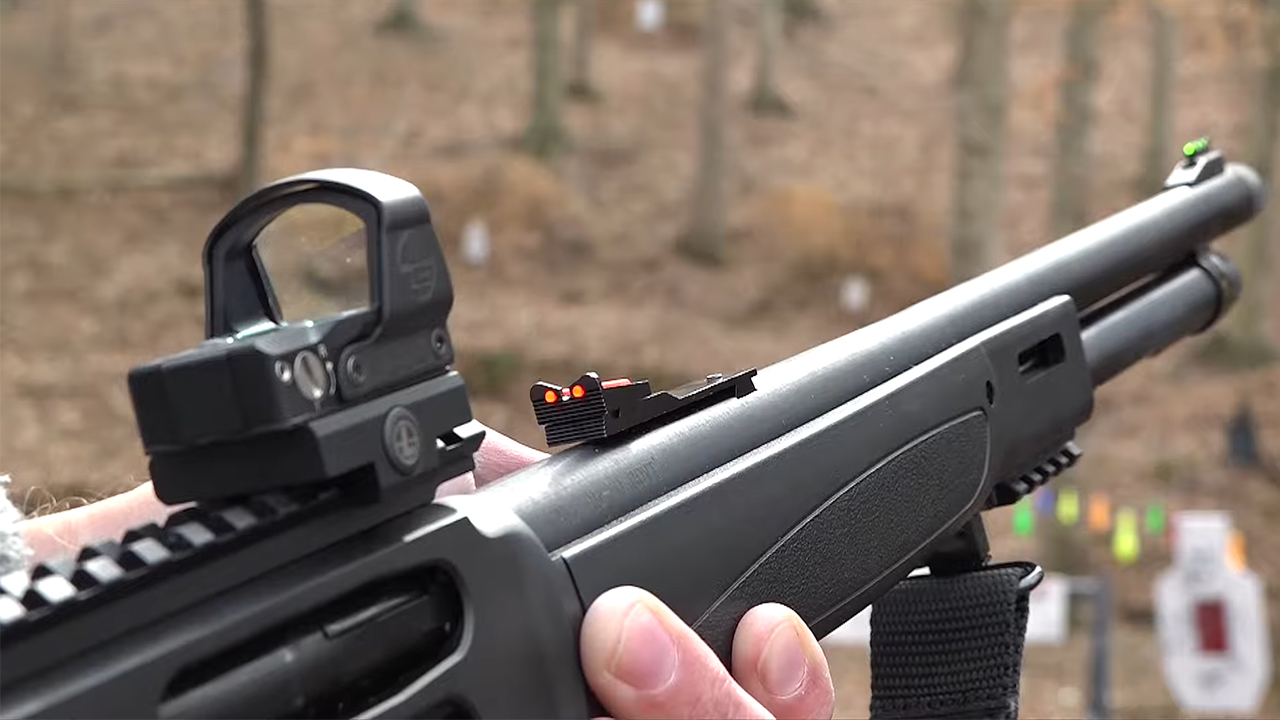
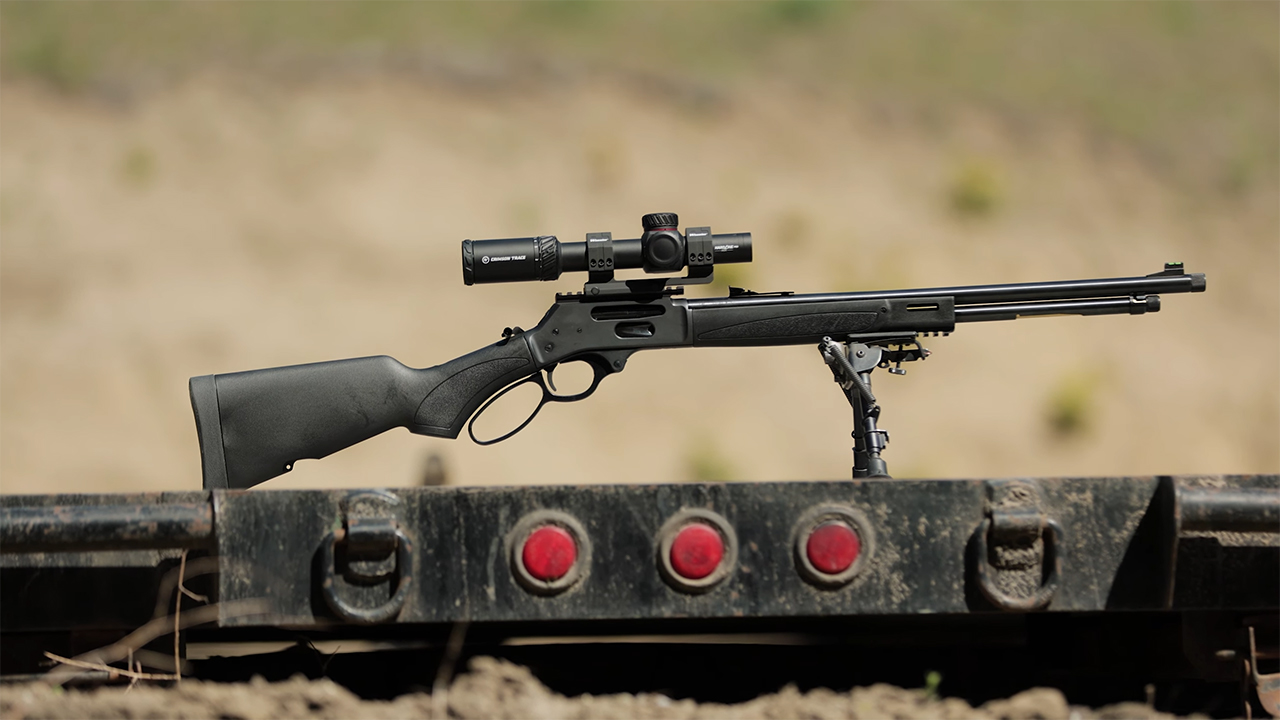
Lever guns and optics can be a touchy subject with traditionalists, but a red dot or low-power scope makes a lot of sense on a modern working rifle. Henry notes that X Model receivers are drilled and tapped to accept optics, giving shooters a cleaner path to glass or a dot.
That changed how some buyers looked at lever guns. A red dot can make close-range shots faster, especially in poor light. A low-power optic can help with hunting, aging eyes, or stretching a cartridge like .30-30 to reasonable field distances. The X Model made optics feel like part of the design instead of a guilty add-on.
12. It Made the Large Loop More Practical

The large loop lever is one of those features people either like or roll their eyes at. On the X Model, it fits the job. More room inside the loop helps when shooting with gloves, especially in cold weather or hunting conditions. American Hunter noted that the .45-70 X Model’s lever loop is opened up and rounded more than standard loops, giving more room for gloved hands and a gentler surface for bare knuckles.
That kind of detail matters on a rifle meant to be used outside. A lever gun should cycle cleanly when your hands are cold, wet, or gloved. A large loop can be overdone, but when sized right, it gives the shooter a little more room to run the rifle without banging up their fingers.
13. It Proved Pistol-Caliber Lever Guns Could Be More Than Nostalgia
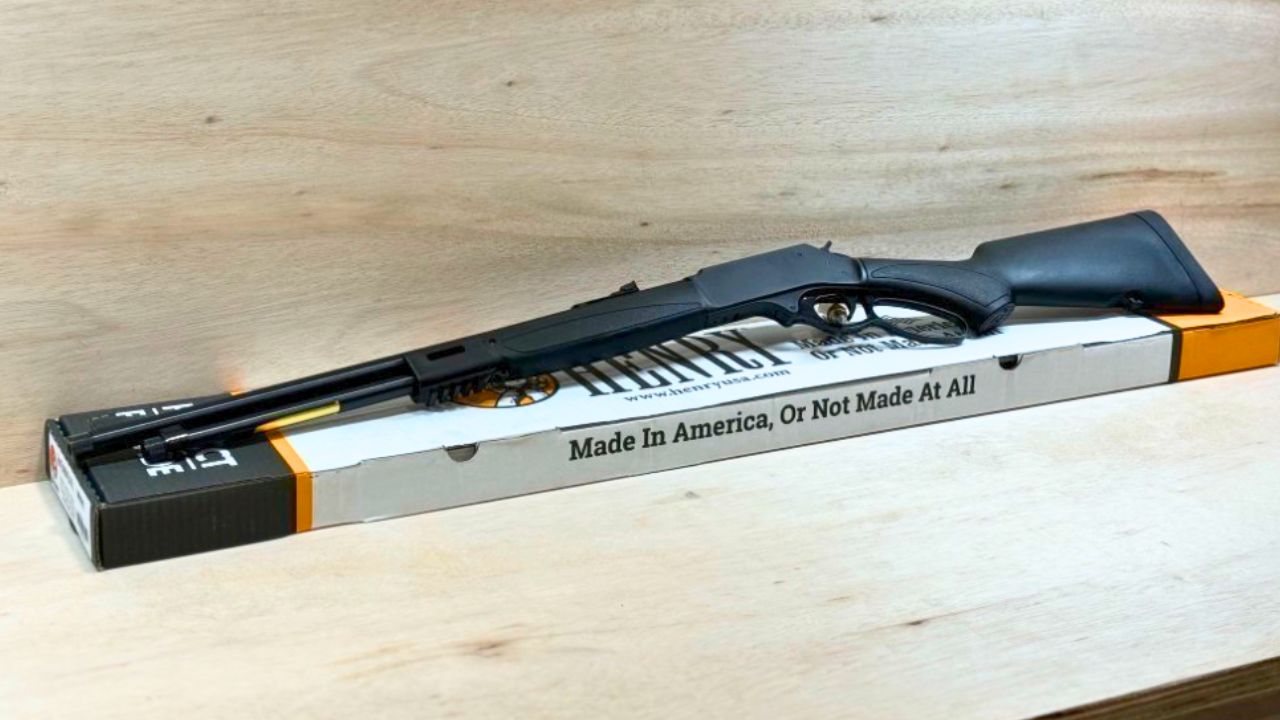
Pistol-caliber lever guns have always been fun, but the X Model made them feel more useful to modern shooters. A .357 Magnum/.38 Special or .44 Magnum/.44 Special lever gun with a threaded barrel, side gate, optic support, and light-mounting options becomes a practical tool, not only a range toy.
That is especially true with suppressors and subsonic loads where legal and appropriate. A pistol-caliber X Model can be quiet, handy, low-recoiling, and easy to shoot well. It gives the shooter a compact rifle that still feels different from an AR or bolt gun. The X Model helped remind people that pistol-caliber lever guns still have a strong lane.
14. It Kept Lever Guns Relevant in the AR Era

The X Model did not try to beat the AR at being an AR. That would have been silly. Instead, it gave lever guns enough modern capability to stay in the conversation. Lights, optics, suppressors, synthetic stocks, and sling mounting points are not only AR features. They are useful rifle features.
That distinction matters. Shooters are used to modular rifles now. They expect to tailor a gun to the job. The X Model brought some of that modular mindset to the lever-action world while keeping the lever gun’s handling and personality intact. That is how it modernized the category without losing the reason people liked lever guns in the first place.
15. It Showed Lever Guns Still Have Room to Grow

The biggest way the Henry X Model modernized lever guns is that it proved the design was not finished. A lever action does not have to stay locked in a sepia-toned version of the past. It can keep the fast handling, manual action, tube magazine, and classic feel while accepting modern sights, lights, suppressors, optics, and weather-ready furniture.
That is why the X Model mattered. It gave shooters a factory-built modern lever gun instead of making them piece one together from aftermarket parts. Some people will always prefer walnut and blued steel, and that is fine. But the X Model showed that lever guns can still evolve, still work hard, and still earn a place beside modern rifles.
Like The Avid Outdoorsman’s content? Be sure to follow us.
Here’s more from us: