Photo credit: Northern Hills Trading Post/YouTube
Revolvers still make sense for everyday carry if you’re honest about what you need and what you’ll actually practice with. A good carry wheelgun isn’t about nostalgia. It’s about a gun you can run one-handed, one you can conceal without fighting your wardrobe, and one that won’t turn every practice session into a knuckle-busting event. You’re trading capacity and speed reloads for reliability under neglect, a consistent trigger press, and a manual of arms that stays the same when your hands are cold or your brain is busy.
The trick is picking models that balance weight, shootability, and carry comfort. Too light and you won’t practice. Too big and you won’t carry. Too quirky and you’ll hate it. These are revolvers that earn their keep in the real world, not in a display case.
Smith & Wesson Model 642 Airweight

The 642 is one of the most carried revolvers for a reason: it disappears in a pocket or on an ankle, and the enclosed hammer keeps it from snagging when you’re moving fast. The frame is light enough that you’ll actually take it with you, even in gym shorts with a real pocket holster.
You do have to respect recoil. With +P loads it can get sharp, and the trigger is not a target trigger. But if you practice smart—dry fire, deliberate doubles, and realistic distances—you’ll see why the 642 keeps showing up in people’s daily rotation. It’s a carry gun that doesn’t require you to build your life around it.
Smith & Wesson Model 640 Pro Series

The 640 gives you the snag-free J-frame shape with more weight where it matters. That extra mass makes practice feel less punishing, and it helps you keep the sights honest when you’re pushing speed. It’s a pocketable revolver that doesn’t hate your hands.
The Pro version also leans into practical upgrades like better sights, and it’s built with the kind of fit you can trust. It’s not as effortless to carry as an Airweight, but you get a revolver you’ll shoot more, and that’s the whole point. A revolver that stays in the safe because it hurts isn’t an everyday carry gun.
Smith & Wesson Model 686 Plus 2.5″

A short 686 Plus is heavy compared to a J-frame, but that weight buys you control. The 2.5-inch version carries better than people think with a good belt and a close-fitting holster, and the balance makes .357 or .38 feel extremely manageable.
It’s also one of those revolvers you can actually run well when you’re tired or stressed. The trigger is usually excellent, the sight picture is real, and the extra round in the “Plus” cylinder is not nothing. If you want a revolver that shoots like a service gun but still conceals under a jacket or overshirt, this is a serious option.
Ruger LCR 9mm

The LCR in 9mm makes a lot of sense if you already stock 9mm and you want revolver reliability with common ammo. Recoil is brisk because it’s light, but the grip shape and Ruger’s cammed trigger help it feel more controllable than many small revolvers.
Using moon clips is the trade. They can be fast, but you have to treat them like part of the system, not an afterthought. If you’re willing to practice loading and carry spare clips that won’t get bent, the LCR 9mm gives you a revolver that’s easy to live with and easy to keep fed. For the right person, it’s a very practical bridge between worlds.
Ruger LCR .327 Federal Magnum

This one flies under the radar, but .327 Federal makes a compact revolver feel more capable without the same recoil drama you get from lightweight .357s. You can carry more rounds in the same frame size, and the cartridge has real performance without beating you up.
The other win is flexibility. You can practice with softer loads and still carry something that hits harder than most people expect from a small revolver. The LCR platform is also friendly to carry all day because it’s light and rounded. If you want a revolver you can shoot a lot and still trust, this is one of the smartest “not trendy” choices out there.
Ruger SP101 2.25″
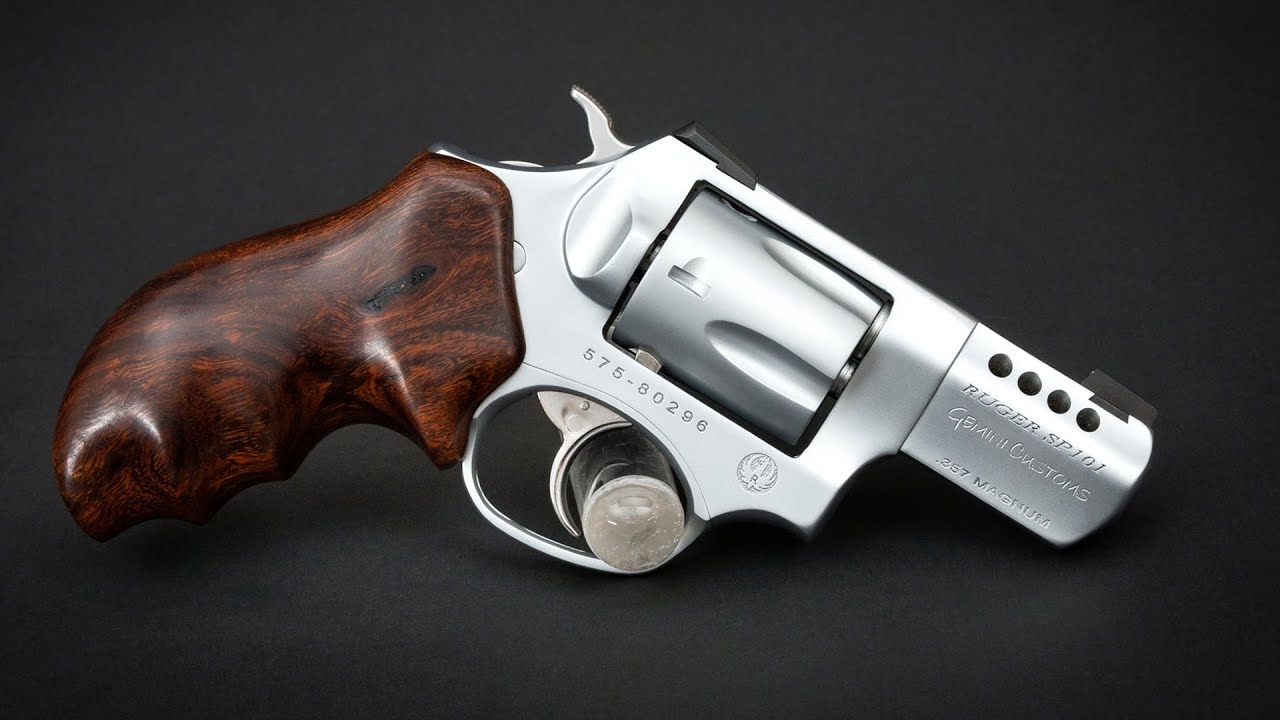
The SP101 is built like it wants to outlast you. It’s heavier than the featherweight carry revolvers, but that weight makes it far more pleasant to shoot, and that matters if you’re trying to build real skill instead of owning a “comfort talisman.”
It carries well IWB with the right holster, and it’s a revolver you can run hard without feeling like you’re shaking screws loose. The trigger often smooths out with use, and the gun tends to be forgiving of real-world handling. If you want a compact revolver that doesn’t feel fragile, and you don’t mind a little extra belt weight, the SP101 is an easy one to recommend.
Ruger GP100 Wiley Clapp 3″
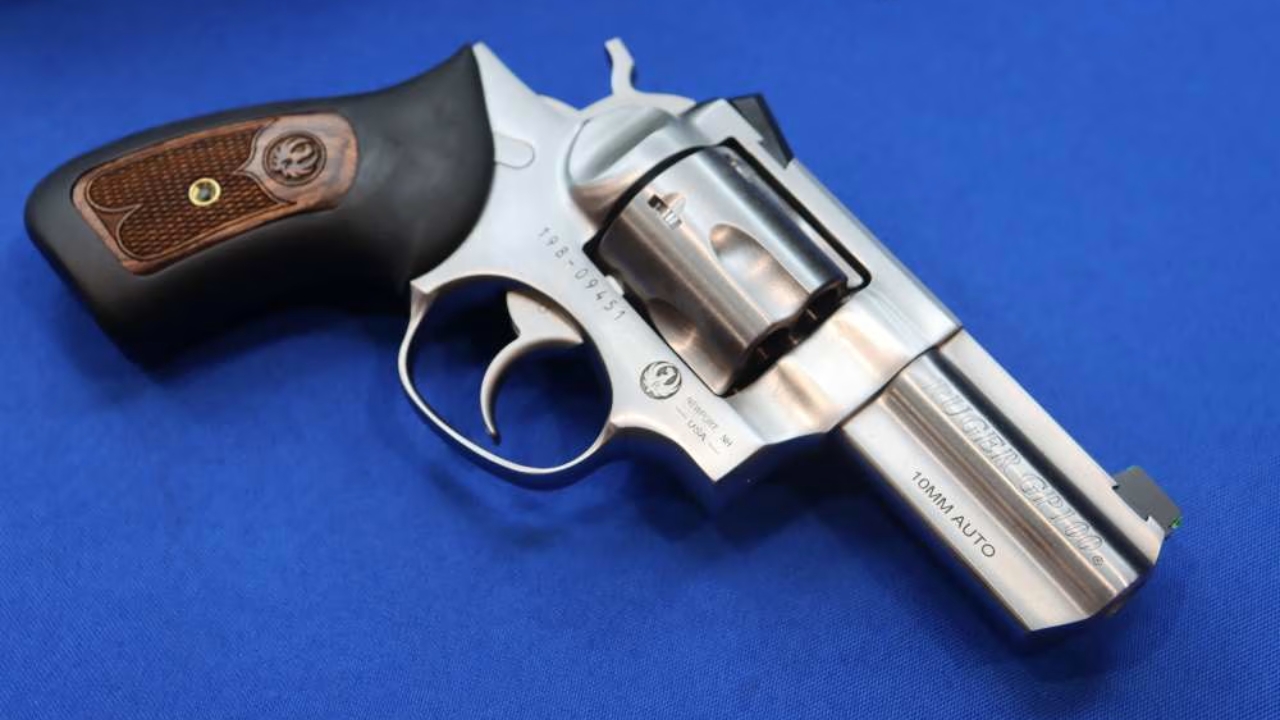
A 3-inch GP100 is a sweet spot when you want a revolver that shoots like a duty gun but still conceals with intention. The Wiley Clapp versions tend to have practical sights and a carry-friendly profile, and the GP100’s weight keeps recoil controllable even with serious loads.
This is the kind of revolver you can practice with for an hour and not start rushing shots because your hand hurts. That alone makes it “make sense” for everyday carry, especially if you’re the type who actually trains. It’s not a pocket gun, and it’s not pretending to be. It’s a belt revolver that carries like a tool and shoots like one.
Colt King Cobra 3″

The 3-inch King Cobra hits a carry sweet spot: enough barrel to shoot well, enough weight to manage recoil, and a size that conceals without feeling like you strapped on a boat anchor. The sight picture is usable and the gun points naturally for a lot of hands.
Colt’s modern double-action feel is different than a Smith or Ruger, and that’s not a bad thing. If the trigger fits you, you’ll shoot it well. It’s also a revolver that can go from daily carry to trail use without changing anything. If you want one revolver that doesn’t feel compromised in either role, the King Cobra has a strong case.
Colt Cobra (2″ or 3″)

The Colt Cobra is a modern small-frame carry revolver that avoids some of the common beginner traps. It has enough weight to be shootable, a real trigger you can learn, and a profile that carries easily in an IWB rig or a coat pocket.
The value here is balance. It’s not so light that you hate practice, and it’s not so large that you leave it at home. That matters more than internet arguments about capacity. If you’re willing to build a consistent double-action press and keep your reloads realistic, the Cobra is a practical everyday revolver that doesn’t feel like a compromise every time you touch off a round.
Kimber K6s 2″
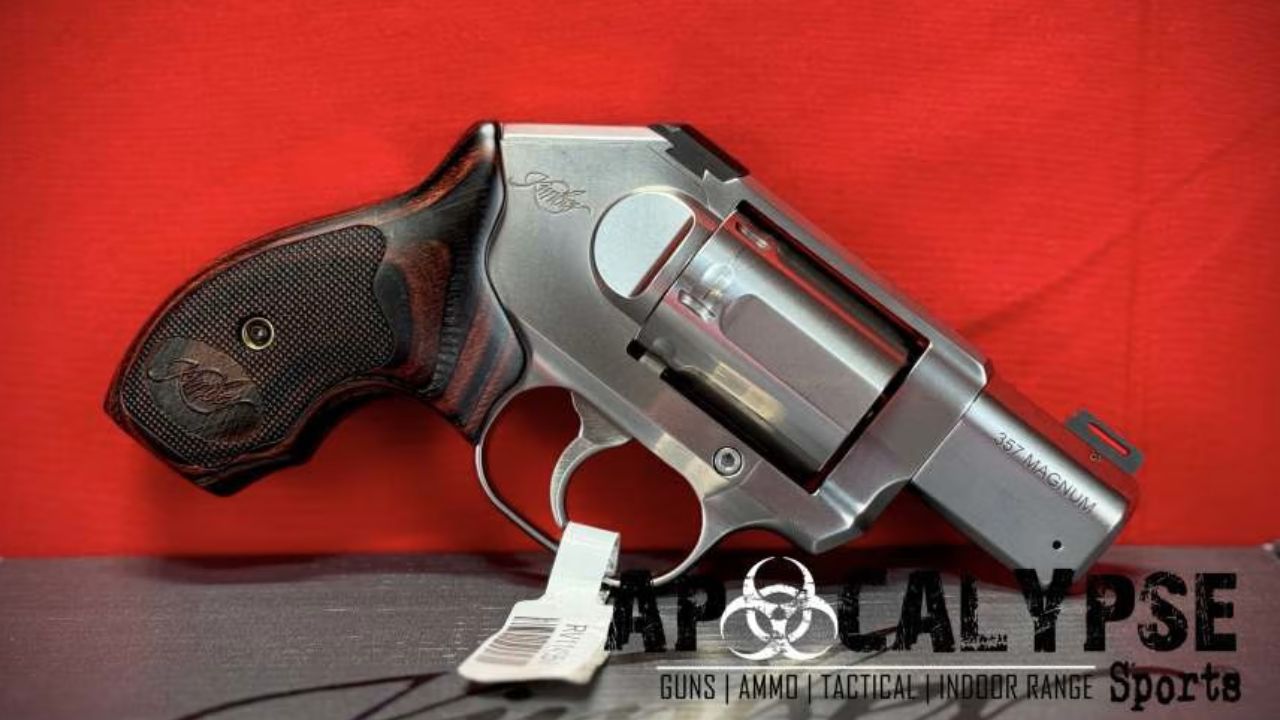
The K6s earns its keep by fitting six rounds into a carry-sized package without feeling bulky. The trigger tends to be smooth, the sights are better than what you get on many snub-nose revolvers, and the overall shape carries cleanly without snagging.
It’s also a revolver that encourages practice because it doesn’t beat you up the way ultra-light guns can. That’s the quiet secret: a carry revolver that shoots comfortably gets shot more, and the shooter gets better. If you want a modern, compact revolver that’s built around real carry use and not nostalgia, the K6s is one of the smartest options in its size class.
Kimber K6s 3″
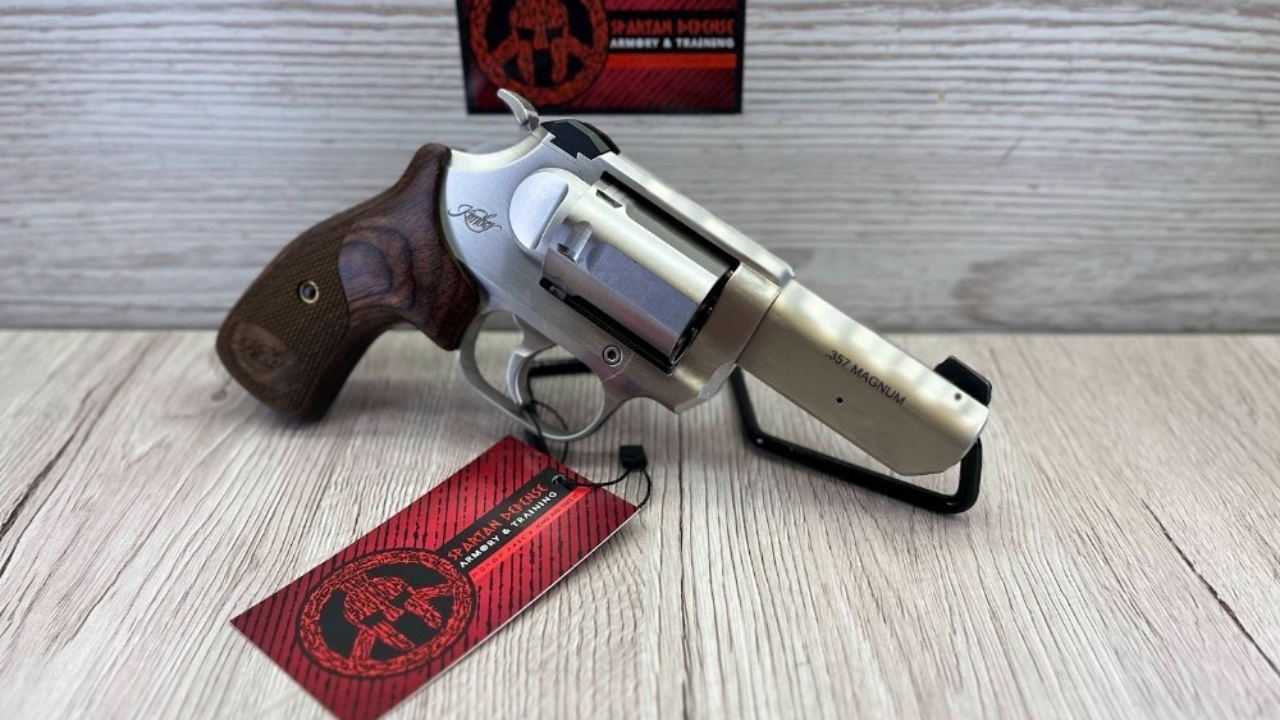
The 3-inch K6s is what a lot of people wish their snub-nose could be. You get a longer sight radius, a bit more weight, and a barrel length that makes the gun easier to shoot fast and accurately. It still conceals well, but it feels less “tiny gun” and more “serious carry gun.”
That extra control shows up in the stuff that matters: faster follow-up shots, cleaner trigger presses, and fewer fumbled reps during practice. It’s also a revolver that can handle daily carry without feeling delicate. If you like the idea of a compact revolver but you want something you can really run on the range, the 3-inch K6s is a strong pick.
Smith & Wesson Model 442

The 442 is basically the 642’s darker twin, and it makes sense for the same reasons. The snag-free hammer design is ideal for pocket carry, and the weight is light enough that you can carry it on days when you’d talk yourself out of a heavier gun.
The downside is the same too: recoil can get sharp, and you need to commit to mastering the trigger. But if you’re honest about what a small revolver is meant to do—close, fast, reliable work—the 442 does its job with less drama than most. It’s a revolver you can carry in real life, not just on “gun belt” days, and that’s what everyday carry is supposed to be.
Smith & Wesson Model 60 3″
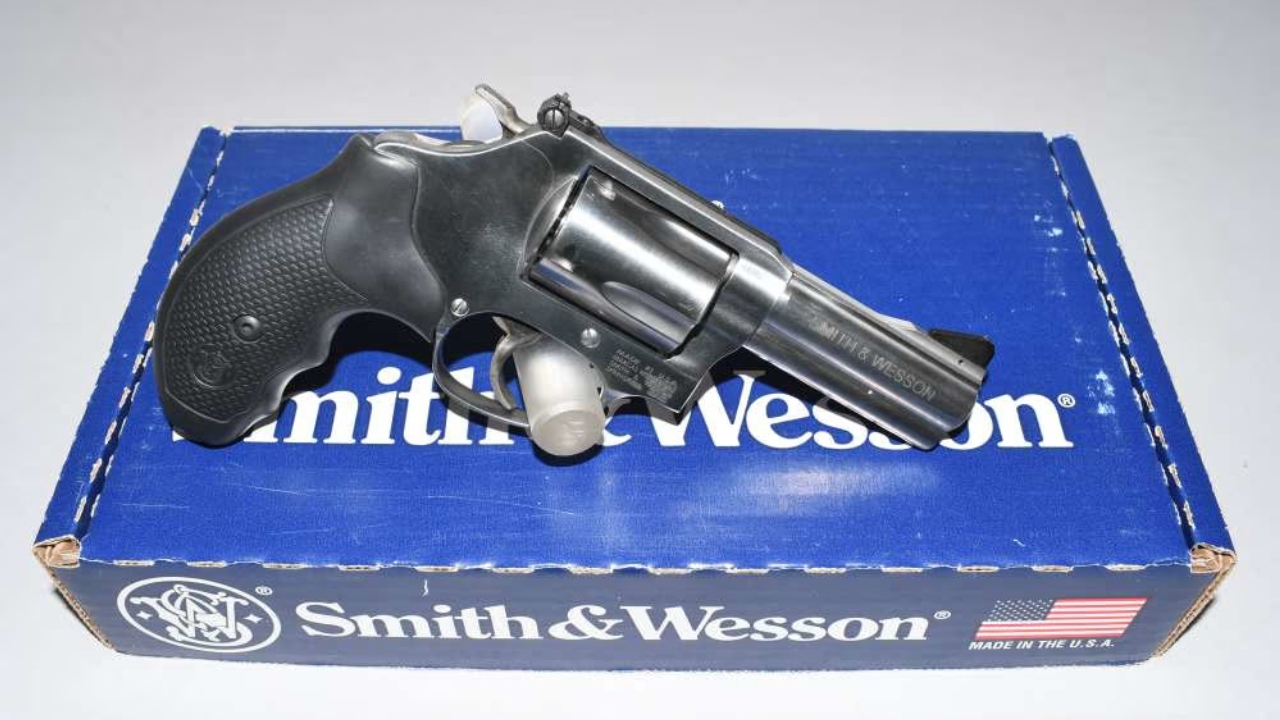
The Model 60 in a 3-inch format is one of the most sensible “carry and shoot” revolvers Smith ever made. The all-steel build makes it comfortable to practice with, and the extra barrel gives you a sight picture that feels more like a service gun than a backup gun.
It carries IWB surprisingly well because the shape is compact and rounded. You’re not getting pocket-carry ease, but you are getting a revolver that rewards training and stays controllable with real loads. If you want a revolver that can be carried daily and still be enjoyable on the range, the 3-inch Model 60 is hard to argue against.
Taurus 856 (2″ or 3″)

The Taurus 856 is practical because it gives you six rounds in a small revolver without getting weird about it. The size is carry-friendly, the controls are familiar, and it’s an easy gun to understand if you’re coming from the revolver basics.
The smart way to treat it is like any carry revolver: shoot it enough to confirm reliability, learn the trigger, and run a few realistic drills that match how revolvers actually get used. The 856 won’t feel as refined as the high-dollar guns, but it can still be a sensible everyday option for someone who wants a compact wheelgun and is working within a budget. Practical beats perfect when you actually carry.
Charter Arms Undercover .38 Special

The Undercover has been around forever because it fills a real role: a compact .38 you can carry without babying it. It’s light enough for everyday use, sized well for concealment, and it doesn’t ask you to become a revolver nerd to run it.
You do want to be realistic. The trigger and finish won’t feel like a premium revolver, and you should vet your specific gun with the ammo you plan to carry. But for a lot of people, this is the kind of revolver that actually gets carried because it doesn’t feel precious. If you want a straightforward, compact revolver that can ride with you every day and take some honest wear, the Undercover fits the bill.
Like The Avid Outdoorsman’s content? Subscribe to our newsletter so you never miss an article.
Here’s more from us: