Photo credit: Old Gun Guy/YouTube
Some rifles disappear without really failing. They get overshadowed by a bigger name, lose shelf space to a newer trend, or end up stuck in the middle of a market that wants either cheap utility or premium bragging rights. Once that happens, even a good rifle can start feeling forgotten.
That does not mean it stopped making sense. Plenty of overlooked rifles still shoot well, carry well, hunt well, or offer something newer designs do not quite replace. These rifles may not be the first ones people mention anymore, but they deserve a second look from anyone who pays attention to more than what is currently popular.
Remington Model Seven

The Remington Model Seven always lived in the shadow of the Model 700, but that was not really fair. It was shorter, handier, and built for hunters who wanted a real bolt-action rifle without carrying more gun than they needed.
In thick woods, box blinds, and climbing stands, the Model Seven makes a lot of sense. It points quickly, carries easily, and still gives you familiar Remington bolt-gun handling. The lightweight versions can kick more than expected in harder chamberings, but the concept was strong. A compact hunting rifle that does not feel like a toy still has plenty of value.
Winchester Model 670
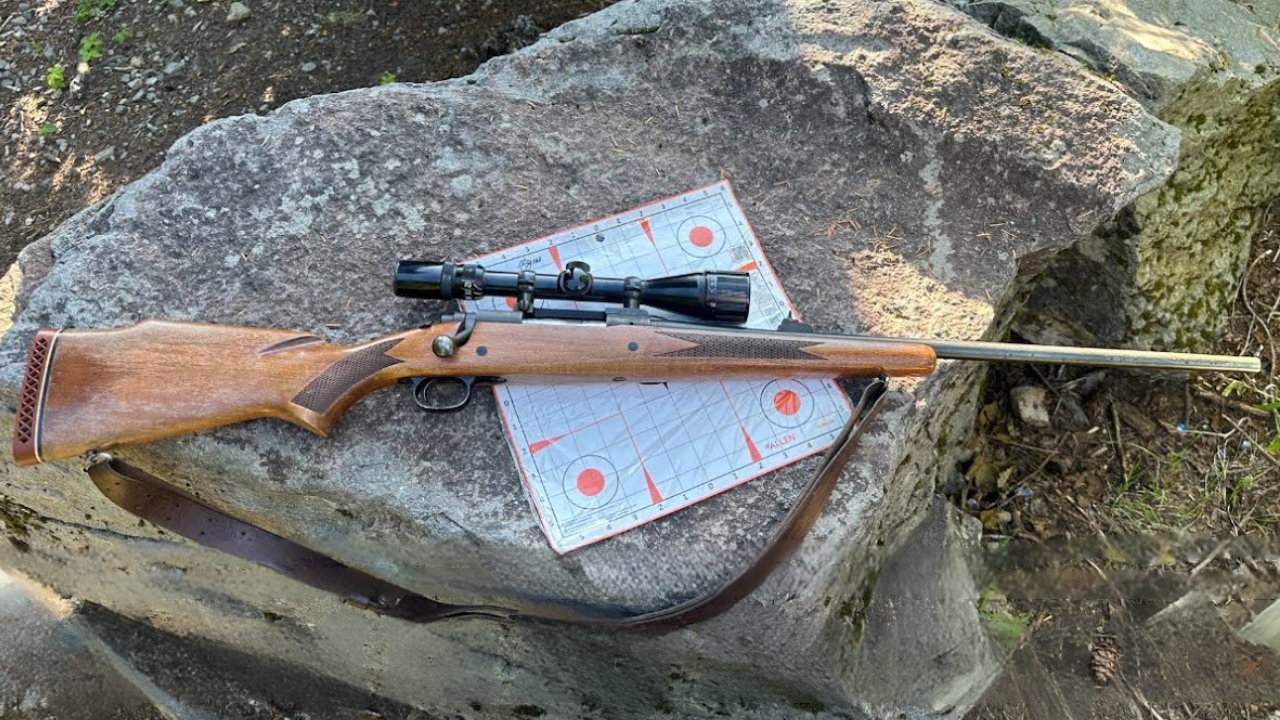
The Winchester Model 670 was treated like the plain economy version of the Model 70, and that reputation followed it for years. It lacked the polish and pride of the higher-grade rifles, so plenty of buyers wrote it off.
But the 670 can still be a very useful hunting rifle. It has the basic Model 70 feel, a solid action, and enough accuracy for normal deer hunting. Nobody buys one for fancy walnut or collector shine. You buy it because it is a practical old bolt gun that often costs less than flashier rifles with no real field advantage.
Ruger M77 Hawkeye Compact

The Ruger M77 Hawkeye Compact never got the same attention as longer, flatter-shooting rifles built for open country. A short-barreled compact rifle can look limited on paper, especially to people obsessed with velocity.
In the real woods, it makes sense fast. It is easy to maneuver in a stand, handy in a truck, and quick to shoulder in thick cover. Ruger’s controlled-round-feed action and solid build give it a confidence newer lightweight rifles do not always match. It is not a beanfield rifle, but it was never meant to be.
Browning A-Bolt Stalker

The Browning A-Bolt Stalker quietly became one of those rifles people forget until they handle a clean one. It was not as famous as the X-Bolt later became, and it did not have the old-school appeal of older walnut-stocked Brownings.
Still, the A-Bolt Stalker was a very good hunting rifle. The bolt throw was short, the magazine system was smart, and many rifles shot better than their plain appearance suggested. It was light enough to carry and refined enough to feel like more than a bargain rifle. Forgotten does not mean ordinary.
Savage Model 16
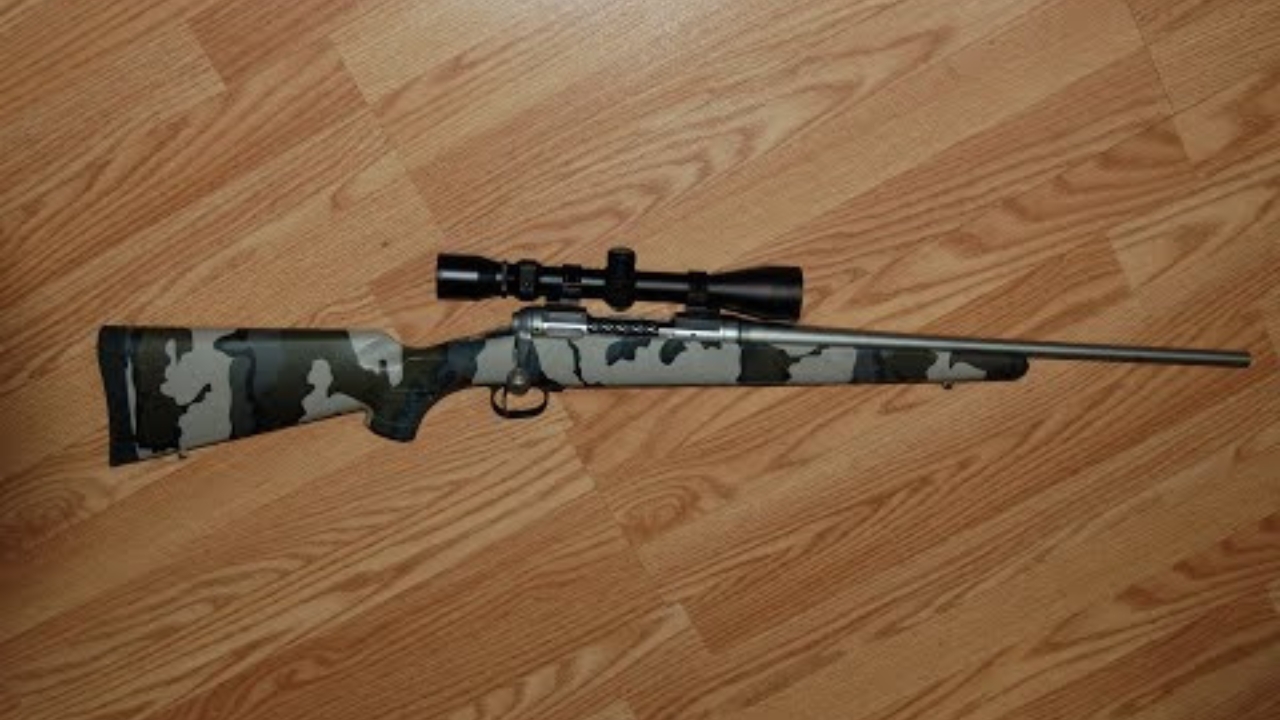
The Savage Model 16 was never the glamorous rifle in the safe. Stainless synthetic bolt guns often get treated like tools, and the Model 16 looked exactly like one.
That is why it deserves another look. It offered weather resistance, practical accuracy, and the kind of no-drama field performance hunters actually need. The AccuTrigger helped make Savage rifles easier to shoot well without aftermarket work. A Model 16 may not impress anyone leaning on a gun-shop counter, but it can look very smart after a wet week in deer camp.
Marlin X7

The Marlin X7 line showed up as an affordable bolt-action rifle and was easy to underestimate because Marlin was known more for lever guns and rimfires. A budget bolt gun from Marlin did not sound exciting enough to last.
But the X7 rifles often shot better than people expected. They had good triggers, useful stocks for the price, and enough accuracy for real hunting. They were not fancy, and that hurt them in a crowded market. Today, they are worth remembering because they delivered practical performance without much noise.
CZ 527 American
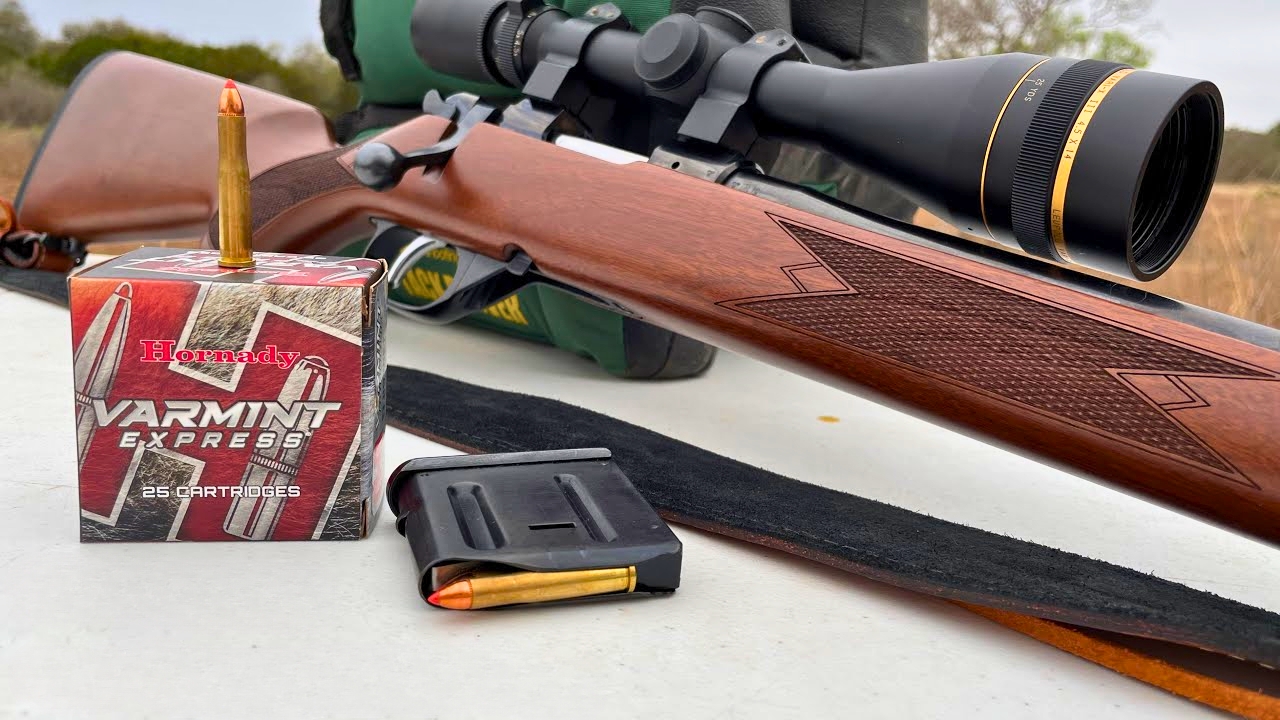
The CZ 527 American was never forgotten by the people who owned one, but the broader market moved away from small controlled-feed mini-Mauser rifles. That was a shame.
This rifle had charm, accuracy, and a size that made small cartridges feel right. In chamberings like .223 Remington, .204 Ruger, 7.62×39, and .22 Hornet, the 527 felt like a proper little rifle instead of a full-size action forced into a small-caliber role. The set trigger was unusual, but many shooters loved it. Small bolt guns like this are harder to replace than people realize.
Remington Model 788
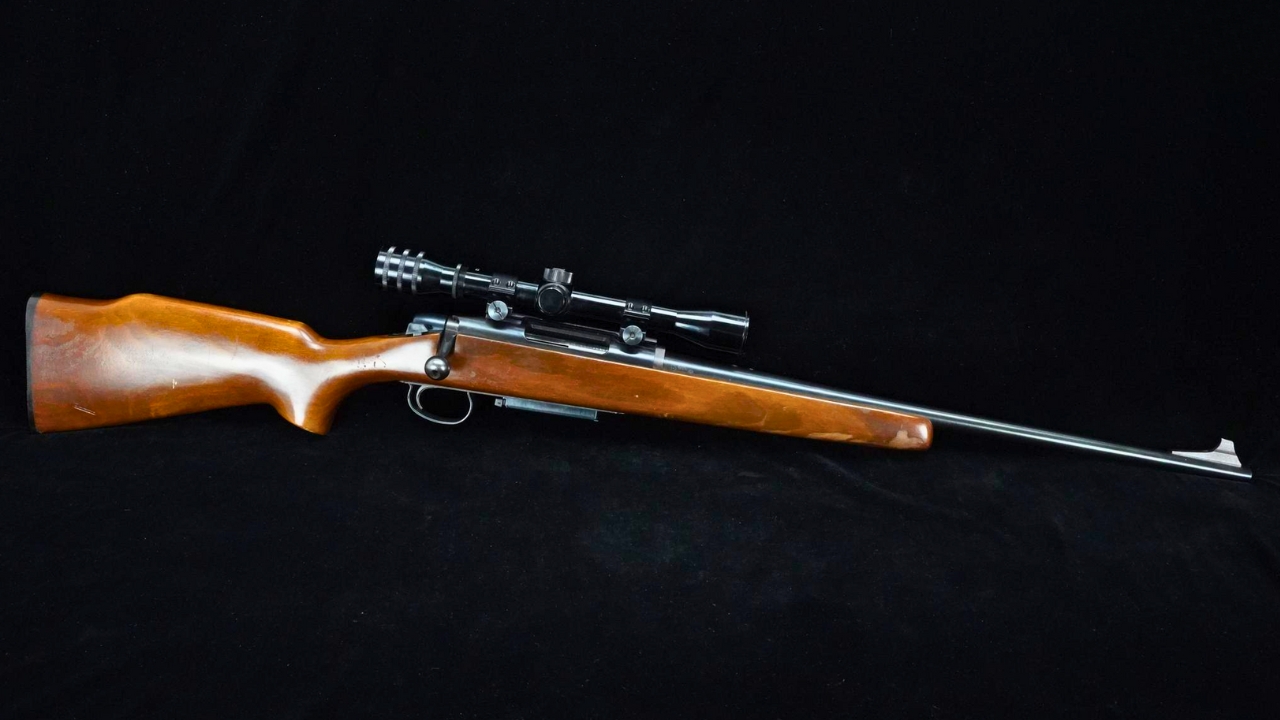
The Remington Model 788 was once viewed as a cheaper alternative to the Model 700. It had a rear-locking bolt, plain looks, and a budget reputation that made some shooters dismiss it early.
Then people started paying attention to how many of them shot well. The 788 developed a quiet reputation for accuracy that made its cheap-rifle image look foolish. It is not sleek, and the magazines can be a concern today, but a good 788 in a useful chambering is still a rifle worth respecting. It proved ugly rifles can shoot.
Sako A7

The Sako A7 was stuck in an awkward place. It was nicer than most budget rifles, but not as beloved as the classic Sako models. That middle-lane identity made it easier for shooters to forget.
The rifle itself deserved better. It offered a smooth action, good accuracy, and a lighter hunting feel than many full-size bolt guns. The detachable magazine system and synthetic-stocked versions made it practical for real field use. It may not have the romance of older Sakos, but as a hunting rifle, the A7 still makes plenty of sense.
T/C Venture
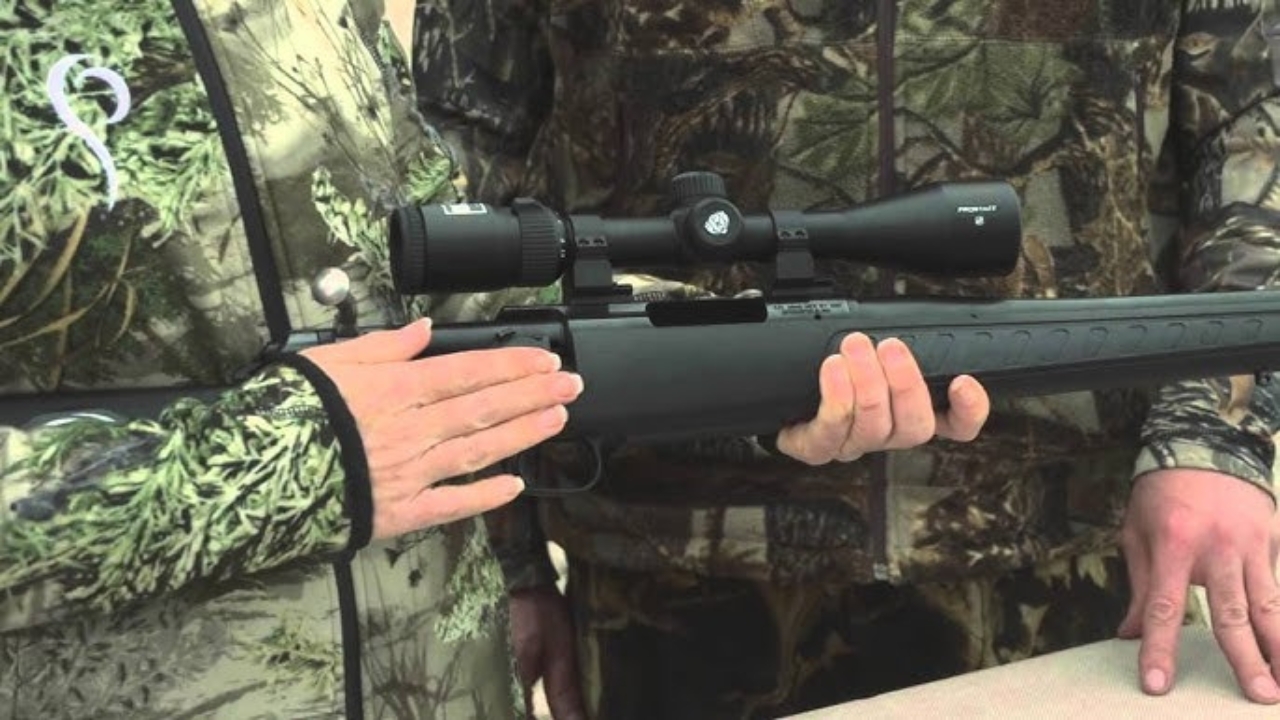
The Thompson/Center Venture was one of those rifles that worked better than its reputation. It entered a crowded affordable bolt-action market and never became the default recommendation, even though it had strong practical features.
Many Ventures shot well, the triggers were usable, and the rifle was offered in useful hunting chamberings. The problem was not that it lacked function. The problem was that it had to fight Ruger, Savage, Remington, Mossberg, and Weatherby for the same buyer. As a used rifle, a clean Venture can still be a smart pickup.
Weatherby Vanguard Series 1
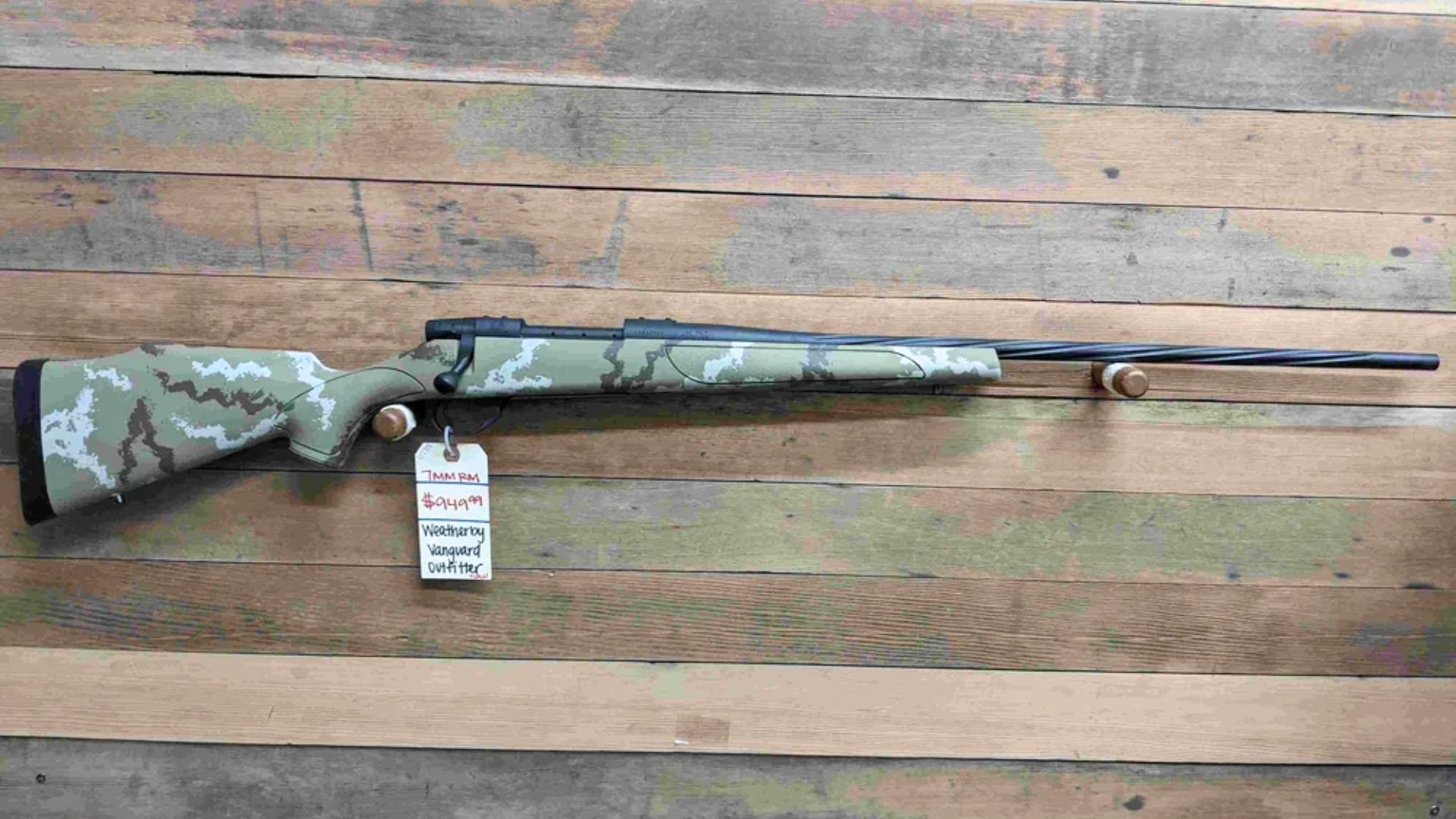
The Weatherby Vanguard Series 1 was overshadowed by the improved Series 2 and later versions, but the original rifles still deserve respect. They were built around a Howa-made action and gave hunters a strong, reliable platform.
They could be heavier than some competitors, and the triggers were not always loved. But as durable hunting rifles, they did the job well. Many shot accurately, handled real cartridges with confidence, and held up to field use. A Series 1 Vanguard is not trendy, but it can still be a dependable deer, elk, or general big-game rifle.
Howa 1500 Ranchland Compact
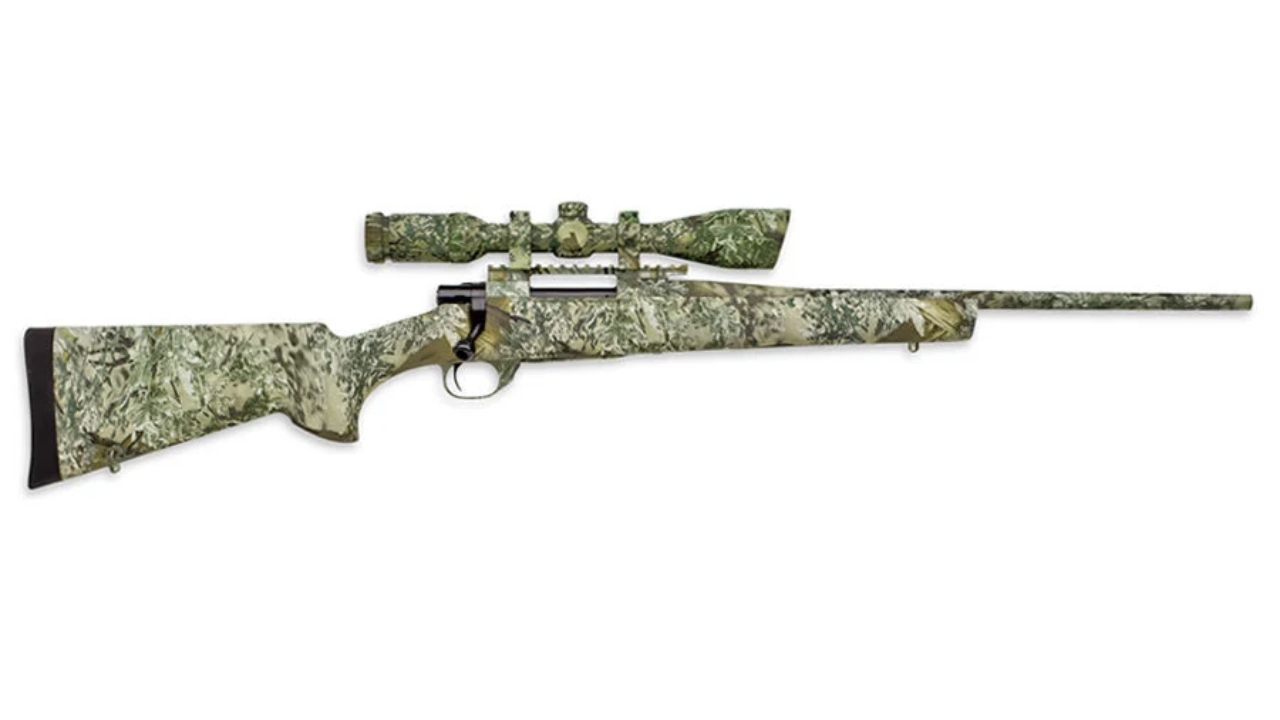
The Howa 1500 Ranchland Compact was easy to overlook because it looked like a short, practical package rather than a serious rifle. Buyers who judged rifles by barrel length and velocity probably skipped it.
That was their loss. The Ranchland Compact gave hunters and landowners a handy bolt gun with the solid Howa 1500 action. It worked well in blinds, vehicles, and tight cover. It was especially appealing in moderate chamberings where the short barrel did not ruin the point. Compact rifles are often more useful than they look on paper.
Mossberg 464

The Mossberg 464 got picked on because it was not a Winchester 94 or Marlin 336. Lever-gun buyers are traditional, and a modern Mossberg lever action had a tough crowd from the start.
But the 464 deserves a more honest look. It gave buyers a lightweight .30-30 lever gun at a time when the classic names were getting expensive or harder to find. It may not have the same collector pull, but as a practical woods rifle, it can still do the job. Not every lever gun has to win a nostalgia contest to be useful.
Browning BLR Lightweight

The Browning BLR Lightweight is not forgotten by serious fans, but it is often overlooked by people who only think of lever guns as .30-30 brush rifles. The BLR is different, and that difference matters.
Its box magazine lets it run pointed bullets and modern rifle cartridges that traditional tube-fed lever guns cannot use the same way. That makes it a fast-handling rifle with more reach than people expect from a lever action. It is not as cheap or simple as a basic lever gun, but it deserves attention from hunters who want speed and real cartridge flexibility.
Winchester Model 88
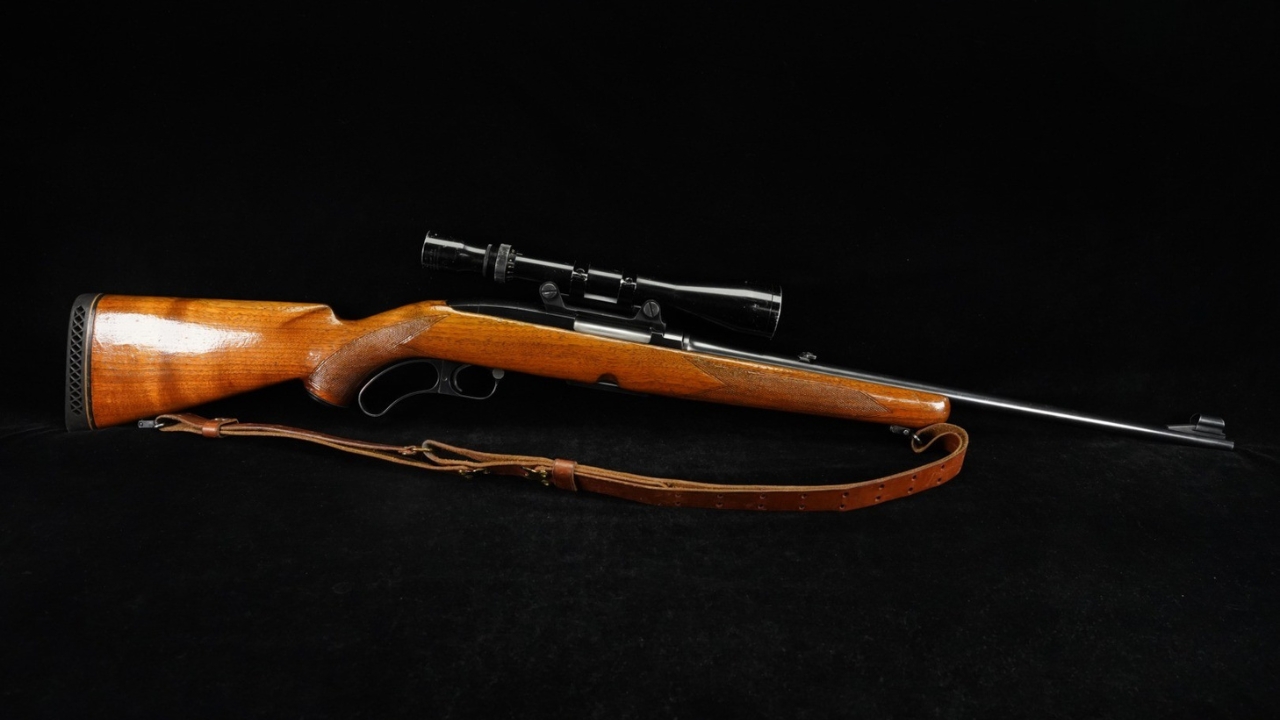
The Winchester Model 88 looked like a lever gun but operated with a rotating bolt and box magazine, which confused people who wanted either old-school tradition or bolt-action simplicity. That made it easy to overlook.
It deserves another look because the idea was genuinely smart. The Model 88 offered lever-action speed with modern cartridges and better bullet options than tube-fed designs. It handled well and brought something different to deer hunting. It never replaced the bolt action, but it did prove there was more than one way to build a serious hunting rifle.
Ruger 77/22 Hornet
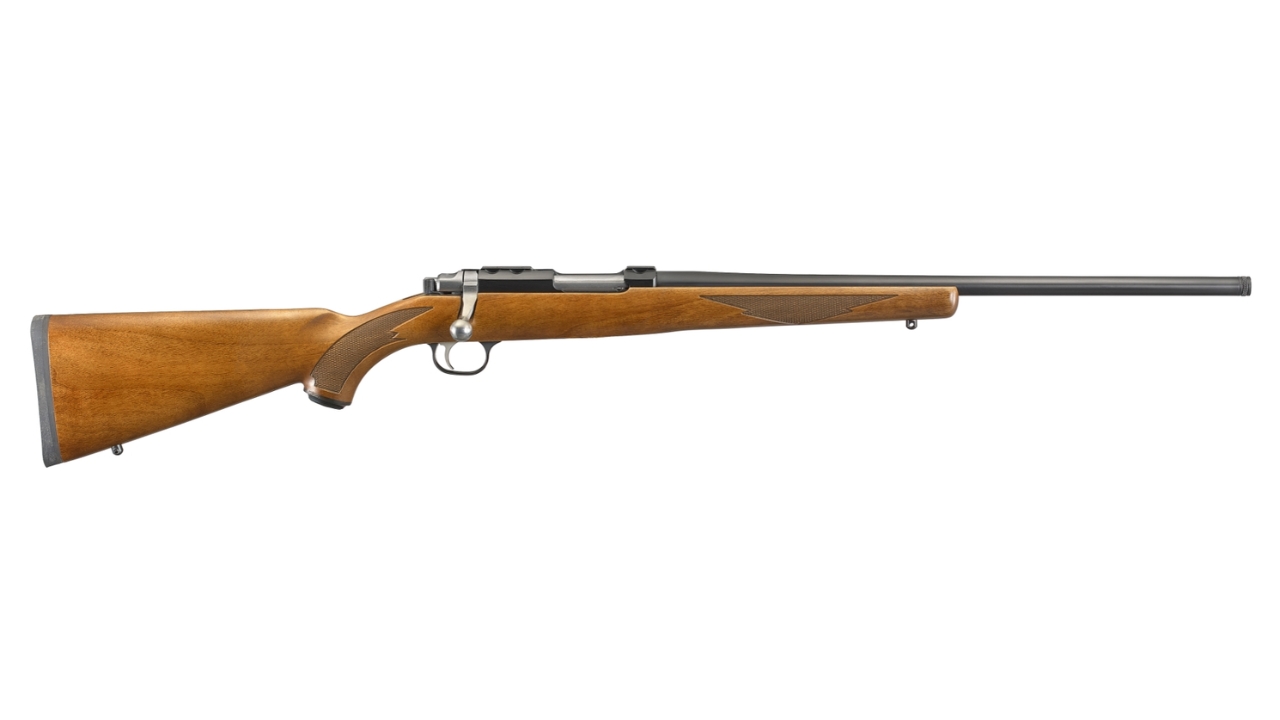
The Ruger 77/22 Hornet was a niche rifle from the start. The .22 Hornet is not as common as .223 Remington, and rimfire-looking bolt guns chambered for small centerfire rounds did not excite everyone.
Still, the rifle fills a useful role. It is mild, pleasant to shoot, and excellent for small predators, pests, and low-recoil field work. The rotary magazine keeps the rifle handy, and the cartridge has more charm than raw numbers suggest. For someone who likes quiet centerfire rifles, the 77/22 Hornet deserves more attention than it usually gets.
Remington Model 740

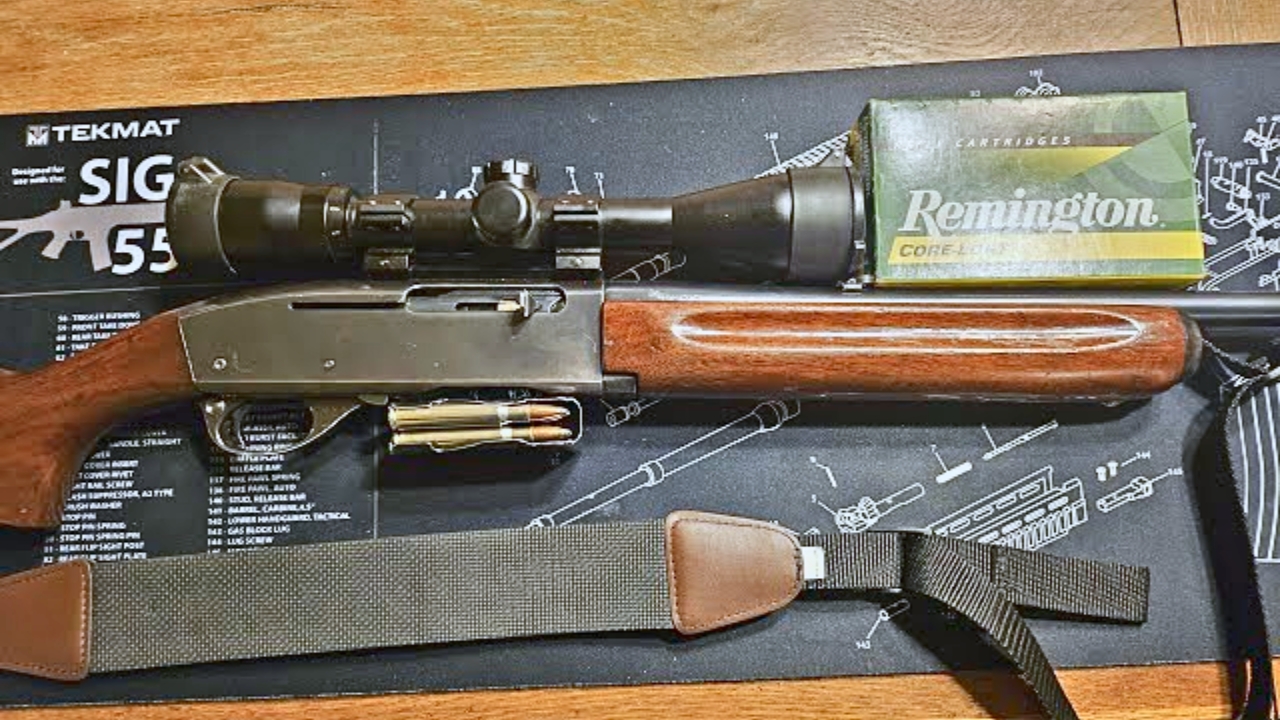
The Remington Model 740 is often remembered mostly as an early semi-auto deer rifle that later models replaced. It is easy to dismiss because the 742 and 7400 became more common in people’s minds.
But the 740 still deserves a second look as part of the American woods-rifle story. It gave hunters a semi-auto option in traditional deer cartridges at a time when that was a big deal. Condition matters a lot, and worn examples can be trouble. But a well-kept one has history, utility, and a connection to a style of hunting rifle that defined a lot of deer camps.
Steyr Scout

The Steyr Scout got attention when it was new, but it also became easy to dismiss because the scout-rifle concept never took over the way some expected. People saw the forward optic, light weight, and unusual stock features and shrugged.
The rifle still deserves respect. It is light, handy, accurate, and built around a real general-purpose idea. The integrated bipod and spare-magazine storage may not matter to everyone, but the overall package is still clever. It was never meant to replace every hunting rifle. It was meant to be a practical rifle for a lot of field problems, and it still does that well.
Winchester Model 70 Black Shadow

The Winchester Model 70 Black Shadow looked too plain for many buyers. The synthetic stock, matte finish, and lower price made it seem like a step down from nicer Model 70s.
But plain hunting rifles often age better than people expect. The Black Shadow gave hunters the Model 70 action in a weather-resistant package that could be carried without worry. It did not need fancy walnut to kill deer, elk, or hogs. Clean examples are worth a second look because they offer real Winchester function without collector-grade pricing.
Remington Model 673 Guide Rifle
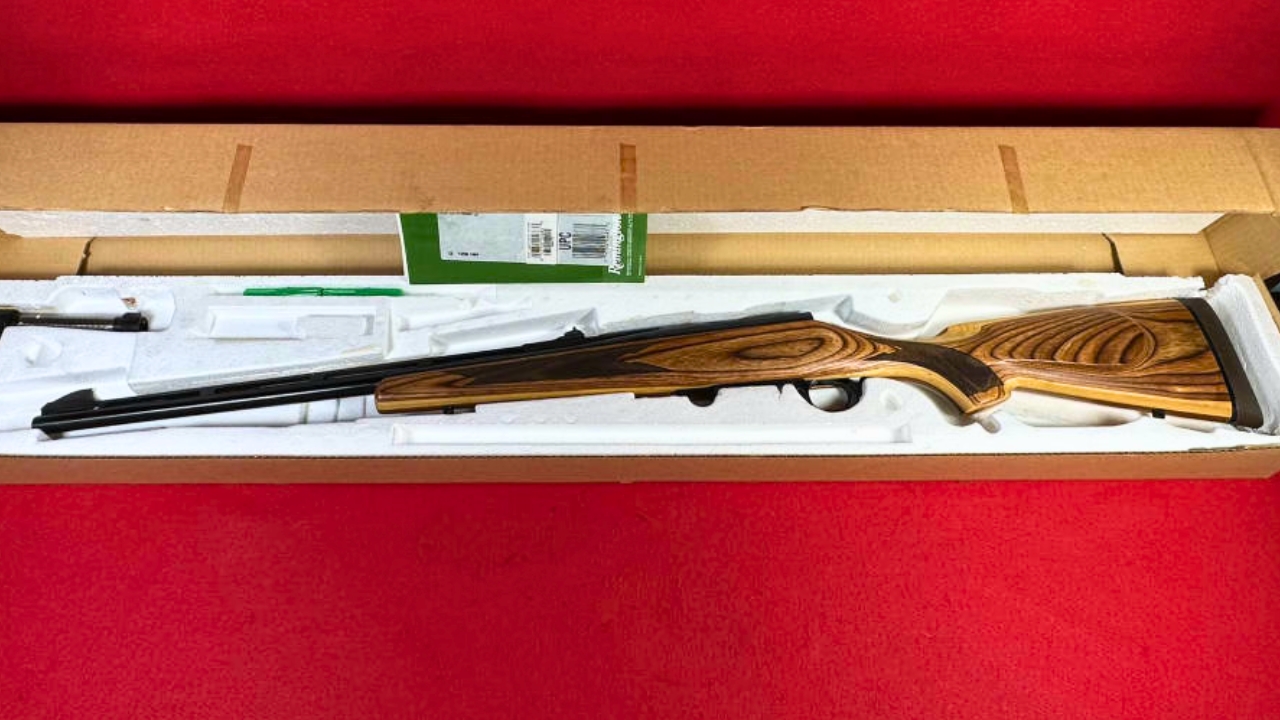
The Remington Model 673 Guide Rifle was odd enough to be forgotten by many shooters. It borrowed some visual personality from the Model 600, wore a vent rib, and came in chamberings that were not exactly mainstream.
That is exactly why it deserves a second look now. The 673 was a compact, powerful guide-style bolt rifle with more character than most modern synthetic guns. In cartridges like .350 Remington Magnum or .300 SAUM, it offered real punch in a short package. It was not for everyone, but forgotten rifles with that much personality rarely stay boring forever.
Like The Avid Outdoorsman’s content? Subscribe to our newsletter so you never miss an article.
Here’s more from us: