Photo credit: AI-generated image created using ChatGPT. Illustrative only
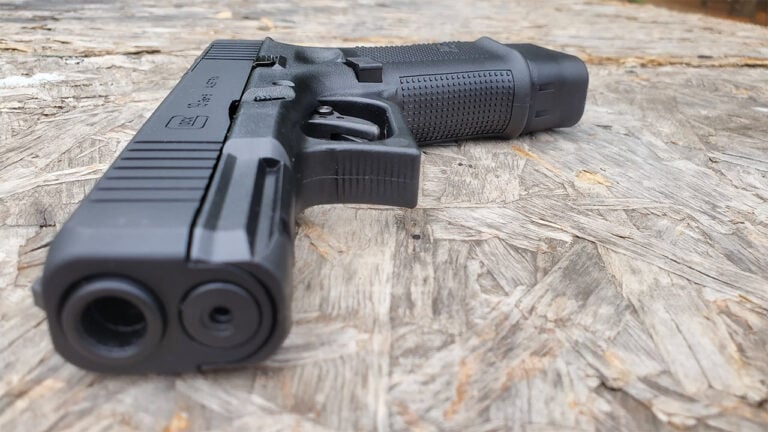
Most gun owners have heard the advice a hundred times: don’t leave a firearm in the vehicle. But real life gets messy—work, errands, a quick stop—and sometimes a pistol ends up in the console longer than it should. One Glock 23 owner lived the nightmare after his handgun was stolen out of his car, then spent years watching the slow gears of the justice system turn before he could finally bring it back home.
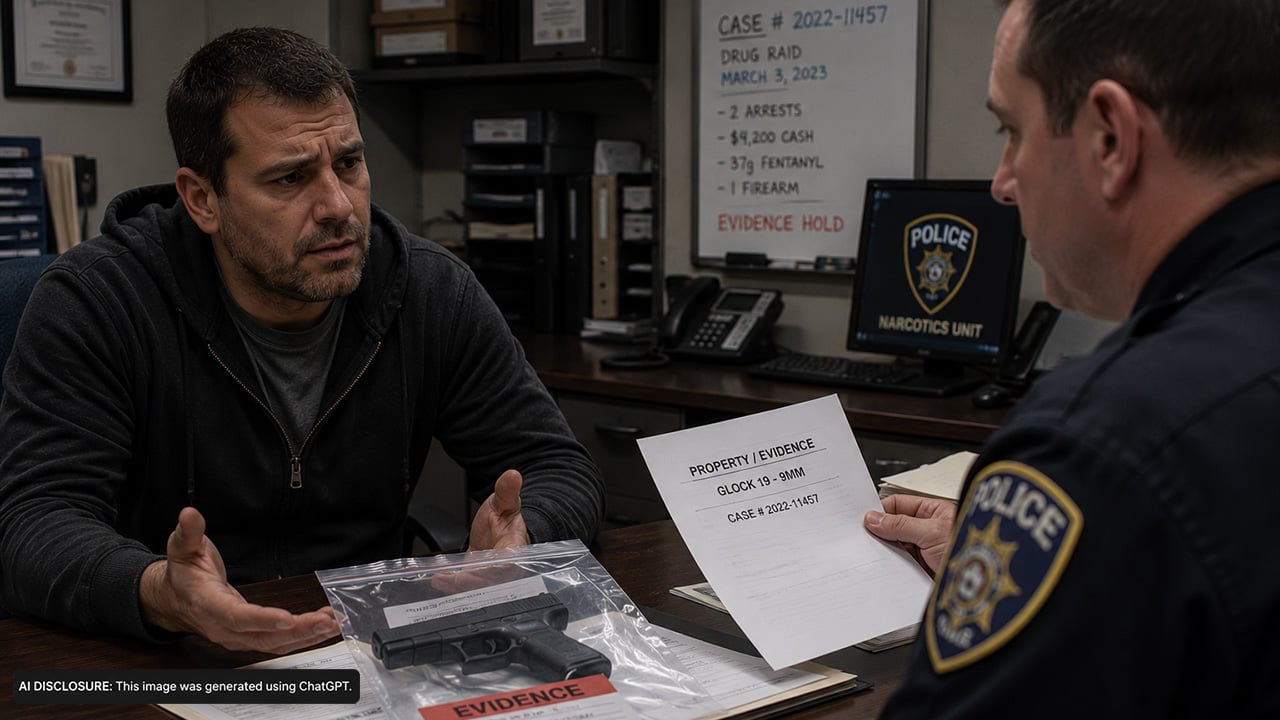
In the original post, the owner explained that he filed a detailed police report right after the theft, including the serial number. Two months later he got the call nobody expects: the pistol had been recovered in a drug raid. The “good news” still came with a catch—his Glock was now evidence, and it would be a long wait before he’d see it again.
The theft: a stolen gun becomes a public-safety problem fast
When a firearm is taken from a vehicle, it doesn’t just become a property crime. It becomes a loose gun out in the world, and the owner has no control over where it goes next. That’s the part that keeps folks up at night, especially if you’ve got kids at home, you carry daily, or you hunt and travel with firearms regularly.
In this case, the owner’s Glock 23 disappeared from his car and was out of his hands long enough to turn up in a completely different kind of incident. The details of how it was stolen aren’t laid out, but the outcome is familiar: stolen guns often end up tied to other criminal activity, and that raises the stakes for everyone involved.
Doing the right thing early: a detailed report and a serial number
The key move here wasn’t flashy. It was paperwork done on a bad day. The owner filed a police report and made sure it included the firearm’s serial number. That one piece of information is what ties a specific gun to a specific owner without any guesswork.
It’s also what allows a recovered firearm to be identified quickly when it shows up later—whether that’s at a pawn shop, during a traffic stop, or, like in this situation, during a raid. The owner’s whole point in sharing the story was simple and practical: write down your serial numbers, and keep them somewhere safe.
Recovered in a drug raid two months later
Two months after the theft, the owner received a call that his Glock had been recovered during a drug raid. That timeline matters. It shows how quickly a stolen firearm can move from a parked vehicle into a criminal investigation.
For outdoorsmen, this is the part that hits hard. A carry gun you’ve trained with, maintained, and trusted can become evidence in something you had nothing to do with—simply because it was stolen. Even if the gun is recovered quickly, the ride isn’t over once law enforcement finds it.
The long haul: when your firearm becomes evidence
The owner expected to get his Glock back once it was recovered. Instead, he learned another hard truth: if a gun is tied to a case, it can sit in an evidence locker until the courts are done with it. In his situation, that meant waiting two years for the trial process to finish.
That’s a long time to go without your property, especially something as expensive and personally important as a defensive handgun. It’s also a reminder that “recovered” doesn’t always mean “returned.” A firearm can be located and identified, but still be unavailable for a long stretch if it’s needed for prosecution.
The happy ending—and the practical lesson for the rest of us
After two years, the owner finally got his Glock 23 back. He described it as a happy ending and was clearly excited to have it returned. For anybody who’s had gear stolen—guns, bows, trail cameras, even a favorite rifle—there’s something satisfying about that kind of closure.
But his bigger message wasn’t about luck. It was about preparation. Serial numbers aren’t just for insurance claims; they’re how you prove ownership when things go sideways. A good habit is to record serial numbers for firearms, optics, suppressors if you own them, and anything else that would be hard to replace, then store that record somewhere secure (not taped inside the safe where it disappears with the safe).
The other takeaway is the one we all know but don’t always follow: vehicles aren’t gun safes. If you have to leave a firearm in a car because of work rules or a stop where you can’t carry, the best move is to lock it up in a dedicated vehicle safe or lockbox that’s secured to the vehicle, and keep those “quick stops” as quick as you can. It won’t fix every risk, but it makes you a harder target than the guy who leaves a pistol loose in the console.
This Glock owner did what he could after the fact—report it, document it, and stay patient through the system. He got his gun back in the end, but the story still reads like a warning: the easiest time to protect your firearm is before it’s stolen, and the easiest time to prove it’s yours is before you ever need to.
Like The Avid Outdoorsman’s content? Subscribe to our newsletter so you never miss an article.
Here’s more from us: