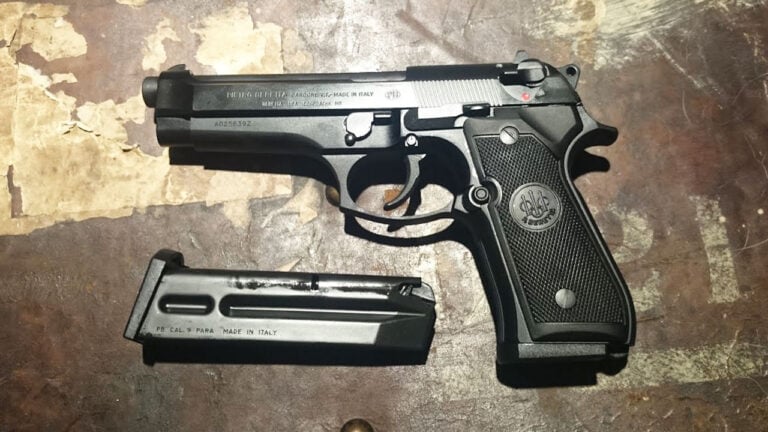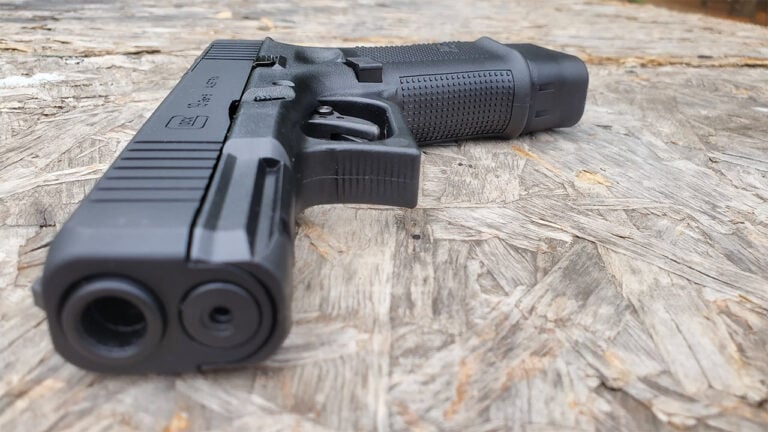
Photo credit: AI-generated image created using ChatGPT. Illustrative only
Most gun owners know the sick feeling of walking out to the truck and realizing a firearm is gone. In this case out of Indianapolis, the owner did what you’re supposed to do: he reported the theft to police, gave them the information, and waited for the process to work.
It worked fast—at first. According to the original post, Indianapolis police recovered the small handgun within 48 hours. Then the clock slowed to a crawl. More than a year later, the gun was still sitting in an evidence room, and the owner said he couldn’t get a straight answer about when—or if—it would be released.
Recovered quickly, then locked behind the evidence process
The owner’s timeline is straightforward. His handgun was stolen from his car, he contacted IMPD, and police recovered it within two days. That’s the kind of outcome most folks hope for when they take the time to file a report and provide serial numbers.
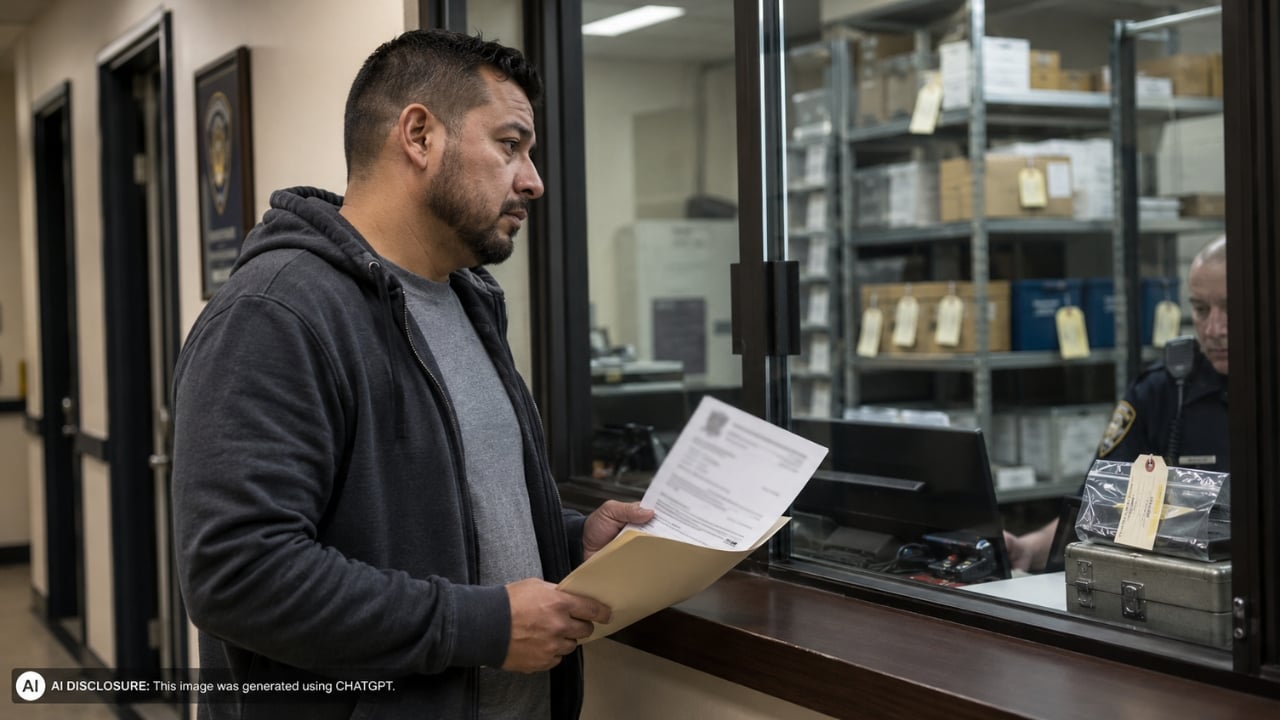
A few weeks after recovery, a letter arrived with a reference number explaining the gun was in evidence and would be held until the case was resolved. Later, IMPD called and asked him to come in for fingerprinting so his identity could be confirmed when the firearm was eventually released. Then—nothing. His last contact on the issue was “last summer,” with a full year passing without progress.
A familiar problem for gun owners: “We’ll call you”
What makes this story hit home is how common the next part is. The owner said when he contacted the evidence office, he was told—rudely, in his view—that they’d call him when there was new information. No estimate. No next step. Just “wait.”
That’s hard to swallow when it’s your property, and it’s a firearm you may rely on for home defense or daily carry. Even if you’ve got other guns in the safe, there’s a principle at stake: you did your part, the police did their part by recovering it, and now the system is acting like it belongs to the system.
The juvenile angle kept him in the dark
The owner believed the case was likely resolved based on the time that had passed. But there was a catch: he said the suspect was a juvenile, and because of that he couldn’t access court records to confirm the case status.
That detail matters because evidence holds often hang on court timelines, charging decisions, and whether a prosecutor still wants the item available. When the case involves a juvenile, the usual public-records trail can dry up fast, leaving the victim with no easy way to verify what’s happening behind the scenes.
He tried the “official” channels and got silence
When he couldn’t get traction through the evidence office, he tried going up the ladder on the civic side. He wrote his township trustee, his city-county councilor, and the mayor. He said he received absolutely no response.
That’s the kind of dead end that turns a simple property return into a long, aggravating grind. A lot of outdoorsmen are used to solving problems by walking a fence line, making a call, or showing up in person. But once something is tagged into an evidence system, it can feel like you’re yelling into the wind.
Why this matters beyond one handgun
This isn’t just about one owner wanting his property back. It’s about what happens when a firearm is taken out of a lawful owner’s hands and then stuck in limbo. If you carry, you know a “small handgun” often isn’t a range toy—it’s the piece you actually depend on.
There’s also the bigger safety lesson sitting underneath the story. The gun was stolen from a car, which is a reminder to all of us: vehicles get broken into, even in “good” areas, and thieves know exactly what they’re looking for. If a pistol has to stay in a vehicle at times, it needs to be secured in a real lockbox anchored to the vehicle—not a console, not a glove box, and not “hidden” under a seat.
But once a theft does happen and the gun is recovered, the other lesson kicks in: getting it back may take persistence, documentation, and the right kind of pressure—not just polite calls that go nowhere.
Practical steps that usually move the needle
The owner’s question was simple: what else can he do to get the firearm released? He’d already reported it, responded to requests, completed fingerprinting, and tried reaching out to both the evidence office and elected officials.
In situations like this, gun owners typically have a few practical avenues that don’t involve drama or confrontation. One is to keep communications in writing and request the specific reason for continued retention of the property, tied to the case number on the letter he received. Another is to ask what exact unit or person has authority to approve release, since “evidence office” can mean different things depending on how a department is organized.
When the normal channels stall, people often end up seeking help from an attorney familiar with property return procedures in that area—somebody who can file the right request in the right place and get an answer that isn’t just a brush-off. That doesn’t mean suing anyone. Sometimes it simply means getting a formal request in front of the person who can actually sign off on releasing the firearm.
And for any gun owner dealing with a similar situation, it’s worth keeping your own file tight: report number, reference number from the evidence letter, make/model/serial, dates of every call, and the name (or badge number) of anyone you spoke with. When a case is dragging, details are leverage.
The frustrating part here is that the owner did what most of us would do—he stayed cooperative, followed instructions, and waited for the case to clear. A year later, he still didn’t have his handgun back or even a basic update. If there’s a takeaway for the rest of us, it’s that recovering a stolen gun is only half the battle. The other half is navigating the slow machinery that decides when your property stops being “evidence” and starts being yours again.
Like The Avid Outdoorsman’s content? Subscribe to our newsletter so you never miss an article.
Here’s more from us: