Photo credit: Northern Hills Defense/YouTube
The Ruger LCR is one of those revolvers that a lot of shooters know as a lightweight snubnose, but the bigger story is that it was a pretty major break from the usual small-revolver formula. When Ruger introduced it in January 2009, the company called it “an evolution in revolver design,” and it really was. Ruger’s launch materials said the new 13.5-ounce, five-shot revolver used three main components: a polymer fire-control housing, an aircraft-quality monolithic frame, and an extensively fluted stainless-steel cylinder. That was a very different recipe from the traditional all-metal snub-nose setup people were used to.
What makes the LCR especially interesting is that it did not stay one little .38 Special revolver for long. It grew into a family that now includes centerfire and rimfire versions, multiple frame materials depending on caliber, and the external-hammer LCRx branch. Ruger’s current LCR overview says the line uses a patented polymer fire-control housing and a friction-reducing cam system, while official Ruger model pages show offerings in .38 Special +P, .357 Magnum, 9mm Luger, .327 Federal Magnum, .22 LR, and .22 WMR.
1. The LCR was introduced in 2009

A lot of shooters think the LCR has simply always been around, but Ruger’s own launch announcement is dated January 14, 2009, and calls the gun a completely new direction for compact revolvers. The LCRx article from American Rifleman also refers back to the original LCR’s introduction in 2009.
That timing matters because the LCR showed up right when a lot of defensive-handgun buyers still saw lightweight revolvers as serious everyday-carry guns, but were also starting to expect better triggers, better ergonomics, and less weight than older snubs usually delivered. That second point is an inference from the launch context and the features Ruger emphasized.
2. “LCR” literally means Lightweight Compact Revolver

This one sounds obvious once you hear it, but a lot of people never stop to think about the name. Ruger’s launch materials identify it as the Lightweight Compact Revolver, and that shorthand ended up sticking hard enough that most shooters just say “LCR” now.
That naming also tells you exactly what Ruger thought the gun was supposed to be. The LCR was not introduced as a target revolver, trail revolver, or collector piece first. It was built to be a light, compact carry revolver.
3. The original LCR was one of the first major polymer-framed revolvers

The LCR’s most headline-grabbing design feature was the polymer fire-control housing. Ruger’s launch release and current overview both emphasize that patented polymer housing as a core part of the design.
That mattered because revolvers had traditionally been seen as all-metal territory. Ruger was taking a construction idea that had already reshaped semi-autos and bringing it into the wheelgun world in a serious, factory-built way. That last point is an inference, but it is strongly supported by Ruger’s own framing of the design as “evolutionary.”
4. It uses a monolithic frame, not just a polymer shell

Ruger’s original announcement says the LCR uses a monolithic frame along with the polymer housing, not just a plastic outer shell hiding the same old structure underneath. Official current descriptions continue to distinguish the polymer fire-control housing from the monolithic frame section.
That is important because the LCR was not designed as a gimmick. Ruger combined different materials for different jobs instead of simply making a lighter version of a traditional snub by removing steel wherever it could. That second sentence is an inference based on the documented three-part construction.
5. The trigger system was one of the real breakthroughs

Ruger’s official description of the LCR highlights a patented friction-reducing cam fire-control system that produces a smooth, non-stacking trigger pull. Shooting Illustrated also quoted Ruger’s own language about that same cam system and how it made the trigger feel smoother than many traditional DAO revolvers.
That is a big reason the LCR got so much attention so quickly. Lightweight snub revolvers had long been associated with heavy, sometimes unpleasant double-action pulls. The LCR was one of the revolvers that made people rethink that expectation. That second sentence is an inference grounded in the way the trigger was marketed and reviewed.
6. The original gun was a 13.5-ounce five-shot .38 Special +P

Ruger’s launch announcement for the first LCR says it weighed 13.5 ounces, used a small frame, and held five rounds. That first model was chambered in .38 Special +P.
That is a big part of why the gun hit so hard with carry-minded buyers. A five-shot .38 that light was easy to actually carry, but Ruger still wanted it to feel more shootable and refined than many of the older lightweight snubs people already knew. That second point is an inference from the launch emphasis on weight and trigger design.
7. Different LCR calibers use different frame materials
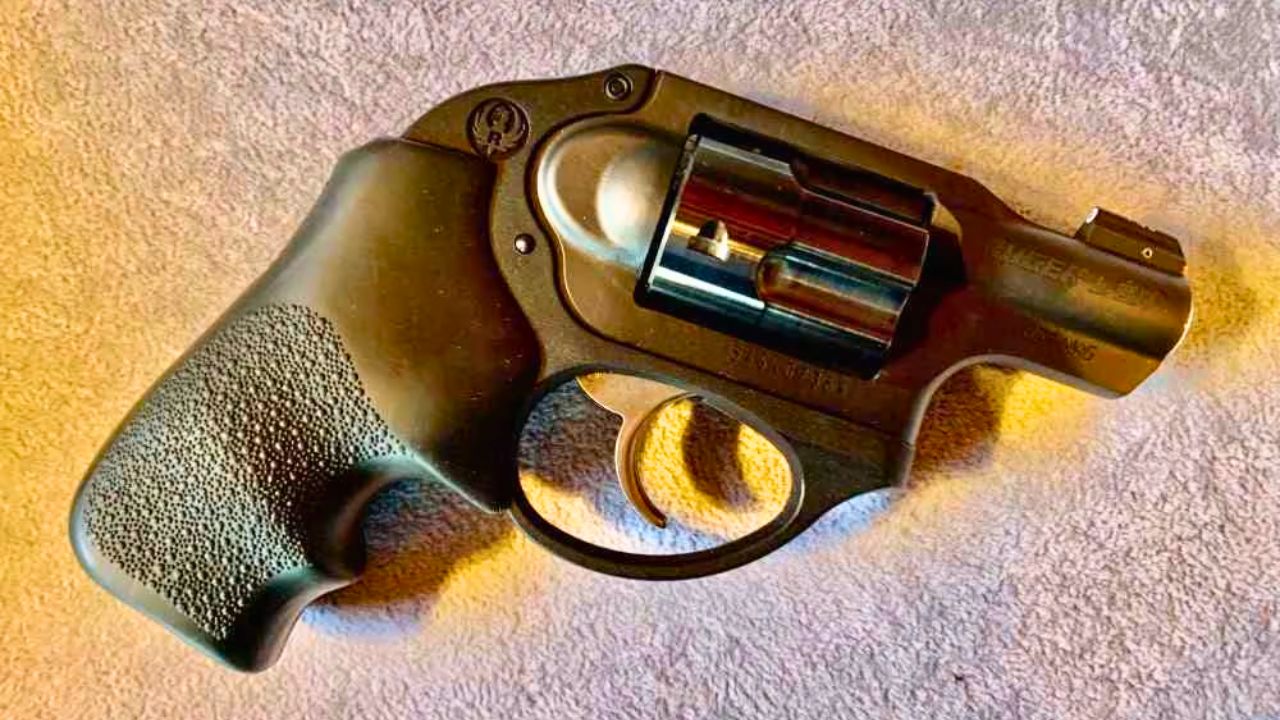
One of the less obvious details in the LCR line is that not every version uses the same frame material. Ruger’s current descriptions say the monolithic frame is aerospace-grade 7000-series aluminum in the .22 LR, .22 Magnum, and .38 Special +P models, while the .357 Magnum, 9mm Luger, and .327 Federal Magnum models use 400-series stainless steel frames.
That matters because Ruger was clearly tuning the platform around cartridge power instead of forcing every model into the exact same material formula. The heavier chamberings got the heavier-duty frame treatment. That conclusion is an inference directly supported by Ruger’s caliber-specific material listing.
8. The LCR quickly spread beyond .38 Special
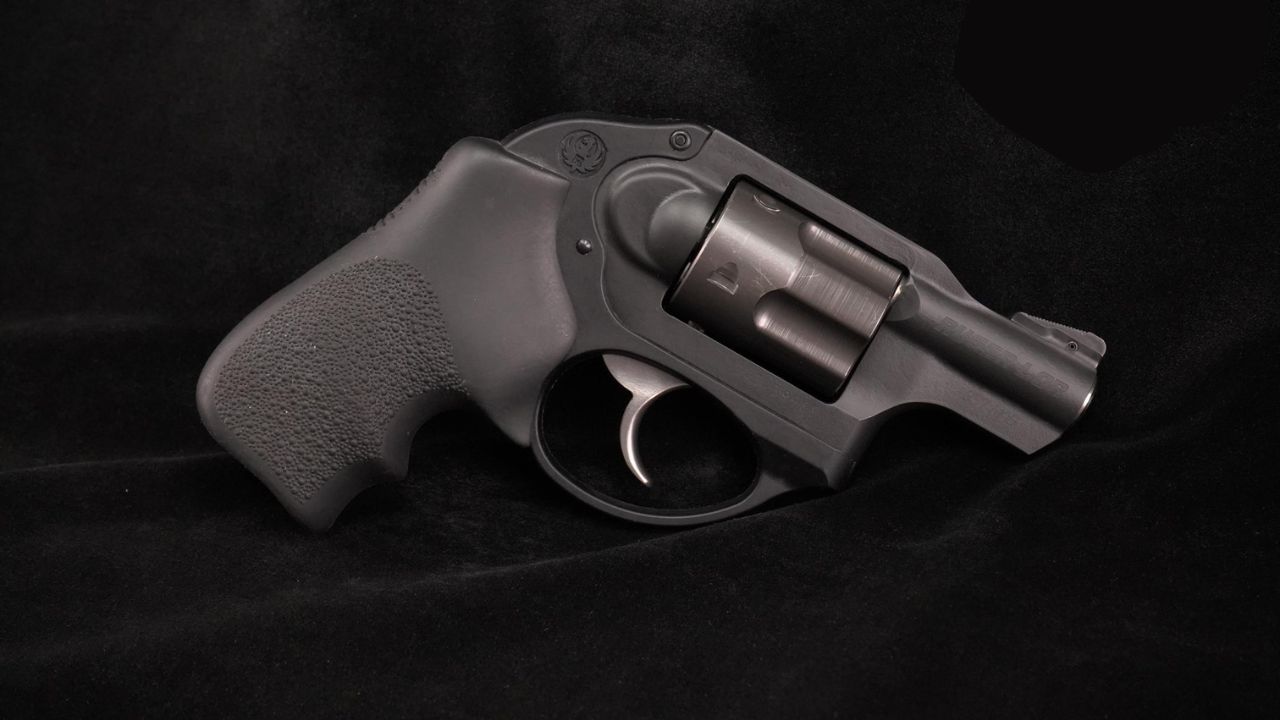
A lot of shooters still think of the LCR only as a .38 snub, but Ruger and American Rifleman show that the line expanded pretty fast. Ruger’s 2014 news update said the line already included .38 Special +P, .357 Magnum, .22 WMR, and .22 LR, and American Rifleman’s 2014 note on the 9mm LCR confirms Ruger added a 9mm version that year.
That expansion is a big clue that Ruger saw the LCR as a true platform, not a one-model novelty. It was willing to push the concept into carry, trail, rimfire, and moon-clip territory depending on the caliber. That last point is an inference grounded in the documented caliber spread.
9. There is a 9mm LCR

The 9mm LCR is one of those versions that still surprises people. American Rifleman’s 2014 coverage says Ruger added 9mm to the lineup while retaining the original LCR features, including the friction-reducing cam trigger system.
That is pretty interesting because 9mm revolvers are always a little outside the norm, and the LCR gave shooters a modern, lightweight snub option in a cartridge many of them were already buying in bulk for semi-autos. The ammo-commonality point is an inference, but it is the obvious practical appeal of the chambering.
10. Rimfire LCR versions became a real part of the family
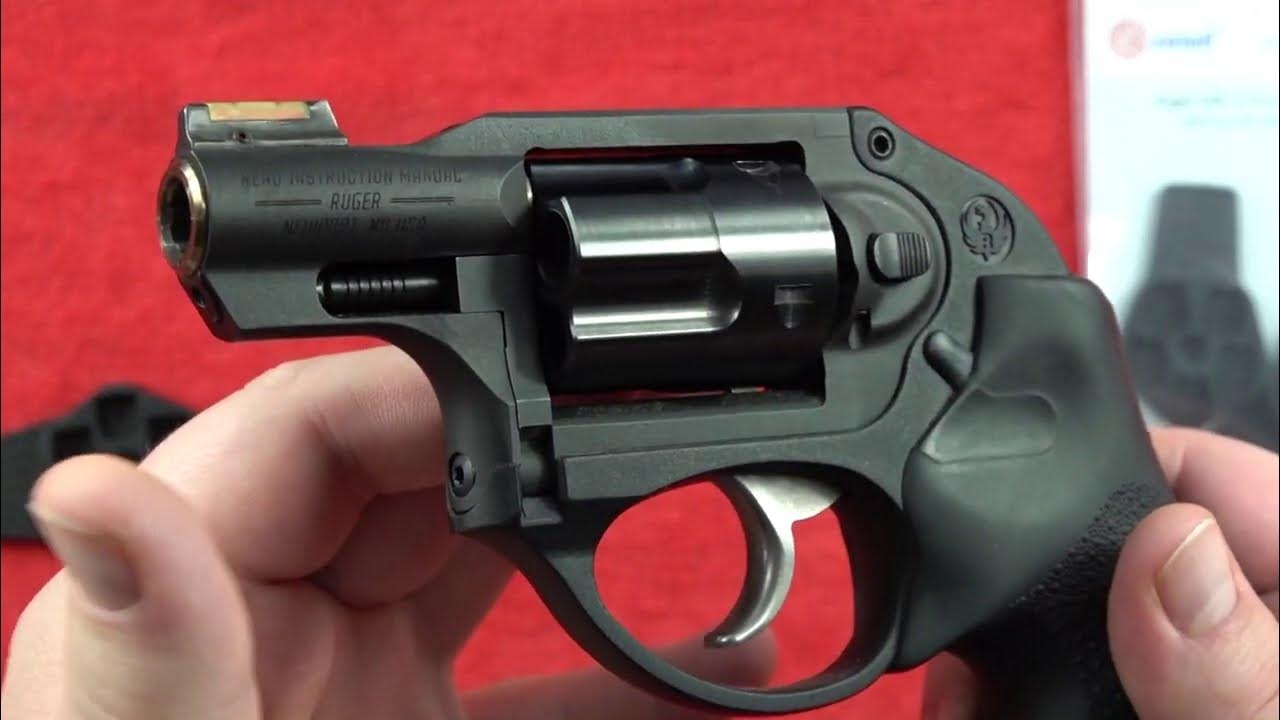
The LCR line did not stay centerfire-only. Ruger’s 2014 update lists both .22 LR and .22 WMR LCR models, and American Rifleman’s review of the LCR-22 Magnum described that version as an enjoyable, easy-to-use little revolver.
That broadens the LCR’s identity a lot. A rimfire LCR is not really chasing the same role as a .38 +P pocket gun. It pushes the platform more toward training, low-recoil use, and trail-gun territory. That conclusion is an inference from the chamberings and the review context.
11. The LCRx was created because shooters wanted a hammer

The LCRx article from American Rifleman says the external hammer was added because customers wanted the option of single-action shooting. It also notes that the original LCR had quickly become a fan favorite after its 2009 debut.
That is one of the clearest examples of Ruger listening to the market and widening the platform without abandoning the original. The LCR was meant to be a sleek DAO carry revolver, but enough shooters wanted more flexibility that Ruger created a second branch instead of forcing everyone into one format.
12. The LCRx changed the whole personality of the line

The external-hammer LCRx was more than a tiny tweak. American Rifleman says it allowed both double-action and single-action fire, and American Rifleman’s 2017 review of the 3-inch .22 LCRx said the longer barrel, larger grip, and adjustable sights made it feel like an ideal lightweight trail gun.
That matters because the LCRx turned the platform from a pure deep-carry family into something broader. Once you add the hammer, longer barrels, and better sights, the LCR starts doing jobs well beyond pocket carry. That second point is an inference grounded in the LCRx feature set and trail-gun framing.
13. The grip and trigger-housing design were also meant to reduce felt recoil
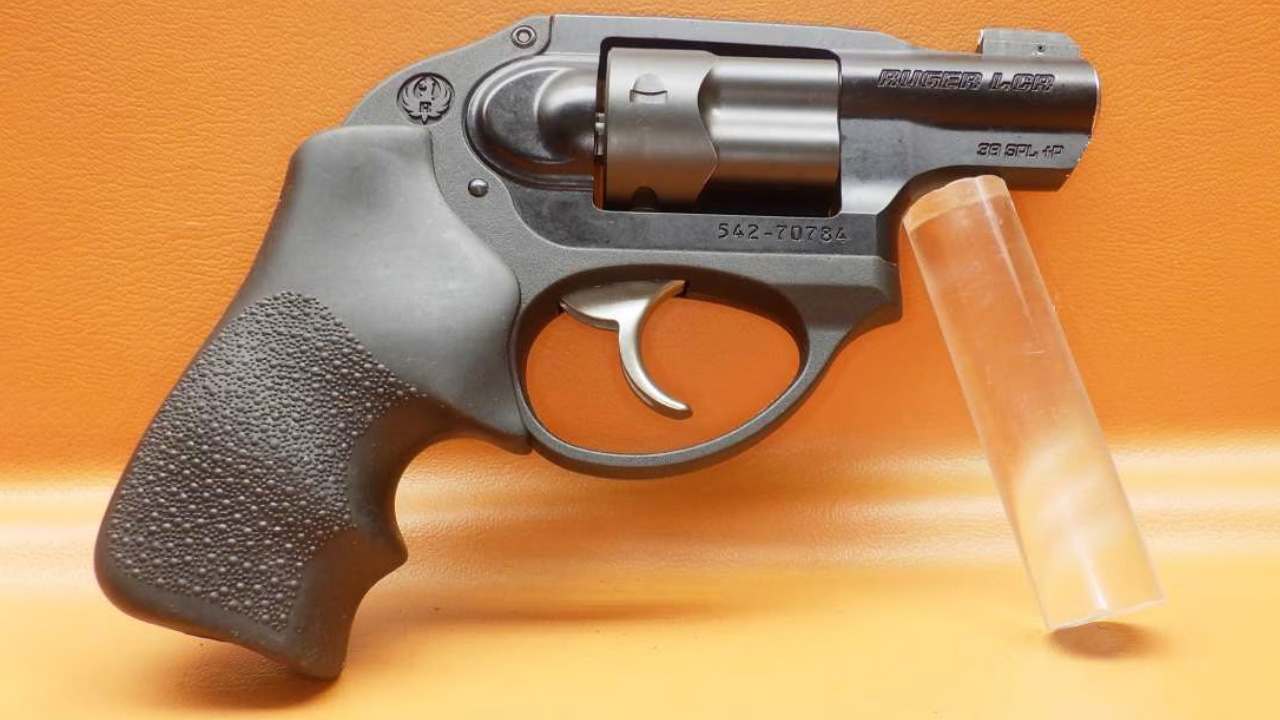
Ruger’s current LCR overview says the patented polymer fire-control housing reduces weight significantly and helps reduce recoil, and it also points to the Hogue Tamer Monogrip as a recoil-reducing feature.
That is important because ultralight revolvers often become unpleasant to shoot quickly. Ruger was clearly trying to solve that problem, not just make the gun lighter and call it done. That interpretation is an inference, but it follows directly from Ruger’s own design emphasis.
14. The LCR became one of Ruger’s most expandable revolver platforms
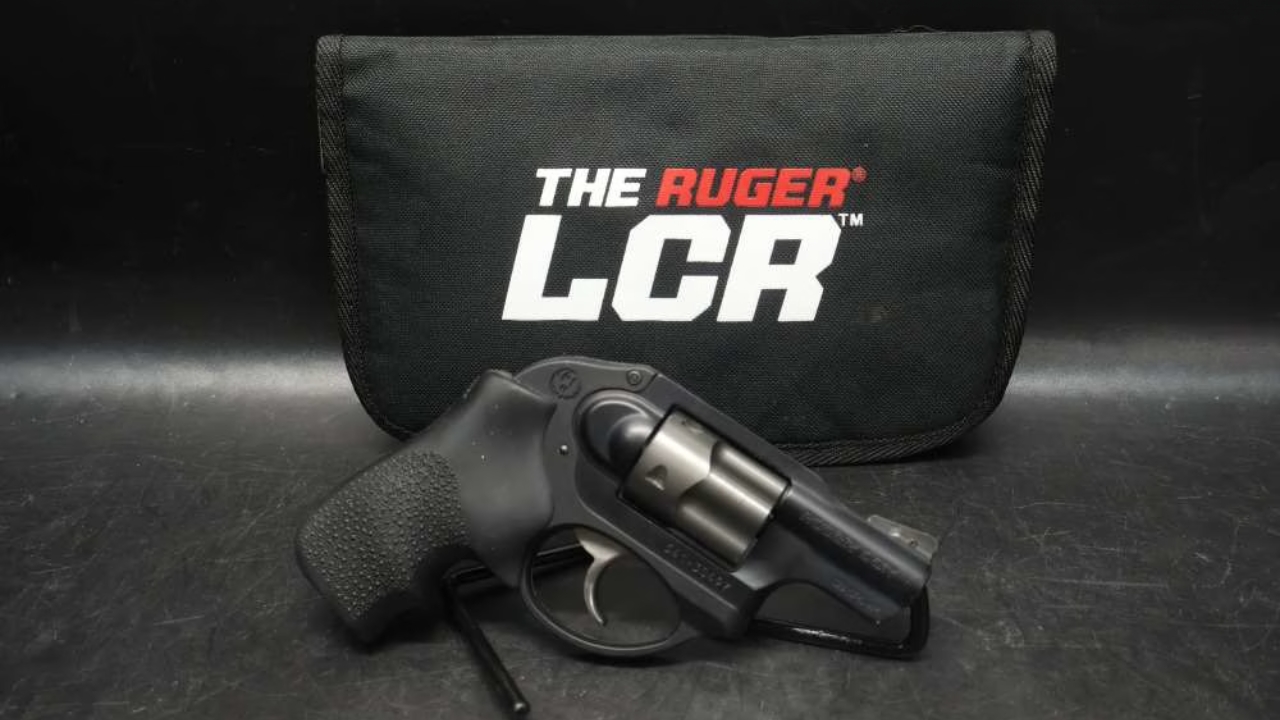
Ruger’s current LCR models page shows how broad the line is now, and Ruger’s past updates plus American Rifleman coverage show the same pattern over time: centerfire DAO, rimfire, 9mm, .327, external-hammer LCRx, and longer-barrel variants.
That tells you the LCR was not some one-hit design. It became one of Ruger’s most flexible revolver families because the underlying concept turned out to be stronger than many people expected. That final clause is an inference grounded in the documented lineup growth.
15. The biggest thing most people miss is that the LCR really did modernize the snub-nose revolver formula
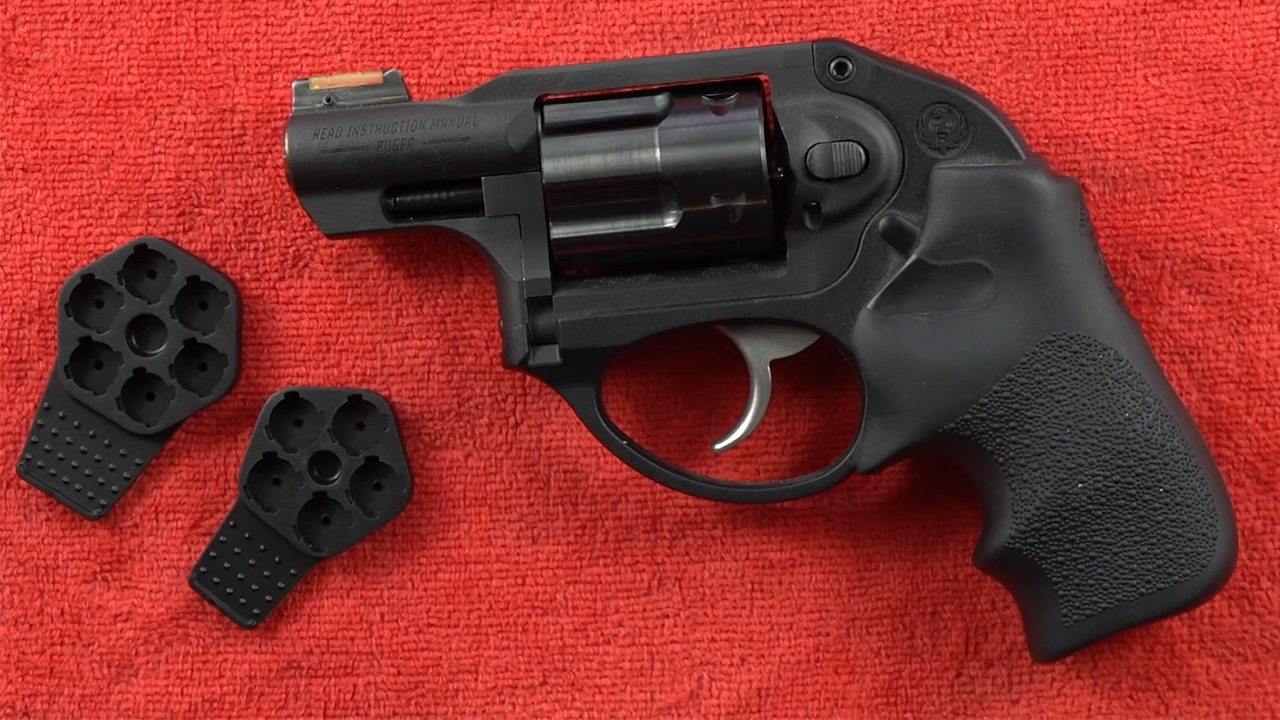
The most interesting thing about the LCR is probably that Ruger’s “evolutionary revolver” language was not just ad copy. Between the polymer fire-control housing, the monolithic frame, the friction-reducing cam trigger system, caliber-specific frame materials, and later LCRx expansion, the gun genuinely changed the normal expectations for a small carry revolver.
That is why the LCR still matters. It was not just another lightweight snub. It was one of the few small revolvers that actually moved the category forward in a visible way.