Photo credit: Body Stock/Shutterstock.com
A good scope can make all the difference in the field—but only if you’re using it right. Doesn’t matter how much you spent or how fancy the glass is. If your setup’s off or you’re making small mistakes, you’re not getting the accuracy you should.
I’ve seen it too many times—guys missing easy shots or chasing zero because of stuff that’s easy to fix. So if you’re running a scope, here are ten common mistakes that could be messing with your shot more than you realize.
Mounting It Wrong

If your scope isn’t mounted correctly, nothing else matters. Too high, too low, or off-center—and you’ll be chasing zero all season. A poor mount throws off consistency, messes with eye relief, and puts unnecessary stress on your gear.
Don’t eyeball it and hope for the best. Use a torque wrench, level it properly, and check everything twice. It’s not just about making shots—it’s about making repeatable shots. Get it right from the start, or you’ll be burning time and ammo trying to fix it later.
Ignoring Eye Relief

Cramming your face too close or too far from the scope ruins your sight picture and slows you down. Worst case, it’ll slap you in the eyebrow if you’re not careful—especially with heavier calibers.
Eye relief should feel natural. You should have a full field of view without creeping up on the scope. Set it properly when mounting and double-check it in your normal shooting position, not just on a bench.
Zeroing at the Wrong Distance

Zeroing too close or too far for your typical hunting shots throws everything off in the field. A 25-yard zero might look good on paper, but that bullet’s not doing what you expect past 100 yards.
Take the time to zero at the range you’re most likely to shoot. For most big game hunting, that’s 100 or 200 yards. If you’re not sure, stick with 100—it’s a reliable baseline that works in most setups.
Not Locking Down Your Turrets

Some scopes have turrets that turn a little too easy. If you’re not paying attention, you’ll bump one crawling through brush or pulling your rifle out of a case—and your shot will be off without you knowing it.
If your scope has locking turrets, use them. If it doesn’t, get in the habit of checking them before you settle in for a shot. Doesn’t take but a second, and it can save a blown opportunity.
Skipping the Parallax Adjustment

If your scope has a parallax adjustment and you’re not using it, you’re costing yourself accuracy. At longer distances, even slight parallax error can throw your shot off just enough to matter.
Dial it in for your target’s distance. Your reticle should stay on target even if you shift your head slightly. If it moves, your parallax isn’t set right—and you’re not seeing what you think you’re seeing.
Cranking Magnification Too High

Maxing out magnification might seem like a good idea, but it usually makes things worse—smaller field of view, more wobble, and slower target acquisition. In the field, that can cost you.
Stick with lower magnification unless you’re set up steady and taking a longer shot. For most hunting situations, something in the 4x–8x range works better. It gives you quicker sight picture and better overall awareness.
Not Leveling the Reticle
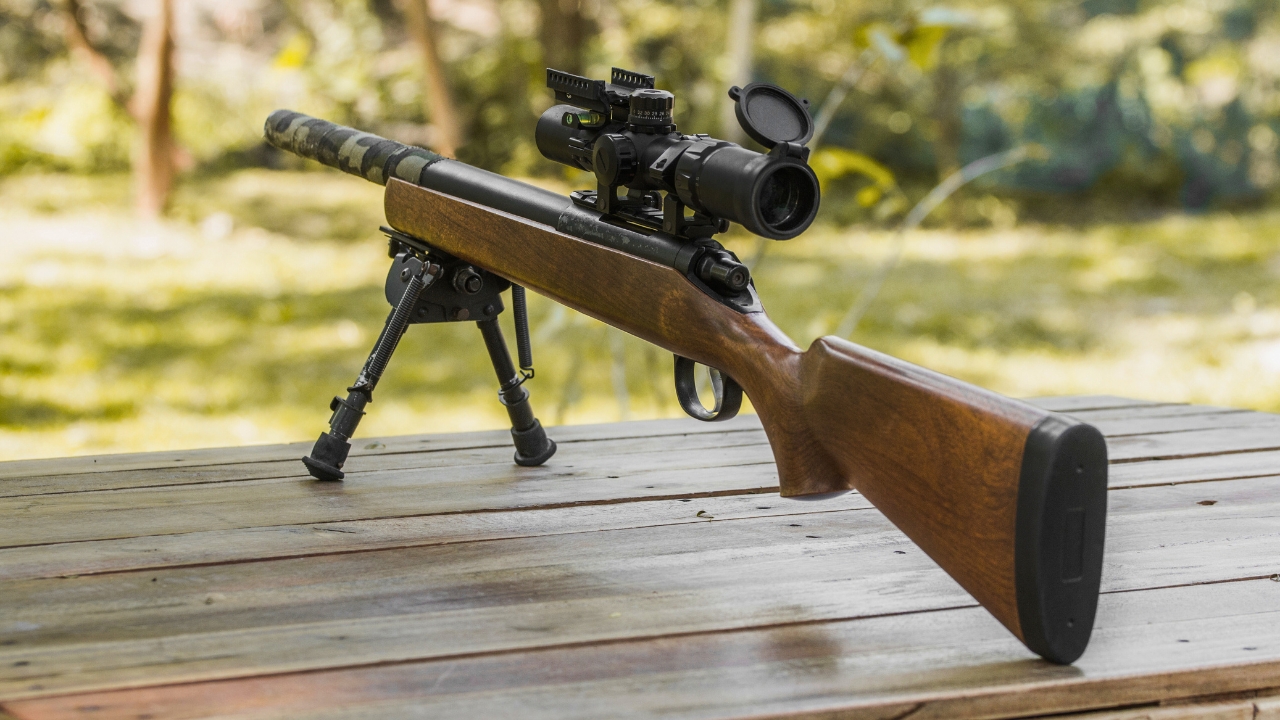
If your reticle isn’t level with your rifle, your shots are going to drift left or right at longer distances—even if everything else is dialed. It’s easy to miss, and it can seriously mess with your consistency.
Use a scope level or bubble level during setup. Don’t just trust your eye. A canted reticle might not show at 50 yards, but you’ll notice it when you stretch things out.
Over-Tightening the Rings

Over-tightening scope rings can warp the tube or even crush it, especially on lightweight scopes. You’re not locking down a lug nut—you’re securing precision glass.
Use a torque wrench and follow the manufacturer’s specs. It doesn’t take much to keep the scope secure. Cranking it too hard causes more damage than most folks realize.
Not Practicing with Your Setup

Zeroing your rifle and sticking it in the safe until opening day isn’t enough. Every setup has its quirks—eye relief, holdover, reticle style—and if you’re not running it regularly, you won’t be fast or confident when it counts.
Practice from field positions, not just the bench. Get familiar with how your scope feels off a pack, a tripod, or kneeling. Muscle memory matters more than you think.
Forgetting to Dial Back After a Shot

If you’re dialing elevation for longer shots and forget to reset, your next shot could be way off—and you might not realize it until it’s too late. This one gets a lot of folks, especially in the heat of the moment.
Make it a habit: after the shot, dial back to zero. Do it every time, even if you think you’ll need another follow-up. It keeps your system ready and avoids ugly surprises.
*This article was developed with AI-powered tools and has been carefully reviewed by our editors.