Photo credit: Dominick Blaszkiewicz/Shutterstock.com
Spend enough time on gun forums and you’ll notice certain calibers get hyped up as if they’re the ultimate choice for hunting, self-defense, or long-range shooting. They get talked up by folks who love the idea on paper, but in real-world use those same rounds often let shooters down. Whether it’s poor performance on game, unreliable penetration, punishing recoil, or simple impracticality, these calibers don’t live up to the praise once you’re outside the internet bubble. Hunters, guides, and serious shooters quickly learn which cartridges pull their weight and which ones are more trouble than they’re worth. These are the calibers that rack up posts and likes online, but in the field, they tell a very different story.
.17 HMR

The .17 HMR has a reputation for speed and accuracy, which makes it look like a perfect small-game round. Online, it’s often praised as a step up from .22 LR, with flatter trajectory and explosive impact. But in the field, its weaknesses show up fast. The tiny bullet is heavily affected by wind drift, which makes longer shots unreliable unless conditions are perfect. Hunters also find that while it can drop varmints cleanly, it doesn’t always anchor animals as well as the hype suggests.
Another issue is cost. Compared to .22 LR, .17 HMR ammo is more expensive and not nearly as versatile. Many shooters discover after a season that the added speed isn’t worth the trade-offs. It can be fun to shoot at the range, but it doesn’t live up to the glowing reputation when hunting situations get unpredictable.
.22 Magnum

On paper, .22 Magnum looks like a smart middle ground between .22 LR and centerfire cartridges. It gets a lot of online love for being “more powerful” than .22 LR while still cheap to shoot. But in practice, it’s often disappointing. The velocity looks impressive, but terminal performance on anything larger than a rabbit leaves a lot to be desired. Hunters find it lacking when it comes to clean kills on coyotes or similar-sized animals.
Another problem is accuracy. While some rifles shoot .22 Magnum well, many don’t group consistently. Combine that with expensive ammo and limited bullet options, and you get a caliber that doesn’t perform as its fans claim. It ends up being too much for small game and not enough for larger varmints, leaving hunters wondering what role it actually fills.
.25 ACP

If you read online forums about concealed carry, you’ll find someone defending .25 ACP as “better than nothing.” It gets praised for being reliable in tiny pocket pistols and having more consistency than rimfire .22. But when it comes to stopping power, the reality is bleak. Field reports and real-world use show that .25 ACP simply doesn’t penetrate deeply enough to be effective in self-defense.
Even with modern ammo, it fails to meet the performance needed to stop a threat quickly. Many of the small pistols chambered for it are also unreliable, adding insult to injury. People who carry .25 ACP often upgrade as soon as they realize how limited it is. Online chatter may keep it alive, but in actual use, it falls flat.
5.7x28mm

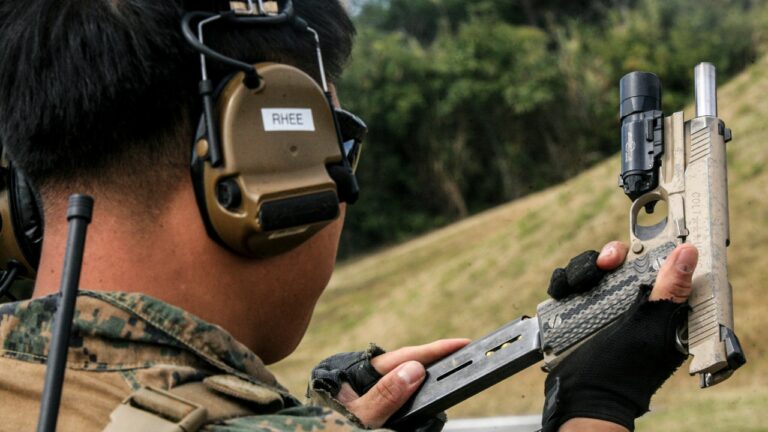
The 5.7x28mm cartridge is one of the most hyped rounds online, with fans claiming it offers rifle-like performance in a handgun. The FN Five-seveN and similar platforms gave it an air of tactical appeal. In practice, though, the round has serious limitations. Its small, lightweight bullets often zip through targets without delivering effective energy transfer, leading to underwhelming results in real defensive use.
Hunters who try it for varmints also find it inconsistent compared to tried-and-true .223 loads. The ammo is expensive, hard to find, and doesn’t always justify its cost. While it’s fun at the range and has a futuristic feel, the 5.7x28mm hasn’t proven itself in the field the way its fans claim.
.410 Bore (as a defensive round)

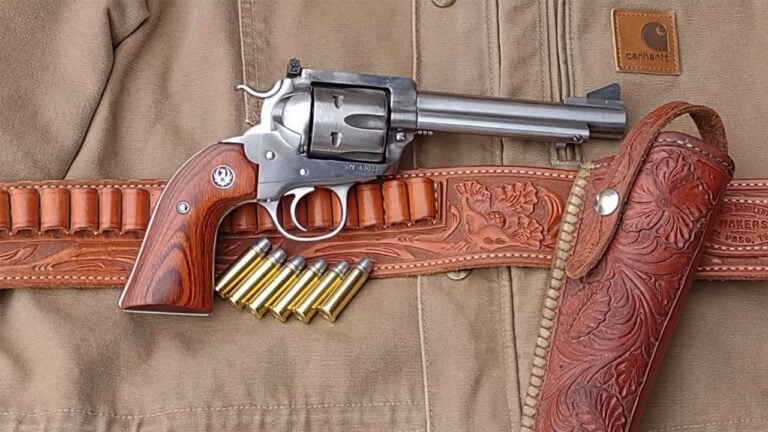
Online, the .410 shotgun gets endless praise for home defense, especially when paired with revolvers like the Taurus Judge or Smith & Wesson Governor. Supporters claim it offers the stopping power of a shotgun in a handheld package. The reality is different. Most .410 loads were designed for small game or pests, not personal defense. Even the defensive loads lack the penetration and spread that larger gauges deliver.
In field tests and real-world use, the .410 often fails to deliver the stopping power needed. The short barrels of revolvers also rob the cartridge of velocity, making it even less effective. While it looks impressive in advertising, many shooters quickly realize that it’s more novelty than serious option when lives are on the line.
.32 ACP

The .32 ACP had its day in early 20th-century Europe, but online chatter often tries to bring it back as a “viable” self-defense caliber. Fans claim it offers lower recoil and easier shooting in small pistols. In the field, though, it’s painfully underpowered. Real-world shootings have shown its poor track record for stopping threats, and even modern hollow points struggle to make it effective.
Guides and trainers don’t recommend it because it lacks penetration and terminal effect. Many .32 ACP pistols are also outdated, adding to the drawbacks. What sounds good in theory—a manageable, lightweight defensive round—doesn’t hold up when performance is actually needed.
.338 Lapua Magnum

The .338 Lapua gets hyped online as the ultimate long-range round, with people posting about mile-long hits and military sniping feats. But for the average shooter or hunter, it’s not practical. The rifles are heavy, ammo is expensive, and recoil is punishing. In the field, hunters often find it overkill, destroying more meat than necessary.
Most shooters simply don’t have the ranges available to take advantage of what the caliber can do. Instead of being a do-it-all long-range solution, it turns into an expensive experiment. Online, it’s king of the bragging rights crowd. In reality, most hunters and shooters park the rifle after realizing it’s more headache than help.
6.5 Creedmoor (for big game)

6.5 Creedmoor is one of the most praised calibers on the internet, with a reputation for accuracy and low recoil. While it’s fantastic for target shooting, it doesn’t always live up to the hype in hunting. On big game like elk, the lightweight bullets can fail to deliver enough energy for a clean kill unless shot placement is perfect. Hunters in the field often complain that it’s less forgiving than larger, proven cartridges.
The Creedmoor is excellent in the right role, but online fanbases sometimes push it as a do-it-all caliber. That’s where the disconnect happens. In practice, hunters who expected it to be a one-size-fits-all round often walk away disappointed.
.458 SOCOM

Online discussions often present .458 SOCOM as the perfect big-bore AR cartridge, able to take down anything from deer to bears. It sounds great in theory, but real-world use shows plenty of flaws. The trajectory is poor, recoil is heavy, and effective range is short. Hunters often find it impractical compared to more common cartridges like .45-70 or .308.
Ammo is also expensive and not widely available, which makes practice difficult. Many shooters end up running it at the range for novelty, but in the field it doesn’t perform as promised. What looks like a powerhouse in posts and videos turns into a limited, frustrating choice outside of the internet hype.
.350 Legend

The .350 Legend exploded in popularity online as the “ultimate straight-wall hunting cartridge.” In states with straight-wall hunting laws, it was touted as a game-changer. But hunters in the field discovered it’s not as great as advertised. Accuracy issues with certain rifles and inconsistent terminal performance left many disappointed. Some bullets expand poorly, while others fail to penetrate as needed.
Add in limited range and hunters often find themselves underwhelmed. While it has a niche role in restricted states, it doesn’t live up to the hype of being a versatile, all-around hunting caliber. Many hunters who bought in early now leave the rifles in the safe.
.40 S&W

The .40 S&W had its heyday in law enforcement and is still talked up online as the “perfect compromise” between 9mm and .45 ACP. In reality, it brings drawbacks without delivering clear advantages. The recoil is snappier than 9mm, capacity is lower, and advancements in bullet technology have closed the gap that once made .40 attractive.
Shooters in the field often find it harder to control than 9mm without offering enough benefit to justify the trade-off. That’s why so many agencies moved back to 9mm. Online, it still gets praised by those holding onto its reputation, but real-world users know better.
7mm Remington Ultra Magnum

The 7mm RUM gets a lot of online hype for being a flat-shooting powerhouse. But hunters quickly discover that it’s overbore, inefficient, and punishing to shoot. The recoil wears you out, and barrel life is much shorter than more balanced cartridges. While it looks good on a ballistics chart, in the field it doesn’t bring enough to justify the drawbacks.
Hunters often trade them off after a season, realizing they could do the same work with a .300 Win Mag or .280 Ackley without the headaches. What seems like a ballistic wonder online is more of a novelty in practice.
.327 Federal Magnum

Fans of revolvers online love to praise the .327 Federal Magnum as a versatile round with better performance than .38 Special and more capacity in small frames. On paper, that’s true, but in the field, it rarely meets expectations. Ammo availability is limited, recoil is sharper than you’d expect, and terminal performance doesn’t separate it enough from other calibers to make it worthwhile.
Hunters and defensive shooters alike find it fills a strange middle ground without excelling at much. It’s a caliber that looks great in theory but fails to earn its keep once you leave the range.
.243 Winchester (for larger game)
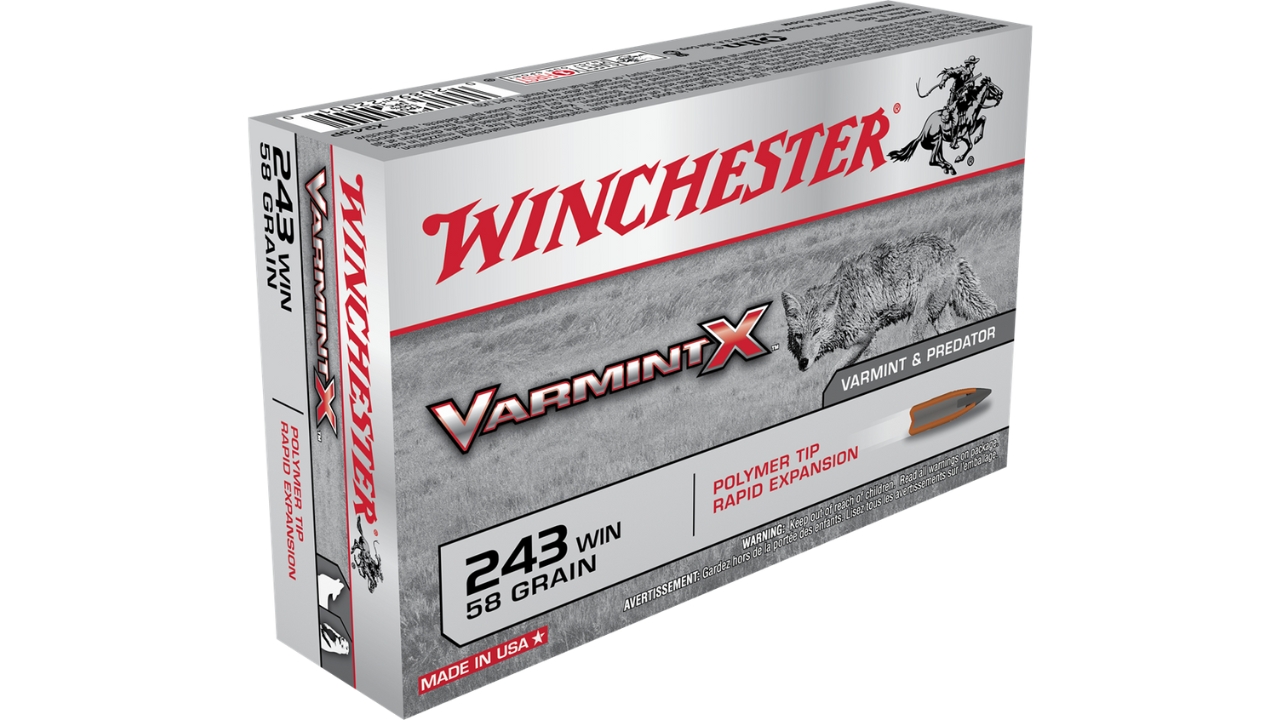
The .243 Winchester is beloved online for being light-recoiling and flat-shooting, but many hunters have seen it fail on deer and especially elk. Bullet selection matters heavily, and when the wrong loads are used, the results can be poor penetration and long tracking jobs. Online hype makes it sound like a flawless deer cartridge, but in the field, the margin for error is thin.
Hunters who expected it to handle big game often walk away disappointed. The .243 has its place on varmints and smaller deer, but its reputation online oversells what it can realistically do.
*This article was developed with AI-powered tools and has been carefully reviewed by our editors.