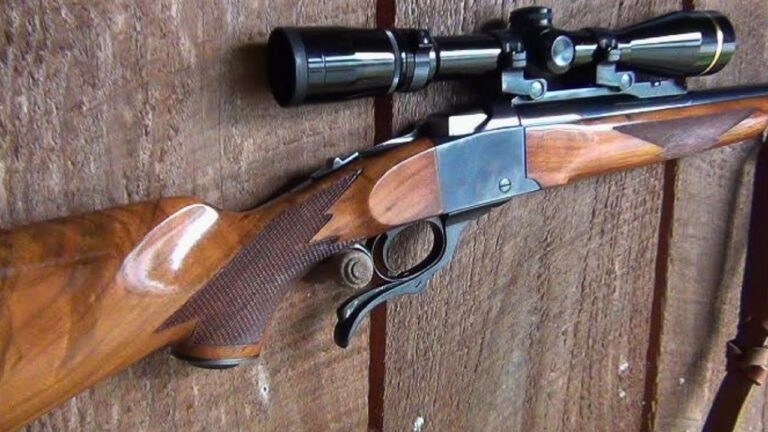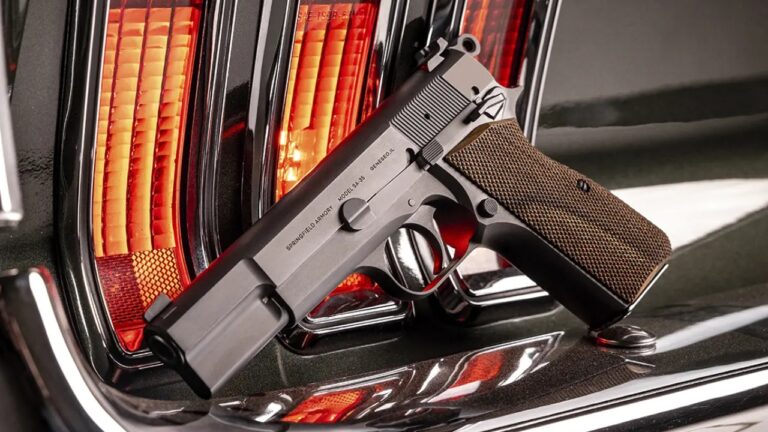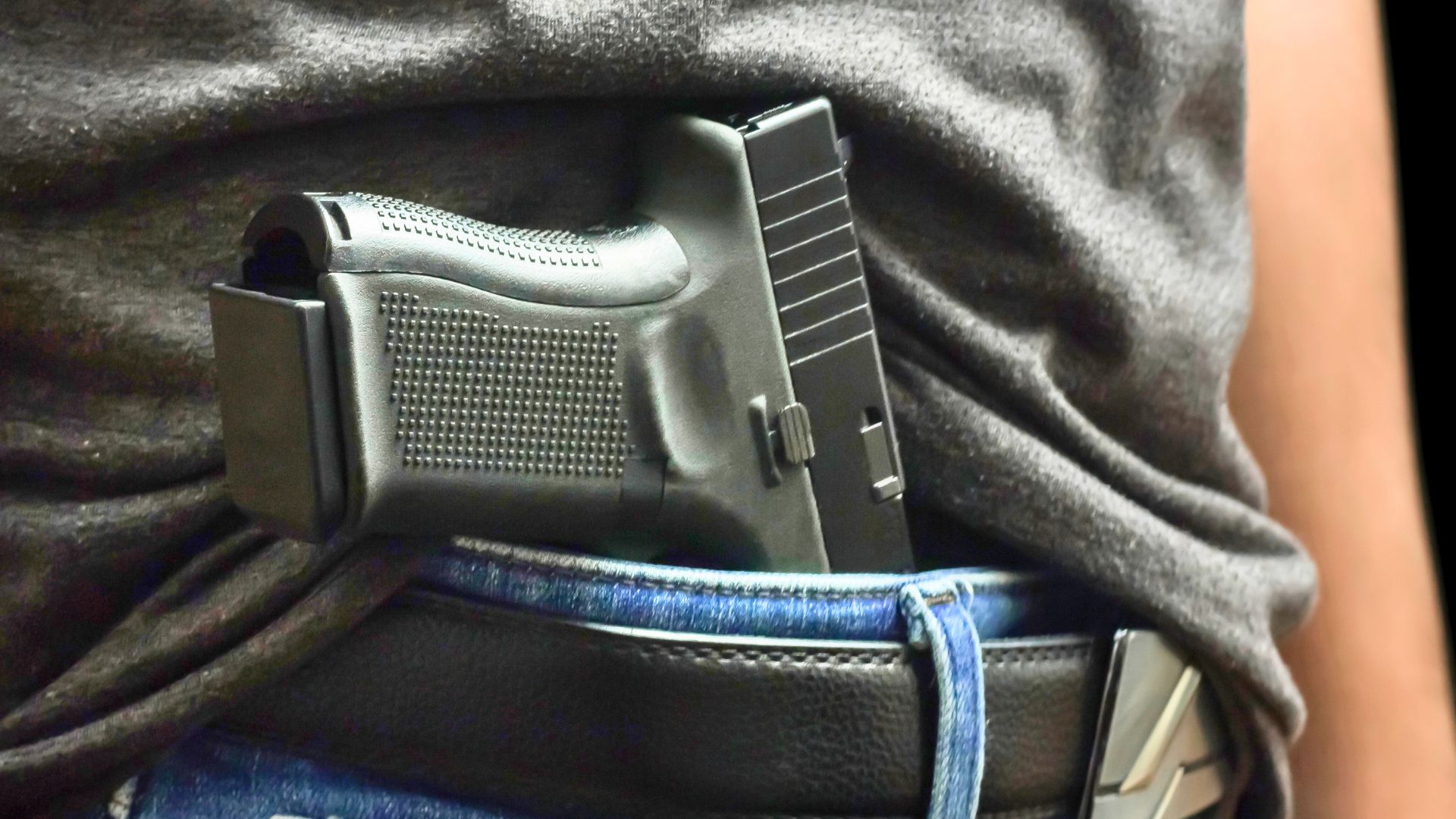
Photo credit: Rattanapon Ninlapoom/Shutterstock.com
You spend hours debating calibers, striker-fired triggers, and optic cuts, but the part of your carry setup that quietly makes or breaks everything is the belt wrapped around your waist. If that foundation is wrong, the best pistol and holster in the world will still print, sag, and dig into your back by lunchtime. Treating the belt as core gear instead of an afterthought is what separates a carry rig that you tolerate from one you can actually live with every day.
Why the belt is the real backbone of your EDC
When you carry a handgun, you are not just hanging a few extra ounces from your waistband, you are asking your clothing to manage a compact life-support system. The belt is the structural piece that has to control the weight of the pistol, holster, and any accessories while you sit, stand, drive, and bend. A proper belt is the most overlooked aspect of an everyday carry rig, yet it is the one component that directly controls how stable the gun feels, how close it rides to your body, and how quickly you can access it under stress.
Specialized belts built for EDC are designed from the start to support that role, which is why companies that focus on carry gear describe a proper belt as the single most neglected part of the setup. Instead of flexing and twisting like a fashion accessory, these belts use stiffer materials and more secure buckles so they can hold a pistol, a spare magazine, and other tools in a consistent position. When you think of your carry gear as a system, the belt becomes the backbone that lets the holster and firearm actually do their jobs.
How gun culture fixates on hardware and ignores support gear
If you spend any time around gun counters or online forums, you see how quickly conversations drift toward the gun itself. You are encouraged to obsess over barrel length, slide cuts, and the latest micro-compact, while the belt that has to carry it all rarely gets more than a passing mention. That imbalance mirrors a broader cultural habit where Some enthusiasts treat firearms as the star of every scenario, and that mindset can blind you to the quieter gear that keeps everything practical and safe.
In gaming communities, you can even see people complain that Some players are almost like obsessed with their guns and want them everywhere, in anything, a dynamic captured in one discussion where Some and They are described as pushing firearms into every fantasy setting. That same fixation shows up in real-world carry, where you might pour your budget into the pistol and optic while grabbing a bargain-bin belt on the way out of a department store. The result is a lopsided rig that looks impressive on a spec sheet but feels clumsy and unstable the moment you clip it on.
What actually separates a gun belt from a normal belt
At a glance, a gun belt can look like any other strip of leather or nylon, which is why so many people assume their everyday belt is good enough. The difference is inside. A purpose-built gun belt is engineered to resist sagging, twisting, and stretching under the concentrated weight of a holstered firearm. That means stiffer cores, reinforced stitching, and hardware that will not slip when you draw or reholster.
However, there are many differences between a good gun belt and a regular fashion belt, starting with how the material is layered and finished so it can handle everyday carry of a firearm without deforming. A normal leather belt from your local store is usually designed to hold up a pair of jeans, not a loaded pistol, and over time it will stretch and collapse around the holster. Guides that walk you through buying the best option emphasize that, However carefully you choose your gun, you still need a belt specifically built to support it.
Why department store belts fail under real carry weight
Most of the belts you find in a typical clothing aisle are built to hit a price point and match an outfit, not to manage the leverage of a holstered pistol. They are often made from a single layer of leather or two very thin layers glued over a soft filler, which feels flexible in the hand but collapses as soon as you hang weight on it. When you clip a holster to that kind of belt, the material compresses at the attachment point, the gun leans outward, and the buckle starts to creep during the day.
That construction problem is not theoretical. Descriptions of how these belts are built explain that Most department store belts rely on those thin layers and soft cores, which quickly deform at the location where you place your holster. Once that happens, the gun no longer sits at a consistent angle, your draw stroke becomes less predictable, and the extra bulge at your waist makes concealment harder. You may blame the pistol or the holster for printing, when the real culprit is the belt that has quietly given up.
How a weak belt wrecks concealment and stability
When your belt cannot hold its shape, every other part of your carry setup has to work harder. A soft strap lets the holster tilt away from your body, which pushes the grip outward and makes the gun more visible under a shirt. That same flex allows the holster to slide along the belt line, so the position you carefully chose in the morning is not the one you are working with by late afternoon. The result is a rig that feels like it is constantly shifting, which erodes your confidence and tempts you to fidget with the gun in public.
Manufacturers that see these problems firsthand warn that a bad belt can cause the holster to move around, tilt away from the body, or even dump the gun if you have to run or bend suddenly. One detailed breakdown notes that a bad belt can lead to exactly that kind of instability, while a properly designed gun belt keeps the holster locked in place and pulled tight to your torso. When you fix the belt, you often find that the same holster and pistol suddenly conceal better, feel lighter, and stay where you put them.
Why stiffness and structure matter more than thickness
It is easy to assume that any thick belt will do, but what you actually need is controlled stiffness. A good gun belt is rigid enough to keep the firearm pressed against your body, yet still flexible enough to contour to your waist so it does not feel like a steel band. That balance is what prevents the gun from tipping outward while still allowing you to move naturally, sit in a car, or lean forward without the belt digging into your ribs.
Comparisons between gun belts and regular belts highlight that regular belts are not stiff enough to keep a holstered firearm held tight against your body, which leads to printing and discomfort. When the belt flexes, the weight of the gun spills outward instead of staying tucked in, and that is exactly what one analysis means when it explains that This is because regular belts are built for fashion, not for load-bearing. When you choose a belt with a reinforced core and consistent stiffness from buckle to tail, you give your holster a solid platform that keeps the gun exactly where you expect it to be.
Integrating the belt with holster, clothing, and shirt length
A strong belt is only part of the equation, because it has to work with your holster and clothing to create a coherent system. Inside-the-waistband holsters rely on the belt to clamp the gun against your body, while outside-the-waistband designs need a stable platform to keep the muzzle from flaring outward. If your shirt is too short or too tight, even the best belt will struggle to hide the outline of the pistol, especially when you reach overhead or bend at the waist.
Basic wardrobe guidance notes that Shirt Length Generally speaking should reach your belt, because if it does not, any movement can expose what is underneath. Tailoring advice explains that if a shirt does not reach the belt line, it is too short, and if it hangs far below, it can make you appear shorter and draw attention to your midsection. That is why one style guide stresses that Shirt Length Generally needs to be long enough to cover the belt without overwhelming your frame. When you pair a purpose-built gun belt with a holster that matches your carry position and shirts cut to the right length, you get a setup that looks ordinary from the outside but functions like dedicated equipment.
Comfort, health, and why fit matters as much as rigidity
Even the most supportive belt will fail you if it is miserable to wear. If you cinch it so tight that it digs into your hips, you create pressure points that become distracting and, over time, can contribute to back and posture problems. Add a gun holster or magazine holster inside the waistband and those hotspots multiply, especially if you spend long hours seated at a desk or behind the wheel. Comfort is not a luxury in this context, it is what allows you to carry consistently instead of leaving the gun at home.
Discussions of long-term wear point out that Comfort with a gunbelt is a real concern, particularly when you Add a holster and other gear IWB, because the most common complaint from law enforcement officers is back pain linked to poorly distributed weight. One detailed look at these issues notes that Comfort and proper adjustment can reduce that strain by spreading the load more evenly around the waist. When you choose a belt that allows micro-adjustments instead of fixed holes, you can fine-tune the fit as your posture changes throughout the day, which keeps the rig secure without cutting into your sides.
Modern EDC belts and how to choose one that works for you
In recent years, modern gun belts have evolved from stiff leather straps into more sophisticated pieces of equipment. Many now use internal reinforcement, ratcheting buckles, and low-profile hardware that disappears under casual clothing. These designs aim to give you the rigidity you need for a stable draw while still looking like a normal belt in an office or restaurant. The goal is simple: a belt you can wear every day without broadcasting that you are carrying.
Some of the latest designs, such as the Kore Essentials gun belt, use a rigid core and a track-style buckle to combine strong support with precise adjustment. In one overview, the Kore Essentials model is described as a game-changing accessory for everyday carry because the internal structure keeps the gun from sagging while the micro-adjustable buckle lets you loosen or tighten the belt in small increments as you move. That balance of stiffness and comfort is why many people upgrade their everyday carry with a Kore Essentials style belt instead of relying on a generic strap. When you evaluate options, look for that same mix of internal reinforcement, secure hardware, and discreet styling so your belt supports the gun without drawing attention.
Building a complete, belt-centered carry system
Once you accept that the belt is the foundation of your carry setup, the rest of your decisions start to fall into place. You can choose a holster that works with that belt, rather than fighting against it, and you can adjust your clothing to complement the way the rig rides on your body. Some manufacturers even design their holsters and belts as matched components, such as Both the Vedder V3 Gun Belt and a LightTuck IWB holster, which are presented as working together as a vital part of an EDC setup. That kind of integrated approach helps you avoid the trial-and-error of mixing random parts that were never meant to function as a unit.
When you evaluate your own gear, start by asking whether your current belt was actually built to carry a firearm or just happened to be in your closet. If it is a fashion piece, upgrading to a dedicated gun belt will often solve problems you may have blamed on the pistol, from printing to sore hips. Companies that specialize in carry gear emphasize that Both the belt and holster are critical, and one overview of everyday concealed carry notes that Both the Vedder V3 Gun Belt and a compatible IWB holster form the core of a reliable rig. When you treat the belt as that kind of central component instead of an accessory, you end up with a carry system that is safer, more comfortable, and far less likely to cause issues than the gun itself.
Like The Avid Outdoorsman’s content? Be sure to follow us.
Here’s more from us: