Photo credit: Tactical Toolbox/YouTube
You can build a carry gun that looks “perfect” on the internet and still hate it six months later when it’s chewing your side, printing through a T-shirt, or acting weird on the one range day you actually run it hard. The regret usually doesn’t come from the gun itself. It comes from stacking features that sounded smart in theory but add friction in real life: more snag points, more maintenance, more training overhead, and more little reliability variables that only show up when the pistol is dirty, hot, or being drawn from concealment under a cover garment.
A carry gun lives in a harsh environment. It rides in sweat, lint, dust, and constant movement. It gets bumped by seatbelts and door frames. It spends weeks without being fired, then you expect it to light off and cycle perfectly when your heart is pounding and your grip isn’t as clean as it is on a calm range lane. That’s why “features” have to earn their keep. If a part makes the gun faster or more accountable for you with your holster, your clothing, your ammo, and your practice habits, it might be worth it. If it makes the gun pickier, harder to conceal, or harder to run under stress, you may end up wishing you’d left it alone.
Light triggers and reduced-power springs that turn consistency into a guessing game
A lighter trigger can feel like instant improvement because it hides sloppy trigger control, at least for slow fire. The problem is that carry shooting isn’t slow fire. When you’re drawing from concealment at seven yards and trying to put two accountable hits into the upper chest in under two seconds, your trigger finger is moving faster, your grip pressure is changing, and you’re processing more information. That’s where an ultra-light trigger can become less predictable, especially if it has a short wall and a quick break that you haven’t truly trained for. You’ll see it as early shots breaking before your sights are settled, or you’ll start “hovering” on the wall and snatching the press when the dot or front sight flashes through the target. Either way, the feature you bought for performance starts creating performance problems.
The mechanical regret often shows up when people chase a lighter pull by changing springs. Reduced-power striker or hammer springs can be fine in a match gun, but in a carry gun they can create intermittent light primer strikes depending on ammo and primer hardness. That’s not a theory problem, it’s a timing and energy problem, and it tends to show up at the worst time because it’s not always repeatable on command. Add in the fact that carry guns get dirty, dry out, and sometimes see inconsistent lubrication, and you’ve stacked variables on top of the one job the gun must do every time. If you want a better trigger, the safer path is usually a clean, consistent pull with full ignition reliability, not the lightest number you can brag about.
Compensators and porting that trade convenience and reliability for a “feel” you don’t always need
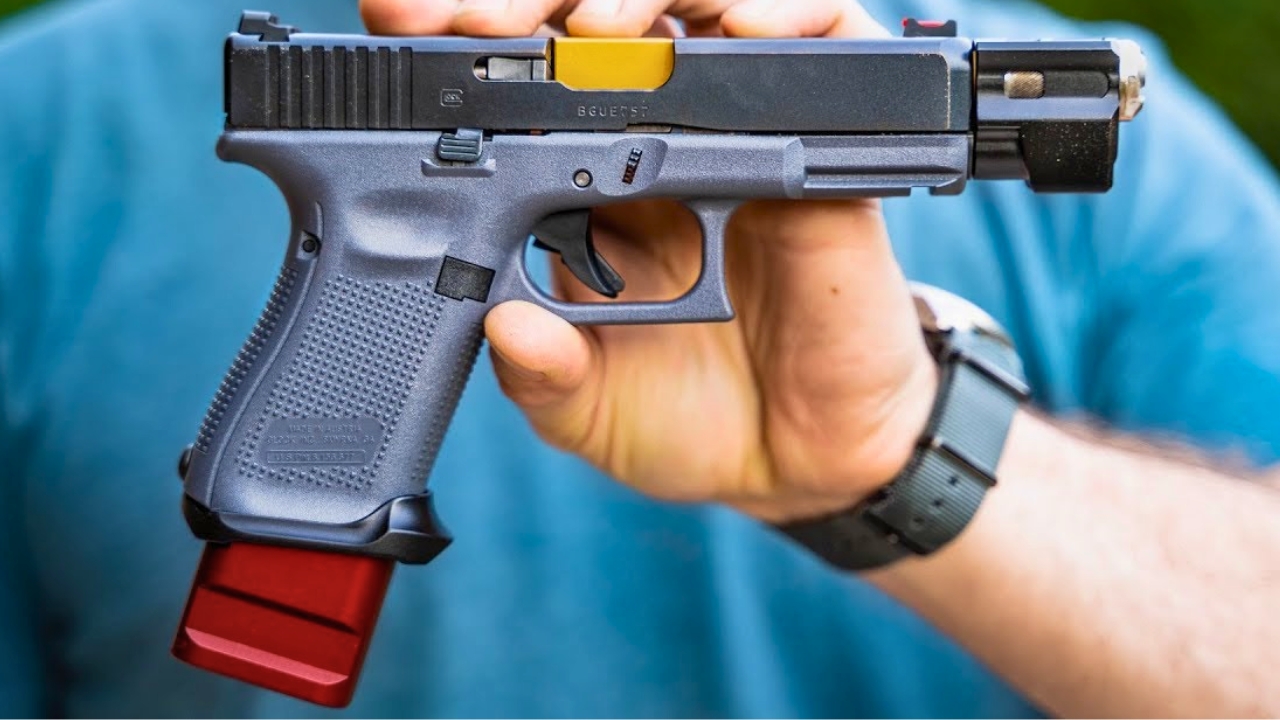
Comps and porting can absolutely reduce muzzle rise, and if you’re shooting fast strings in controlled conditions you’ll feel the difference. The regret hits when you try to live with that setup every day. A comp adds length, changes holster fit, and often increases the odds of the muzzle or front end printing under lighter clothing. Porting and comps also redirect gas and blast, which can be miserable in certain positions and certain environments. In low light, ports can throw a bright signature that distracts your eyes. In a tight retention position, that gas has to go somewhere, and “somewhere” can be up into your face and hands depending on angle. That’s not a deal-breaker for everyone, but it’s a reality people don’t consider until they actually train in those positions.
On the functional side, comps and ports change slide dynamics, and that’s where tolerance stacking bites. You’re altering how the gun uses gas and how it returns to battery, and that can make some pistols more sensitive to ammo power and recoil spring rate. A carry gun also gets carbon and lint, and carbon builds faster when you’re venting gas through extra openings. If the gun starts slowing down as it fouls, you’ll see failures to return to battery or sluggish cycling with lower-powered practice ammo, especially in smaller guns that already have less slide mass to work with. If you’re the guy who shoots and cleans often, you may never notice. If you’re the guy who carries daily and shoots occasionally, this is exactly the kind of feature that can create a surprise.
Extended controls that feel “tactical” until they start doing things you didn’t ask for
Extended magazine releases, slide stops, and oversized safeties are popular because they feel like they’ll make manipulations faster. The problem is that concealment carry adds pressure from belts, holsters, and your own body, and pressure changes behavior. An extended mag release can get bumped during movement or when you sit and twist, and you won’t notice until the magazine unseats just enough to cause a failure to feed. That’s a brutal kind of malfunction because the gun might still fire the chambered round, then choke on the next one when you need it most. A big slide stop can also become a problem if your support-hand thumb rides it under recoil, preventing lockback or changing how the gun cycles in subtle ways that make diagnosing issues annoying.
The other regret is snagging and comfort. A carry draw is not a clean, open-air motion like it is on a range line. It’s cloth, seams, cover garments, and angles. A big safety lever or sharp-edged control can catch on clothing during the draw or dig into your side for ten hours a day, which leads to the most common outcome: you stop carrying the gun as often. That’s the quiet failure nobody talks about. If a feature makes the gun slightly faster but makes you leave it at home more, it didn’t improve your defensive readiness. It just gave you something neat to talk about while your carry habits got worse.
Optics setups that add capability but demand discipline you may not want to maintain
A pistol dot is one of the few “modern” upgrades that can genuinely make people more accurate and more accountable, especially at 15–25 yards and in flat light. The regret isn’t the dot itself for most shooters. The regret is the mounting stack and the mindset that comes with it. Plates, screws, and interfaces are failure points, and they don’t care about your feelings. If you don’t torque screws correctly, if you don’t use the right thread locker, if you don’t periodically check the setup, the dot can shift or loosen. Even a small shift changes point of impact enough to create misses at distance, and because the dot is so confidence-inspiring, shooters sometimes stop verifying their holds and start trusting the window like it’s a cheat code.
There’s also the training and maintenance reality. Dots collect lint, sweat film, and sometimes rain, and a dirty emitter or smeared lens can turn a crisp dot into a starburst or a fuzzy blob, especially if you already have astigmatism. Batteries die, brightness settings get bumped, and some holsters put pressure on optics housings in ways that can loosen things over time. None of this means dots are bad. It means dots are equipment. If you’re the type who will confirm zero at 10 and 25 with your carry ammo, keep the lens clean, and treat mounting as a real mechanical task, a dot can be a long-term win. If you want a carry gun that lives quietly with minimal attention, the optic stack can become one more thing you eventually get tired of thinking about.
Threaded barrels and tall sights that complicate carry for benefits you rarely use
Threaded barrels sound practical because they promise suppressor capability and “future options,” but most carry guns never see a suppressor outside of a range day. The regret shows up in the daily realities: added length, different holster fit, and sometimes a thread protector that loosens and rattles at the worst times. If the protector backs off slightly, it can affect holster draw feel, and if it backs off a lot it can interfere with cycling or snag on the holster mouth depending on the design. It’s also one more part to keep track of when you’re cleaning, checking function, and trying to keep the gun simple.
Suppressor-height sights can create a similar vibe. They’re useful if you’re running a can or you need cowitness with a dot, but taller sights can snag more, print more, and sometimes feel sharper against skin when you carry close to the body. On some pistols, taller sights can also be more prone to getting knocked around if you’re hard on gear, and that can matter because sight integrity is non-negotiable. If you truly run a suppressor or you truly need a specific sight picture for your optic setup, then the trade might be worth it. If it’s “because maybe someday,” you’re adding daily inconvenience and potential snag points for a capability you may never actually use when it matters.
Big magwells and extended baseplates that turn concealment into a constant fight
Magwells and extended baseplates are awesome on a range gun because they make reloads easier and give you more purchase for the support hand. The regret comes when you realize the grip is the hardest part of concealment, and you just made the grip bigger and more angular. That extra flare at the bottom prints under clothing, especially when you bend or twist, and it can poke or rub in ways that slowly convince you to adjust your carry position until the draw gets worse. For a lot of people, the “carry comfort” negotiation never ends once the grip grows, and the gun becomes something you carry only when you’re dressed around it.
There’s also a reliability angle people ignore. Extended baseplates and aftermarket magazine components can change spring behavior and follower tilt, especially when tolerances aren’t perfect. Some run flawlessly, some introduce subtle feed issues that only appear when the mag is dirty or the spring is tired. Carry mags live a hard life. They get loaded and unloaded, they get slammed during practice, they get lint and grit inside them, and springs fatigue. If your magazine setup is already on the edge, those conditions will eventually expose it. The boring truth is that factory magazines with factory geometry are hard to beat for consistent feeding, and many “upgrade” mag parts are solving a problem you may not actually have.
Aggressive stippling and grip tape that feels great until your skin, clothes, and habits disagree
A grippy frame can be a real advantage when your hands are sweaty, cold, or wet, and it can help you control recoil without over-gripping and yanking shots. The regret shows up when you carry that grip against your body all day. Aggressive stippling and sharp textures can chew up skin, wear holes in shirts, and make you dread putting the gun on in warm weather. Then you start compromising. You shift the holster position, you loosen the belt, you pick a different cover garment, and now the draw is inconsistent because you’re always trying to make the gun more comfortable instead of making yourself more consistent.
The other issue is that grip changes can mask technique problems. If your grip is inconsistent, ultra-aggressive texture can feel like it “fixes” recoil control, but it can also encourage you to clamp harder with the firing hand, which can drag shots and slow down a clean trigger press under speed. A carry gun should be controllable, but it should also be something you can train with comfortably and regularly. If the texture makes practice unpleasant, you’ll practice less, and less practice is the feature you regret most. A balanced texture that locks into the support hand without turning your waistline into sandpaper is usually the smarter long-term play.
The common thread here is that regret features aren’t “bad,” they’re mis-matched. They’re great for someone else’s context and annoying in yours. The right way to avoid regret is to pressure-test changes the way you actually carry: draw from concealment, shoot your carry ammo, run the gun hot and a little dirty, and see what happens when your grip isn’t perfect and your shirt isn’t cooperating. If a feature still helps under those conditions, it earned its place. If it only helps on a clean bench with perfect reps, you already know how that story ends.
Like The Avid Outdoorsman’s content? Subscribe to our newsletter so you never miss an article.
Here’s more from us: