

Image Credit: Brookieland/ Shutterstock.
Hooking a tarpon is about being in the right place at the right time with the right gear. These fish are strong, smart, and love to make a scene once they’re hooked. If you’ve never had one go airborne and nearly throw the hook mid-jump, you’re missing out.
These are the places where tarpon show up consistently—and where you’ve got a real shot at putting steel in one.
Boca Grande Pass, Florida

If you’re serious about catching tarpon, Boca Grande is the place to be. Every spring and summer, massive schools roll through the pass, making it one of the most dependable tarpon fisheries in the country.
It gets crowded, no question, but the numbers don’t lie. Whether you’re soaking crabs on the bottom or sight-casting in the clear water, chances are high you’ll get hooked up. Bring heavy gear and a strong back—you’re not fighting a trout out here.
Islamorada, Florida

Islamorada isn’t cheap, but the tarpon fishing here is hard to beat. You can find them laid up in the backcountry, cruising bridges, or staging in the channels. Early morning and evening are your best bet.
The bridges are the hot ticket. Pitch a live mullet or crab on a moving tide and hang on. Tarpon here get big, and they fight dirty in the structure. If you want multiple shots in a day, this stretch of the Keys delivers more often than not.
Homosassa, Florida

Homosassa doesn’t get the press Islamorada does, but it’s a favorite for hardcore tarpon anglers chasing giants. These fish are tough to fool, and the clear water means they’ll see every mistake you make—but they’re big.
Most folks throw flies, but live bait and soft plastics work too. It’s more of a hunt than a numbers game here, but the size of the fish makes it worth it. You won’t see crowds, and if you hook one, you earned it.
Apalachicola Bay, Florida

Tarpon cruise the beaches and passes near Apalachicola during the summer, and there’s plenty of open space to work with. You can fish from a skiff, kayak, or even the beach in the right conditions.
Mullet schools draw them in close, and when the tide’s moving, it’s go time. The Panhandle doesn’t get as much attention for tarpon, which means less pressure and more shots. The fish may not be as stacked up as Boca, but they’re here—and they eat.
San Juan, Puerto Rico
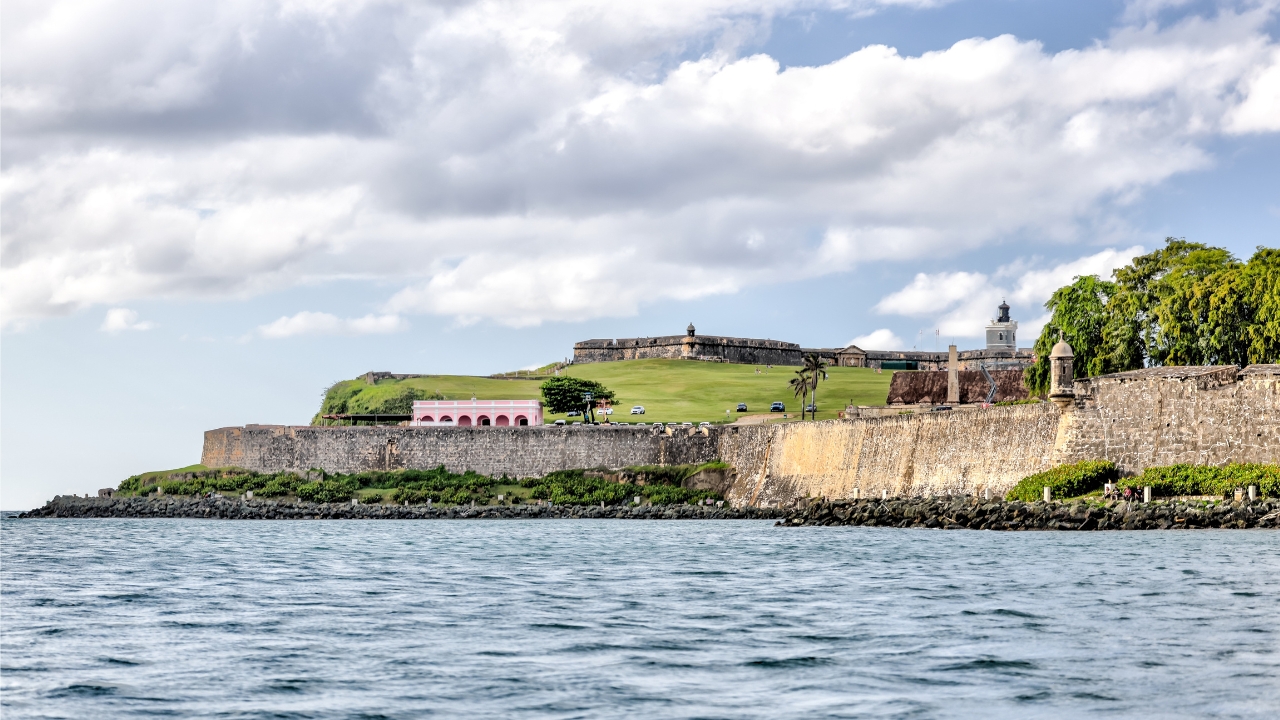
San Juan gives you year-round access to tarpon, especially in the protected lagoons around the city. These aren’t the giant ocean runners, but they’re strong, and there are plenty of them.
Fish the canals and lagoons early and late using live bait or soft plastics. It’s not technical, and you don’t need a big rig to do it. This is one of the best options for consistent tarpon action without needing to chase a migration.
Galveston Bay, Texas
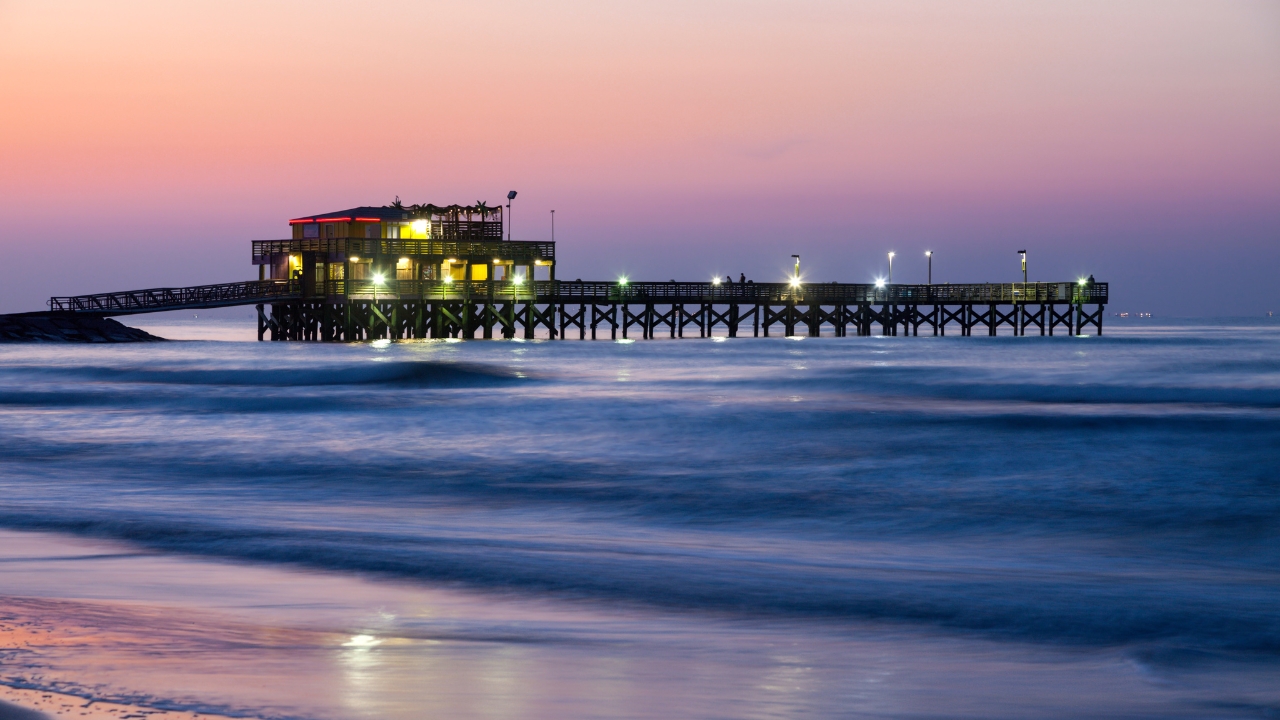
Galveston might not be the first place folks think of for tarpon, but the fish are there—and when they show up, they show up big. Late summer into early fall is your best window, especially around jetties and beachfronts.
You’ll want to fish live bait on a drift when the water’s clean and the tide’s moving. It’s not a numbers game like South Florida, but the tarpon that roll through here are serious. If you’re willing to grind, this spot can pay off in a big way.
Campeche, Mexico
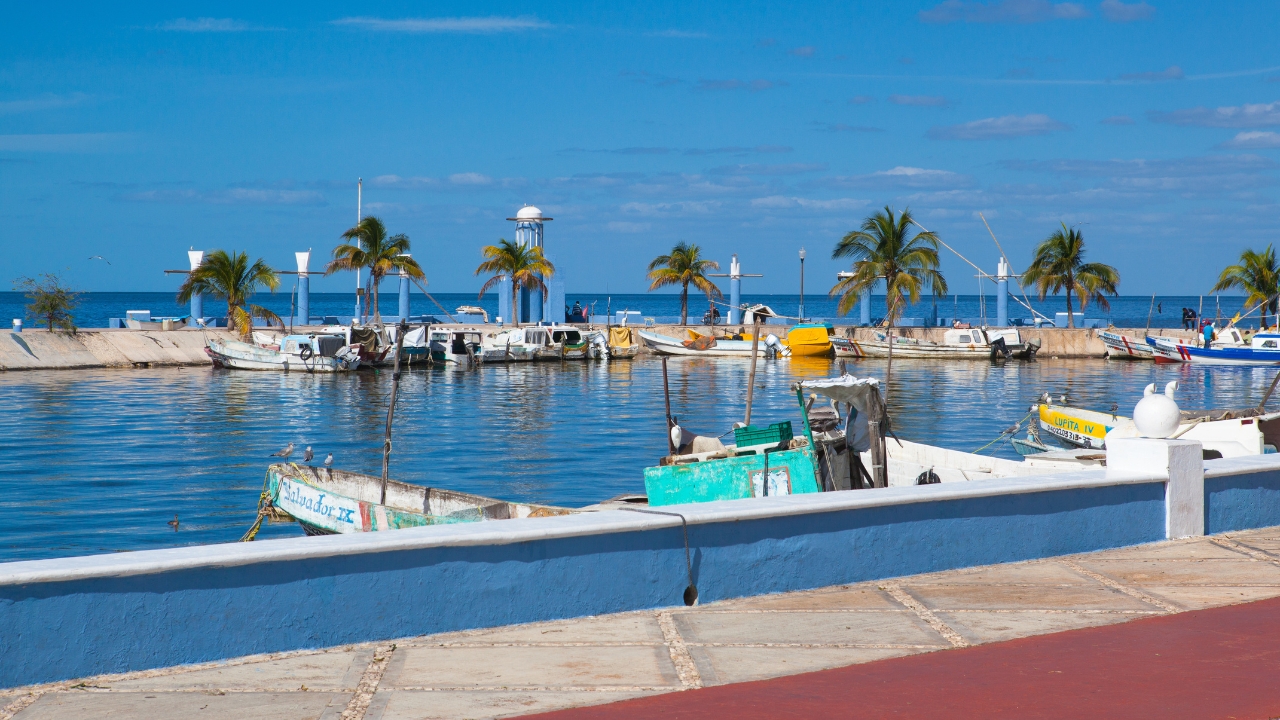
Campeche is a hidden treasure for tarpon—especially baby tarpon. The mangrove systems here are full of 5- to 30-pounders that hit flies and jigs with zero hesitation. It’s a numbers spot, not a trophy spot, but the action can be nonstop.
This area stays productive most of the year. You don’t need a huge boat or a ton of gear, and the fishing pressure is light compared to U.S. hot spots. If you’re looking to sharpen your hookset and wear your arm out, Campeche delivers.
Charlotte Harbor, Florida
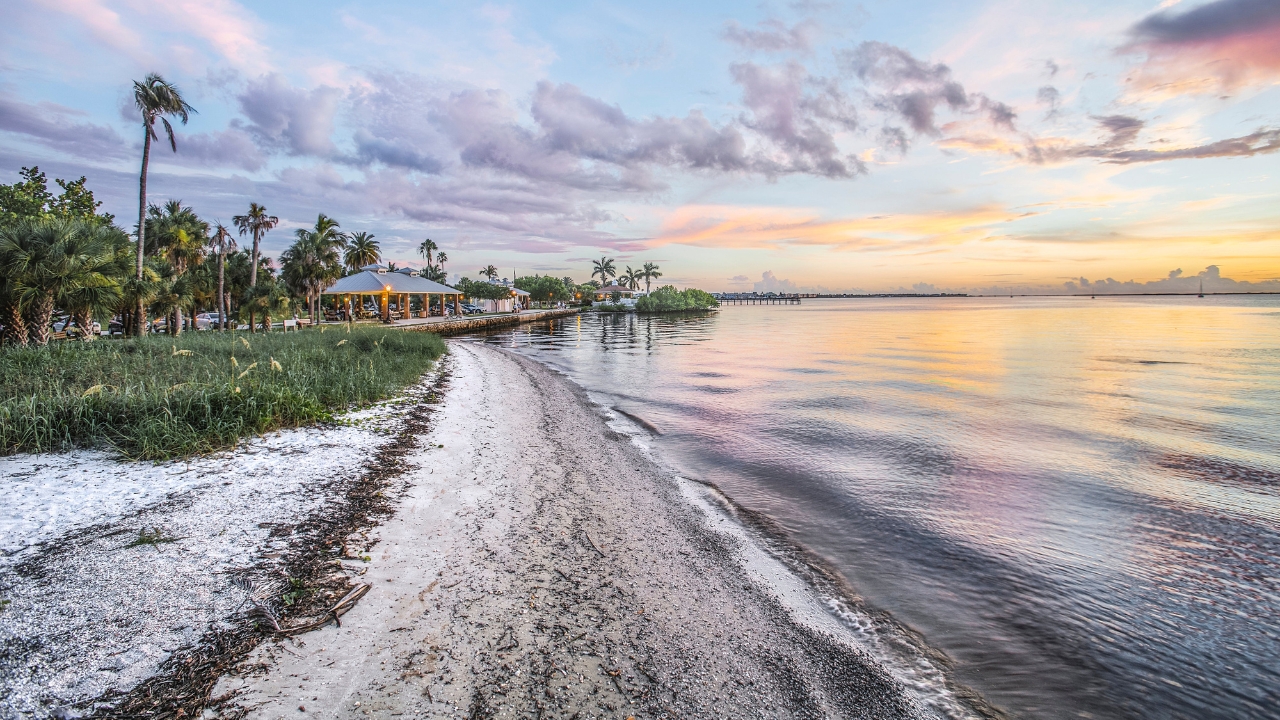
Charlotte Harbor is a shallow-water tarpon factory, especially in late spring and early summer. Fish move in from the Gulf and stack up in the harbor’s basins, flats, and cuts. You’ll get chances to sight-fish when the water’s clear.
It’s not as crowded as Boca, but the fish are often the same ones. Look for rolling tarpon early and target them with live threadfin, mullet, or soft plastics. It’s a good place for both numbers and size if you hit the timing right.
Rio Colorado, Costa Rica
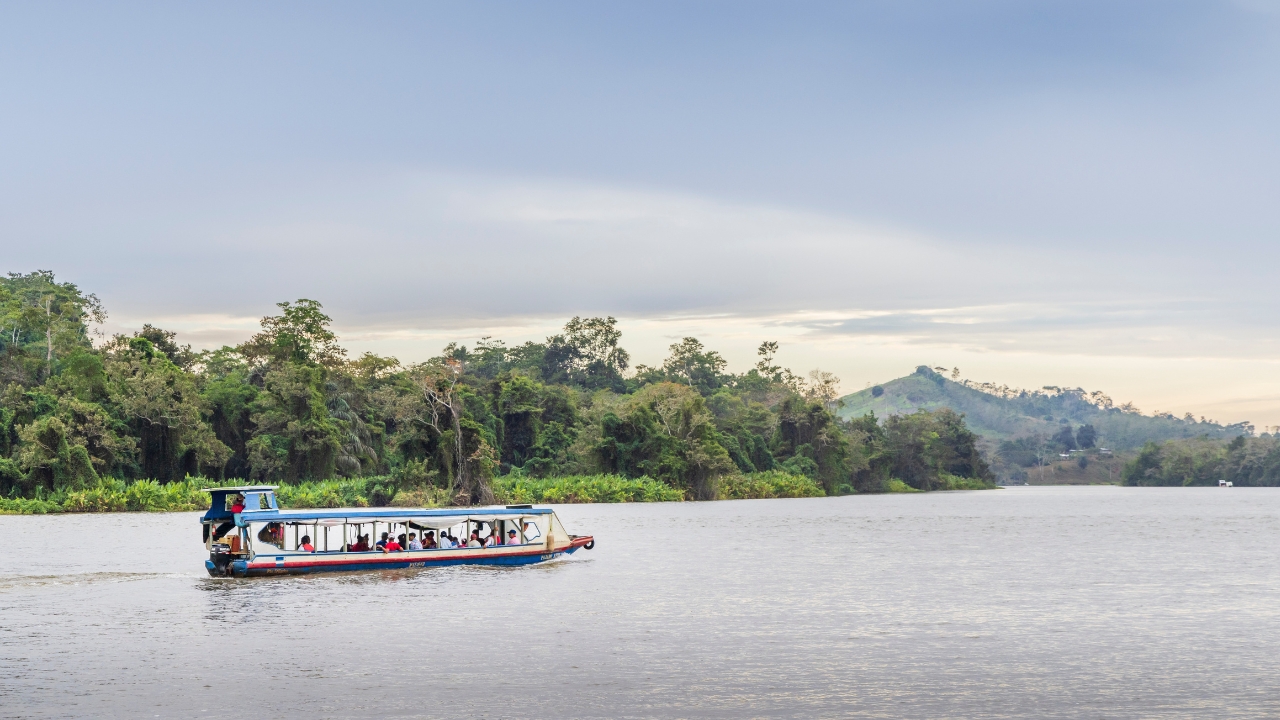
The mouth of the Rio Colorado on Costa Rica’s east coast is known for big tarpon and consistent action. The river pushes out into the Caribbean and creates perfect feeding conditions during the rainy season.
Most fishing happens just offshore, but tarpon often move up into the river mouth where you can catch them near the bank. These are strong, ocean-run fish that don’t quit. If you’re looking to get bent and don’t mind a passport stamp, this place is worth it.
*This article was developed with AI-powered tools and has been carefully reviewed by our editors.


