
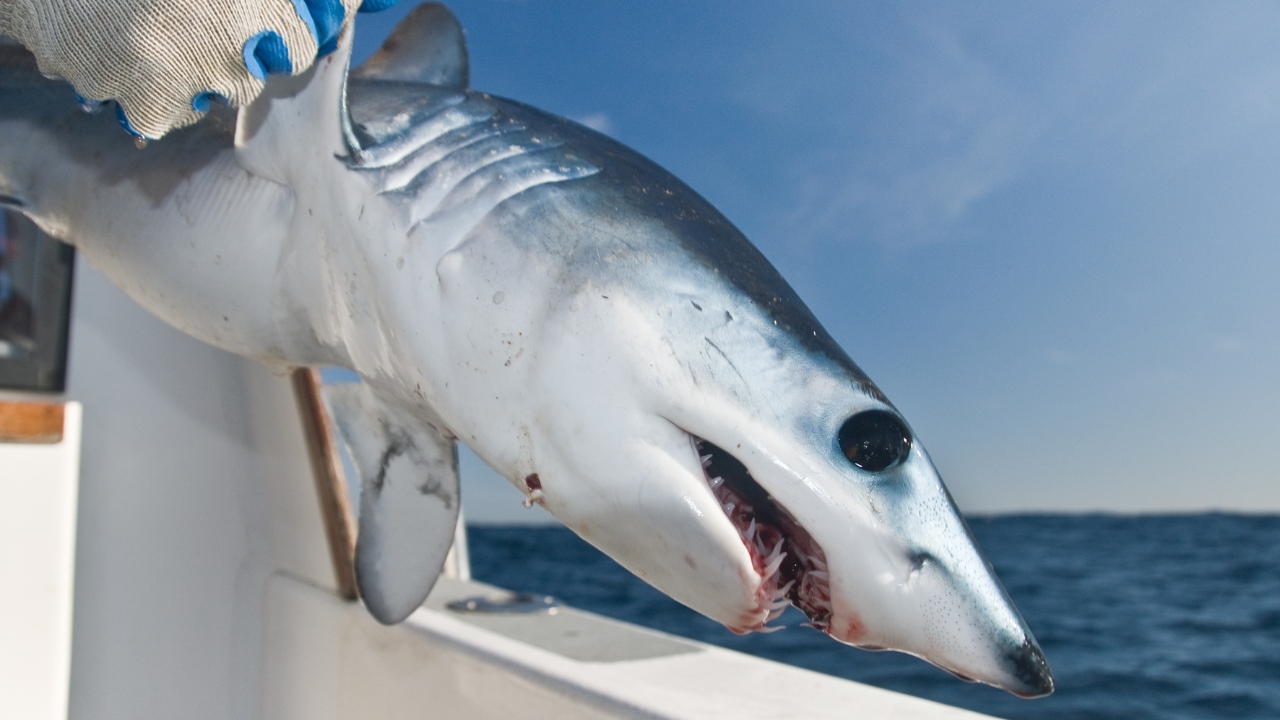
Image Credit: Fiona Ayerst/ Shutterstock.
Sharks aren’t just something to watch on TV or avoid at the beach—they’re catchable, fight hard, and show up in more U.S. waters than you probably think. From the surf to the offshore drop-offs, there are places where sharks are thick, legal to target, and well worth your time. You don’t need a million-dollar setup either—just the right gear, a little know-how, and some grit. These are the spots where shark fishing is alive and well, and where you can hook into something that’ll make your drag scream.
Gulf Shores, Alabama

Gulf Shores has quietly become one of the better places for land-based shark fishing in the Gulf. Blacktips, spinners, and even bull sharks push in close to the beach, especially during the summer bait runs.
You don’t need a boat here—most anglers set up shop right on the sand, using kayaks to paddle baits out past the breakers. Heavy mono or wire leaders are a must, and bait like stingray or fresh mullet tends to get hit quick when the tide’s moving.
Padre Island National Seashore, Texas

This stretch of remote beach offers serious shark fishing with room to spread out. Big blacktips, sandbars, bulls, and even hammerheads show up here regularly. You’ll want 4WD to reach the best spots, but it’s worth it.
Most folks fish overnight, using kayaks or drones to drop baits way out. These aren’t baby sharks either—six footers are common, and the big ones will test your drag and your patience. Bring stout gear, steel leaders, and be ready to dig in.
Cape Cod, Massachusetts

Yes—there are sharks in Cape Cod, and you can fish them legally, especially in deeper waters off the beaches and around Monomoy Island. Blue sharks are the most common, but makos and threshers aren’t unheard of either.
Most shark fishing here is done by boat, but some beaches see shark activity close enough to shore for surf rigs. You’ll need permits and to follow local regs closely, but if you’re targeting blues with chum lines and bait, this area offers real chances at a fight.
Haulover Inlet, Florida

Haulover Inlet is known for big current, big fish, and big sharks. Bulls, blacktips, and nurse sharks regularly move through the cuts and channels, especially when bait is stacked up.
Fishing from the jetties or bridge can be productive, but you’ll need heavy gear and patience. The water moves fast, and the sharks are used to structure, so landings can be tricky. Still, if you’re ready for a street fight with a bull shark, Haulover delivers.
Charleston, South Carolina

Charleston’s estuaries and barrier islands are home to a solid population of blacktip and bonnethead sharks, with the occasional hammerhead or bull mixed in. You can fish from the beach, jetties, or inshore flats and find action most of the summer.
Light tackle works for smaller species, but if you’re targeting anything over four feet, go heavier. Fresh cut bait and rising tides are the ticket. The great thing here is you can wade, kayak, or fish from shore and still get hooked up.
Long Island, New York

Long Island might surprise you, but the summer shark bite here is legit. Brown sharks, sand tigers, and the occasional thresher or mako show up close to shore, especially around Montauk and Fire Island.
Shore-based shark fishing is legal in some areas, but you’ll need to stay on top of the regulations—especially around protected species. Most anglers drop big baits after dark and wait for that unmistakable run. It’s not a numbers game, but when it happens, it’s chaos in the best way.
Panama City Beach, Florida

PCB is known for family vacations, but the shark fishing here is serious. Blacktips, bulls, and spinners cruise the beachfront, especially during the summer bait migrations. If you’re looking for land-based shark action in the panhandle, this is a solid bet.
You’ll see folks running bait past the second bar and setting up big surf rigs right from the sand. Hooking one isn’t the hard part—it’s getting it to shore. Bring heavy gear, strong leaders, and don’t forget a good pair of gloves.
Venice, Louisiana

Venice isn’t just about redfish and tuna—it’s also one of the best shark fisheries in the Gulf. Out near the rigs and passes, you’ll find bulls, blacktips, hammerheads, and even the occasional tiger shark.
Most shark fishing here is done by boat, but it’s not far offshore. Heavy chum lines and fresh bait are key. Once hooked, these fish go deep and pull hard. Venice is raw and remote, but if you want a real shot at a 300-pounder, it’s worth the trip.
San Diego, California

Southern California doesn’t get enough credit for its shark fishing. Off San Diego, you’ve got a shot at threshers, blues, and makos. Most fishing happens a few miles offshore, but kayak anglers and pier fishermen get in on the action too.
Use chum to draw them in, and be ready when they show. These West Coast sharks hit fast and fight harder than most expect. If you’ve got the gear and the nerve, this is a fishery that rewards those who put in the effort.
*This article was developed with AI-powered tools and has been carefully reviewed by our editors.


