Photo credit: Kentucky Ballistics/YouTube
There’s something irresistible about a big cartridge. The bigger the case, the more powder, the more power—at least that’s the idea. But anyone who’s spent time behind a bench knows that size doesn’t always mean smarter or more effective. Some of the largest, flashiest calibers out there are chosen for ego or aesthetics more than practicality. They make for great range talk, impressive muzzle blasts, and sore shoulders—but they rarely outperform smaller, better-balanced options that actually get the job done. Here are the calibers you reach for because they look serious, even if logic and experience say otherwise.
.500 S&W Magnum
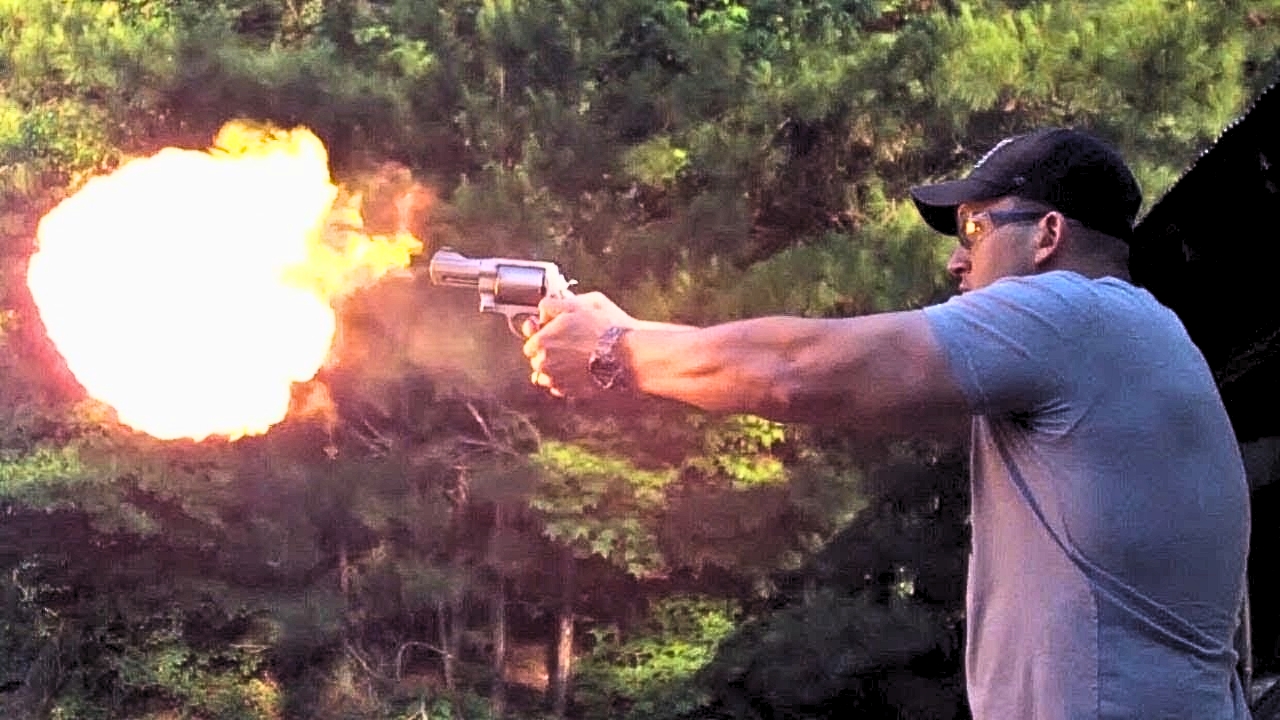
The .500 S&W Magnum is an absolute monster, designed to stop anything that walks. It’s the biggest handgun cartridge most shooters will ever fire—and for most, once is enough. The recoil is bone-jarring, the muzzle blast will make heads turn, and the ammo costs more than a decent dinner out.
It’s undeniably powerful, but outside of bragging rights and niche bear-defense scenarios, it’s hard to justify. Accuracy suffers fast as flinch sets in, and the sheer weight of revolvers chambered for it makes them impractical to carry. You buy it for the wow factor, not because you actually need it.
.50 BMG
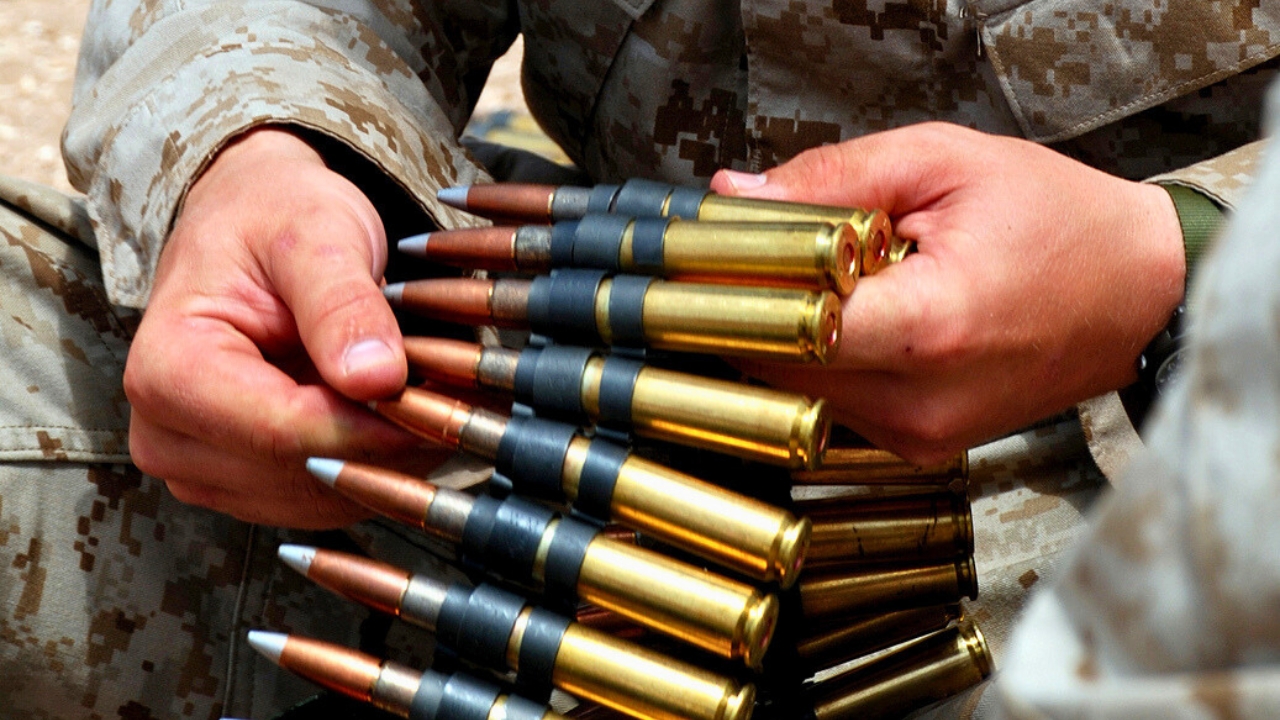
The .50 BMG is legendary for its range and stopping power. It’s a military cartridge, built for machine guns and anti-material rifles, yet civilian shooters love to buy it for the shock factor. The rifles are enormous, the ammo expensive, and the recoil—while manageable with brakes—is still brutal over time.
It’s a caliber that demands respect, but unless you have access to thousand-yard ranges and deep pockets, it’s mostly an oversized paper-puncher. Few hunters or practical marksmen have a real use for it, yet it shows up at every gun show because “.50 cal” still turns heads.
.44 Magnum
Dirty Harry made it famous, and it’s still one of the most talked-about handgun cartridges out there. But the truth is, the .44 Magnum is far more gun than most shooters can handle well. It delivers tremendous energy, but at the cost of recoil that punishes accuracy and discourages follow-up shots.
For hunting, there are better-balanced choices like the .41 Magnum or .357 Magnum that still perform admirably. Yet people keep reaching for the .44 because it sounds mean and feels macho. It’s the classic example of choosing power for the sake of power—and then realizing you don’t actually shoot it much.
.454 Casull

When you absolutely, positively want to dislocate your wrist, the .454 Casull is waiting. Developed for extreme handgun hunting, it packs staggering pressure and energy. On paper, it’s impressive. In real life, it’s overkill for anything short of dangerous game at close range.
Even seasoned shooters struggle to control it consistently. The blast alone clears benches at the range. For all that pain, it doesn’t offer much more real-world advantage over milder loads that are easier to shoot accurately. It’s the definition of a cartridge picked for size, not sense.
.338 Lapua Magnum
The .338 Lapua Magnum was built for military snipers hitting targets beyond 1,000 yards—and it does that exceptionally well. But most civilian shooters will never have the space or equipment to use it to its potential. What they do get is a heavy rifle, expensive ammo, and recoil that makes practice sessions short.
It’s an impressive cartridge on paper, but for 95% of shooters, it’s a vanity choice. The .300 Winchester Magnum or even the 6.5 PRC will deliver nearly identical results for far less cost and punishment. Unless you’re competing at the highest level, the .338 Lapua is more flex than function.
.460 S&W Magnum

The .460 S&W Magnum tries to bridge the gap between rifle and handgun, but ends up in a strange middle ground. It’s loud, it’s heavy, and it kicks like a mule. Ballistically, it’s incredible—but most shooters can’t manage it well enough to make that power meaningful.
The revolvers chambered for it are massive and unwieldy, better suited to novelty than field use. It’s one of those calibers that looks great on paper but quickly reminds you why most hunters carry something smaller and more practical. You’ll shoot it a few times, grin through the pain, and move on.
.30-378 Weatherby Magnum
The .30-378 Weatherby Magnum was designed to push .30-caliber bullets faster than anything else. And it does—at the cost of insane muzzle blast, short barrel life, and astronomical ammo prices. It’s a true speed demon that eats barrels and shoulder padding for breakfast.
Sure, it can launch a bullet at over 3,500 feet per second, but that performance gain doesn’t justify the tradeoffs for most shooters. Recoil is sharp, follow-up shots are slow, and you’ll spend more time cleaning and cooling the barrel than shooting. It’s a “because I can” cartridge, not a “because I should” one.
.45 Colt +P

The classic .45 Colt is a great round, but the +P loads built to hot-rod it into magnum territory often miss the point. Those high-pressure variants push old designs past their limits, delivering brutal recoil without much real-world advantage over other big-bore handgun rounds.
Shooters often load or buy these hot rounds thinking they’re getting magnum performance, but what they really get is uncomfortable recoil and increased wear on their revolvers. It’s a caliber that shines in its standard form—big, slow, and steady—but loses sense when pushed beyond what it was meant to do.
.450 Bushmaster
The .450 Bushmaster was meant to give AR-15 hunters big-bore performance in a straight-wall cartridge. It does the job, but it also delivers harsh recoil, limited magazine capacity, and expensive ammo. It’s impressive when you first touch it off—but after a few rounds, you’ll be ready to put it down.
It’s accurate enough for hogs or deer inside 200 yards, but it’s not nearly as efficient as mid-sized calibers like .308 or 6.5 Creedmoor. For most shooters, the .450 Bushmaster is a novelty—big on boom, light on practicality. It’s a round picked for its bark more than its brains.
.375 H&H Magnum

The .375 H&H Magnum has been around for over a century, and it’s still respected for good reason—it works. But in North America, it’s wildly excessive for nearly anything you’ll hunt. Unless you’re going after grizzlies or African game, it’s overpowered and uncomfortable.
Many shooters buy one for the prestige or the dream of an African safari, then realize it’s a handful to shoot and expensive to feed. It’s not that it’s bad—it’s that it’s too much. The romance of a big magnum fades fast when every trigger pull feels like a punishment. It’s a caliber chosen for size, not sense.
Like The Avid Outdoorsman’s content? Be sure to follow us.
Here’s more from us:
The worst deer rifles money can buy
Sidearms That Belong in the Safe — Not Your Belt
*This article was developed with AI-powered tools and has been carefully reviewed by our editors.