Photo credit: LouieTactical/YouTube
Some rifles earn a reputation for accuracy or power, while others earn a different kind of fame—the kind you hear about at range benches and gun counters when someone groans and says, “Yeah, I had one of those.” These are the rifles that spend more time being tweaked, adjusted, and “fixed” than they do actually sending rounds downrange. You’ve probably seen them: guns that promise big performance but constantly need attention, replacement parts, or troubleshooting just to run halfway right. When a rifle turns every shooting trip into a repair session, the excitement fades fast. If you’ve been around rifles long enough, these names come up again and again.
Remington 770
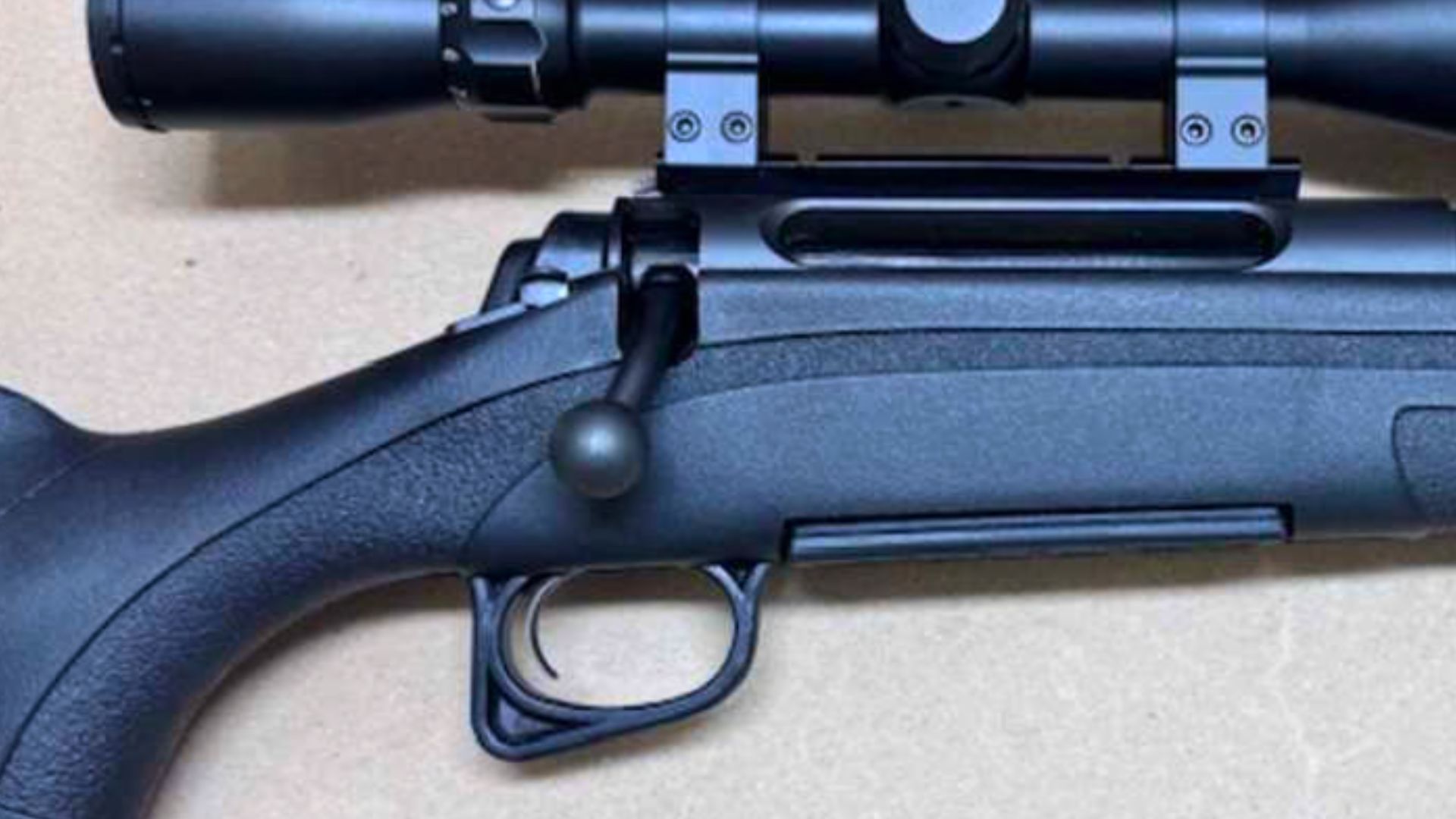
The Remington 770 might look appealing to new hunters because of the low price and bundled scope, but the honeymoon ends quickly. The action often feels rough, feeding can be unpredictable, and the trigger isn’t exactly confidence-inspiring. You end up working harder to make the gun run smoothly than you do focusing on your shot.
Once you start putting rounds through it, you’ll notice the rifle needs constant attention—tightening screws, re-zeroing, checking the stock fit. Most shooters eventually realize they’re spending more time chasing down small issues than practicing. It’s one of those rifles that teaches you why a little more investment upfront saves a lot of frustration later.
Mossberg Blaze
The Blaze seems like a handy little rimfire at first glance, but the lightweight polymer build doesn’t hold up well under real use. Owners frequently deal with cracked stocks, loose barrel fittings, and feeding issues that pop up out of nowhere. It’s the kind of rifle that constantly needs tinkering just to keep running.
Accuracy also varies more than most shooters want, especially when the rifle starts loosening up over time. Instead of spending a day plinking with a .22, you end up tightening screws or diagnosing cycling problems. It’s a rifle that feels like a project—and not everyone wants their rimfire to become a part-time repair job.
Remington R-15
The concept behind the R-15 was solid, but in practice the rifle struggles with reliability and inconsistent build quality. Many shooters deal with feeding issues, loose handguards, or finicky gas systems that never seem fully dialed in. It’s one of those rifles you want to run well, but you’re always fixing something.
Even when it’s functioning, accuracy can swing depending on how well the screws and fittings decide to stay in place. For a rifle marketed toward hunters, that’s frustrating. If you find yourself spending half your range time diagnosing malfunctions, the appeal fades fast, and the R-15 often ends up traded for something more dependable.
Century Arms C39V2

The C39V2 is marketed as a premium American-made AK, but many owners discover early that it needs more care than it should. The cast trunnions are known to wear prematurely, and accuracy shifts as the rifle heats up. Instead of a rugged, worry-free AK, you end up constantly monitoring wear points.
Shooters also report inconsistent machining and parts fit, which creates problems with reliability. An AK shouldn’t require this much babysitting, and the moment you start checking the rifle after every few mags, you know something’s off. Those maintenance habits get old quickly, turning the C39V2 into a rifle many owners eventually give up on.
Ruger American Ranch (first-gen .300 BLK)
The newer generations are better, but the first-generation .300 Blackout Ranch rifles had enough issues to frustrate a lot of owners. Feeding was inconsistent, magazines didn’t always play nicely, and the bolt lift could feel sticky. You spent more time smoothing out quirks than enjoying the rifle.
Some shooters dealt with barrel or thread alignment issues when trying to run suppressors, adding even more hassle. While later models improved, the early rifles left many owners constantly adjusting or swapping parts to get them to behave. It’s a reminder that even respected brands have growing pains you may end up fixing yourself.
Freedom Group-era Remington 700
The Remington 700 has a legendary place in rifle history, but the models built during the Freedom Group years often need extra attention. Triggers were inconsistent, machining quality varied, and some rifles shipped with rough chambers or extraction issues. You spend a lot of time tuning a rifle that once required none.
Shooters often end up polishing parts, replacing triggers, or dealing with bedding issues that should’ve been handled at the factory. When a platform that used to run flawlessly starts demanding fixes right out of the box, it leaves a sour taste. Many hunters learned that the name didn’t guarantee the experience anymore.
Olympic Arms AR-15s
Olympic made ARs long before they were mainstream, but quality control was hit-or-miss. Some rifles run fine, while others seem to struggle from day one. Feeding problems, out-of-spec parts, and inconsistent accuracy turn ownership into a troubleshooting exercise.
Shooters frequently find themselves replacing extractors, polishing feed ramps, or swapping the entire upper just to get reliable function. When you’re spending more time diagnosing issues than training with the rifle, frustration builds quickly. It’s a platform that forces you to become a part-time gunsmith whether you wanted to or not.
Remington 597
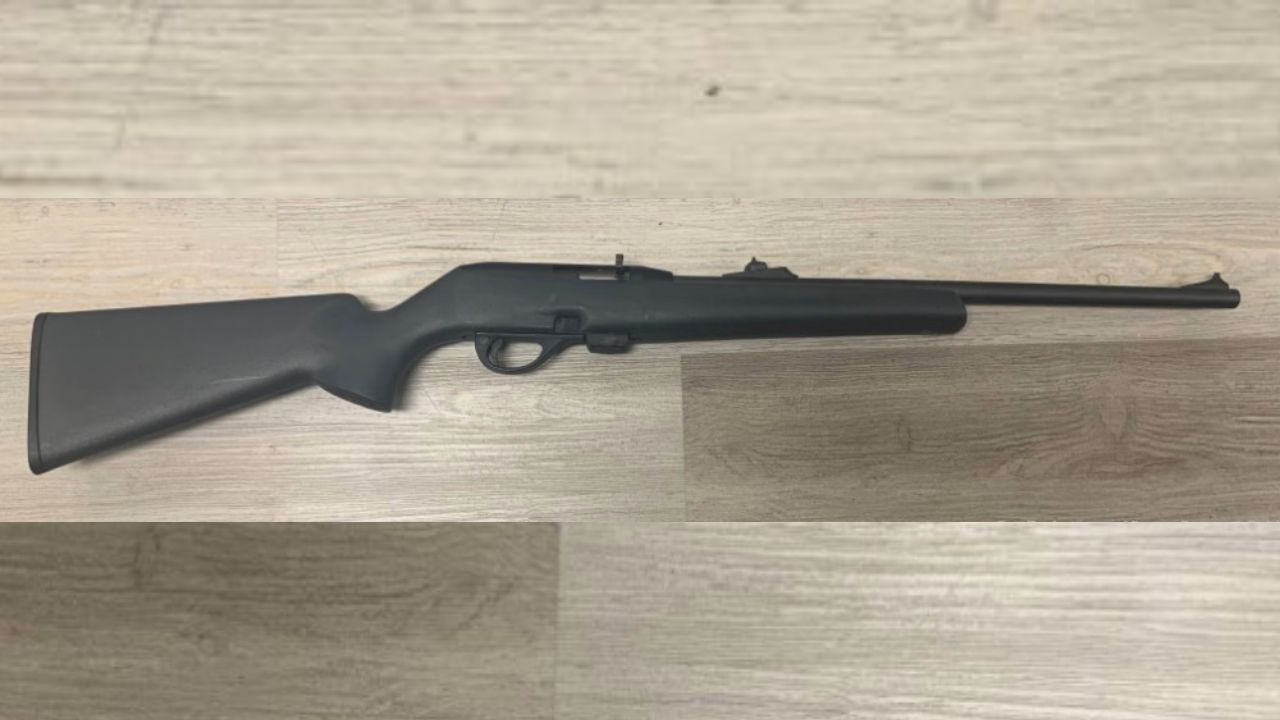
The Remington 597 looks like a solid .22 on paper, but many shooters encounter feeding and extraction issues early on. The magazines—especially older ones—are notorious for causing headaches. Instead of fun, carefree plinking, you’re clearing jams and adjusting mags constantly.
Accuracy also suffers as the rifle gets dirty, and some owners report electrical-feeling cycling issues with the factory optics rail. When a rimfire becomes more maintenance than enjoyment, most shooters move on. The 597 is one of those rifles that should’ve been great but ended up creating more chores than memories.
Winchester XPR (early production)
The Winchester XPR line has improved, but the early rifles had recurring issues with triggers, bedding, and bolt lift. Owners found themselves adjusting screws, checking torque, or sending rifles back for factory fixes when accuracy dropped off suddenly. It took the shine off what should’ve been a simple, dependable hunting rifle.
Some rifles also suffered from inconsistent feeding or stiff cycling that never fully smoothed out. When you spend every range trip addressing a new quirk, confidence fades fast. Those early XPRs created enough headaches that many shooters still hesitate despite later improvements.
DPMS Sportical
The DPMS Sportical was designed as an entry-level AR, but many rifles shipped with parts that weren’t quite to spec. Feed ramps needed polishing, gas systems required tweaking, and some rifles struggled with extraction. You end up “fixing” the rifle before you can really use it.
For new shooters, it’s overwhelming. Instead of being an easy introduction to the AR platform, the Sportical often turns into a tinkering project that never feels fully dependable. When you spend half your time on forums looking for solutions, the enjoyment disappears quickly.
Kimber Hunter

The Kimber Hunter gets attention for its lightweight build, but some rifles suffer from feeding issues and inconsistent accuracy. The polymer magazine system can be finicky, and owners sometimes find themselves modifying or smoothing edges just to get rounds to cycle cleanly.
Accuracy also varies from rifle to rifle, and some shooters spend more time chasing down torque and bedding adjustments than actually shooting. When a lightweight rifle demands that much maintenance, frustration comes quickly. Many owners eventually swap it out for a rifle that doesn’t need constant reassurance.
Century Arms RAS47
The RAS47 shares many issues with other domestic AK builds—specifically premature wear on critical parts. The cast components don’t inspire confidence, and you find yourself checking trunnions and bolt lugs more often than actually firing rounds. It’s the opposite of what an AK should be.
As the wear patterns develop, reliability drops and accuracy becomes unpredictable. Instead of a rugged rifle you can trust, you’re left babysitting a platform that’s supposed to be carefree. Most shooters eventually move on once they realize the rifle demands constant oversight.
Savage Axis (first-gen)
The Axis has good bones, but the first-generation rifles often needed aftermarket help before they performed consistently. The trigger was heavy, the stocks were flexible, and accuracy sometimes shifted if you didn’t bed the action or stiffen the fore-end. That’s a lot of homework for a budget rifle.
Most owners end up upgrading parts almost immediately to get the rifle where it should’ve started. When your first few shooting sessions involve modifications instead of shooting, the rifle loses its charm quickly. Later models improved, but those early rifles demanded more work than many shooters expected.
Remington 783

The 783 is another budget rifle that often needs tuning before it behaves properly. Feeding can be stubborn, and the bolt feels rough compared to others in the same price range. Many owners find themselves smoothing contact points or adjusting magazines to get reliable cycling.
Accuracy is hit-or-miss unless the rifle is set up just right, and the stock doesn’t always help. Instead of a dependable, low-maintenance hunting rifle, the 783 can turn into a series of tweaks and fixes. When a rifle leaves you tired before you ever hit the woods, it’s not earning trust.
ATI Omni Hybrid
The Omni Hybrid stands out because of its polymer receivers, but durability concerns show up quickly once you start putting rounds through it. Cracked buffer tubes, loose pins, and cycling issues are common complaints. It’s a rifle that feels fragile instead of dependable.
Because everything rests on polymer components, shooters often find themselves checking for stress marks and tightening fittings instead of shooting. When a rifle constantly begs for attention just to stay intact, most owners cut their losses. The Omni Hybrid is one of those rifles that teaches you the difference between “lightweight” and “compromised.”
Like The Avid Outdoorsman’s content? Subscribe to our newsletter so you never miss an article.
Here’s more from us: