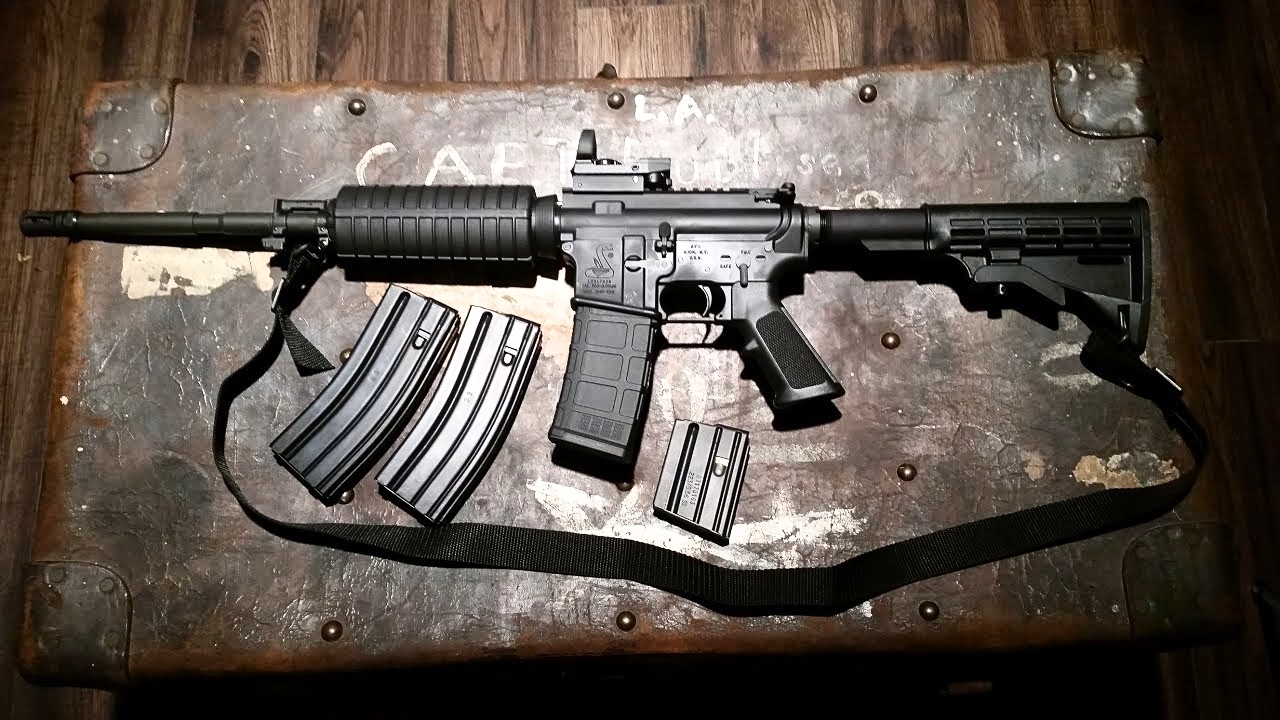
Photo credit: CDNSHEEPDOG/YouTube
A “budget” AR-15 doesn’t have to mean unreliable. What it usually means is fewer extras and a more basic finish, not a rifle that quits when it gets hot, dirty, or run hard. The truth is the AR platform is forgiving when the basics are done right: a properly staked gas key, a decent bolt, correct gas porting, good magazines, and lubrication that matches the pace you’re shooting.
If you want an AR that keeps running, you don’t need boutique parts. You need a rifle that’s built to spec, assembled correctly, and proven by lots of plain shooters who don’t baby their gear. These are budget AR-15s that have earned a reputation for staying up when the round count climbs and the conditions get annoying.
Smith & Wesson M&P15 Sport II

The M&P15 Sport II became a default “first AR” for a reason. It’s basic, it’s light, and it tends to run with the kind of ammo people actually buy. You’re not paying for fancy rails or premium furniture, but the core rifle usually shows up assembled correctly and ready to shoot.
What makes it keep running is how uncomplicated it is. Keep it lubed, feed it good magazines, and don’t overthink it. It’s a rifle you can take to a carbine class, burn through a case of ammo, and come home with your confidence intact. If you want upgrades later, fine, but you don’t need them to make it reliable. The Sport II’s whole appeal is that it works as a normal AR without acting like a project.
Ruger AR-556

The Ruger AR-556 is a working rifle that doesn’t pretend to be anything else. It’s built to do AR stuff—training, range time, basic defensive use—and it typically does it without drama. Ruger’s assembly and QC tend to be consistent, which matters more than marketing specs.
Where it earns respect is in the boring details. The rifle usually cycles smoothly, feeds well, and keeps going when it’s dirty as long as you stay ahead of lubrication. The furniture is basic and the finish isn’t meant to impress your friends, but the gun runs. Pair it with proven mags, don’t cheap out on a bargain-bin optic mount, and it’ll take regular use without turning into a troubleshooting session.
Springfield Armory SAINT

The Springfield SAINT has built a reputation as a “budget rifle that feels finished.” You get a clean layout, solid fit, and a rifle that tends to run right out of the box without needing immediate parts swaps. It’s not the cheapest AR on the wall, but it’s often priced where regular shooters can still reach it.
Reliability is where it shines. The SAINT usually cycles consistently and doesn’t get picky as the rifle heats up. It’s the kind of gun you can shoot fast and still expect it to feed and lock back like it should. Keep a little oil on the bolt, use quality magazines, and it keeps doing AR things. You’re paying for fewer headaches, not for bragging rights.
Palmetto State Armory PSA PA-15

PSA’s PA-15 line is one of the main reasons “budget AR” doesn’t automatically mean “junk.” PSA has put a lot of rifles into a lot of hands, and plenty of them run for years with nothing more than normal maintenance. You’ll see more variety in configurations, but the basic formula is straightforward.
The key with a PSA is to treat it like a rifle, not a safe queen. Lube it, shoot it, and use mags you trust. If you’re the type who wants to inspect things, check your gas key staking and make sure everything looks normal when you clean it. Once it’s proven, it typically stays proven. A PA-15 that’s set up right will eat range ammo, handle drills, and keep showing up without demanding a constant stream of “fixes.”
Anderson Manufacturing AM-15
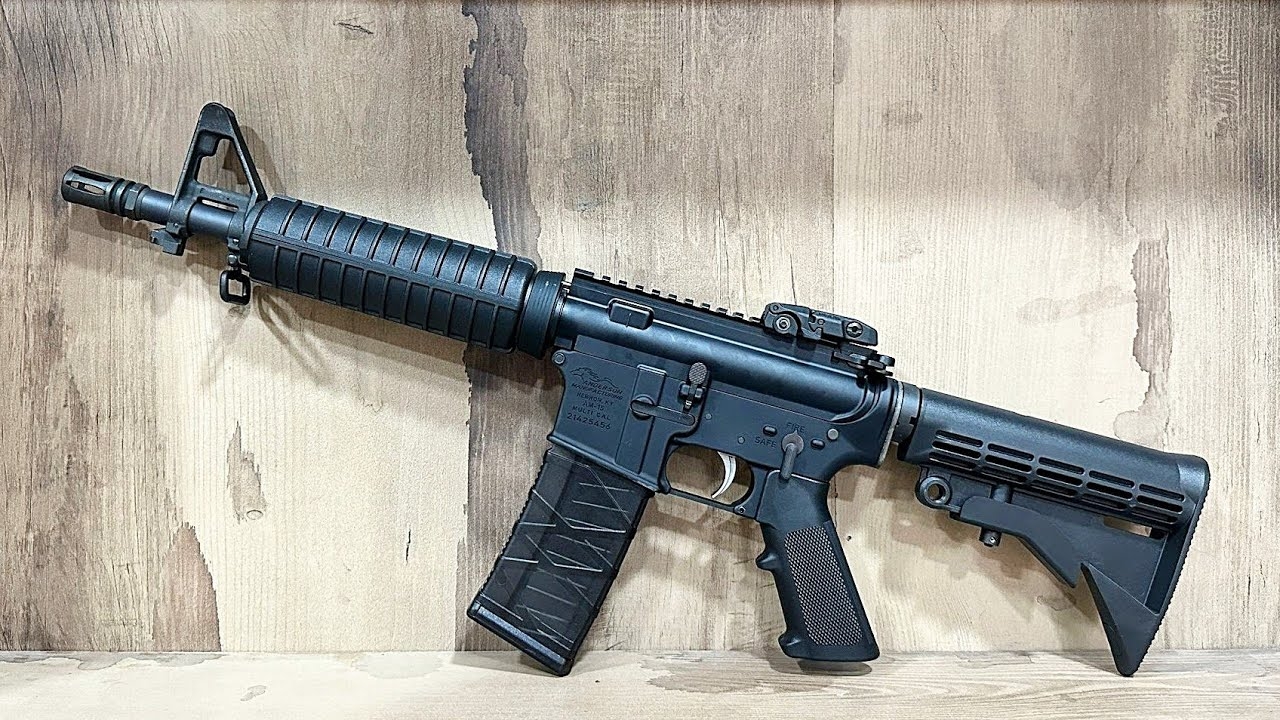
The Anderson AM-15 gets a lot of side-eye because it’s often one of the least expensive ARs in the rack. But plenty of these rifles run fine when you do your part and set it up with realistic expectations. It’s a basic AR, not a boutique build.
The reliability comes down to the same old rules: lubrication, magazines, and not doing weird experiments with bargain parts. If the rifle is assembled correctly and you keep it wet enough to run, it can go a long time without giving you trouble. The AM-15’s value is that it’s a usable rifle you can train with hard without feeling like you’re grinding up an investment piece. Prove it at the range, then trust what it tells you.
Del-Ton Echo 316

Del-Ton has been around the AR world for a long time, and the Echo 316 is a classic “plain rifle that runs” option. You’re not buying it for flashy features. You’re buying it because it’s a straightforward carbine that usually shows up with the basics handled.
It tends to do well with normal 55-grain and 62-grain ball, cycles consistently, and doesn’t require special treatment to stay reliable. Keep the bolt lubed, keep your chamber reasonably clean, and it’ll keep feeding. The Echo’s biggest advantage is that it avoids gimmicks. When a rifle is built around standard parts and standard expectations, it’s easier to keep it running long-term—and that’s the whole point of a budget AR.
Diamondback DB15

The Diamondback DB15 often surprises people who assume a lower price tag means constant malfunctions. Many DB15 rifles run very well as general-purpose carbines, especially when you keep the setup sensible and don’t pile on sketchy accessories.
What you get is an AR that usually cycles reliably, locks back correctly, and handles regular range volume without becoming finicky. The furniture and finish can be basic, but that doesn’t stop it from doing the job. Like any AR, it rewards good magazines and proper lubrication. If you want an affordable rifle you can actually shoot a lot—without treating every range trip like a diagnostic test—the DB15 has earned its place.
Radical Firearms RF-15

Radical Firearms built its name on affordable ARs that a lot of people buy as their “get in the game” rifle. The RF-15 line can be a solid runner when you approach it like a real-use gun: you verify function, you lube it, and you don’t assume dry running is a personality trait.
Once an RF-15 proves itself, many of them keep trucking. They’ll handle drills, basic classes, and steady range use with normal cleaning intervals. The biggest mistake is starving the bolt of oil and then blaming the rifle for acting like an AR. Keep it lubricated, use quality mags, and it can be a reliable budget option. It’s a rifle you shoot, not a rifle you fuss over.
IWI Zion-15
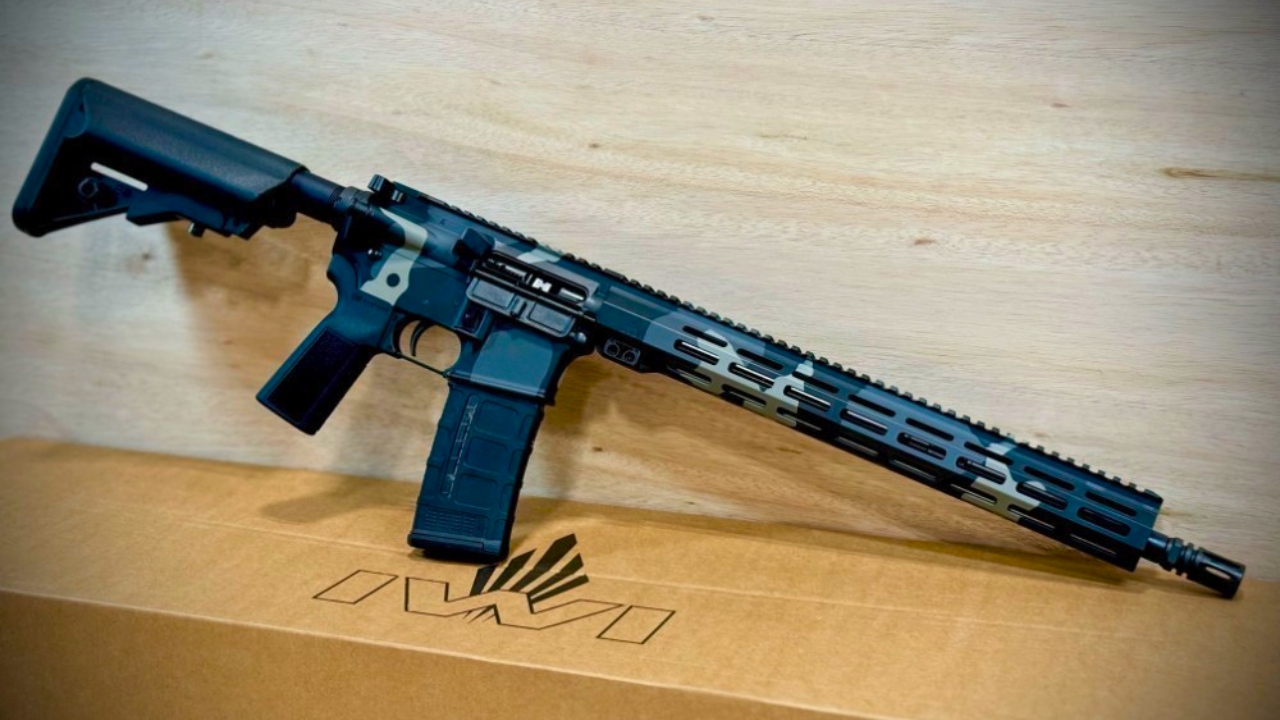
The IWI Zion-15 sits in that sweet spot where the price stays reasonable but the rifle feels like it was built by a company that takes duty guns seriously. It’s often called one of the best values in the “budget-to-mid” AR space because it tends to be consistent and well put together.
Where the Zion earns trust is how it behaves when you stop babying it. It cycles smoothly, doesn’t get weird as it heats up, and stays predictable with a wide range of common ammo. It’s also a rifle you can leave mostly alone—get your optic and sling right, prove your magazines, and you’re set. If you want a budget-friendly AR that doesn’t feel like you compromised on reliability, the Zion is a strong pick.
SIG Sauer M400 TREAD

The SIG M400 TREAD has been a go-to for shooters who want an affordable rifle that still feels refined. You get a clean, modern layout and a rifle that typically runs reliably without needing immediate attention. It’s not bargain-bin cheap, but it often lands in reach for people who want one solid AR instead of two questionable ones.
The TREAD’s reputation comes from consistency. It tends to feed, extract, and lock back the way it should, even when you’re shooting faster strings and the rifle is getting hot. Keep it lubed and don’t overcomplicate it. It’s a rifle you can train with, toss in a case, and trust to behave like an AR should behave—without constant tinkering.
Aero Precision M4E1 Complete Rifle

Aero Precision is often known for receivers and parts, but their complete rifles—especially the M4E1 builds—have become a reliability play for shooters who want a “better budget” gun without paying premium-brand prices. The fit and assembly tend to be clean, which helps everything else fall into place.
On the range, these rifles usually feel smooth and consistent. They run well with standard ammo, handle regular volume, and don’t demand constant adjustment. The advantage is that you’re starting with a solid foundation. If you ever do change anything, you’re doing it because you want to, not because you’re chasing reliability. Keep the bolt wet, use proven mags, and the rifle will keep humming without turning into a parts-bin experiment.
Colt CR6920
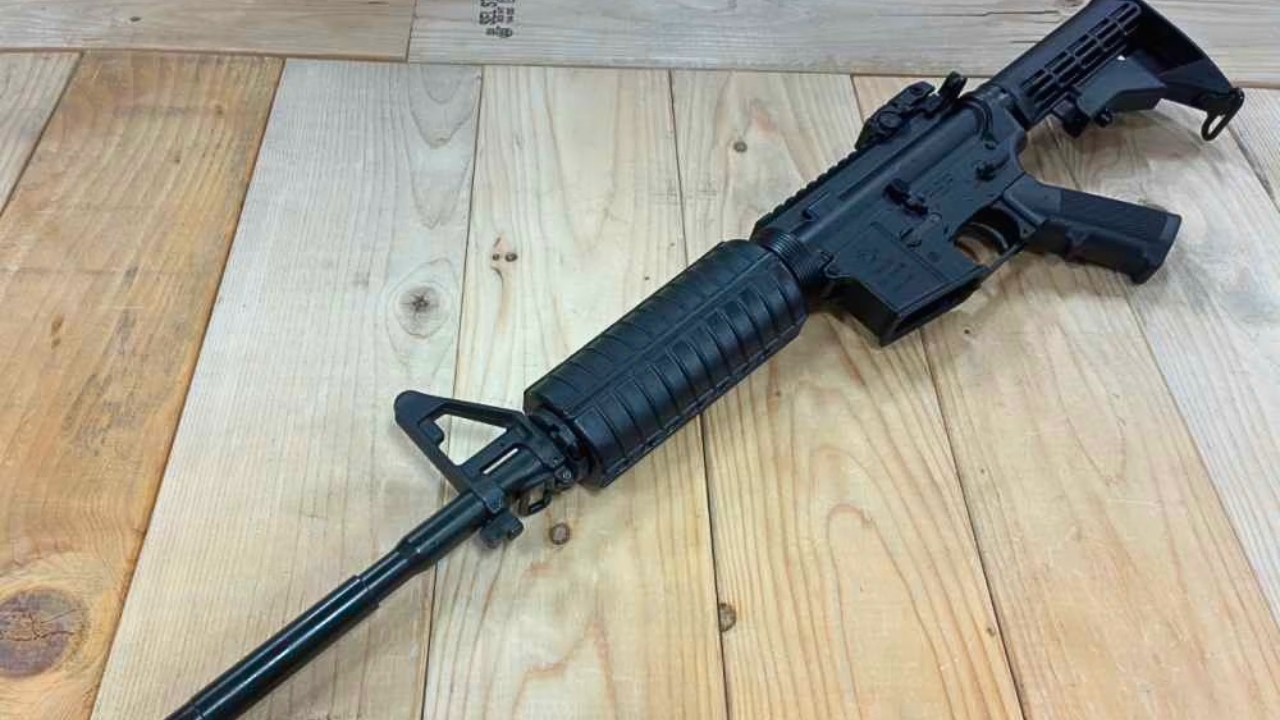
The Colt 6920 has long been a “baseline” AR—one of those rifles people reference when they talk about what “good” looks like. You can sometimes find them priced surprisingly close to other budget rifles depending on the market, and when you do, it’s hard to argue with the track record.
The 6920’s value is that it tends to run correctly without surprises. It’s a rifle built around a proven pattern, and that shows when you’re shooting hard or dealing with less-than-ideal conditions. The gun doesn’t need special ammo or special rituals. Keep it lubricated, keep your mags sorted, and it’ll take steady use without flinching. If you want a budget-friendly purchase that leans on years of real-world reputation, the 6920 still makes sense.
FN 15 Patrol Carbine
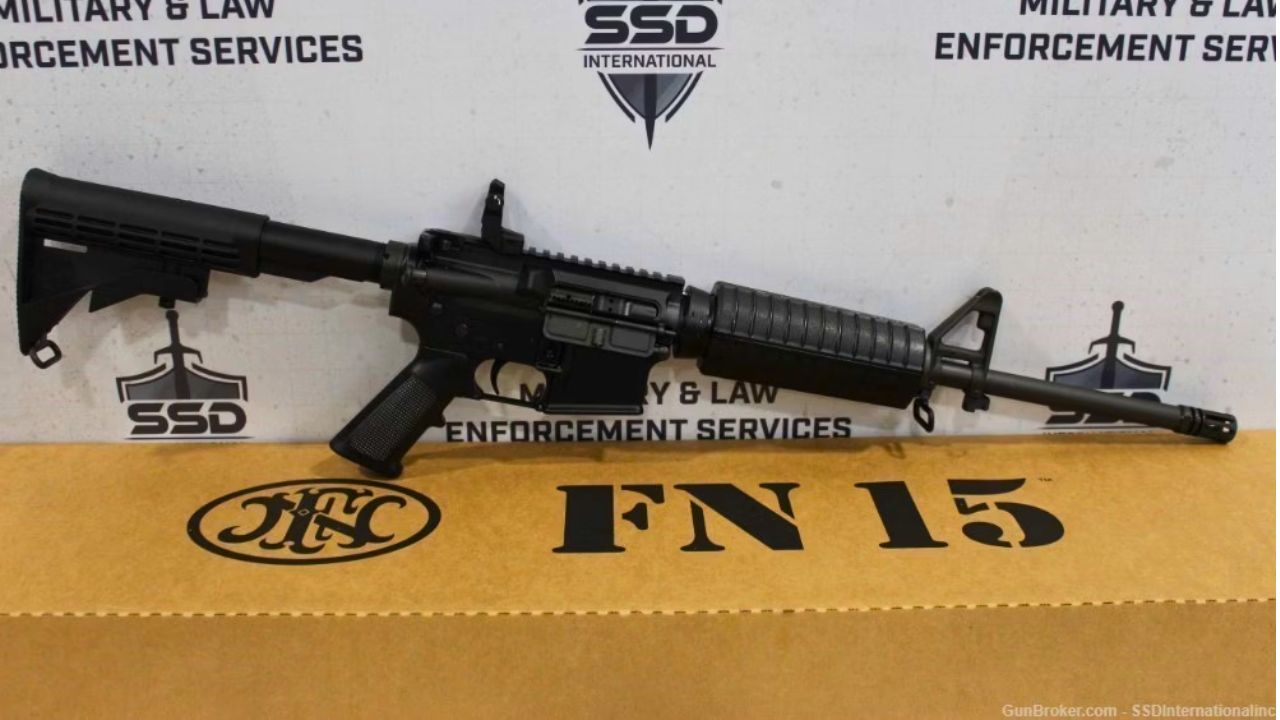
FN has a reputation built on military production, and the FN 15 Patrol Carbine often benefits from that mindset. Depending on pricing swings, it can land in a budget-friendly range for buyers who want a reliable AR without paying for boutique branding.
The Patrol Carbine typically runs like you expect a straightforward carbine to run—smooth cycling, solid extraction, and consistency through normal heat and fouling. It’s the kind of rifle that doesn’t require constant attention to stay reliable. Put your money into a dependable optic mount and a few good magazines, and you’ll have a rifle that keeps showing up ready to work. When you buy FN, you’re usually paying for execution, not gimmicks.
DPMS Oracle

The DPMS Oracle has been around long enough that there are plenty of them with real mileage behind them. It’s a basic AR with a basic mission, and when it’s running right, it stays surprisingly dependable for the price point it often occupies.
The trick is to keep it practical. Don’t starve it of lubrication, don’t feed it questionable magazines, and don’t turn it into a science fair project with random bargain accessories. Many Oracles will run a long time with nothing more than normal cleaning and a steady diet of decent ammo. If you pick one up used, inspect it like any AR, then prove it with a real range session. A good Oracle doesn’t need praise—it needs rounds.
Bushmaster XM15-E2S

The Bushmaster XM15-E2S is another rifle that’s been in circulation long enough to have a real-world reputation, especially on the used market where pricing can make it an honest “budget” buy. It’s a straightforward AR that can be a reliable workhorse when it’s in good shape.
When an XM15 is assembled correctly and maintained like a rifle, it tends to keep running. It’ll handle typical range ammo, run drills without constant stoppages, and stay predictable as the round count climbs. Treat it like you’d treat any dependable AR: quality magazines, proper lubrication, and a quick check of critical fasteners during cleaning. If you find a clean one at the right price, it can be the kind of budget AR that does exactly what you need without demanding attention every weekend.
Like The Avid Outdoorsman’s content? Subscribe to our newsletter so you never miss an article.
Here’s more from us: