Photo credit: MidwayUSA
Some calibers hit hard but are slow to get back on target. That’s fine if you’re shooting once. But if you need a fast follow-up—like during a moving hunt or a high-pressure situation—you need something that lets you recover quick. These aren’t bad rounds, but they’re not what you want when speed matters. Whether it’s recoil, muzzle blast, or how long it takes to settle back in, these calibers make quick second shots harder than they need to be.
.338 Lapua Magnum
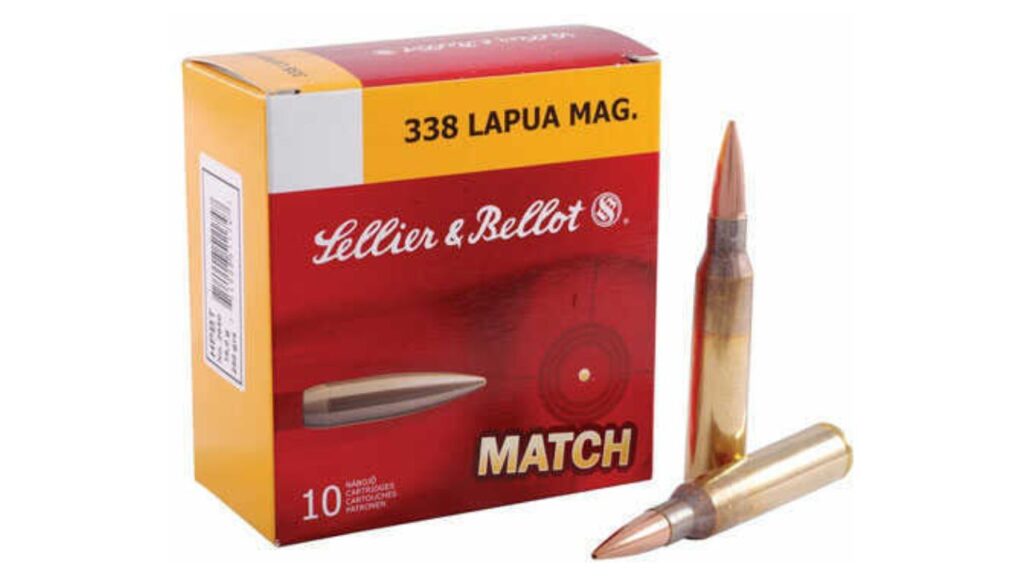
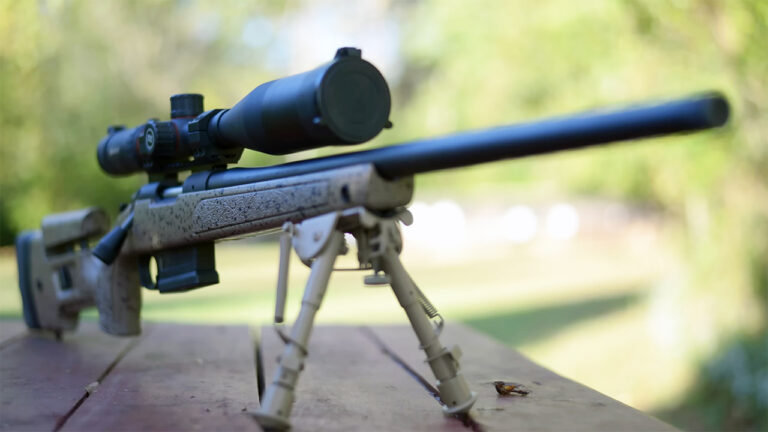
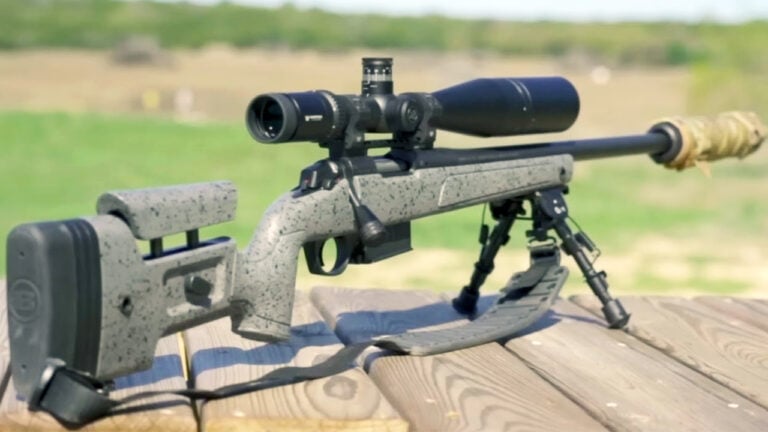
The .338 Lapua delivers long-range power and deep penetration, but it’s not a caliber made for speed. After the first shot, you’re dealing with massive recoil and a big muzzle blast that makes it hard to see or stay steady. Even in a heavy rifle, it kicks enough to slow your follow-up. It performs well for planned shots at a distance—but if you need to take two in a row fast, this one’s going to cost you time.
.45-70 Government
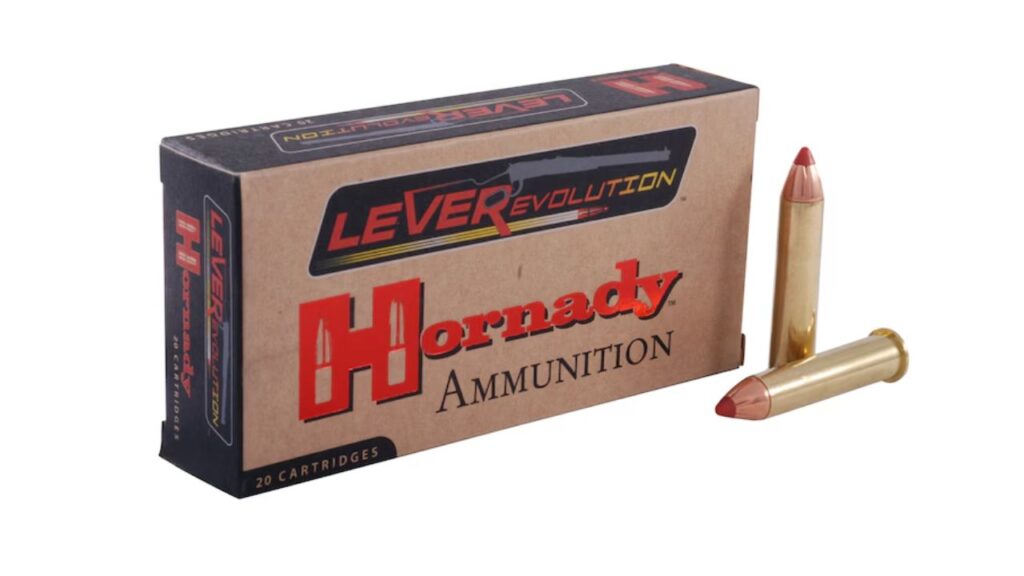
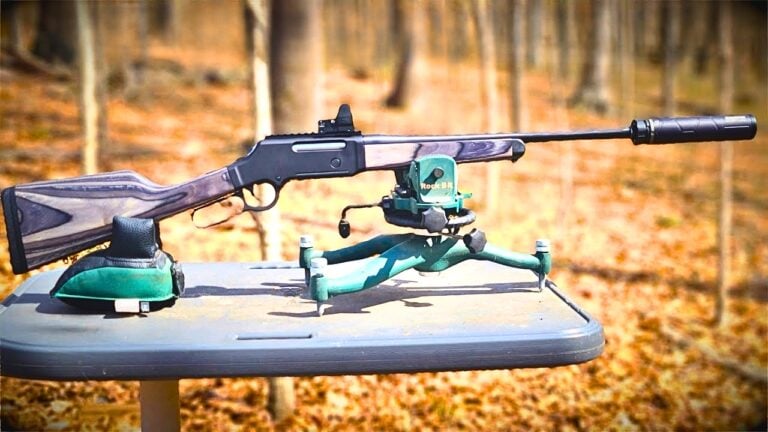
There’s no doubt the .45-70 hits hard, especially with hot loads or big game rounds. But even in a lever gun, cycling it fast isn’t easy. The recoil is enough to throw off your sight picture, and many rifles chambered in .45-70 have slower actions. It works well for short-range hunting, but it’s not a fast-recovery caliber. If you miss or need to double-tap, you’ll feel how much this round slows you down.
.300 Winchester Magnum
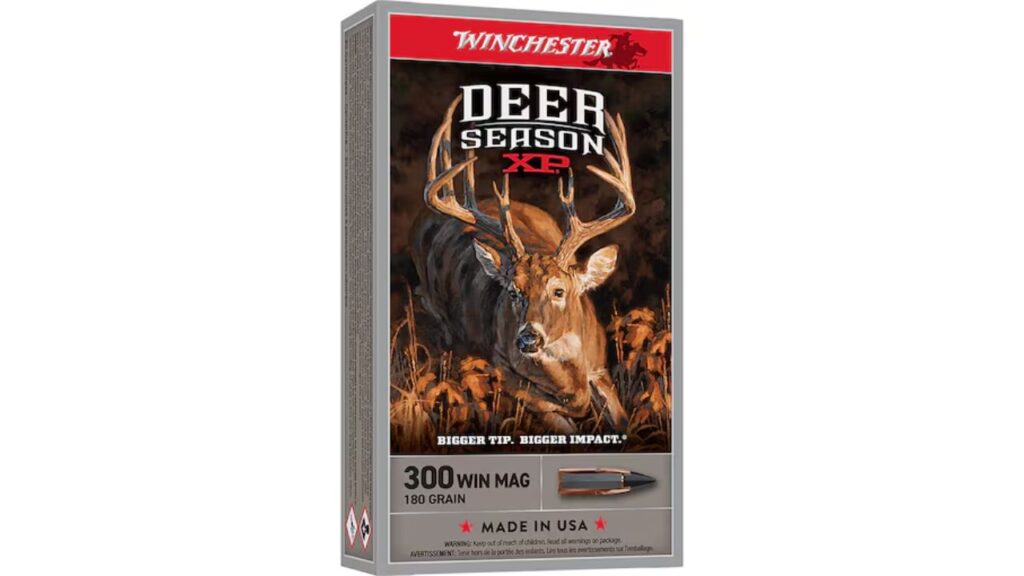
The .300 Win Mag is a powerhouse, but it’s not made for speed. That recoil hits hard, and the muzzle rise is noticeable—even in a heavier rifle. Most folks take a second to recover between shots, and that’s time you won’t have if the target’s still moving. It’s great for elk or long shots, but if you’re trying to track something across the brush and fire again quick, there are better choices.
.50 Beowulf
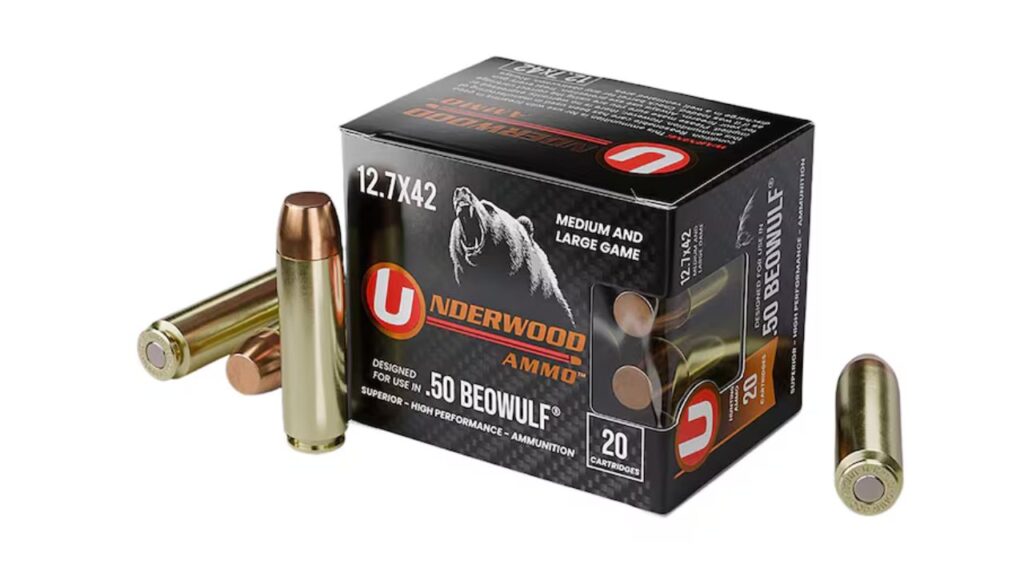
The .50 Beowulf has serious stopping power, but that big, fat round throws off your rhythm. Recoil is harsh, especially in lighter AR platforms, and muzzle flip slows down target reacquisition. You’ll also notice that mags don’t hold much, which adds to the pressure. In bear country or vehicle defense, it’s useful—but if you’re in a scenario where fast follow-up shots matter more than raw punch, this one’s going to drag you down.
.375 H&H Magnum
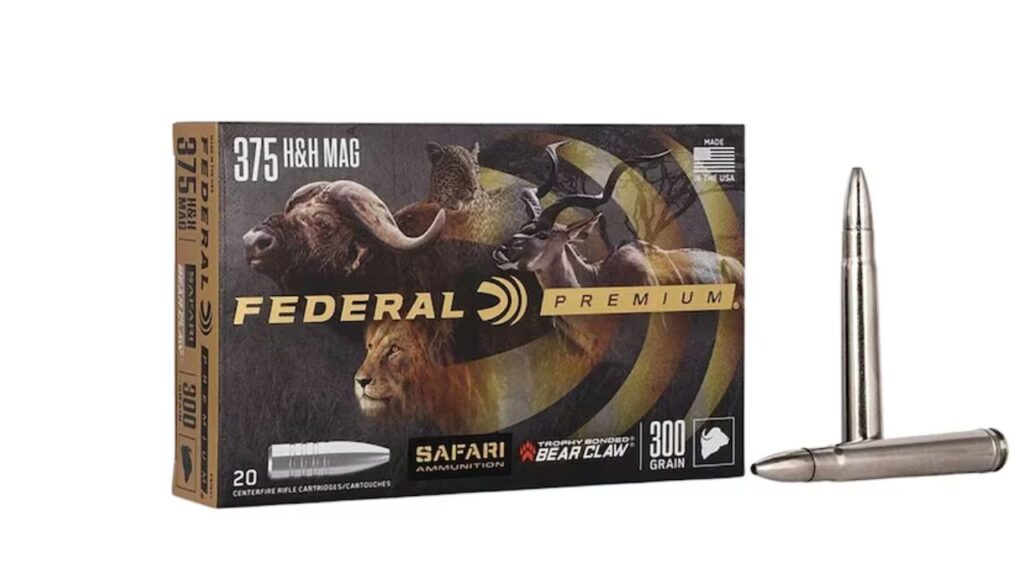
This round is a classic for dangerous game, but it’s not built for quick double-taps. The recoil is sharp, and most rifles chambered in .375 H&H are built for deliberate, high-stakes shots—not speed. It’s accurate and hits like a truck, but it doesn’t give you the luxury of getting back on target quickly. If you flinch or need a second chance fast, it’ll remind you how unforgiving heavy magnums can be.
.458 SOCOM
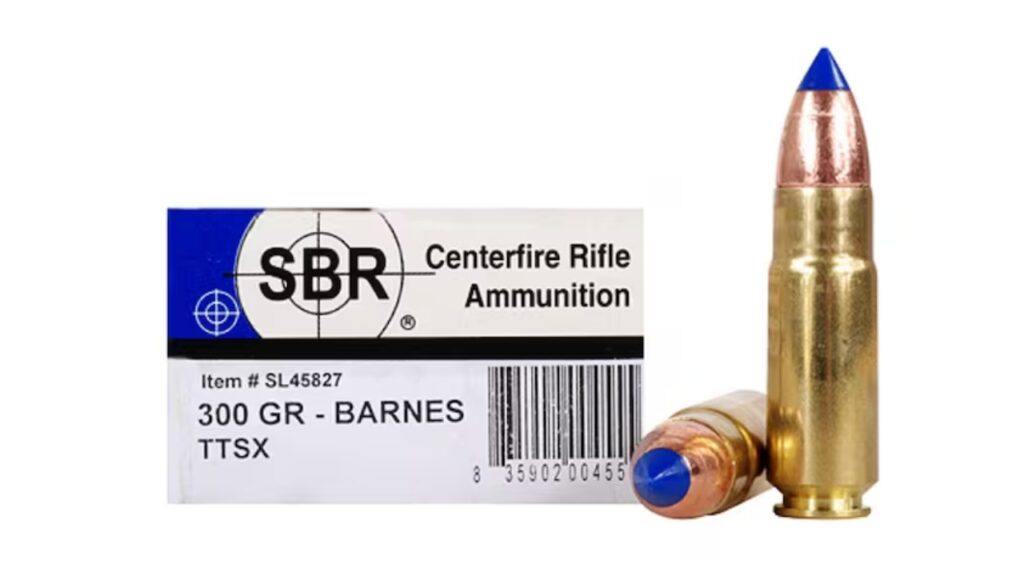
In theory, the .458 SOCOM gives you big bore punch in an AR-15 platform. But in reality, you’re dealing with a round that bucks hard and loses steam quickly. Recoil throws off your line, especially in faster-paced shooting. Even in semi-auto builds, the weight and recoil make it feel sluggish between shots. If you’re using it for its stopping power, you’d better hope you hit right the first time because recovering fast takes work.
.30-378 Weatherby Magnum

Weatherby Magnums are known for power—and brutal recoil. The .30-378 is no exception. You’re looking at significant kick and a loud blast that makes spotting your own shot nearly impossible. That slows everything down. Add in expensive ammo and a narrow margin for error, and it’s a tough round to run fast. It’s a good long-range hunting round, but fast follow-up shooters will fight it every step of the way.
.500 S&W Magnum
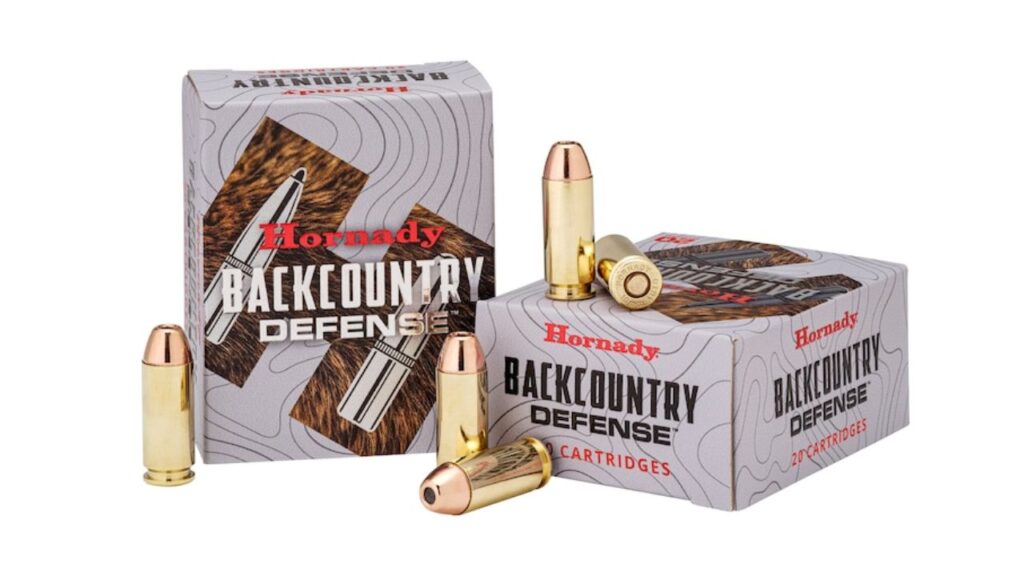
This revolver round packs more punch than most rifles, but it’s a pain to shoot fast. Muzzle flip is dramatic, and even if you manage to stay on target, recovering your grip and line of sight takes time. Some folks carry it for bear defense, but if you miss that first shot, you’ll feel the delay. It’s not made for speed—just brute force. And that can backfire if things move quicker than you can.
.300 Remington Ultra Magnum
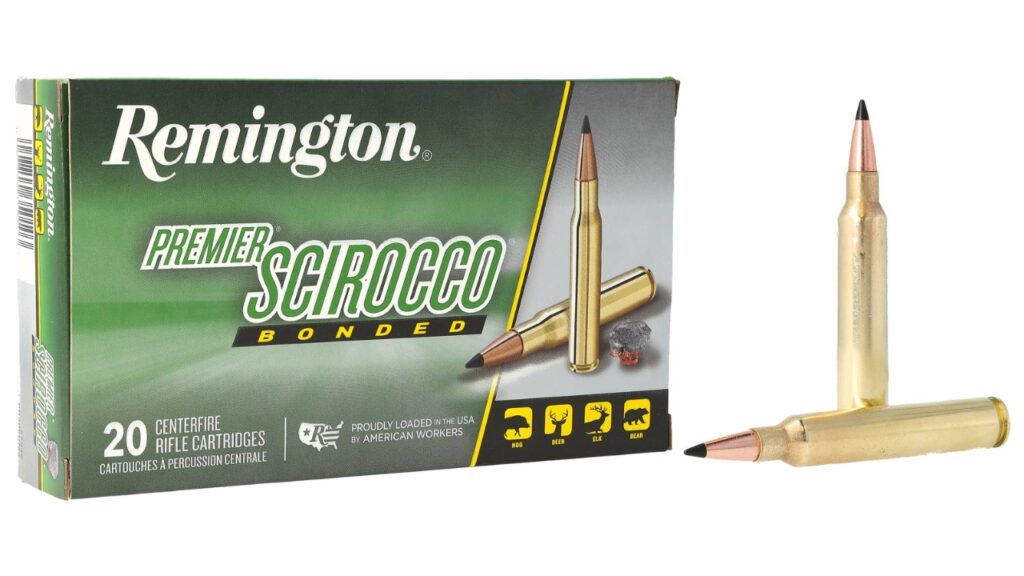
The .300 RUM fires fast and flat, but not without cost. Recoil is stout, and the muzzle blast can rattle you enough to slow your reaction. Most rifles chambered in this round aren’t light, but even with that extra weight, your shoulder takes a hit. When every second counts, that added punishment affects how fast you can settle back in and shoot again. It’s effective, but it drags in follow-up scenarios.
.338 Winchester Magnum

The .338 Win Mag gives you a heavy bullet with deep penetration, but at the expense of recovery speed. The recoil alone makes it harder to stay consistent shot to shot, and it’s not forgiving when you’re rushed. It’s a solid elk or moose round, but you’ll feel the delay between shots compared to something more moderate. Even seasoned hunters have to pace themselves to keep accuracy tight after the first boom.
.450 Marlin

Built for lever guns and big-game hunting, the .450 Marlin throws heavy bullets fast. But it comes with serious kick, and most platforms chambered for it aren’t designed with speed in mind. Cycling fast is tough, and the recoil will yank you off target if you’re not solid on your stance. You’ll get stopping power, sure—but if you need two shots in under a second, it’s not going to feel smooth or quick.
.444 Marlin

The .444 Marlin sits between .45-70 and .450 Marlin in terms of power, but it still hits with enough force to slow you down. The recoil isn’t brutal, but it’s enough to throw off quick follow-up timing. Lever-action rifles make it a little more manageable, but not by much. It’s a solid caliber for close to mid-range hunting, but it’s not ideal when you’re in a high-pressure scenario and need to get right back on target.
*This article was developed with AI-powered tools and has been carefully reviewed by our editors.