Photo credit: Steve Oehlenschlager/Shutterstock.com
When you spend enough time around full‑time guides, you start to pick up on the rifles that make their eye twitch the moment they show up at camp. It’s not about brand loyalty or chasing trends. Guides care about rifles that work, every single time, in weather that sends most folks back to the truck.
They’ve seen rifles fail in ways that ruin hunts, wound animals, and waste precious daylight. And when you’re responsible for someone else’s once‑in‑a‑lifetime tag, you learn quickly which rifles you’re comfortable seeing—and which ones you hope stay back home in the safe.
These are the rifles guides quietly hope you didn’t pack.
Remington 770
The Remington 770 shows up in camp more often than it should, and guides hate it for the same reasons hunters eventually do. The action feels rough from day one, and it only gets worse once dust or moisture get involved. That sloppy bolt throw makes quick follow‑ups tough, especially with gloves on in cold weather.
Accuracy can swing wildly from one rifle to another, and the factory scope mounts aren’t known for holding tight. Guides see these rifles lose zero in trucks, on horses, and even while riding in soft cases. When someone unzips a 770, most guides already know they’re in for a long week.
Mossberg Patriot

The Mossberg Patriot has the right price tag and the right marketing push behind it, but guides see the real story once hunters try to cycle it under pressure. The bolt can bind if you’re not perfectly in line, and cold‑weather stiffness only amplifies that. When you’re trying to chamber a follow‑up shot on a bull that’s about to vanish into timber, that matters.
Another issue is the stock fit. Many Patriots come with lightweight plastic stocks that flex under sling pressure or when shooting off hard rests. That flex shifts point of impact, and guides have watched plenty of hunters miss because of it. They’ve seen the pattern enough times to dread seeing one unpacked.
Savage Axis (base model)
Guides don’t mind Savage rifles as a whole, but the base‑model Axis is one they’d rather skip. The trigger is unpredictable, the stock is flimsy, and the overall feel just doesn’t inspire confidence. Hunters often show up with these rifles still wearing the cheap scope that came in the combo package.
Once temperatures drop or rain sets in, the Axis tends to open up its groups. And if a hunter shoots from an improvised rest—fence post, pack frame, shooting stick—the stock flex can completely change how the bullet flies. Guides have watched more than a few wounded animals walk off after an Axis shot goes wide.
Winchester XPR
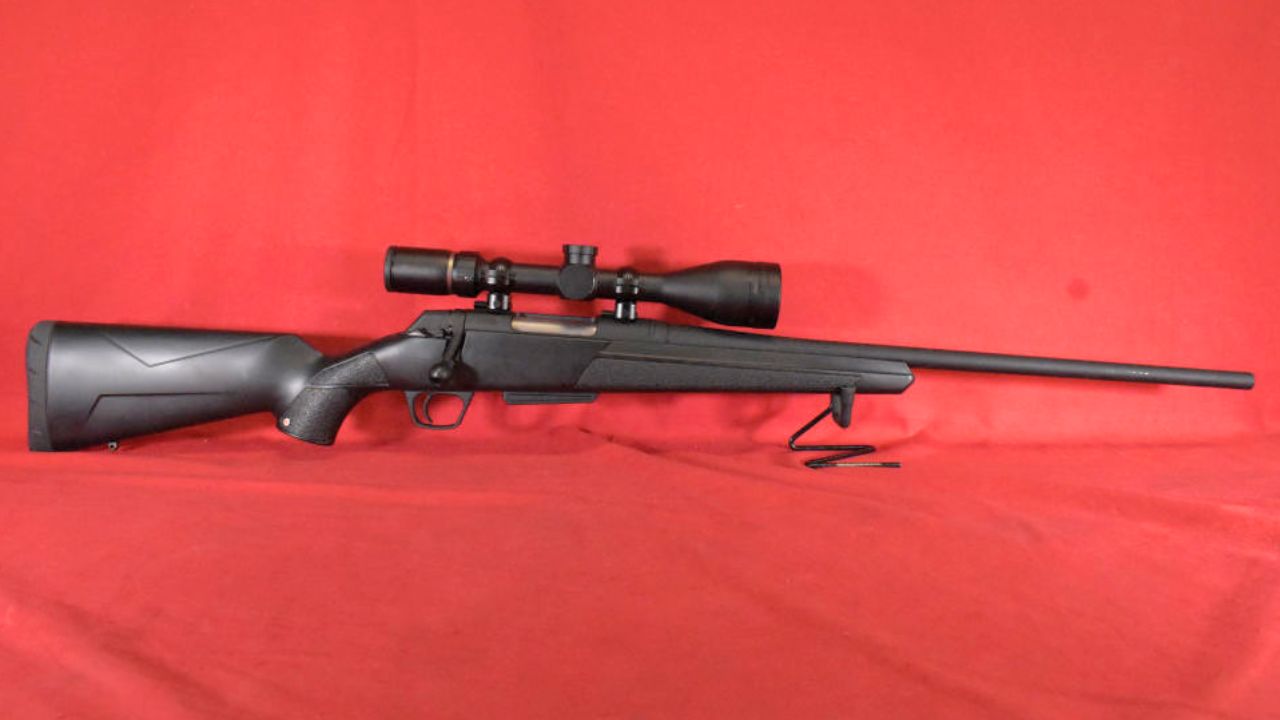
The XPR tries hard to deliver modern performance at a budget price, but guides have seen too many small problems pile up into big disappointments. The bolt lift can get sticky when cold, and the magazine design doesn’t tolerate dirt or pine needles well.
Triggers vary from rifle to rifle, and guides watch hunters struggle with inconsistent breaks when they’re already shaking from adrenaline. The XPR is capable of good accuracy, but many hunters never see it. By the time it reaches camp—usually with a bargain optic on top—it’s already fighting an uphill battle.
Ruger American (standard stock)
The Ruger American is wildly popular, but guides have mixed feelings about it. The barreled action is solid, but that skinny, flexible stock causes problems in the field. Hunters often don’t realize how much pressure they’re putting on it when shooting off a pack or leaning into the rifle for stability.
In cold weather, the polymer stiffens in weird ways, and the bedding blocks don’t always maintain even contact. Guides also see magazine issues—mostly related to feeding in dust or mud. The rifle can shoot well, but guides have seen enough erratic performance from rushed, real‑world shots to quietly prefer something sturdier.
Thompson/Center Compass

The T/C Compass looks like a great budget rifle, but it has a reputation among guides for inconsistent cold‑weather performance. Chambering can feel gritty once the action picks up a little dust, and some rifles struggle to feed smoothly when temperatures drop into the teens.
Many hunters bring these rifles with minimal trigger time, and the stiff factory trigger doesn’t help under stress. Guides see missed shots at easy distances, often because the rifle doesn’t break cleanly or the stock shifts when rested against something solid. It’s a rifle that shoots better on paper than it performs in a real hunt.
Browning AB3
Even Browning has an entry that guides quietly dislike—the AB3. It lacks the refinement and reliability of the A‑Bolt and X‑Bolt lines. The bolt can feel clunky, especially in cold weather, and the magazine design is one of the most failure‑prone among budget rifles.
Guides see these rifles drop mags at terrible times, fail to feed smoothly, or lose zero after mild bumps. While the rifle can group well, durability isn’t on the same level as pricier Brownings. In a controlled environment, it’s fine. In a mountain hunt with dust, snow, and steep angles? Guides cringe.
Remington 783

The 783 came out trying to fix the problems of the 770, but guides still don’t trust it. The bolt throw is awkward, the safety is tiny with gloves, and load‑specific accuracy jumps all over the place. Hunters often show up having shot one or two factory loads without realizing how picky the rifle can be.
Once the weather turns nasty, guides see the 783 struggle with cycling more than similar‑priced rifles. Many arrive with the factory scope mounts still installed—and those are notorious for shifting after a stumble or hard rest. Guides know what’s coming before the first shot is ever fired.
Weatherby Vanguard Synthetic (base stock)
The Vanguard action is solid—nobody disputes that—but the base synthetic stock adds problems that guides have seen play out too many times. It transmits recoil harshly, which spooks inexperienced shooters, and it’s prone to flexing.
When a hunter rests the rifle on a blind window or a stiff tree branch, that fore‑end bend changes the harmonics more than most realize. Groups widen, shots go low, and animals walk away. Guides have watched this scenario unfold enough that they’d rather see a hunter bring the same rifle in a sturdier stock.
Marlin X7 (late‑production models)

Early X7 rifles were sleepers—accurate and reliable. But late‑production models, especially those built right before the Remington bankruptcy mess, developed issues that guides still remember. Feeding could get sluggish, the bolts weren’t always fitted cleanly, and the accuracy that once defined the model became hit‑or‑miss.
Hunters often bring these rifles thinking they’ve got a hidden gem, but guides know the quality varied wildly toward the end. In tough conditions, the late‑run X7s just don’t hang with modern rifles. And guides have seen enough failures in rain, mud, and frost to quietly hope one doesn’t show up in camp again.
Like The Avid Outdoorsman’s content? Be sure to follow us.
Here’s more from us:
*This article was developed with AI-powered tools and has been carefully reviewed by our editors.