Photo credit: Savage Arms
There’s nothing like walking out of a gun shop with a brand-new rifle. It feels like you’ve upgraded, like this one will finally be the one that shoots lights out and never lets you down. But too many hunters have learned the hard way that new doesn’t always mean better. Some rifles look great on the rack, shoot fine for a few rounds, then start revealing problems that make you wish you’d bought used. Loose actions, wandering zeroes, poor triggers, and “factory defects” that become your problem the minute you walk out the door.
The truth is, the gun world’s full of rifles that sell fast because they look modern or carry a respected name—but fail to deliver once you start hunting with them. Some can be tuned or bedded into shape, others never quite get there. Either way, these are the rifles many hunters regret buying brand new—especially after seeing what a well-broken-in used gun could’ve done instead.
Remington 783 Heavy Barrel

The Remington 783 Heavy Barrel version looks like a step up from the standard model, but in reality, it’s a disappointment for a lot of new buyers. The heavier barrel doesn’t fix the rifle’s core problems—rough machining, inconsistent bedding, and unpredictable accuracy. Even with good ammo, many shooters report random flyers and groups that open up fast once the barrel heats.
The bolt feels clunky, and the stock flexes more than it should for something marketed as “precision-ready.” It’s a rifle that needs work to perform like it should, and that’s frustrating when you’ve just paid full price for something brand new. Hunters who wanted a dependable, budget-friendly varmint or target rifle usually end up swapping it out for a Savage or Ruger after realizing the 783 HB just doesn’t have the consistency it promised.
Winchester Model 70 Featherweight

The Winchester Model 70 Featherweight sells on nostalgia—it looks like a rifle your granddad might’ve carried—but modern production has left some buyers disappointed. The slim, lightweight barrel makes it carry nicely, but it also heats quickly and walks shots as it warms. Accuracy drops fast after two or three rounds, especially in larger calibers.
The trigger feels decent, but the stock inletting varies a lot between rifles, leading to uneven barrel pressure and wandering zero. Combine that with the premium price tag, and you’ve got a rifle that looks gorgeous but doesn’t always deliver when it counts. Many hunters who bought one new for its looks or reputation end up babying it more than using it. It’s a fine rifle for light fieldwork or range nostalgia, but for a “serious” hunting gun, it’s more trouble than it’s worth.
Ruger Hawkeye Hunter

The Ruger Hawkeye Hunter is marketed as a top-tier field rifle, but many new buyers are surprised at how inconsistent the accuracy can be. The rifle’s controlled-feed action and sleek finish feel great, but the trigger is heavy, and the stock bedding doesn’t always hold zero well after recoil or humidity changes.
It’s also heavier than it looks, which can wear on you during long hunts. The rifle performs best with handloads—something many hunters don’t want to deal with right out of the box. For the price, it’s disappointing to have to tweak so much to get it shooting right. Ruger makes solid guns, but the Hawkeye Hunter isn’t their best work—it’s the kind of rifle you want to love, but after a few range trips and a missed shot or two, it ends up sitting in the safe while you go back to something simpler that actually groups.
Remington 700 SPS Stainless

The Remington 700 SPS Stainless sounds like a great all-weather option, but too many new owners have found it underwhelming. The rough finish inside the barrel often leads to excessive fouling, and accuracy doesn’t settle down until after an exhausting break-in period. Even then, groups often wander more than expected for a rifle in this price range.
The synthetic stock feels hollow, and the forend flexes enough to touch the barrel under pressure, which can throw shots wide. The stainless steel build is great for bad weather, but that’s about the only thing this rifle does consistently well. Many hunters buy one new thinking it’ll be their all-around workhorse, only to realize it’s more of a project gun than a ready-to-go rifle. It’s better bought used, once someone else has already smoothed out the rough edges and done the tinkering.
Bergara B-14 Wilderness Ridge

The Bergara B-14 Wilderness Ridge looks like a serious rifle for serious hunters, but it’s been plagued by mixed results. While some rifles shoot beautifully, others suffer from rough chambers or uneven crown work right from the factory. Those flaws translate to frustrating inconsistencies that no amount of ammo testing seems to fix.
The rifle’s stock feels solid, but the added weight makes it cumbersome to carry long distances, especially with a scope and sling attached. For something marketed as a “wilderness” rifle, it feels more suited to the bench. It’s not unreliable—it just doesn’t live up to the performance the price suggests. Many hunters who bought it new expecting sub-MOA groups are left scratching their heads after realizing it shoots more like a mid-tier rifle with a fancy paint job.
Savage Impulse Big Game

The Savage Impulse Big Game caught attention for its straight-pull design, but a lot of hunters learned that “different” doesn’t always mean “better.” The action feels awkward to run compared to a traditional bolt, and the rifle’s bulky build makes it feel front-heavy. Accuracy is solid when you find the right load—but the trigger and balance make it hard to shoot comfortably for extended sessions.
The price tag doesn’t help, either. For what it costs, most shooters expect flawless feeding and crisp handling, but the Impulse feels overcomplicated for what it offers. Many hunters who bought it new for its novelty end up going back to traditional bolt rifles that simply shoot better. It’s a cool concept, but unless you’re committed to learning its quirks, it’s one you’ll regret buying brand new after a few frustrating hunts.
Weatherby Mark V Weathermark

The Weatherby Mark V Weathermark carries a premium price, but not all that glitters is gold. It’s a heavy rifle that delivers stout recoil, even in mid-caliber chamberings. The trigger feels sharp, but the overall handling isn’t nearly as refined as you’d expect for the cost. Hunters who bought it new expecting that famous Weatherby accuracy often find themselves chasing groups that never quite settle.
The rifle’s fit and finish are beautiful, but the performance gap between it and rifles half the price has closed considerably in recent years. Unless you’re a die-hard Weatherby fan, the Weathermark tends to feel like a luxury purchase that doesn’t add much value in the field. It’s well-made—but not so much better than cheaper options that it justifies buying new.
Mossberg MVP Long Range

The Mossberg MVP Long Range seemed like an answer for hunters who wanted tactical precision at a fair price, but it’s been hit-or-miss. The rifle’s accuracy can be great for a few rounds, then fall apart as the barrel heats. The action is rough, and the bolt feels gritty even after cleaning. It’s not uncommon for the factory trigger to be inconsistent, which doesn’t help precision work.
The rifle’s design feels better suited for a bench than the backcountry—it’s heavy, awkward to carry, and doesn’t handle recoil as gracefully as you’d expect. Many who bought it new for long-range hunting realized quickly it wasn’t as refined as its competitors. It’s not terrible—it just doesn’t live up to the “precision” label it’s sold under. It’s a rifle that makes you realize why so many serious shooters skip straight to higher-end builds.
Kimber Hunter Pro

The Kimber Hunter Pro sells on weight and looks, but it’s one of those rifles that’s better admired than shot. The ultralight build makes it punishing in anything above .308, and the thin barrel heats quickly, which causes group drift after only a few rounds. The factory stock feels plasticky and doesn’t balance well with a scope.
Hunters love the idea of a sub-six-pound rifle until they shoot it off the bench or in the prone position. Recoil management becomes a real problem, and it’s hard to stay consistent when every shot bucks your shoulder. The accuracy potential is there, but most shooters never get it without a lot of tuning and patience. It’s a rifle that looks like a premium field gun but feels like a compromise once you put it through real-world hunting conditions.
Browning AB3

The Browning AB3 is another rifle that sells well because of the brand name, but it often leaves new owners cold. The action feels cheap compared to older Brownings, and the polymer bottom metal and magazine design make it feel more like a budget rifle than a classic. Accuracy is fine, not great, and the trigger is heavier than it should be for the price.
The AB3’s fit and finish also fall short of expectations. For a rifle carrying the Browning name, it doesn’t have the refinement or durability that hunters expect. Many who buy it new end up regretting the decision once they realize that for the same money, they could’ve picked up a better-fitted used X-Bolt or Tikka. It’s not unreliable—it’s just underwhelming. The kind of gun that makes you realize you paid more for the logo than the performance.
Thompson/Center Compass II
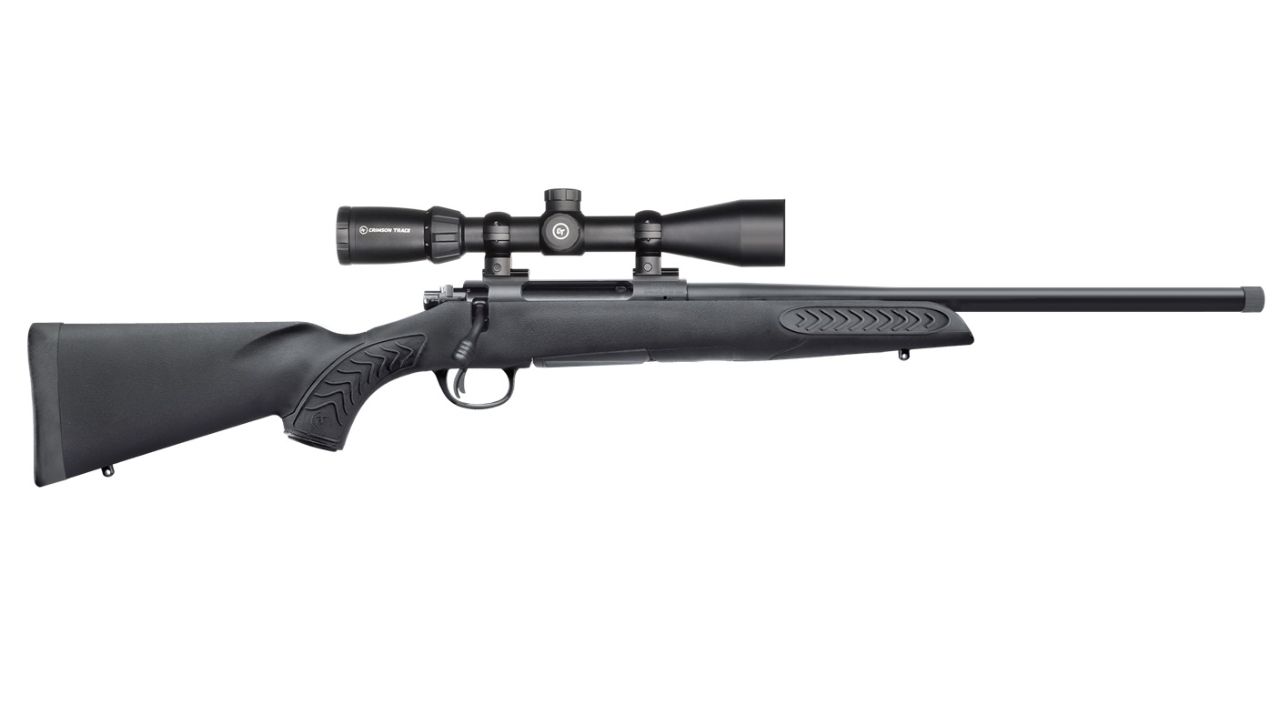
The T/C Compass II had a lot going for it on paper—threaded barrel, adjustable trigger, and an attractive price—but its execution left much to be desired. The accuracy can be decent, but the stock flexes under pressure, throwing shots wide. The bolt feels loose, and feeding isn’t always smooth. It’s a rifle that shoots “okay” when everything goes right—but that’s not often enough.
After a few hunts, the shortcomings become hard to ignore. The Compass II works as a backup gun or loaner, but most hunters who bought one brand new expecting reliability end up disappointed. It’s not junk, but it feels like a rifle that was almost there. For a gun that markets precision, it leaves too many owners chasing consistency that never quite arrives.
Savage Axis II XP

The Savage Axis II XP package seems like a great deal—a scoped rifle ready to go right out of the box. But that factory scope is usually low-end, and the rifle itself doesn’t always perform much better. The trigger is decent, but the stock flexes, the bolt feels gritty, and accuracy varies a lot between rifles.
Most new buyers quickly realize they’ll have to replace the scope, upgrade the stock, and maybe even bed the action—basically rebuilding it into something decent. That’s a lot of work and cost for something sold as “ready to hunt.” The Axis II XP can be made accurate, but straight from the factory, it’s not the reliable setup most new buyers expect. For many hunters, it ends up being an expensive lesson in why “package deal” rifles rarely live up to their marketing.
Howa 1500 Carbon Stalker
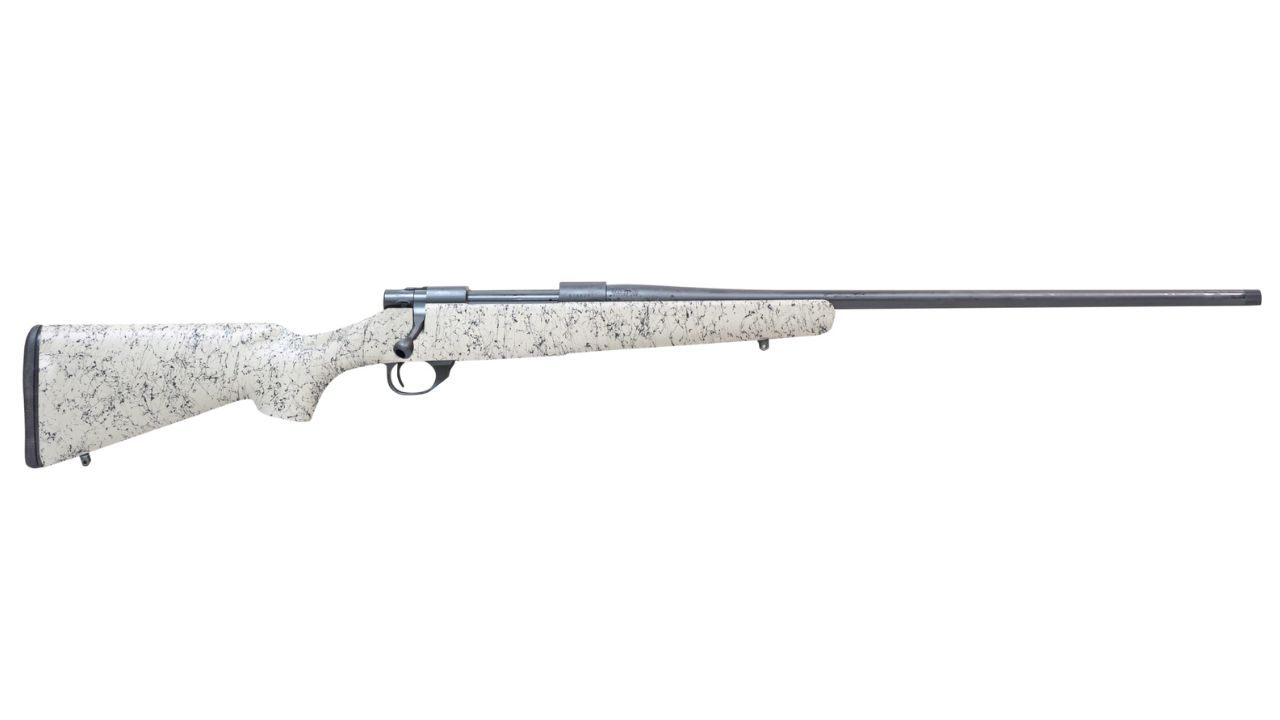
The Howa 1500 Carbon Stalker promises lightweight performance with a premium carbon stock, but many hunters find it underwhelming for the price. The stock feels good in hand, but the balance is off—it’s muzzle-heavy, and the carbon shell amplifies recoil in a way that feels sharp and unpleasant.
Accuracy can be hit or miss, especially with factory ammo. The action itself is solid, but the combination of the carbon stock and lightweight barrel makes it difficult to shoot consistently. For the price, it should perform better. It’s one of those rifles that looks high-end but doesn’t feel that way once you put rounds through it. Hunters expecting a mountain-ready precision rifle often walk away wishing they’d stuck with something heavier but more forgiving.
*This article was developed with AI-powered tools and has been carefully reviewed by our editors.