Photo credit: Michelle Chadwick/Pexels.com
The counselor had a problem most adults at camp understand immediately.
He could not panic.
That sounds easy until you are the one standing there in the dark, listening to coyotes close by while kids are sleeping in a tent nearby. You have to think clearly, keep everybody safe, and handle the situation without turning a normal wildlife moment into a full-blown campsite meltdown.
In a Reddit post, a camp counselor asked for advice after hearing coyotes outside the tent while responsible for campers. The concern was not only the coyotes themselves. It was figuring out what to do in the moment without scaring the kids more than necessary.
That is a tough balance.
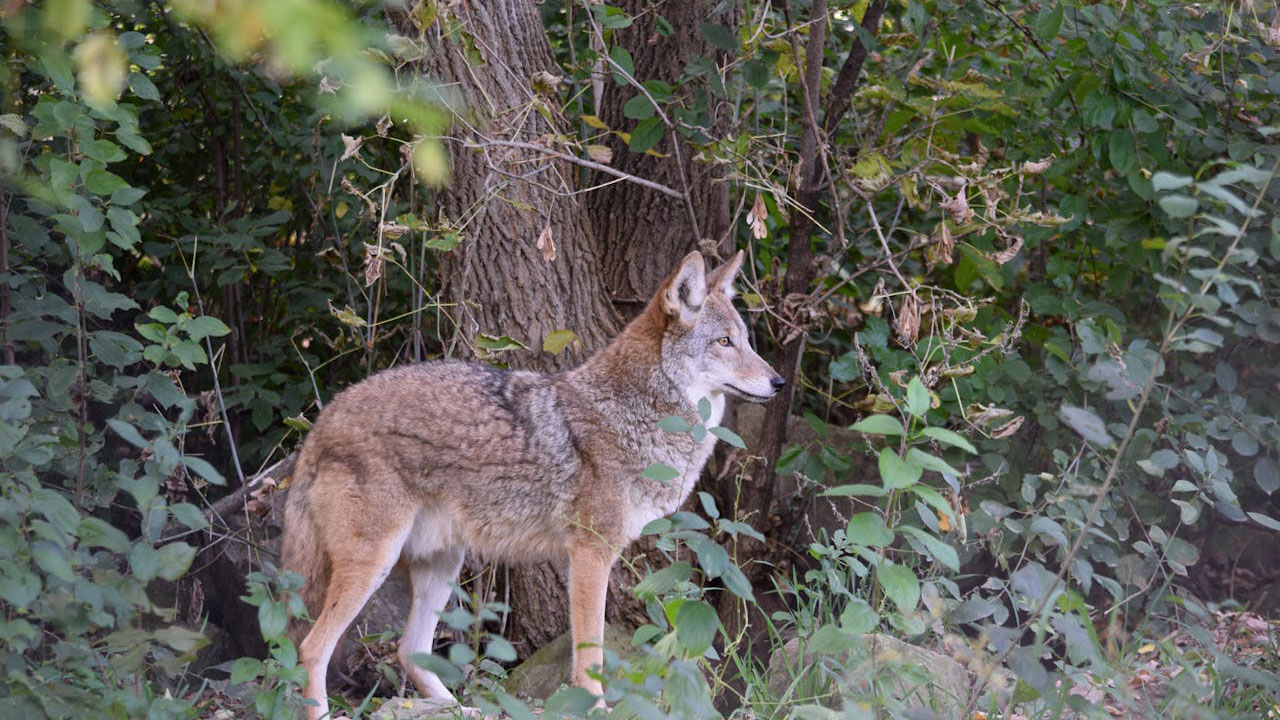
Coyotes are common in a lot of camping areas, and most of the time, they are not looking for trouble with people. They may yip, howl, move around the edges of camp, or pass through without ever getting close enough to matter. But when you are responsible for children, “most of the time” does not let you relax much.
You are thinking about every possible opening. Are the kids inside the tent? Are they zipped in? Are any snacks or wrappers in there? Is food stored right? Are there smaller kids who might wake up and wander? Are there shoes, trash, or scented items outside? Are the coyotes simply calling in the distance, or are they actually close to camp?
And then there is the human side: if the kids hear the coyotes, how do you keep them calm?
That may have been the hardest part for the counselor. If one child gets scared and starts whispering, then another hears it, and suddenly half the tent is awake. One kid asks if coyotes attack people. Another says he heard something right outside. Someone wants to go home. Someone needs the bathroom. Now the counselor has to manage wildlife, fear, and a group of half-asleep campers all at once.
Anybody who has ever been in charge of kids outdoors knows that fear spreads fast.
The counselor was smart to ask instead of winging it. Coyotes are not bears, and they are not mountain lions, but they still deserve respect. They can be bold around campsites where people leave food out. They can be especially interested in small pets, but even without pets, food smells and trash can bring them closer than anyone wants.
The best response is usually calm and boring. Make sure food is put away. Keep everyone inside. Do not let kids step out alone. Use a flashlight if something is close. Make noise if animals are hanging around camp. Alert other adults. And if the animals are acting unusually bold or refusing to leave, contact camp staff, rangers, or local authorities.
But doing all that while acting calm for kids is its own skill.
There is a difference between saying, “There are coyotes outside and we’re all going to die,” and saying, “Hey, we’re going to stay zipped in and quiet while the adults check things out.” The words matter. The tone matters more. Kids take their cue from the adult in charge. If the counselor sounds scared, the tent gets scared.
That does not mean pretending nothing is happening. It means treating the moment like a routine safety check instead of a crisis.
A lot of outdoor leadership is exactly that: keeping a normal face on while your brain is running through every practical step. The counselor probably wanted to know if he should wake the kids, yell, move tents, get other staff, or stay put. And honestly, the right answer depends on how close the coyotes are and how they are acting.
If they are howling in the distance, the safest move may be to keep everyone settled and explain in the morning that coyotes are part of the outdoors. If they are right outside the tent, nosing around camp, or refusing to leave after noise and lights, that becomes more serious.
The big thing is not giving the coyotes a reason to stay.
No snacks in tents. No wrappers in backpacks. No food scraps by the fire ring. No loose trash. No kids wandering off to investigate. Campsites get wildlife problems fast when people leave a buffet around and then act surprised when animals show up.
The counselor’s concern also shows why kids should be taught camp rules before anything happens. Food stays where it belongs. Nobody leaves the tent alone at night. Shoes and flashlights stay ready. If you hear something outside, you wake an adult instead of unzipping the tent. Those rules sound basic, but they matter when coyotes start calling near camp.
In the end, the coyotes were probably not there to hurt anybody. But the counselor still had a real responsibility. He had to keep children calm, keep them contained, keep the campsite clean, and make decisions without turning a nighttime wildlife encounter into a panic.
That is the part people sometimes forget about camping with kids. The scary thing may be outside the tent, but the adult’s job is often inside the tent — keeping everyone steady until the moment passes.
Commenters mostly reassured the counselor that coyotes are common and usually not a reason to panic, but they still gave practical advice.
Several people said the most important thing was to keep food and trash secured. Coyotes may pass through naturally, but food smells can make them linger. Campers should never keep snacks in tents, especially with kids, because kids are famous for forgetting a wrapper or granola bar in a bag.
Others told the counselor to keep the kids inside the tent and avoid making a big production unless the coyotes were very close. If the animals were just howling nearby, commenters said the sound was probably scarier than the actual risk. Coyotes can sound like they are right on top of you even when they are farther away.
A few people recommended making noise if the coyotes came into camp. Yelling, clapping, banging pots, or shining lights can usually push them off. The idea is to remind them that people are present and that camp is not a quiet place to investigate.
Several commenters also focused on not scaring the kids. They suggested explaining it calmly if needed: coyotes live out here, we stay together, we keep food put away, and the adults are handling it. No dramatic warnings, no scary stories, no letting one nervous camper wind up the rest.
Some people said the counselor should alert other adults or camp staff if he was not the only person responsible. That way, nobody is handling a wildlife concern alone, and there is a shared plan if the coyotes stick around.
The best advice came down to calm control. Coyotes outside a tent can sound unnerving, but the response does not need to be chaotic. Keep the kids in, keep food out of the tent, make noise if needed, and let the animals move on.